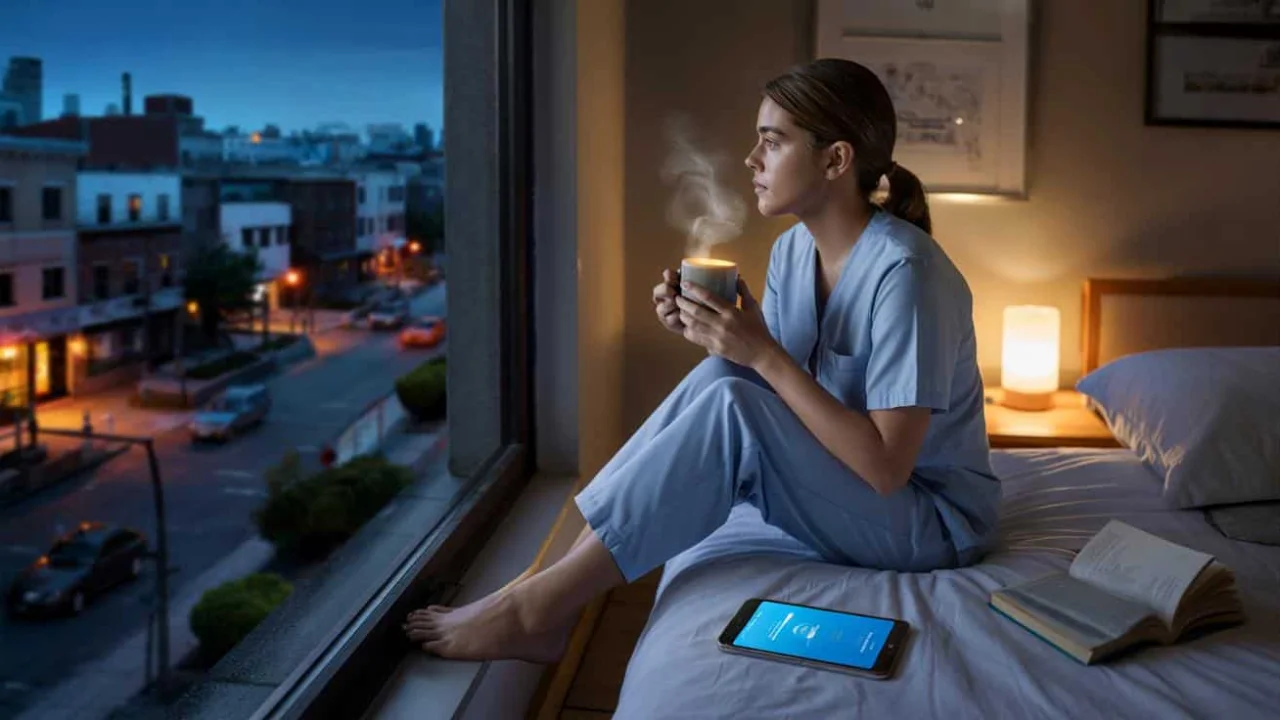
Sarah stares at her phone screen showing 2:47 AM, surrounded by the gentle hum of her apartment’s heating system. Her workday ended hours ago, but she’s still awake, scrolling through quiet social media feeds where her last post sits with zero new likes or comments. Instead of feeling lonely or anxious like she might during busy daytime hours, she feels something unexpected: relief.
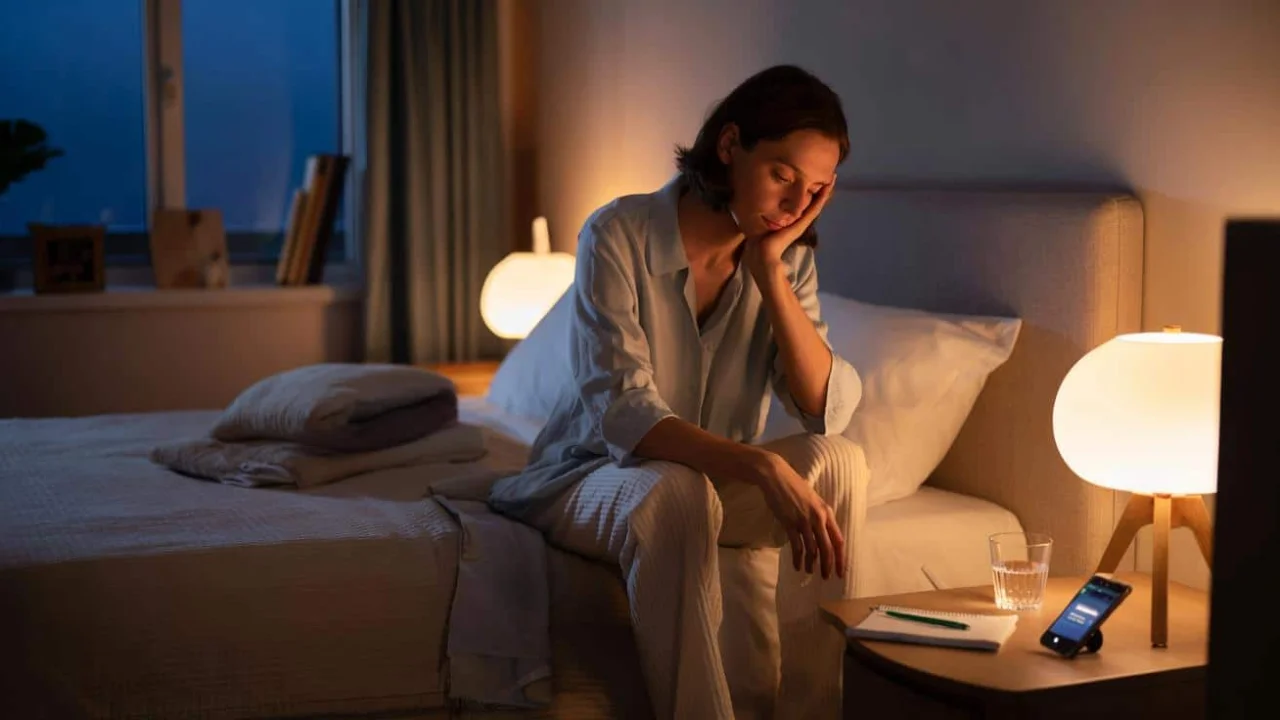
The world has pressed pause, and for the first time all day, she doesn’t feel the invisible weight of everyone else’s expectations, messages, or energy pressing against her mind.
This nightly transformation from chaos to calm isn’t just in her head. There’s real psychology behind why you feel calmer at night when the rest of the world sleeps, and understanding it might just change how you view your late-night moments of peace.

Why Your Brain Craves the Sleeping Hours
When everyone else is asleep, your nervous system finally gets permission to downshift. During the day, your brain constantly processes social cues, responds to notifications, and maintains what psychologists call “social vigilance” – the mental energy spent being aware of others’ presence and expectations.
“The human brain is wired to be hyperaware of social dynamics,” explains Dr. Michael Chen, a sleep and behavioral psychologist. “When we know others are awake and potentially interacting, we maintain a baseline level of social readiness that’s mentally exhausting.”

This social readiness operates like background software on your phone, draining battery even when you’re not actively using apps. The moment you realize everyone else is asleep, that background program finally shuts down.
Your breathing deepens naturally. Your shoulders drop. Even your thoughts slow down because they’re no longer competing with the invisible noise of an awake world.

The quiet streets outside mirror the quiet in your mind, creating what researchers call “environmental synchronization” – when your internal state matches your external environment.
The Science Behind Nighttime Calm
Several psychological and physiological factors combine to make you feel calmer at night during the sleeping hours:

- Reduced Social Pressure: No expectation for immediate responses to texts, emails, or social media
- Decreased Cortisol Levels: Your stress hormone naturally drops in the evening hours
- Parasympathetic Activation: Your “rest and digest” nervous system takes over from “fight or flight”
- Sensory Reduction: Fewer sounds, lights, and visual stimuli to process
- Social Comparison Break: No one is posting, achieving, or appearing successful online
- Permission for Stillness: Cultural acceptance that nighttime is for rest, not productivity
| Daytime Brain State | Nighttime Brain State |
|---|---|
| High social vigilance | Social vigilance off |
| Constant input processing | Minimal input processing |
| Performance mode active | Performance mode paused |
| External validation seeking | Internal focus allowed |
| Comparison and competition | Personal reflection space |
“There’s something profound about knowing you’re the only one awake in your immediate world,” says Dr. Amanda Rodriguez, a cognitive behavioral therapist. “It creates a psychological bubble where self-judgment decreases and authentic thoughts can surface.”
Who Benefits Most from These Quiet Hours
While most people experience some degree of nighttime calm, certain personality types and life situations make this phenomenon more pronounced:
Highly Sensitive People often struggle with overstimulation during busy daytime hours. The nighttime reduction in sensory input provides crucial nervous system recovery time.
Introverts frequently report feeling most like themselves during late night hours when social energy demands disappear. The absence of required social interaction allows their natural energy to return.
Anxious Individuals might find nighttime paradoxically calming despite common assumptions. When social anxiety triggers are sleeping, the mind can finally rest from constant worry about judgment or expectations.
Creative Types often discover their best ideas emerge during these quiet hours. Without external demands competing for attention, creative thoughts have space to develop and flow.
“I’ve noticed my most anxious patients often describe their late-night hours as their most peaceful,” explains Dr. Jennifer Walsh, a clinical psychologist specializing in anxiety disorders. “It’s counterintuitive, but when the social world goes quiet, so does their internal critic.”
Parents especially benefit from these stolen moments of solitude. After spending all day meeting others’ needs, the sleeping hours provide rare opportunities for personal thoughts and feelings to surface without interruption.
Remote workers and freelancers might experience this calm more intensely since their work-life boundaries blur during the day. Nighttime becomes the only guaranteed “off” period when professional expectations truly pause.
The feeling of being calmer at night also intensifies during stressful life periods. Job searches, relationship changes, or major decisions often feel more manageable in the quiet darkness when you’re not comparing your situation to others’ daytime highlights.
Even social media affects this phenomenon. Heavy users of Instagram, Twitter, or TikTok report significant relief when feeds go quiet and the pressure to engage, react, or perform disappears with the sleeping world.
“What’s beautiful about this nighttime calm is that it’s free and accessible to everyone,” notes Dr. Chen. “You don’t need special techniques or tools. You just need to recognize and appreciate these moments when they naturally occur.”
Understanding why you feel calmer at night when everyone else is asleep helps validate those peaceful moments instead of feeling guilty about being awake. These hours aren’t wasted time – they’re necessary psychological recovery periods that help you process the day and prepare for tomorrow’s social demands.
The next time you find yourself awake in the quiet hours, breathing easier as the world sleeps around you, remember you’re experiencing a fundamental human need for social rest. Your mind isn’t broken or anxious – it’s simply savoring a rare moment of freedom from the beautiful but exhausting experience of living alongside other people.
FAQs
Is it normal to feel calmer at night when I’m usually anxious during the day?
Yes, this is completely normal and actually makes psychological sense. Nighttime eliminates many daytime anxiety triggers like social expectations and constant stimulation.
Why do I get my best ideas during late night hours?
Your brain has fewer distractions to process when everyone else is asleep, allowing creative and deeper thoughts to surface more easily than during busy daytime hours.
Should I feel guilty about staying up late just to enjoy the quiet?
Not necessarily, as long as you’re getting adequate sleep overall. These quiet moments serve important psychological functions for mental health and stress relief.
Does this nighttime calm happen to everyone?
Most people experience some version of this, but it’s typically more pronounced in introverts, highly sensitive people, and those with high levels of daytime social stress.
Can I recreate this calm feeling during the day?
Partially, yes. Meditation, turning off notifications, or spending time in quiet natural settings can provide similar benefits, though it won’t fully replicate the social pause of nighttime hours.
Is this feeling related to being a night owl or having a different sleep schedule?
While night owls might experience this more regularly, the calm feeling is more about everyone else being asleep rather than your personal chronotype or preferred sleep schedule.
About the Author