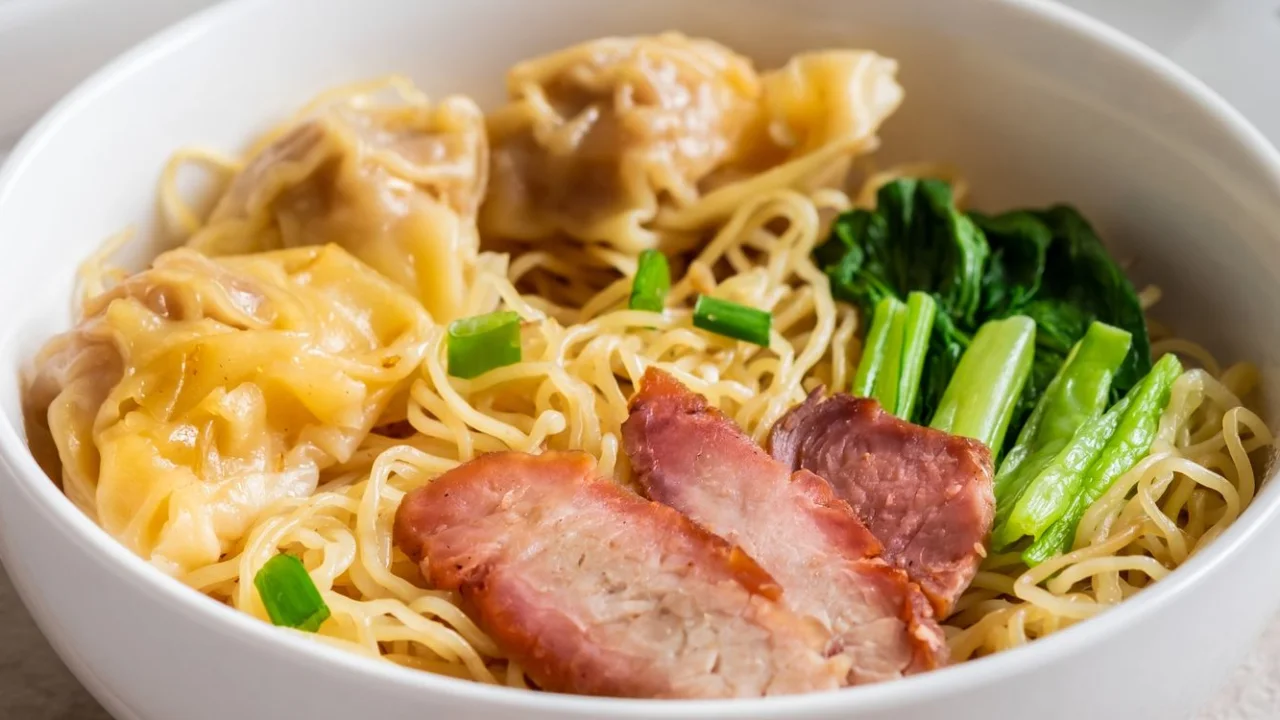
Every December, my phone starts buzzing with the same messages. “Is your mom making those noodles again this year?” “Can you ask for the recipe?” “I’ve been craving them since last Chinese New Year!” It happens like clockwork, and honestly, I can’t blame anyone for asking.

My mom’s chinese new year noodles have become legendary in our circle of family and friends. What started as a simple traditional dish has turned into the most anticipated part of our lunar new year celebration. People plan their entire evening around whether they’ll get a bowl of these magical noodles.
The funny thing is, my mom never intended for this recipe to become such a big deal. She was just trying to honor her childhood memories while making something delicious enough to keep our American-born family interested in tradition.
Why These Noodles Mean Everything During Chinese New Year
Chinese new year noodles aren’t just food – they’re edible wishes for the future. In Chinese culture, long noodles represent longevity and good fortune for the coming year. The longer the noodle, the longer your life will be. That’s why you’ll never see my mom breaking or cutting these noodles during preparation.
“The noodles must stay whole,” explains Chef Lisa Wong, who runs a popular dim sum restaurant in San Francisco’s Chinatown. “Breaking them is like breaking your luck for the year. It’s one tradition that even the most modern families still follow religiously.”
My mom uses thin wonton noodles as her base, which she discovered during her childhood in Bangkok’s vibrant Chinatown. These egg-based noodles have the perfect texture – chewy enough to hold up during cooking but delicate enough to absorb all the incredible flavors.
The secret isn’t just in the noodles though. It’s in how she builds layers of umami through her sauce combination and the specific vegetables she chooses. Every ingredient serves a purpose, both nutritionally and symbolically.
The Recipe That Makes Everyone Come Back for More
Here’s what makes my mom’s chinese new year noodles so special – and why people literally beg her to make them every year:
| Ingredient | Purpose | Symbolic Meaning |
|---|---|---|
| Fresh wonton noodles (1 lb) | Base of the dish | Long life and longevity |
| Chinese broccoli (gai lan) | Adds crunch and color | Prosperity and growth |
| Shiitake mushrooms | Earthy umami flavor | Good fortune and wealth |
| Bean sprouts | Fresh, crisp texture | New beginnings |
| Dark soy sauce | Rich color and depth | Strength and protection |
| Oyster sauce | Sweet and savory base | Good business luck |
| Sesame oil | Aromatic finish | Unity and wholeness |
The cooking technique is just as important as the ingredients. My mom always starts by blanching the noodles separately, then stir-fries them with the sauce mixture over high heat. This creates those slightly charred edges that add incredible flavor depth.
“The key is getting your wok smoking hot,” says Master Chef Chen Wei, who has been teaching traditional Chinese cooking for over 30 years. “Cold wok means soggy noodles, and nobody wants that during their new year celebration.”
What really sets this recipe apart is my mom’s sauce ratio. She uses:
- 3 tablespoons dark soy sauce for color and saltiness
- 2 tablespoons oyster sauce for sweetness and umami
- 1 tablespoon light soy sauce for additional flavor layers
- 1 teaspoon sesame oil for aromatic finish
- 1 teaspoon sugar to balance the saltiness
- White pepper to taste for subtle heat
She mixes all these ingredients together before cooking starts, which ensures even distribution and prevents burning any single component.
How This Simple Dish Brings Families Together
What amazes me most about my mom’s chinese new year noodles is how they’ve become a bridge between generations in our family. My teenage cousins, who usually roll their eyes at “traditional stuff,” actually request these noodles for their birthday dinners.
My aunt started making them for her book club meetings, and now she has to bring double portions because everyone expects them. My neighbor asks for the recipe every year but still comes over during Chinese New Year because she says hers “never taste quite right.”
Food blogger and cookbook author Michelle Chen puts it perfectly: “Traditional recipes like longevity noodles work because they’re not just about taste – they’re about connection. When families gather around these dishes, they’re participating in centuries of tradition while making new memories.”
The preparation has become as important as the eating in our house. Every year, my mom assigns different family members to help with the chopping, washing, and stirring. My dad handles the mushroom slicing, I’m in charge of cleaning bean sprouts, and my younger brother gets noodle duty.
This collaborative cooking creates anticipation and teaches technique without feeling like a formal lesson. By the time we sit down to eat, everyone has contributed something to the meal.
The timing always works out perfectly too. These noodles take about 20 minutes from start to finish, so they’re ready right when people are getting hungry but before anyone gets too full from other dishes.
“Good chinese new year noodles should be the heart of your celebration meal,” explains culinary historian Dr. James Liu. “They’re substantial enough to satisfy but not so heavy that people can’t enjoy the other traditional foods.”
Every year, I watch people take that first bite and see their faces light up. The combination of textures – chewy noodles, crisp vegetables, tender mushrooms – creates this perfect harmony that makes you want to keep eating.
The flavors develop as you eat too. The first bite is all about the soy sauce and oyster sauce richness, but then the sesame oil aroma hits, followed by the subtle sweetness that balances everything out.
FAQs
Can I use different types of noodles for this recipe?
While wonton noodles work best, you can substitute with fresh lo mein noodles or even dried egg noodles. Just avoid breaking them during preparation to maintain the symbolic meaning.
How long do these noodles stay good as leftovers?
They’ll keep in the refrigerator for 2-3 days, but they’re definitely best eaten fresh and hot from the wok.
What vegetables can I substitute if I can’t find Chinese broccoli?
Regular broccoli, bok choy, or even snow peas work well. The key is using something green that will stay crisp after stir-frying.
Do I really need a wok to make these properly?
While a wok is ideal for the high heat and tossing motion, you can use a large skillet or sauté pan. Just make sure it’s big enough to toss the noodles without them flying everywhere.
Can I make this recipe vegetarian?
Absolutely! Replace the oyster sauce with vegetarian oyster sauce or add extra mushroom soy sauce for umami depth.
Why do my noodles always stick together when I cook them?
Make sure to separate the fresh noodles gently before cooking, and don’t overcook them during the blanching step. A little oil in the blanching water helps too.
About the Author