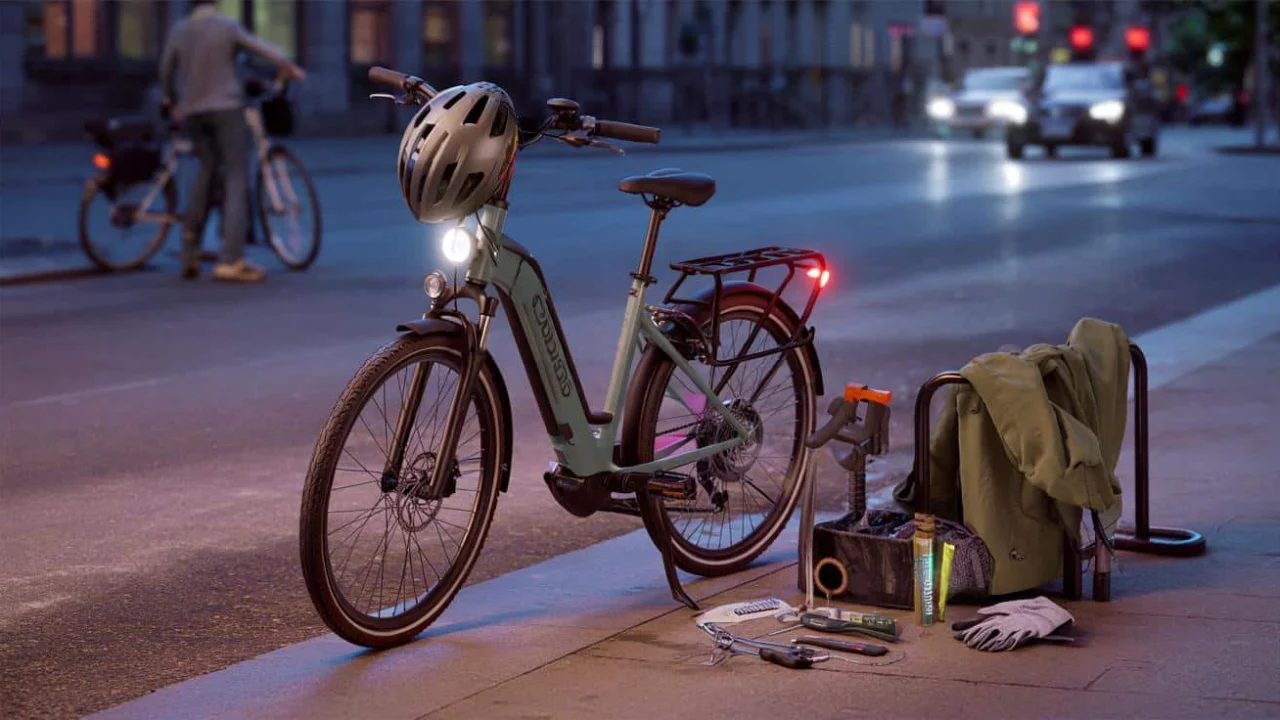
Picture this: you’re standing in your apartment hallway, staring at your brand-new electric bike with the same pride you’d feel looking at a newborn baby. The sleek frame catches the light just right, the battery is fully charged, and you can already imagine zipping past traffic jams while everyone else sits stuck in their cars. That was me three years ago, absolutely convinced I’d figured out the perfect solution to city commuting.

Fast forward to last Tuesday. I’m wheeling that same bike out of my building, and I had to laugh at my younger, more naive self. The bike that once looked so pristine now carries battle scars: scratches from countless lock-ups, a slightly faded seat from UV exposure, and most telling of all, about $800 worth of electric bike accessories that I never knew I’d need.
Nobody tells you when you buy an e-bike that you’re not just buying transportation. You’re buying into an entire ecosystem of gear that you’ll discover one uncomfortable, expensive lesson at a time.
The harsh reality of daily e-bike life
My first wake-up call came during a November evening commute. The factory-installed LED light that seemed perfectly adequate in the bike shop was now struggling to illuminate more than a few feet of wet pavement. Cars were honking at me, I couldn’t see the massive pothole that nearly sent me flying, and my fingers were so numb I could barely grip the handlebars.
That night changed everything. I realized that buying an electric bike without proper accessories is like buying a smartphone and refusing to get a case or charger. Technically functional, but you’re setting yourself up for disaster.

The next harsh lesson came courtesy of a grocery store thief. I emerged from a quick shopping trip to find my front light missing – someone had simply unclipped it and walked away with my $60 safety device. A week later, a colleague’s entire $3,000 electric bike disappeared from a busy street corner, defeated by what he described as “a lock that looked more decorative than functional.”
“Most new e-bike owners focus entirely on the bike specs and forget that accessories can make or break the entire riding experience,” says Mike Chen, a bike shop owner with 15 years of experience. “I see people spend $2,500 on a bike and then balk at spending $200 on the gear that’ll actually keep them safe and comfortable.”

Essential accessories every e-bike owner desperately needs
After three years of trial, error, and unexpected purchases, here’s the gear I wish someone had told me about from day one:
| Accessory Type | Why You Need It | Price Range | Priority Level |
|---|---|---|---|
| High-quality lock system | E-bikes are premium theft targets | $80-$200 | Critical |
| Powerful front/rear lights | Factory lights are inadequate for safety | $60-$150 | Critical |
| Weather protection gear | Rain and wind make riding miserable | $40-$120 | High |
| Cargo solutions | Backpacks cause sweat and fatigue | $30-$180 | High |
| Spare battery or charger | Range anxiety is real | $100-$400 | Medium |
| Basic repair kit | Flat tires don’t wait for convenient timing | $25-$75 | Medium |
The security situation deserves special attention. Electric bikes are attractive targets because they’re expensive, valuable, and often owned by people who haven’t yet learned street-smart locking techniques.

- Invest in a U-lock rated for motorcycles, not bicycles
- Always lock both wheels and the frame to an immovable object
- Remove or secure any quick-release components
- Consider GPS tracking devices for high-end models
- Never rely on cable locks as your primary security
Lighting is another area where the factory equipment falls dangerously short. Most e-bikes come with lights designed to meet minimum legal requirements, not real-world safety needs.
- Front lights should produce at least 800 lumens for city riding
- Rear lights need to be visible from 500+ feet in daylight
- Consider rechargeable options to avoid battery costs
- Backup lights save you when your main light fails
“The biggest mistake I see is people treating their e-bike like a regular bicycle when it comes to accessories,” explains Sarah Martinez, a commuter cycling advocate. “These bikes are faster, heavier, and more expensive. Every accessory decision should reflect that reality.”
How these overlooked costs add up fast
Here’s what nobody mentions when you’re browsing e-bikes online: the accessories can easily cost 25-40% of your bike’s purchase price. My $2,200 bike now carries nearly $900 worth of additional gear, and I consider every penny essential.
The financial impact hits different people in different ways. Commuters who ride year-round in all weather conditions will spend more on protective gear. Urban riders in high-theft areas invest heavily in security. Long-distance riders focus on comfort and backup power solutions.
But the real cost isn’t just financial – it’s the learning curve. Each accessory purchase typically comes after an uncomfortable or dangerous experience that could have been avoided with better preparation.
Weather protection became my priority after getting caught in a sudden downpour that left me soaked, shivering, and questioning my life choices. Quality rain gear transforms those experiences from miserable to merely inconvenient.
Cargo solutions matter more than most people realize. Riding with a heavy backpack defeats much of the comfort advantage that draws people to e-bikes in the first place. Panniers, front baskets, or rear racks distribute weight properly and keep you from arriving at your destination covered in sweat.
“The accessories aren’t add-ons,” says Jennifer Walsh, who’s commuted by e-bike for five years. “They’re the difference between someone who rides occasionally on perfect days and someone who depends on their bike for daily transportation.”
The maintenance aspect catches many people off-guard too. Electric bikes require the same basic upkeep as regular bikes, but the stakes feel higher when your $2,500 investment gets a flat tire in the rain. A basic toolkit with tire levers, patches, and a portable pump costs less than one emergency repair shop visit.
Range anxiety is real, especially for riders who push the limits of their battery capacity. A spare charger for the office or a backup battery pack provides peace of mind that’s worth far more than the purchase price.
Looking back, I wish someone had shown me the full picture before I bought my first electric bike. Not to discourage the purchase, but to help me budget and prepare properly. The bike itself was just the beginning of the journey, not the complete solution I thought I was buying.
FAQs
How much should I budget for electric bike accessories on top of the bike price?
Plan to spend 25-40% of your bike’s cost on essential accessories, with security and lighting being non-negotiable priorities.
What’s the most important accessory for a new e-bike owner?
A high-quality lock system is critical since e-bikes are premium theft targets, followed closely by proper lighting for safety.
Do I really need weather protection gear if I only ride in good weather?
Weather can change unexpectedly, and having basic rain protection prevents one bad experience from ruining your confidence in bike commuting.
Are expensive accessories worth it, or can I start with budget options?
Invest heavily in security and safety items (locks, lights) but you can start with budget options for comfort accessories and upgrade over time.
How do I know which accessories I actually need versus nice-to-have items?
Focus on safety, security, and weather protection first, then add comfort and convenience items based on your actual riding patterns.
Should I buy all accessories at once or gradually add them?
Get essential safety and security gear immediately, then add other accessories as you discover your specific needs through regular riding.
About the Author