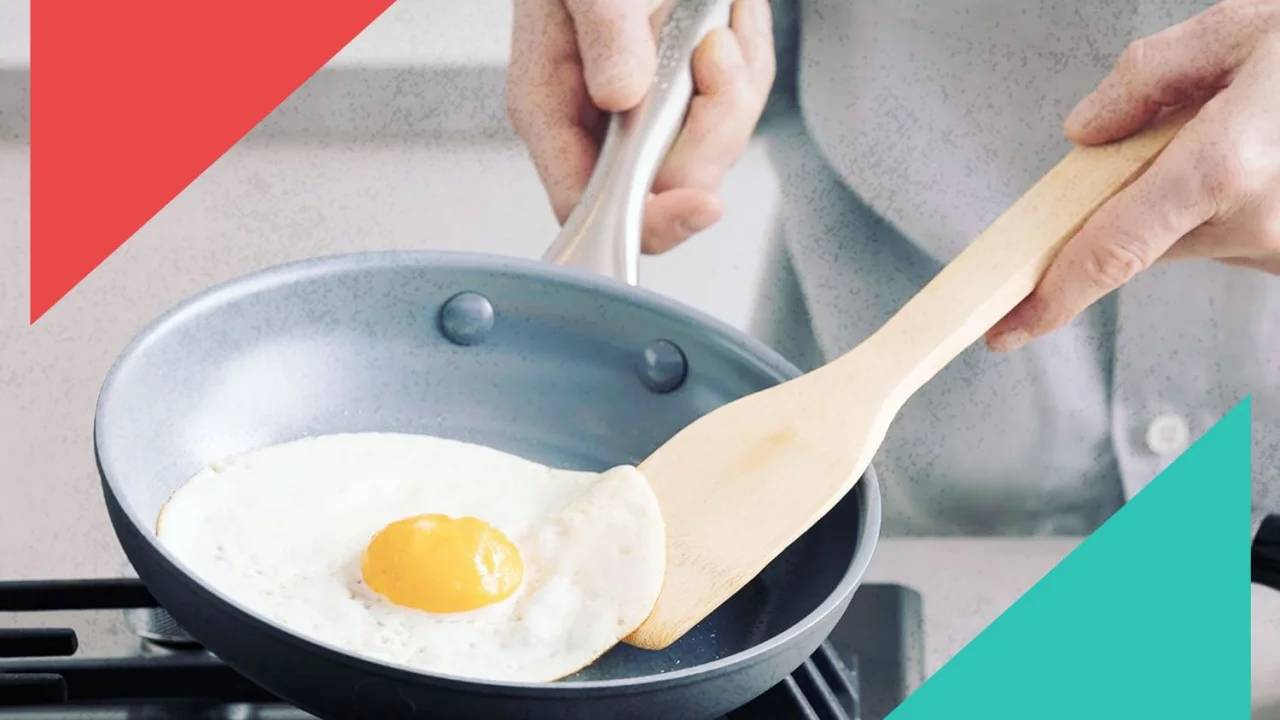
Last month, my friend Sarah proudly showed me her brand-new $300 ceramic cookware set, gleaming on her kitchen counter like precious jewels. Two weeks later, I found her scrambling eggs in the same old scratched-up pan she’d been using for years. “The new ones are too pretty to use,” she confessed sheepishly. “I’m scared I’ll ruin them.”

Sound familiar? We’ve all fallen into the trap of believing that expensive kitchen products will somehow transform us into culinary masters overnight. But here’s the truth: your cooking skills won’t magically improve just because you dropped serious cash on the latest trending gadget.
As we head into 2026, it’s time to get smart about our kitchen spending. The market is flooded with overpriced tools that promise the world but deliver little more than buyer’s remorse and cluttered cabinets.
Why Kitchen Product Marketing Has Gone Too Far
The kitchen product industry has mastered the art of making us feel inadequate with our current tools. Social media influencers showcase gleaming copper pots and professional-grade stand mixers, creating an unrealistic standard for home cooking. But professional chefs will tell you that technique matters far more than the price tag on your equipment.
“I’ve seen home cooks spend thousands on high-end kitchen products, then struggle to make a simple omelet,” says culinary instructor Maria Rodriguez. “The best investment you can make is learning proper techniques, not buying the most expensive tools.”
The real problem isn’t that we don’t have good enough equipment—it’s that we’ve been conditioned to believe that expensive automatically means better. This mindset has led to kitchen cabinets stuffed with unused gadgets and bank accounts drained by impulse purchases.
Smart Kitchen Products Worth Your Money (And What to Skip)
Not all budget-friendly kitchen products are created equal, and not all expensive ones are worth the investment. Here’s your guide to making smarter choices without sacrificing quality or performance.
| Category | Buy This | Skip This | Why |
|---|---|---|---|
| Cookware | Lodge cast iron ($30-50) | Le Creuset Dutch oven ($300+) | Same heat retention and durability |
| Mixing | Hand mixer ($25-60) | KitchenAid stand mixer ($200+) | Most home bakers don’t need the power |
| Knives | Victorinox chef’s knife ($40) | High-end knife sets ($500+) | Professional-quality at fraction of cost |
| Bakeware | Nordic Ware pans ($15-30) | Designer baking sets ($200+) | Even heating without premium price |
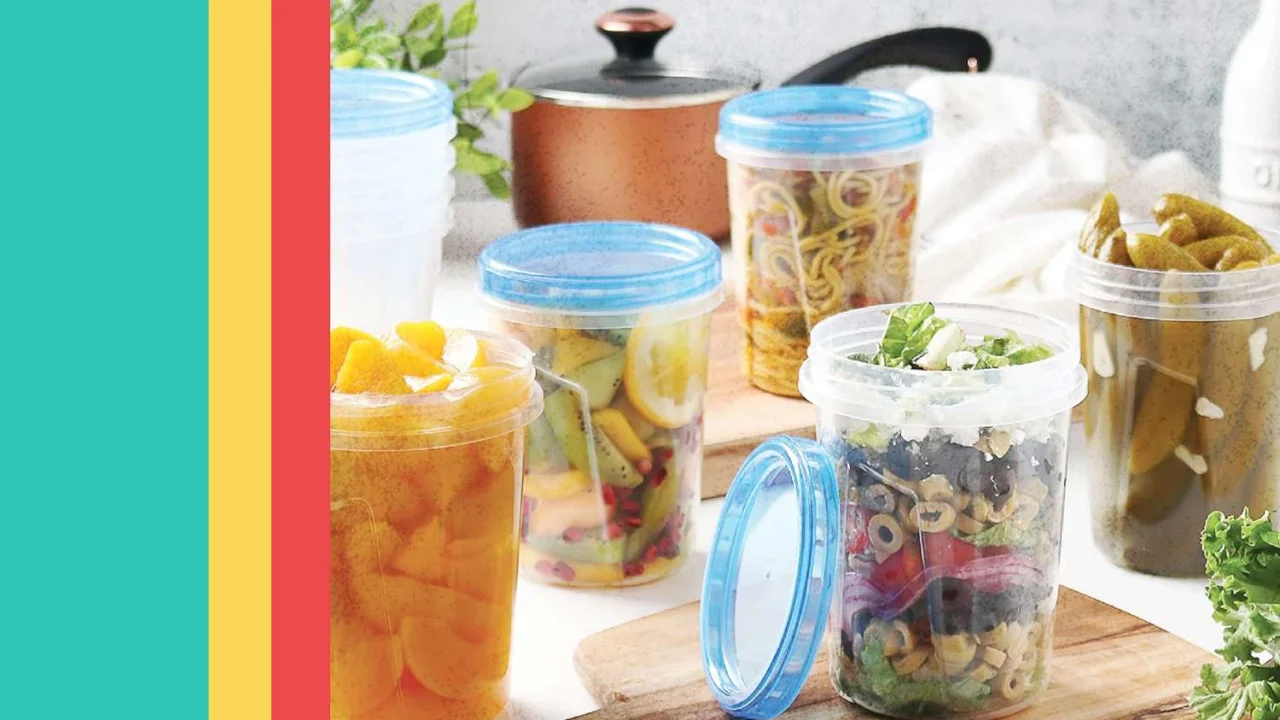
| Storage | Glass containers ($20-40 set) | Specialty storage systems ($100+) | Versatile and see-through design |
Smart Purchases That Actually Save Money:
- Quality basic knives: One sharp chef’s knife beats a dull expensive set every time
- Cast iron skillets: They last generations and improve with age
- Glass mixing bowls: Heat-resistant, microwave-safe, and stackable
- Digital instant-read thermometer: Prevents overcooking expensive proteins
- Silicone spatulas: Heat-resistant and flexible for all cooking needs
Overpriced Products to Avoid:
- Specialty single-use gadgets: Avocado slicers, banana cutters, and similar novelties
- Expensive non-stick cookware: The coating wears out regardless of price
- Premium kitchen scales: Basic digital models work just as accurately
- Designer cutting boards: A good wooden or plastic board does the same job
- High-end blenders for casual use: Unless you’re making smoothies daily
“The biggest mistake I see people make is buying specialized tools for techniques they haven’t mastered with basic equipment,” notes cookbook author James Mitchell. “Master your fundamentals first, then upgrade strategically.”
The Real Impact of Smart Kitchen Shopping
Making thoughtful choices about kitchen products affects more than just your wallet. When you choose quality basics over trendy gadgets, you’re investing in tools that will actually improve your cooking experience.
Consider the environmental impact too. Cheap gadgets that break quickly end up in landfills, while well-made basics can last decades. A $40 cast iron skillet can outlive several generations of non-stick pans, making it both economical and environmentally responsible.
Your kitchen space benefits as well. Instead of cramming drawers with single-purpose tools, you’ll have room for the essentials that you actually use. This makes cooking more enjoyable and efficient.
“When clients focus on versatile, quality basics instead of collecting gadgets, their confidence in the kitchen grows dramatically,” explains kitchen organization expert Lisa Chen. “They spend more time cooking and less time searching through cluttered drawers.”
The financial freedom is perhaps the most significant benefit. The money you save by avoiding overpriced kitchen products can go toward higher-quality ingredients, cooking classes, or other life priorities. Many home cooks report feeling less stressed about cooking when they’re not worried about justifying expensive equipment purchases.
This shift in mindset also affects how you approach cooking. When you’re not distracted by the latest gadget, you focus on technique and flavor development. Your meals improve naturally because you’re concentrating on the fundamentals rather than relying on equipment to do the work.
Remember, some of the world’s best home cooks work with basic equipment that cost less than a single high-end appliance. Their secret isn’t in their tools—it’s in their understanding of ingredients, techniques, and flavors. That knowledge can’t be purchased, but it can be developed with practice and the right basic tools.
FAQs
Are expensive kitchen products ever worth the investment?
Yes, but only if you’ll use them frequently and have mastered basic techniques first. A professional-grade tool in untrained hands won’t produce better results than a basic one.
How can I tell if a budget kitchen product is good quality?
Look for products with solid construction, good reviews from actual users, and warranties. Avoid items that feel flimsy or have too many moving parts that could break.
What’s the biggest waste of money in kitchen products?
Single-use gadgets and trendy appliances that you’ll rarely use. Stick to versatile tools that can handle multiple tasks and techniques.
Should I replace all my expensive kitchen products with cheaper alternatives?
Only replace items that aren’t working well or that you rarely use. If your expensive tools perform well and you use them regularly, keep them.
How much should I budget for essential kitchen products?
A complete set of quality basics (knife, cutting board, pans, mixing bowls, measuring tools) can cost under $200 if you shop smart and avoid brand markup.
What’s the best way to resist kitchen product marketing?
Before buying anything, ask yourself: “What technique will this help me master?” and “How often will I realistically use this?” Most impulse purchases fail both tests.
About the Author