
Maria Gonzalez felt the crack before she saw it. Walking to her corner store in Mexico City one morning, her foot caught on a ridge that wasn’t there the week before. The sidewalk had shifted, creating a jagged line that ran straight through what used to be smooth concrete. Her neighbor was already outside, shaking his head at the new gap between his front steps and the street.
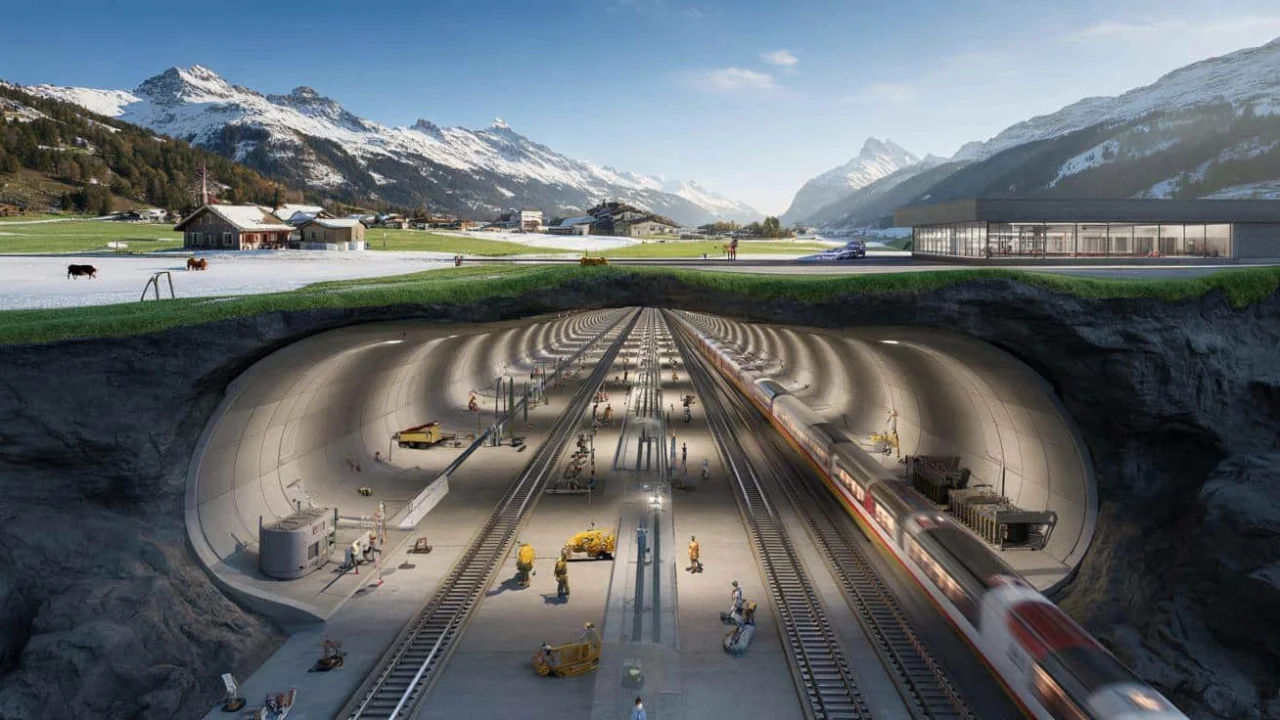
“It’s happening again,” he muttered, the same words spoken in dozens of languages across sinking megacities worldwide. From Jakarta’s flooding neighborhoods to Shanghai’s tilting buildings, millions of people wake up to find their solid ground isn’t so solid anymore.
Now engineers claim they’ve found a solution that sounds almost too simple: pump water back into the empty spaces we’ve hollowed out beneath our cities. But this fix comes with questions that run as deep as the problem itself.

The Underground Battle Against City Sinking
City sinking happens when we remove what’s holding up the ground. For decades, urban centers have pumped groundwater from underground aquifers and extracted oil and gas from deep reservoirs. When these fluids disappear, the rock and soil layers above compress and settle, causing the surface to drop.
“We’ve essentially been deflating the cushions that support our cities,” explains Dr. James Peterson, a geotechnical engineer who has studied subsidence in six countries. “Water injection is like trying to re-inflate them, but the process isn’t reversible in the way people hope.”
The numbers tell a sobering story. Jakarta sinks up to 25 centimeters annually in some districts. Mexico City has dropped more than 9 meters since the early 1900s. Parts of the San Joaquin Valley in California have sunk 8.5 meters due to groundwater pumping.
City sinking water injection projects are now underway in several locations, with engineers pumping treated water, seawater, or even carbon dioxide into depleted underground reservoirs. The goal is to restore pressure and potentially lift the ground back up.

How Water Injection Works and Where It’s Happening
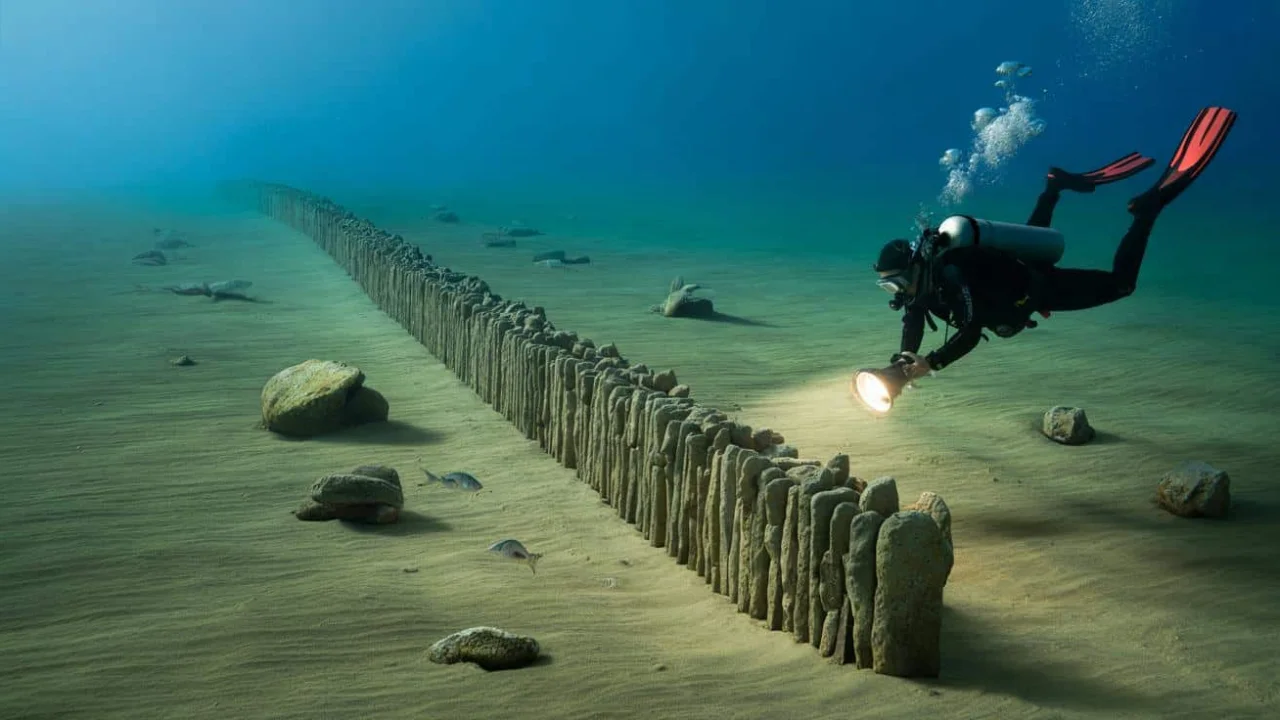
The process sounds straightforward but requires precision engineering. Teams identify suitable underground formations, typically old oil or gas fields with known geology. They then drill injection wells and pump water under controlled pressure.
| Location | Injection Type | Target Depth | Expected Results |
|---|---|---|---|
| Long Beach, California | Treated wastewater | 1,500-3,000 feet | Halt subsidence |
| Wilmington, California | Seawater/freshwater | 2,000-4,000 feet | Reverse 1-2 meters of sinking |
| Rotterdam, Netherlands | Surface water | 800-1,200 feet | Stabilize ground level |
| Groningen, Netherlands | Industrial wastewater | 1,000-2,000 feet | Prevent further sinking |
Key factors that determine success include:
- Rock porosity and permeability in target formations
- Pressure monitoring to avoid induced seismic activity
- Water quality management to prevent contamination
- Precise injection rates to control ground movement
- Long-term maintenance and monitoring systems
“The early results from Long Beach have been promising,” notes Dr. Sarah Chen, a hydrogeologist working on subsidence reversal. “But we’re essentially conducting a massive experiment with geological timescales.”
The Risks That Keep Engineers Awake at Night
Success stories grab headlines, but the potential downsides of city sinking water injection make some experts nervous. Pumping large volumes of water underground can trigger unexpected consequences.
Induced seismicity ranks among the top concerns. When injection pressure builds too quickly or targets unstable formations, it can lubricate existing fault lines and cause earthquakes. Oklahoma experienced a dramatic increase in seismic activity after widespread wastewater injection from oil and gas operations.
Groundwater contamination presents another risk. If injection water contains pollutants or if the process mobilizes existing contaminants, it could affect drinking water supplies for millions of people.
“We’re playing with forces that took millions of years to establish,” warns Dr. Michael Torres, who studies injection-induced seismicity. “The margin for error is smaller than most people realize.”
Ground instability also concerns engineers. Rapid or uneven injection can cause differential settling, where some areas rise while others remain stable. This creates stress on buildings, pipelines, and infrastructure.
The financial commitment is staggering. Successful programs require decades of continuous operation, with costs running into hundreds of millions of dollars. If injection stops, subsidence typically resumes.
Environmental impacts extend beyond the immediate injection sites. Large-scale water sourcing for injection can strain surface water supplies or require energy-intensive treatment processes.
Political and regulatory challenges add another layer of complexity. Projects cross multiple jurisdictions and require coordination between city planners, environmental agencies, and private companies.
“The technology works, but the implementation challenges are enormous,” explains Dr. Chen. “Success requires sustained commitment across multiple decades and political cycles.”
Some cities are exploring alternative approaches. Tokyo reduced subsidence by strictly regulating groundwater pumping. Venice is testing moveable flood barriers rather than trying to raise the city. Singapore focuses on comprehensive water recycling to reduce aquifer dependence.
The debate ultimately centers on whether city sinking water injection represents genuine problem-solving or an expensive way to avoid addressing root causes. Critics argue that continued urban growth and resource extraction will overwhelm any injection program.
Supporters counter that millions of people can’t simply abandon sinking cities, making injection programs necessary emergency measures while longer-term solutions develop.
The answer likely varies by location, with each city facing unique geological, financial, and political constraints. What remains clear is that doing nothing guarantees continued sinking, while injection programs offer hope tempered by significant uncertainty.
FAQs
How fast do cities actually sink?
Rates vary dramatically, from a few millimeters per year in some areas to over 25 centimeters annually in the worst-affected districts of Jakarta and Mexico City.
Can water injection completely reverse city sinking?
Limited reversal is possible in some geological conditions, but most projects aim to halt further subsidence rather than restore original ground levels.
Does water injection cause earthquakes?
It can trigger seismic activity if done improperly, but careful pressure monitoring and injection rate control can minimize earthquake risks.
How much does a city-wide injection program cost?
Costs typically range from hundreds of millions to several billion dollars over the 20-30 year lifespan of a comprehensive program.
Which cities have had the most success with water injection?
Long Beach, California shows the longest track record of success, while newer programs in the Netherlands and other locations are still proving their effectiveness.
What happens if injection programs are stopped?
Subsidence typically resumes at rates similar to or faster than before injection began, making these programs long-term commitments rather than permanent fixes.
About the Author