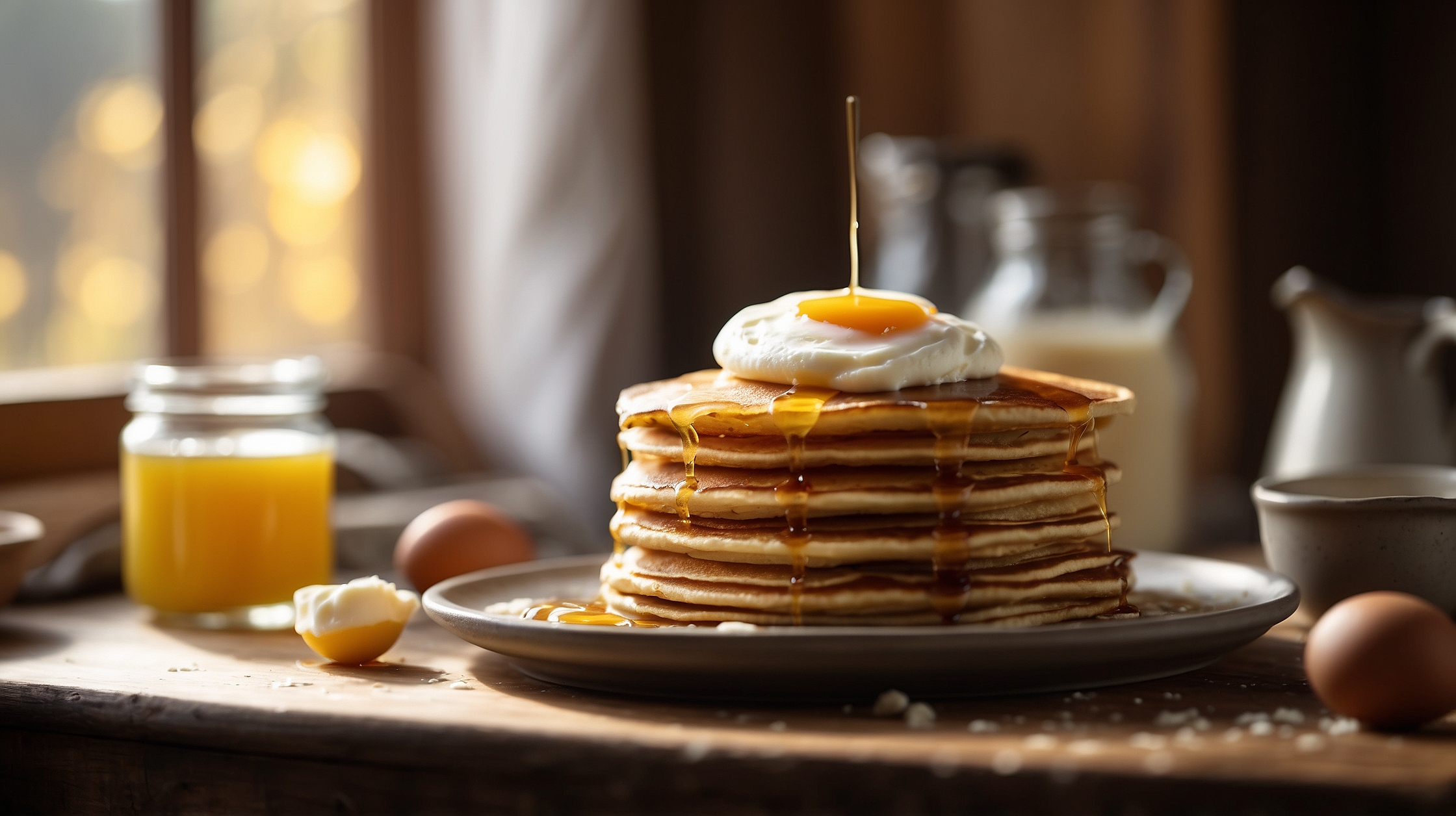

There’s something undeniably comforting about a plate of golden, fluffy pancakes fresh off the griddle. Whether drenched in maple syrup, topped with fresh berries, or served with a slab of butter, pancakes have cemented their place as a breakfast staple in households around the world. But achieving that perfect fluffiness — the airy bite that feels light but still satisfying — can be elusive for home cooks. Many Americans rely on store-bought mixes or diner visits to find that dreamy texture. However, the secret to fluffy pancakes isn’t a mystery at all. In fact, it’s a simple change to your mixing technique that can make all the difference.

Good old-fashioned pancakes made from scratch, without shortcuts or artificial ingredients, have been a cherished weekend ritual for generations. Their simplicity is part of their charm — flour, eggs, milk, baking powder, and a touch of sugar. Yet, despite this minimalism, how you handle the batter can make or break the outcome. It turns out, one small but significant step can elevate your pancakes from flat and chewy to light and lofty. Whether you’re a novice cook or a brunch aficionado, incorporating this technique into your routine will change your pancake game forever.
Overview of the perfect pancakes
| Recipe Name | Good Old-Fashioned Pancakes |
| Main Ingredients | All-purpose flour, eggs, milk, baking powder, sugar, salt, butter |
| Key Technique | Separating and whipping egg whites |
| Purpose of Technique | Incorporate air for fluffier pancakes |
| Estimated Cook Time | 20-25 minutes |
| Serving Size | 4–6 people |
| Best Served With | Maple syrup, whipped butter, fresh fruit |
The one simple step that makes all the difference
The transformative secret for ultra-fluffy pancakes is separating your eggs and whipping the egg whites before folding them into the batter. At first glance, this method may seem unnecessarily complicated, especially for a casual breakfast. But this tiny act of culinary effort yields outsized results. The science is simple: beaten egg whites trap air, which then expands when cooked, giving your pancakes that signature rise and springy bite.
To do this, start by cracking your eggs and carefully separating the yolks from the whites. Add the yolks into your wet ingredients like milk and melted butter. Meanwhile, place the whites in a separate clean bowl and use a hand mixer (or a sturdy whisk and some patience) to beat them until soft peaks form. Once your other ingredients have been mixed and your batter is ready, gently fold in the egg whites. Be cautious not to overmix — a gentle folding motion is key to retain the air you’ve just worked so hard to introduce.
Why traditional methods still hold up
Many modern pancake recipes add ingredients like yogurt, ricotta, or even cake flour to mimic restaurant-style fluff. But traditional recipes, especially when enhanced by careful technique, prove that fewer ingredients often lead to superior results. Instead of altering the flavor profile or adding complexity, optimizing a single step — such as folding in beaten egg whites — respects the heritage of the classic pancake while improving its texture dramatically.
This approach isn’t just about chemistry, it’s also about control. Pre-made pancake mixes rely on standardized chemical leaveners and stabilizers, which can result in dense, rubbery pancakes if overmixed. By adopting a hands-on technique rooted in classic culinary practices, you ensure a better result with a cleaner ingredient list. It’s an old-school trick often overlooked — and it delivers every time.
Step-by-step method for the fluffiest pancakes
To make these game-changing pancakes from scratch, follow this straightforward recipe that prioritizes technique over shortcuts.
Ingredients
- 1½ cups all-purpose flour
- 3½ teaspoons baking powder
- 1 tablespoon white sugar
- 1 teaspoon salt
- 1¼ cups milk
- 1 egg (separate yolk and white)
- 3 tablespoons melted butter
- 1 teaspoon vanilla extract (optional)
Instructions
- In a large bowl, sift together the flour, baking powder, sugar, and salt.
- In another bowl, mix together the milk, egg yolk, and melted butter. Add vanilla extract if using.
- Add the wet ingredients to the dry and combine just until the lumps are gone. Don’t overmix.
- In a clean bowl, beat the egg white until soft peaks form.
- Gently fold the beaten egg white into the batter using a spatula, preserving as much volume as possible.
- Heat a skillet or griddle over medium heat, and lightly grease with butter or oil.
- Pour ¼ cup of batter per pancake onto the surface. Cook until bubbles form on the surface and edges look dry, about 2–3 minutes. Flip and cook another 1–2 minutes until golden brown.
- Serve warm with your preferred toppings.
“Separating and whipping the egg whites adds lift and moisture to pancakes like nothing else. It’s a classic French method adapted beautifully for breakfast.”
— Lisa Ramirez, Culinary Arts Instructor
Popular enhancements you can try
While the basic version of this pancake recipe is universally appealing, it also acts as a versatile base for experimentation. A handful of blueberries, chocolate chips, or chopped bananas added after pouring the batter into the pan can impart natural sweetness and variety. For even more indulgence, consider sandwiching cream cheese or Nutella between two pancakes or adding a dash of cinnamon or lemon zest directly to the batter.
The difference you can taste
Once you’ve had a hot stack made with purposefully aerated batter, it’s tough to go back. The contrast in mouthfeel, color, and height is unmistakable — fluffier, lighter, but still satisfying. Beyond taste, there’s a sense of nostalgia that comes with every bite of homemade pancakes made with authentic methods and real ingredients. They’re a throwback to simpler times, made even better with modern culinary insight.
“There’s no need for fancy ingredients when you master the mechanics. Technique is everything in pancake-making.”
— Michael Chow, Executive Brunch Chef (Placeholder)
Healthier twists that keep the fluff
For those watching their intake, this recipe can be adapted for a healthier version without compromising texture. Swap out half the all-purpose flour for whole wheat, or use oat flour for a gluten-friendly variant. Replace whole milk with almond or oat milk, and consider using a sugar substitute or leaving the sugar out entirely. Even in its lightened form, the whipped egg whites still create that coveted fluffiness, so you won’t be missing out in texture or satisfaction.
FAQs about making fluffy pancakes
What makes pancakes fluffy?
Air incorporated into the batter, especially from whipped egg whites, is the key. It expands during cooking, giving pancakes height and a tender crumb.
Can I skip separating the eggs?
You can, but you’ll miss out on the extra fluff. Whipped egg whites make a noticeable texture difference.
Do I need an electric mixer to whip egg whites?
No, but it helps. You can also use a whisk and some elbow grease. It takes about 3–5 minutes by hand to achieve soft peaks.
How do I know when to flip the pancake?
When bubbles form on the surface and the edges begin to look dry and set — typically after 2–3 minutes of cooking.
What’s the best flour for pancakes?
All-purpose flour is ideal for most recipes. For lighter options, mix in some cake flour or whole wheat as desired.
Is baking soda or baking powder better?
Use baking powder for pancakes unless your recipe includes something acidic like buttermilk. It offers sufficient lift on its own.
Can I freeze leftover pancakes?
Yes, stack cooked pancakes with parchment paper between each, then freeze in a sealed bag. Reheat in a toaster or skillet.
How do I keep pancakes warm before serving?
Place them in a single layer on a baking sheet in a 200°F oven while you finish cooking the rest.
About the Author