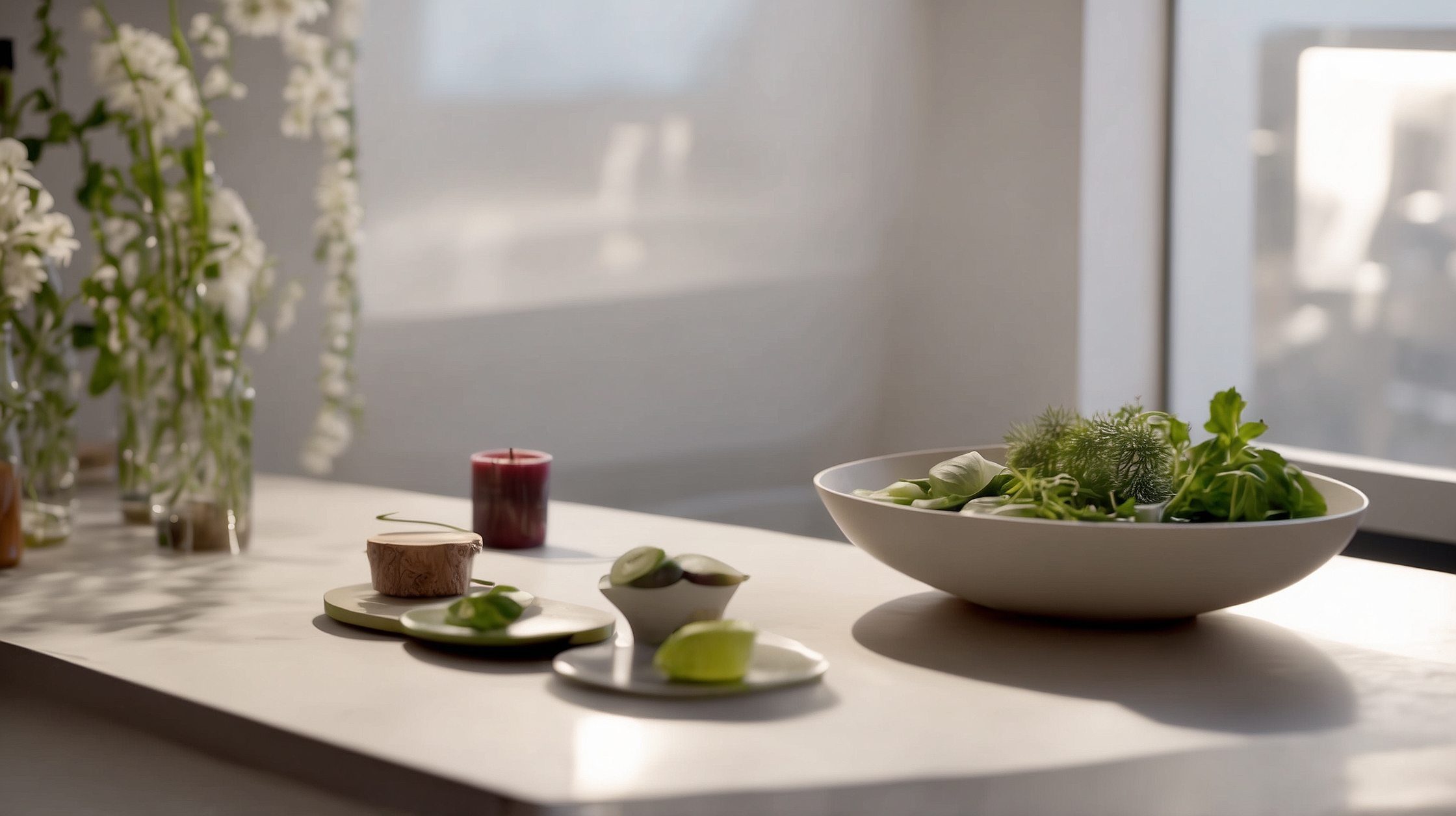

For decades, the **kitchen island** has reigned supreme in interior design, becoming almost a prerequisite for modern kitchens. But as we approach 2026, a surprising shift is taking place. Designers and homeowners alike are bidding farewell to bulky, monolithic islands in favor of a more minimalist, dynamic solution: the sleek work table. Simple, open, and versatile, these reimagined prep stations are bringing elegance and functionality back to the heart of the home.

This evolution in kitchen design is not just about aesthetics — it’s a response to how people are now using and experiencing their cooking spaces. With a growing focus on flexibility, social interaction, and efficiency, designers are rethinking the form and function of kitchen centerpieces. Work tables, which once played a supporting role, are now the main attraction, blending seamlessly into both modernist apartments and classic-style homes. So what’s behind this transition, and what should homeowners know before they swap out their islands?
Kitchen work tables vs. traditional islands: what’s different?
| Feature | Traditional Kitchen Island | Modern Work Table |
|---|---|---|
| Design | Chunky, built-in fixture | Light, open, and movable |
| Storage | Often includes cabinets and appliances | Minimal or exposed shelving |
| Mobility | Permanent installation | Portable or semi-permanent |
| Cost | High due to cabinetry and integration | Lower, depending on material |
| Style flexibility | Fixed look | Mix of styles and textures |
What changed this year
Several trends have converged to spark this shift in kitchen design priorities. First, there’s the growing prominence of **open-concept living** — spaces that serve multiple purposes and demand flexibility. As more kitchens flow directly into living and dining areas, oversized islands can feel visually heavy, even obstructive. Homeowners want breathing room, and work tables offer just that.

Another contributor is the cultural pivot toward **sustainability and simplicity**. With minimalist design principles gaining traction, work tables reflect a lighter environmental footprint. They’re often made of reclaimed wood, stainless steel, or artisan-crafted materials, and can be reused, reshaped, or relocated with ease. Their aesthetic is less about mass and symmetry, more about organic form and lightweight beauty.
How functions are redefining form
Picking function over form is nothing new in design, but 2026 kitchens are exhibiting a more refined take on multi-use functionality. Today’s work tables often double as dining spots, baking stations, or laptop counters. Their **open undersides** leave room for stools or kitchen carts, and many come with optional accessories like casters, drawer inserts, and hanging rails.

The idea is to invite movement and multi-directional use. Unlike a traditional island, which is often centered and surrounded by walls or cabinets, work tables feel **approachable from any angle**. This makes for more social cooking experiences and easier meal prep collaboration. Plus, they can be easily moved aside for events or cleaning — something a fixed island can’t match.
“Work tables express flexibility in both function and style. We’re seeing clients use them for everything from charcuterie prep to Zoom calls. The days of bulky kitchen centerpieces are fading.”
— Lila Martin, Interior DesignerAlso Read Turning up the thermostat but still cold? Experts explain what’s really going on
Design styles embracing the shift
Certain design aesthetics are naturally more aligned with work tables than others. **Scandinavian, Japandi (Japanese + Scandinavian), industrial, and farmhouse styles** have adapted especially well to the shift. These styles emphasize lightness, tactile materials, and fluidity — all characteristics that work tables naturally enhance.
In high-end homes, designers are also integrating **custom-made tables** crafted from marble, brass, stained oak, and even sustainable composites. Often these include subtle inlays or hidden add-ons like knife drawers or pop-up power outlets. Rustic tables are also resurfacing, echoing the humble workbenches found in early 20th-century kitchens while offering modern-day practicality.
“There’s something deeply nostalgic about a kitchen table. It’s where everything started — from morning coffee to family recipes. We’re just bringing that idea back, with a modern finish.”
— Javier Chen, Architect & Renovation Specialist
Pros and cons of swapping your island
| Winners | Why |
|---|---|
| Minimalist homeowners | Enjoy clean lines, airy feel, and open plan living compatibility |
| Apartment dwellers | Benefit from space-saving and mobility |
| Entertainers | More room for dynamic hosting and interactive dining |
| Eco-conscious renovators | Options for reclaimed materials and sustainability |
| Losers | Why |
|---|---|
| Large families needing heavy storage | May miss the cabinets and appliance space an island offers |
| Tech-integrated kitchens | Work tables may not support built-in screens or charging docks |
Common materials and finishes in 2026 work tables
The new breed of kitchen work table blends utility with artistry. Popular materials include:
- Reclaimed wood: Offers age, character, and sustainability
- Stainless steel: Hygienic and industrial-chic for ambitious cooks
- Quartz or composite tops: Durable and stain-resistant
- Concrete blends: Adds raw texture to modern spaces
- Mixed metal frames: Such as brass, iron, or matte black finishes
Can work tables meet modern storage needs?
For homeowners worried about storage loss, designers are compensating with **clever adjacent elements**. These can include:
- Pantry-style cabinetry along nearby walls
- Rolling carts tucked beneath open tables
- Floating shelves and hanging racks for tools
That said, if your kitchen depends heavily on your current island for appliance or deep drawer space, transitioning to a minimalist work table may require a **broader redesign** to redistribute those functions elsewhere.
Future-proofing your kitchen investment
Interior upgrades can be both exciting and intimidating. If you’re considering ditching your bulky island to stay ahead of design trends, balance aesthetics with **long-term practicality**. Modular and customizable work tables give you room to evolve. Think extension leaves, end-storage modules, or hybrid tables with one side built in, and the other open.
“Design trends change, but the need for adaptive living spaces only grows. Kitchen work tables help future-proof the home with elegance and efficiency.”
— Naomi Sinclair, Kitchen Innovation Consultant
FAQs: Work tables vs. kitchen islands
Are work tables more affordable than kitchen islands?
Generally, yes. Work tables involve fewer built-ins and materials, making them more budget-friendly depending on your selected finishes and custom features.
Can I add appliances to a work table?
Most work tables do not support built-in appliances. However, some designers incorporate mobile appliance stations or adjacent plugin areas to bridge the gap.
Do work tables reduce resale value?
Not necessarily. The current trend favors open and adaptive designs, and buyers increasingly appreciate multifunctional layouts, especially in urban homes.
What size should a work table be?
It depends on your space. Standard lengths range from 4–7 feet, with enough clearance on all sides for walking and working comfortably.
Are marble or stone work tables durable?
Yes, stone surfaces like quartz and marble add both beauty and durability. Just ensure proper sealing and maintenance to avoid stains or etching.
Is lighting different for work tables?
Not necessarily, but pendant lighting or small chandeliers work well to define the workspace and add ambiance without overwhelming it.
About the Author
