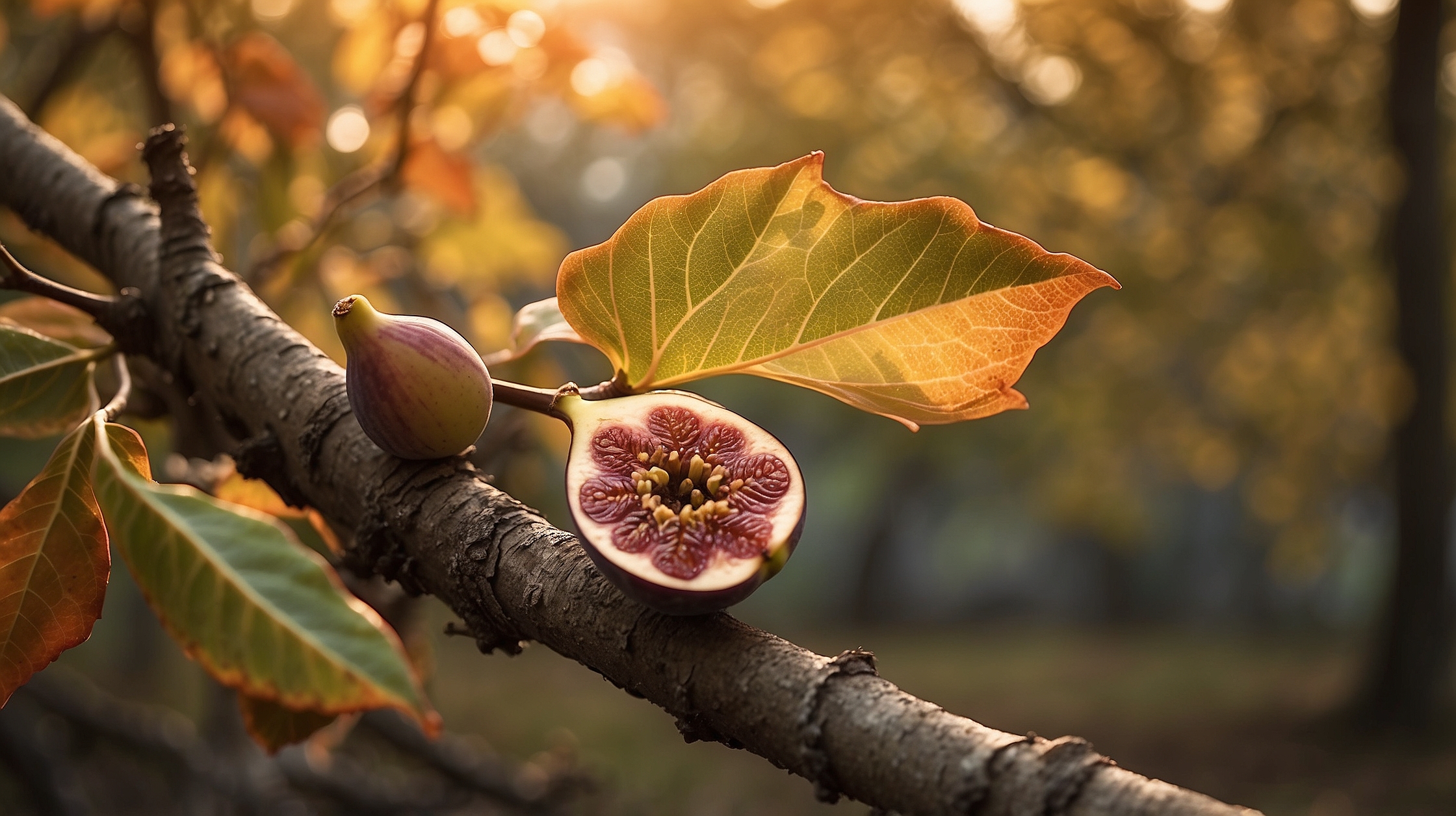

October marks a unique moment in the gardening calendar—especially for those interested in propagating fruit trees. While many see it as the season of winding down, savvy gardeners know it’s also the ideal time to take cuttings from fig trees. Unlike spring or summer, fall offers cooler temperatures and less stressful conditions for new plant material to establish itself. If you’ve ever wanted to expand your fig tree collection or share a beloved heirloom variety with friends, now is the perfect time to learn how.

Propagating fig trees through cuttings in October can yield excellent results, especially when done correctly. The tree begins transitioning into dormancy, allowing cuttings a longer period to develop roots slowly without the pressure of supporting full foliage. Whether you’re a backyard gardener or a budding horticulturist, mastering this propagation technique offers a rewarding and economical way to cultivate fig trees.
Fig tree cutting basics at a glance
| Best Time for Cuttings | October |
| Ideal Cutting Length | 6–10 inches |
| Branch Thickness | About the diameter of a pencil |
| Rooting Time | 4–8 weeks |
| Rooting Method | In soil or water |
| Common Varieties | Black Mission, Brown Turkey, Celeste |
| Success Tip | Use sharp pruners and label each cutting |
Why October is the most favorable time for fig tree cuttings
Most people associate propagation with the springtime rush of growth, but deciduous trees like figs benefit from fall cuttings for a few essential reasons. First, the tree’s energy is no longer focused on fruit production. As sap slows and leaves begin to fall, fig branches prepare for dormancy, making cuttings less taxing on the parent plant.

Additionally, October’s daytime temperatures are cool enough to prevent leaf scorch but not so cold that rooting stalls. This middle ground provides an excellent environment for cuttings to establish callus tissue—an essential precursor to developing strong roots. Plus, indoor setups can mimic these ambient conditions if outdoor temperatures drop early in your area.
How to take a cutting from your fig tree
Start by selecting mature, healthy branches. You’ll want semi-hardwood or hardwood stems that are roughly pencil-thick and about 6 to 10 inches long. Avoid new green stems, as they may rot before rooting. Use sterilized, sharp pruners to make a clean cut just below a node—the slight swelling where leaves once grew.

Remove any remaining leaves and trim the top of the cutting flat above a node. Be sure each piece has at least three nodes—two for rooting and one for shoot growth. If you’re taking multiple cuttings, label them with the variety and date. This attention to detail helps you track success later and maintain genetic diversity in your collection.
Two rooting methods: water vs. soil propagation
Rooting fig cuttings can be done in water or directly in soil. Both methods can be successful if you maintain the right environment. In the water method, place the cutting in a clear jar with just a few inches of water to cover the bottom node. Change the water weekly and keep it in a bright, indirect light setting.

Soil propagation involves placing cuttings 2–3 inches deep in a moist, well-draining potting mix. This method closely resembles natural rooting conditions and often results in more resilient root systems. Covering the cuttings with a plastic dome or clear bag can help retain humidity—just ventilate periodically to prevent mold.
“In cooler months like October, the cutting’s energy goes straight into root development instead of battling hot sun or leaf production.”
— Maria Gillespie, Master Gardener
Tips to increase your rooting success rate
Using rooting hormone is optional for figs but can improve success rates. Simply dip the base of each cutting into the hormone powder before inserting it into the soil. Additionally, keep your cuttings at a stable temperature—ideally between 65 and 75°F. Place them near a sunny window or use a heat mat if propagating indoors.
Patience is key. Rooting can take anywhere from four to eight weeks. Check for root growth by gently tugging on the cutting. If you feel resistance, that’s a sign roots are forming. Once well-rooted, transplant into individual pots until the next spring, when they can go into the ground or larger outdoor containers.
Label, track, and organize your fig cuttings
Keeping accurate records of your fig cuttings helps identify which varieties root more easily and thrive in your local environment. Tie labeled tags to each cutting. Note the variety, source plant, and date taken. It’s also helpful to log weekly observations—humidity levels, temperature, signs of mold, or leaf development.
Organizing your propagation data gives you insights that refine your technique yearly. For those growing rare or heirloom varieties, record-keeping becomes essential when sharing or trading cuttings with other enthusiasts.
Common signs of success—and trouble
Healthy cuttings often begin to swell at the nodes before producing fine, white roots. After roots appear, a small bud may break and develop into a leaf or shoot. These are excellent signs you’re on the right track. On the flip side, be wary of mushy stems, discoloration, or a foul smell, all indicators of rot.
Fungal mold can be another challenge if humidity is too high or ventilation too low. Combat this by cutting back affected areas, applying a diluted hydrogen peroxide spray, and slightly reducing moisture levels. Most fig cuttings will forgive minor mistakes—as long as you act quickly.
“Cuttings offer one of the simplest, cheapest ways to propagate fruit trees if you catch them at the right time.”
— Jeff Halley, Certified Arborist
What to do with your rooted cuttings
Once your fig cuttings have a solid root system, transition them gradually to stronger light and air exposure. Start with short stints outdoors in a sheltered area, then extend the time over a couple of weeks. Known as hardening off, this process helps cuttings better adapt to external weather conditions before they’re planted permanently.
By late spring, the rooted cuttings can go into outdoor beds or patio pots. Figs enjoy fertile, well-draining soil and a sunny location. Keep them well-watered during their first growing season, and by the second or third year, they should begin to produce fruit.
Why fig trees are a favorite among home growers
Fig trees bring a Mediterranean flair to gardens, with their decorative leaves and sweet fruit. They require relatively low maintenance once established and can thrive in-ground or in large containers. Their adaptability to different climates and soil types makes them a favorite for gardeners looking to grow edibles with visual appeal.
Moreover, varieties like ‘Brown Turkey’ and ‘Celeste’ are especially cold-hardy, offering even cooler-zone homeowners a chance to enjoy fresh figs. These trees also tend to be less prone to pests compared to other fruit-bearing plants, further sweetening the deal.
Frequently asked questions about fig tree propagation
When is the best time to take cuttings from a fig tree?
October is considered one of the best months for taking fig cuttings due to the moderate climate and the tree entering dormancy.
Can fig cuttings be rooted in water?
Yes, fig cuttings can root in water as long as you change the water regularly and keep the cutting in bright, indirect light.
How long does it take a fig cutting to root?
Most fig cuttings take between 4 to 8 weeks to develop a healthy root system.
Do you need to use a rooting hormone?
While not strictly necessary, rooting hormone can improve the success rate and speed up root development for fig cuttings.
What should I do if mold appears on my cuttings?
If you spot mold, trim the affected area, reduce humidity slightly, and increase ventilation around your cuttings.
How do I know if my cutting has rooted?
Gently tug on the cutting. If you feel resistance, roots are likely forming. Visible root growth from a transparent container is also a good sign.
What size container should I use for rooting cuttings?
Start with a small 4–6 inch pot for each cutting. This size helps manage moisture and encourages root production.
When can I plant my new fig tree outdoors?
Usually in late spring, once all danger of frost has passed and the plant has developed a robust root system.
About the Author
