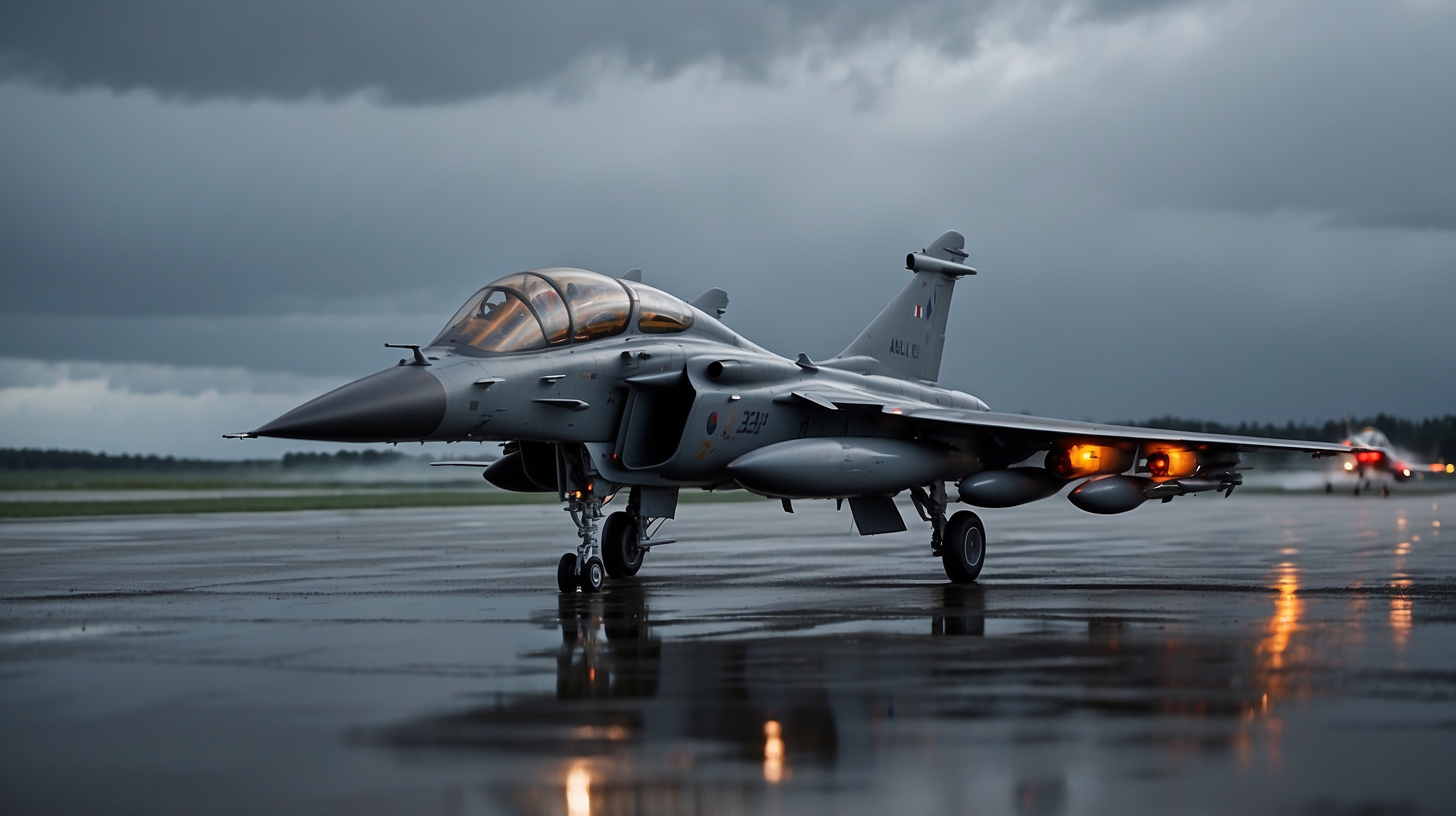

The collapse of India’s proposed follow-up deal for additional Rafale fighter jets has stirred fresh debate in both defense policy circles and political arenas. Once hailed as a strategic cornerstone in modernizing the Indian Air Force, the high-profile Rafale acquisition has now become a case study in how diplomacy, procurement complexity, and shifting geopolitical landscapes can stymie even the most ambitious defense projects. More than just a procurement failure, the unraveling of the deal could have ripple effects on future military procurements and strategic alignment for India.

The original Rafale deal signed in 2016 encompassed 36 jets at a cost of approximately €7.8 billion. It was positioned as both a technological upgrade and a symbol of growing Indo-French ties. Speculation about a second tranche of Rafale jets had been swirling for years, with reports suggesting that India planned to acquire up to 114 more aircraft under the Multi-Role Fighter Aircraft (MRFA) program. Yet, after years of negotiations, the follow-up purchase has not only stalled—it has effectively collapsed. The broader implications for India’s defense posture, industrial collaboration agenda, and its Make in India initiative are immense.
Quick glance at the Rafale deal status
| Aspect | Details |
|---|---|
| Original Deal Signed | 2016 – 36 jets for €7.8 billion |
| Proposed Follow-up Deal | Up to 114 additional jets under MRFA program |
| Status of Follow-up Deal | Collapsed due to multiple complications |
| Primary Reasons for Collapse | Cost overruns, procedural delays, geopolitical recalibrations |
| Impacted Entities | Dassault Aviation, Indian Air Force, HAL, DRDO |
| Future Alternatives | Tejas Mk II, AMCA, new offers from US, Russia |
Why the second Rafale deal failed to take off
At the heart of the collapse lies a complex mix of **bureaucratic delays**, economic constraints, and geopolitical shifts. Several high-level review committees spent years evaluating the follow-up deal, during which India’s security landscape—and budget priorities—underwent significant changes. The Defence Acquisition Council (DAC), a statutory body responsible for approving capital acquisitions, failed to reach a final consensus point on how to structure the new deal in alignment with India’s Strategic Partnership (SP) model.

An official associated with the procurement process said the financial cost of replicating the initial deal was one of the biggest impediments. “The unit cost of additional Rafale jets could have been even higher due to inflation, maintenance guarantees, weapons packages, and tech transfer clauses,” said the official.
We reached a point where the projected cost of the second batch was jeopardizing other procurement priorities in the defense budget.
— Senior MoD Official (Placeholder)Also Read From January 17, gas stations must display new mandatory pricing details at the pump
Stuck in procedural quagmire
India’s decision-making process in military procurement is notoriously sluggish. The MRFA program was introduced under the expectation that the government would fast-track acquisition to meet the Indian Air Force’s emerging deficiencies. However, the **Strategic Partnership model**, which mandates foreign OEMs (original equipment manufacturers) to partner with Indian entities, added several layers of complications.

Multiple contenders, including Dassault, Boeing, Saab, and Lockheed Martin, were asked to submit elaborate proposals under this framework. Insiders note that Dassault Aviation expressed reluctance in reconfiguring industrial workflows to fit the updated SP-model terms, citing “lack of clarity” in transfer of technology commitments and liability structures.
The failure to finalize a comprehensive SP-based model stood in stark contrast to the more direct 2016 government-to-government deal. Unlike the previous arrangement, this time everything—including offsets, local manufacture, and maintenance logistics—was up for negotiation. That slowed everything down, eventually giving rise to irreconcilable differences between the stakeholders.
Financial headwinds and shifting defense priorities
In a post-pandemic economic environment, India’s defense budget began facing hard ceilings. The ballooning requirements of the three services—including Army modernization and Navy expansion—created internal competition for available capital. The cost of another Rafale deal, potentially exceeding ₹1.2 lakh crore, was eventually deemed unsustainable without affecting other strategic areas.
The Indian Air Force has to work within an umbrella budget. Placing all bets on one imported system was not advisable.
— Air Marshal (Retd.) Shekatkar, Defense Analyst
Additionally, the push towards indigenization under the **Atmanirbhar Bharat** initiative meant that policymakers began promoting locally developed solutions like the **Tejas Mk II** and the upcoming **Advanced Medium Combat Aircraft (AMCA)** more aggressively. The argument made internally was that the time had come for India to carve out its own aerospace future rather than remain perpetually dependent on imports.
The winners and losers in the fallout
| Winners | Losers |
|---|---|
| Hindustan Aeronautics Ltd. (HAL) | Dassault Aviation |
| Tejas Mk II development team | Indian Air Force (short-term capability gaps) |
| Defense Research & Development Organisation (DRDO) | French defense industrial base (potential offset contracts) |
| AMCA program stakeholders | Strategic Partnership Model credibility |
What comes next for India’s fighter jet plans
The failure of the Rafale follow-up deal may be a turning point in India’s military aviation doctrine. With the MRFA in limbo, attention has shifted toward fast-tracking indigenous platforms. HAL’s Tejas Mk II and the DRDO’s AMCA are seen as viable alternatives intended to fill the fast-depleting squadron strength in the IAF for the next two decades.
Experts note, however, that relying entirely on domestic programs also comes with risk. Numerous delays and cost escalations have historically plagued indigenous projects. But with current geopolitical tensions in the Indo-Pacific rising, many insiders believe that India has no better option than to double down on technological self-reliance.
The global ripple effect of India’s decision
Globally, India’s pullout from a potential mega-deal with Dassault could reverberate in more ways than one. For one, it alters the market calculus for other defense giants such as Boeing, Lockheed Martin, and Saab, each hoping for their own slice of the Indian defense pie. Furthermore, the move signals a steady pivot away from purely import-reliant defense expansion toward **homegrown innovation**, mirroring trends seen in nations like South Korea and Turkey.
Dassault’s loss also underscores the hazards of banking on long gestation government contracts without adapting to local policy frameworks. In the defense industry, even market leaders need to adapt to evolving procurement landscapes and political currents.
Short FAQs on the collapse of the Rafale fighter jet deal
Why did the second Rafale deal fall through?
The deal collapsed due to cost concerns, procedural delays, and an inability to align it with India’s Strategic Partnership policy model.
How many Rafale jets did India originally purchase?
India originally purchased 36 Rafale fighter jets in a €7.8 billion deal signed in 2016.
What impact does this have on the Indian Air Force?
The IAF faces short-term capability gaps but is pivoting toward indigenous platforms like Tejas Mk II and AMCA to fill them.
Who were the key players involved in the failed deal?
Dassault Aviation, Indian Ministry of Defence, HAL, and DRDO were primary stakeholders, along with competing foreign OEMs.
What is the Strategic Partnership model?
It’s a procurement framework requiring foreign defense players to collaborate with Indian firms for local production and technology transfer.
Are there any alternatives to Rafale being considered?
Yes, options include Boeing’s F/A-18, Lockheed’s F-21, Saab’s Gripen, and indigenous platforms like the Tejas Mk II and AMCA.
What does this mean for Indo-French relations?
Although the specific deal collapsed, diplomatic and strategic ties remain strong. Defense cooperation may continue in other areas.
Will there be another attempt to revive the Rafale deal?
As of now, there are no formal indications of a revival. Focus has shifted toward domestic aircraft development initiatives.
About the Author