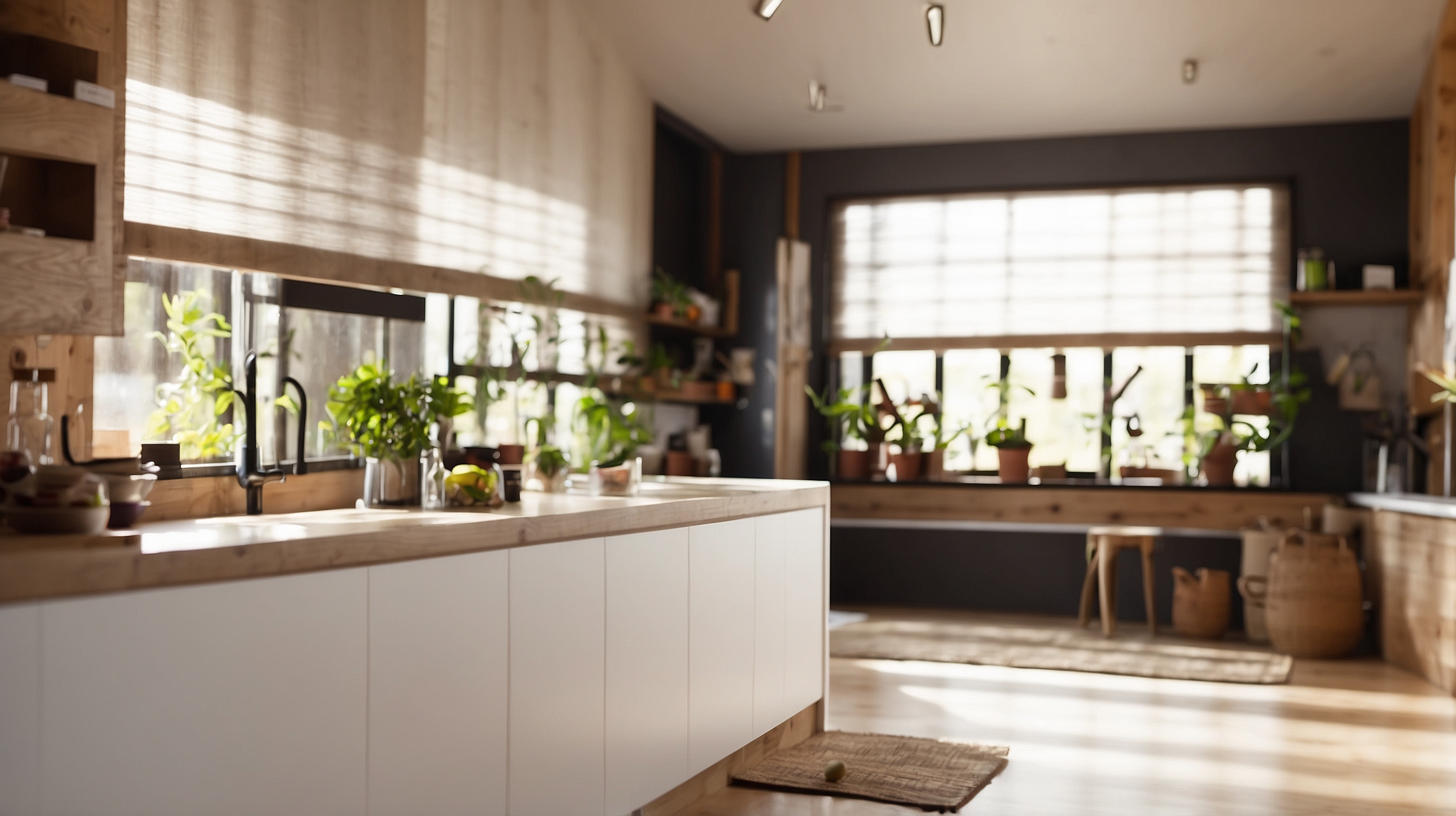

The kitchen has long been considered the heart of the home, but maintaining a beautiful and functional cooking space doesn’t always come cheap. One of the biggest financial and design decisions homeowners face is what type of cabinetry to install. For decades, wood has been the gold standard—but that’s now starting to change. With advances in materials technology, a growing demand for water-resistant finishes, and tightening household budgets, homeowners and contractors alike are searching for cost-effective, durable alternatives to traditional wooden cabinets.

Welcome to the rise of **waterproof cabinet alternatives**—a growing category of materials designed to mimic the style and finish of wood while offering superior resistance to moisture, termites, and warping, all at a much more accessible price point. From **high-grade PVC**, **HDHMR (High-Density High-Moisture Resistance) boards**, to new-gen **laminate finishes**, these products are not only reshaping the marketplace but also redefining what modern kitchens can look like, especially for buyers on a budget.
Why budget-savvy homeowners are pivoting away from wood
| Feature | Wood Cabinets | Waterproof Alternatives |
|---|---|---|
| Cost | High (INR 800–1500/sqft) | Low to medium (INR 300–800/sqft) |
| Water Resistance | Poor to moderate | Excellent |
| Maintenance | High | Low |
| Durability | Sensitive to moisture, pests | Highly durable in humid areas |
| Aesthetic Variety | Limited to natural wood shades | Wide range (matte, gloss, textures) |
What changed this year
Several developments in 2024 have significantly bolstered the shift toward waterproof cabinets. Inflation and supply chain interruptions have made premium hardwoods more expensive than ever. Meanwhile, cabinet manufacturing technologies and finishing processes have achieved a level of visual precision and tactile realism that makes alternatives nearly indistinguishable from natural wood. The end result? A revolution in **value engineering** where homeowners no longer have to sacrifice style for cost—or worry about mold growth under the sink.

“We’re now seeing nearly 60% of our clients opt for PVC kitchens or HDHMR panels because they offer the same sleek look without long-term maintenance headaches.”
— Rajiv Mehra, Interior Designer, Mumbai
Understanding the most popular waterproof cabinet materials
There is no one-size-fits-all solution when it comes to waterproof cabinetry, but a handful of materials have dominated kitchen remodels and new constructions.
PVC Cabinets
One of the most budget-friendly and **completely waterproof options** available today, PVC comes in both hollow and foam boards. Foam board PVC is more durable and a better pick for long-term kitchen use. It resists corrosion, termites, and peeling, making it ideal for wet zones like under-sink areas or modular kitchens in coastal cities.

“PVC cabinets have become our go-to for affordable kitchen makeovers, especially in rental properties. The ROI is unbeatable.”
— Anita Chauhan, Real Estate Consultant
HDHMR Boards
HDHMR (High-Density High-Moisture Resistance) boards offer the strength of MDF but with moisture resistance built into the fiber structure. They are perfect for creating kitchen shutters, drawers, and carcasses. Unlike standard MDF, HDHMR does not swell or degrade when exposed to routine humidity or accidental spillages.
Acrylic and Laminate Finishes
Finish matters. Acrylic and high-pressure laminates applied onto MDF or HDHMR boards bring in the lustrous or matte looks that homeowners seek. Laminates can be textured (to mimic brushed wood) or glossy for a smooth modern finish. These coatings are moisture resistant and easy to wipe down, especially in high-splash areas.
Who benefits most from making the switch
Budget-conscious homeowners aren’t the only ones benefiting from non-wood cabinets. Several groups are turning to waterproof options:
| Winners | Losers |
|---|---|
| First-time homeowners | High-end wood cabinet installers |
| Small-space urban renters | Traditional carpenters |
| Developers building pre-fab kitchens | Solid wood suppliers |
| Contractors working in humid/tropical climates | Local timber retailers |
Kitchens in areas like Kerala, Goa, and coastal Maharashtra benefit immensely from waterproof cabinetry due to high humidity levels. Families with young children and elders also find these materials easier to maintain, as they are both scratch-resistant and hygienic when cleaned regularly.
Cost savings and lifecycle benefits
One of the strongest arguments for ditching wooden cabinets is the immediate and long-term financial benefit. With durable waterproof options costing **30% to 60% less** than real wood, homeowners can easily funnel those savings into other upgrades like chimney hoods, islands, or high-end countertops. More importantly, the reduced need for frequent maintenance, repainting, or termite treatments delivers serious savings over a 10–15 year period.
“We used to spend nearly INR 50,000 annually on cabinet repairs across our service properties. Since switching to waterproof units, it’s down to under INR 10,000.”
— Manish Agarwal, Property Manager, Bengaluru
Are there any compromises to consider?
While modern waterproof cabinets carry a lot of benefits, there are a few limitations to factor in. For example, they may not carry the same resale appeal or “luxury” factor that some high-end hardwoods offer. Additionally, carpenters and installers unfamiliar with HDHMR or PVC may require more time or specialist tools to get a seamless finish. Lastly, sustainability is often debated—some PVC products are non-biodegradable though recyclable if sourced from reputable brands.
Tips for choosing the right waterproof cabinetry
- Choose **foam-based PVC** over hollow variants for better longevity.
- Opt for HDHMR with moisture guard certification for safer indoor use.
- Verify laminate finish quality—UV resistance and scratch-proofing is a plus.
- Ask for edge-banding on all sides to resist water penetration.
- Stick to neutral tones and matte finish for timeless visuals—and easier resale.
“The key is working with fabricators who treat HDHMR and other panels correctly—poor installation can offset all the material benefits.”
— Parul Sharma, Kitchen Consultant
Looking ahead: Will traditional wood be phased out?
While wood will always have a place in luxury home design and heritage architecture, its dominance over mid-market kitchen designs is clearly fading. As waterproof materials continue to improve in texture, finish, and background sustainability practices, adoption is expected to rise even further. More production units are now locally making HDHMR, PVC, and newer composite boards, reducing import costs and wait times.
So, are we saying goodbye to wooden kitchen cabinets for good? Not quite. But for the vast majority of homeowners looking for a mix of **style, savings, and practicality**, waterproof cabinets may now be the smarter choice.
Frequently Asked Questions
Are waterproof cabinets more affordable than wood?
Yes. Waterproof cabinet materials like PVC and HDHMR can cost 30–60% less than traditional wood while offering better durability in moisture-heavy environments.
Can waterproof kitchen cabinets look like real wood?
Absolutely. Modern laminates and finishes replicate wood grains so well that most visitors can’t tell the difference unless they inspect very closely.
Is PVC harmful in kitchens due to plastic content?
Only low-grade PVC may emit VOCs. Stick to foam-grade and certified boards for safe kitchen installation.
How long do HDHMR cabinets last?
With proper installation and minimal maintenance, HDHMR cabinets can last 10–15 years easily, making them ideal for high-use kitchens.
Are these materials suitable for Indian weather?
Yes. HDHMR and PVC handle Indian climates very well, particularly regions with heavy monsoon or coastal humidity.
Can I repaint or refinish waterproof cabinets later?
It depends on the surface. Laminates and acrylics are not meant for repainting, but you can upgrade the finish by applying new coating panels if needed.
Do waterproof cabinets support modular fittings?
Yes. All modern waterproof cabinets are compatible with modular fittings like pull-outs, soft-close hinges, and built-in lighting.
About the Author
