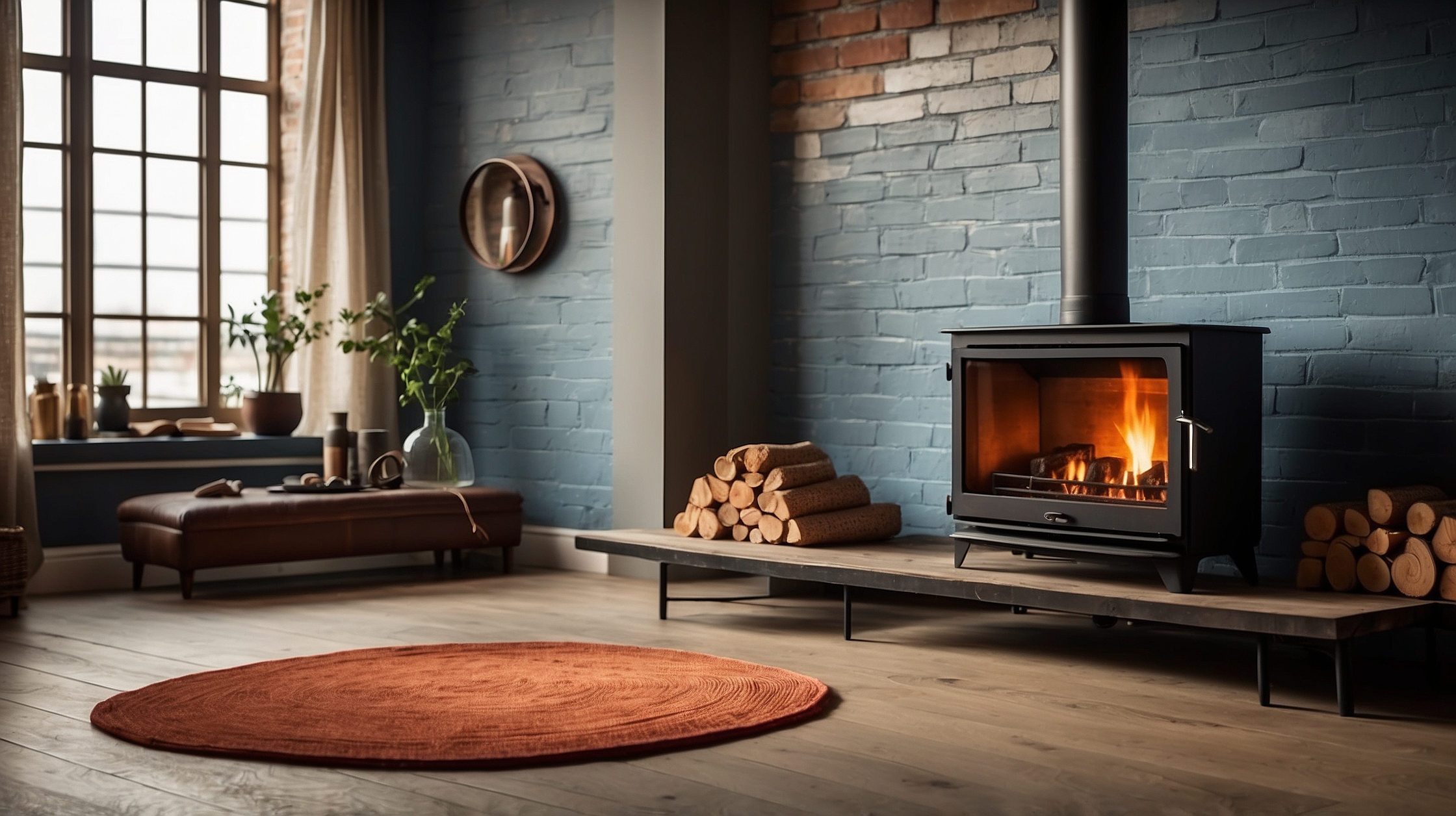

The UK’s battle against air pollution is reaching new levels, with wood-burning stoves and open fireplaces now in regulatory crosshairs. As of 2024, stricter legislation concerning emissions from domestic wood burners has come into effect, altering how millions of households across the country heat their homes. While wood stoves have long been associated with cozy evenings and charm, they are now under scrutiny for their contribution to harmful particulate air pollution, especially in urban environments. In response, the government has rolled out clear guidelines and restrictions aiming to reduce carbon emissions and protect public health.

This development doesn’t mean an outright ban on all wood burners, but rather a tightening of the rules surrounding the types people can use, the fuels they burn, and how these stoves are maintained. Homeowners, landlords, retailers, and manufacturers must now understand what the changes mean for their compliance and daily life. In particular, those living in designated Smoke Control Areas (SCAs) face direct implications, while newly manufactured stoves must meet “Ecodesign” standards. These changes are part of broader commitments by the UK government to clean up urban air and align with environmental targets.
Overview of the new wood burner rules in the UK
| Policy Area | Details |
|---|---|
| Effective From | January 2024 |
| Applies To | New installations and existing wood burner use in Smoke Control Areas |
| Key Regulation | Ecodesign-compliant stoves must produce no more than 3g/hour particulate emissions |
| Permitted Fuel | DEFRA-approved fuels only; wet or unseasoned wood banned |
| Penalties | Fines up to £300 or legal action for non-compliance in SCAs |
| Exceptions | Traditional open fires not formally banned but strongly discouraged |
What changed this year
2024 marked the rollout of several important updates to household heating policies in the UK. One of the primary changes is the official enforcement of Ecodesign requirements across all newly sold wood-burning stoves. These requirements target emissions, mandating that stove models emit fewer than 3 grams of smoke particles per hour. This figure is drastically lower than older, non-Ecodesign models, which can emit up to five times as much.

Moreover, the government’s focus on reducing air pollution has resulted in renewed attention toward Smoke Control Areas (SCAs)—typically urban zones where pollution tends to accumulate at dangerous levels. If you reside in an SCA, using a non-compliant wood burner could now leave you open to fines up to £300. Even more pertinently, only **DEFRA-exempt stoves** or officially approved fuels like kiln-dried wood and specific smokeless briquettes can be used in these zones.
Why the government is targeting wood burners
The Department for Environment, Food and Rural Affairs (DEFRA) points to a rise in small-particle pollution, known as PM2.5, as a major public health concern. Surprisingly, domestic combustion (primarily from stoves and fireplaces) accounts for 38% of UK PM2.5 emissions—more than road transport.

“We now understand the health implications of fine particulate matter much more clearly. This crackdown aims to address that silent but deadly hazard.”
— Dr. Lillian Marsh, Environmental Policy Researcher

While open fireplaces and older stoves are culturally significant, their environmental and health costs have become too high to ignore. Particularly in cities, poor ventilation and dense housing make emissions more harmful than previously understood. Wood smoke, though natural, releases carcinogenic compounds and particulates that penetrate lung tissue and contribute to respiratory conditions.
Who qualifies and why it matters
If you’re wondering whether the new rules affect you directly, the answer likely depends on where you live and what kind of stove you own. **Smoke Control Areas** are the primary zones of impact. These are designated by local councils and include most urban areas, especially those with pollution levels that exceed recommended limits.
Here’s a breakdown of typical affected groups:
- Homeowners in Smoke Control Areas still using open fireplaces or old-model wood stoves
- Landlords renting out properties with outdated heating systems
- Retailers and installers of wood-burning appliances
- Homebuilders integrating wood heat as secondary energy source
Outside of SCAs, there’s more flexibility, but the usage of **wet wood (under 20% moisture)** and house coal is now banned UK-wide for domestic burning. Retailers are required to sell certified “Ready to Burn” fuels that meet moisture and emission regulations.
How to check if your stove is compliant
To avoid penalties or future incompatibility, it’s advisable to assess whether your existing stove meets current standards. Look for an **Ecodesign label** or DEFRA-exemption certificate. If it isn’t certified, even if it works perfectly well, it could still emit many times the permitted particulates per hour.
If you’re considering upgrading or new installation, choose a stove that is both **Ecodesign-compliant and DEFRA-exempt**. Installers are now legally obligated to inform buyers about regulatory compliance at point of sale. You can also contact your local council or stove technician to request an emissions review on older appliances.
Can you still burn wood at home?
Yes—but under clear conditions. It’s not the act of burning wood that’s being banned, but rather using the wrong kind of burner or fuel. Here are the criteria:
- Only burn **certified “Ready to Burn” wood logs** under 20% moisture
- Do not use treated timber, painted wood, or waste wood
- Use legally compliant, **DEFRA-approved stoves** in SCAs
- Maintain appliances annually to ensure optimum emission efficiency
“The critical question isn’t ‘should we stop burning wood?’ but ‘how do we burn cleaner?’ These new rules draw that line.”
— Tom Eastwood, Clean Energy Appliance Retailer
Impact on consumers and industry
| Winners | Losers |
|---|---|
| Manufacturers of Ecodesign stoves | Owners of old, non-compliant stoves in SCAs |
| Retailers selling “Ready to Burn” fuels | Local install firms not trained in new standards |
| Residents benefiting from improved air quality | Consumers required to upgrade appliances or fuel types |
Support available for stove upgrades
While there’s no national scheme currently offering financial support for switching to Ecodesign stoves, some local councils—especially in areas with elevated pollution—offer grants or incentives for upgrading home heating systems to more sustainable alternatives.
Furthermore, replacing an outdated stove can lower insurance premiums and increase the energy efficiency rating of your home, boosting its overall property value. The government encourages this by promoting certified installers and offering detailed guides for eco-friendly heating choices through advisory services.
Steps you should take next
If you use or plan to install a wood-burning stove or open fire, follow these steps:
- Verify whether your area is a **Smoke Control Area**
- Check your stove’s **Ecodesign and DEFRA compliance**
- Only purchase wood with the “Ready to Burn” certification
- Book an annual maintenance and emissions check
- Speak to your local council if you’re unsure about your appliance’s legality
“Don’t wait until you’re fined to act. Get informed, upgrade if needed, and make cleaner air a shared priority.”
— Susan Blake, Local Environmental Health Officer
Frequently Asked Questions
Is my old wood burner now illegal?
Not necessarily. But if you live in a Smoke Control Area and your stove is not DEFRA-approved, you may face penalties if it’s still being used.
Can I still use my open fireplace?
Yes, but doing so in smoke-controlled zones is discouraged due to higher pollution. Authorities may impose restrictions if widespread violations occur.
How do I know if wood logs are legal to burn?
Look for logos indicating “Ready to Burn.” This means the wood has under 20% moisture and complies with burn safety and emission standards.
Are pellet stoves affected by these rules?
Pellet stoves are generally efficient and low emission, especially newer models. Ensure yours meets Ecodesign criteria.
Do these regulations apply in Scotland and Northern Ireland?
Similar standards apply UK-wide, but enforcement and SCA zones may vary. Check with your local authority for exact coverage.
Where can I find compliant stoves?
Most certified retailers and installers will identify Ecodesign and DEFRA-approved units. Always request documentation before purchasing.
What is the penalty for using a banned stove or fuel?
In SCAs, you could receive an on-the-spot fine up to £300 or face court action for repeated violations.
Can I install a new stove myself?
No, installations must be by qualified professionals who can provide certificate of compliance with safety and emission laws.
About the Author