

Amid escalating political rumors and shifting economic narratives, two prominent Canadian figures found themselves at the center of national attention this week. Former Prime Minister **Stephen Harper** was honored with an official new portrait unveiled in Ottawa, marking a symbolic nod to his legacy and role in shaping Canada’s modern political identity. Meanwhile, the spotlight also turned to **Mark Carney**, the former Bank of Canada and Bank of England governor, as discussions swirl around his political ambitions—particularly in relation to a potential confrontation with Donald Trump’s ideology should Carney seek higher office.
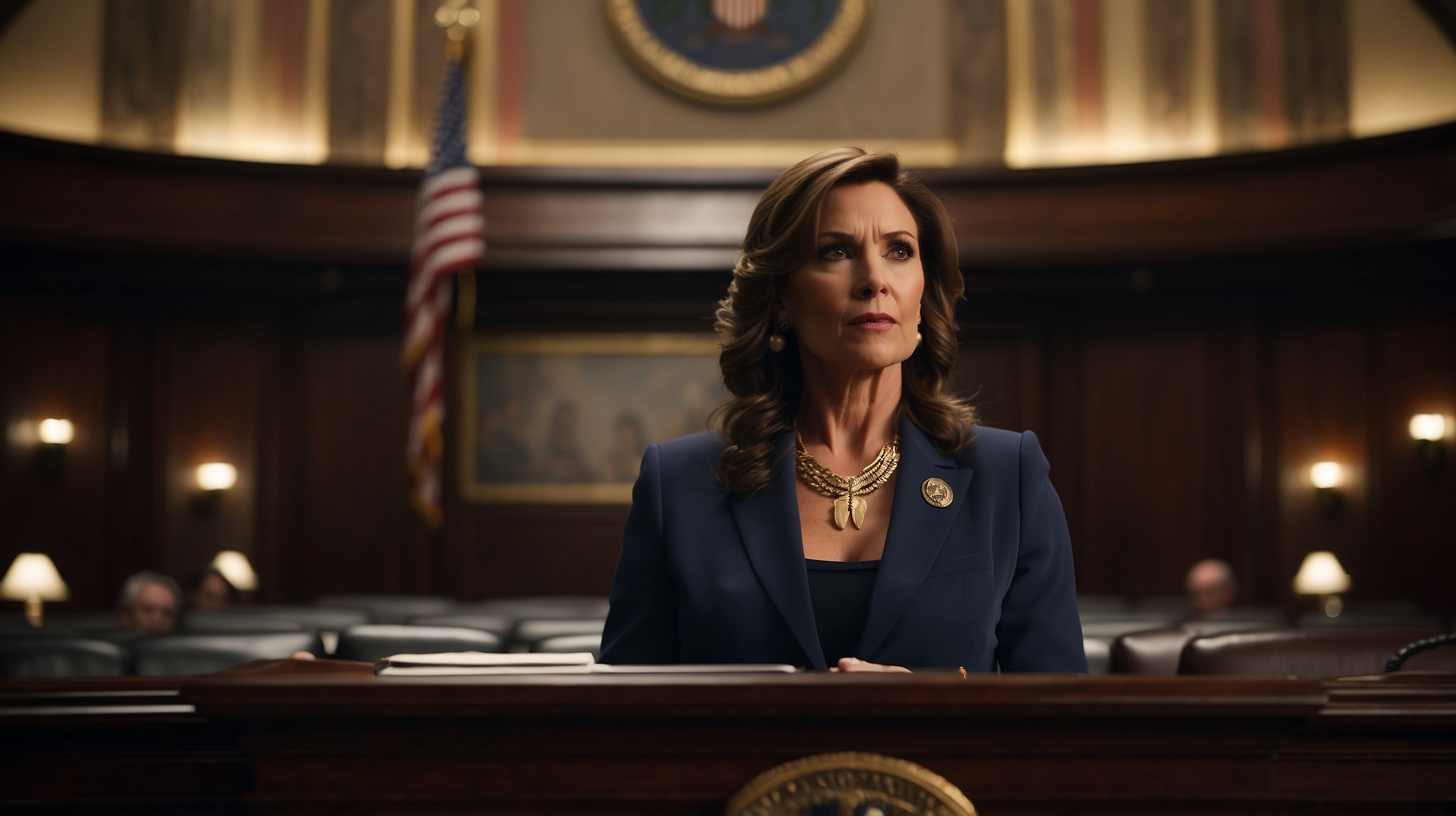
The simultaneous prominence of Harper and Carney—two figures from very different ends of Canada’s political and economic spectrum—captures a moment of intersection between legacy and potential leadership, history and future contest. It also reflects the ongoing reshaping of Canada’s political landscape as it braces for upcoming elections and mounting international pressures.
Key developments affecting Canadian politics and leadership
| Event | Details |
| Stephen Harper’s new Parliament Hill portrait | Unveiled in Ottawa, recognizing his tenure as Canada’s 22nd Prime Minister |
| Mark Carney’s rising political speculation | Hints at potential Liberal leadership or broader political involvement amidst global economic discussions |
| Trump influences on Canadian politics | Focus on Carney’s views on right-wing populism and potential policy contrast |
| Federal leadership outlook | Renewed attention to future Liberal Party leadership and Conservative Party legacy narratives |
Stephen Harper’s legacy etched in portraiture
Harper, Prime Minister from 2006 to 2015, was a figure who reshaped the federal Conservative Party and steered Canada through a global recession. His new official portrait unveiled in the corridors of Parliament Hill serves as both a literal and figurative framing of his legacy—visible not only to visitors and lawmakers but as a powerful reminder during a time when Canadian conservatism is again strategizing its future direction.
The portrait, painted by Canadian artist **Linda Kooluris Dobbs**, captures Harper standing upright in the Library of Parliament—a nod to both his policy depth and technocratic leanings. The rendering reflects a leader who prided himself on stability and discipline, traits Harper often cited as pillars during his near-decade in office.
“We honor public service by preserving its memory,” House of Commons Speaker **Greg Fergus** said at the unveiling. “This portrait is more than oil and canvas—it’s a chapter in the Canadian story.”
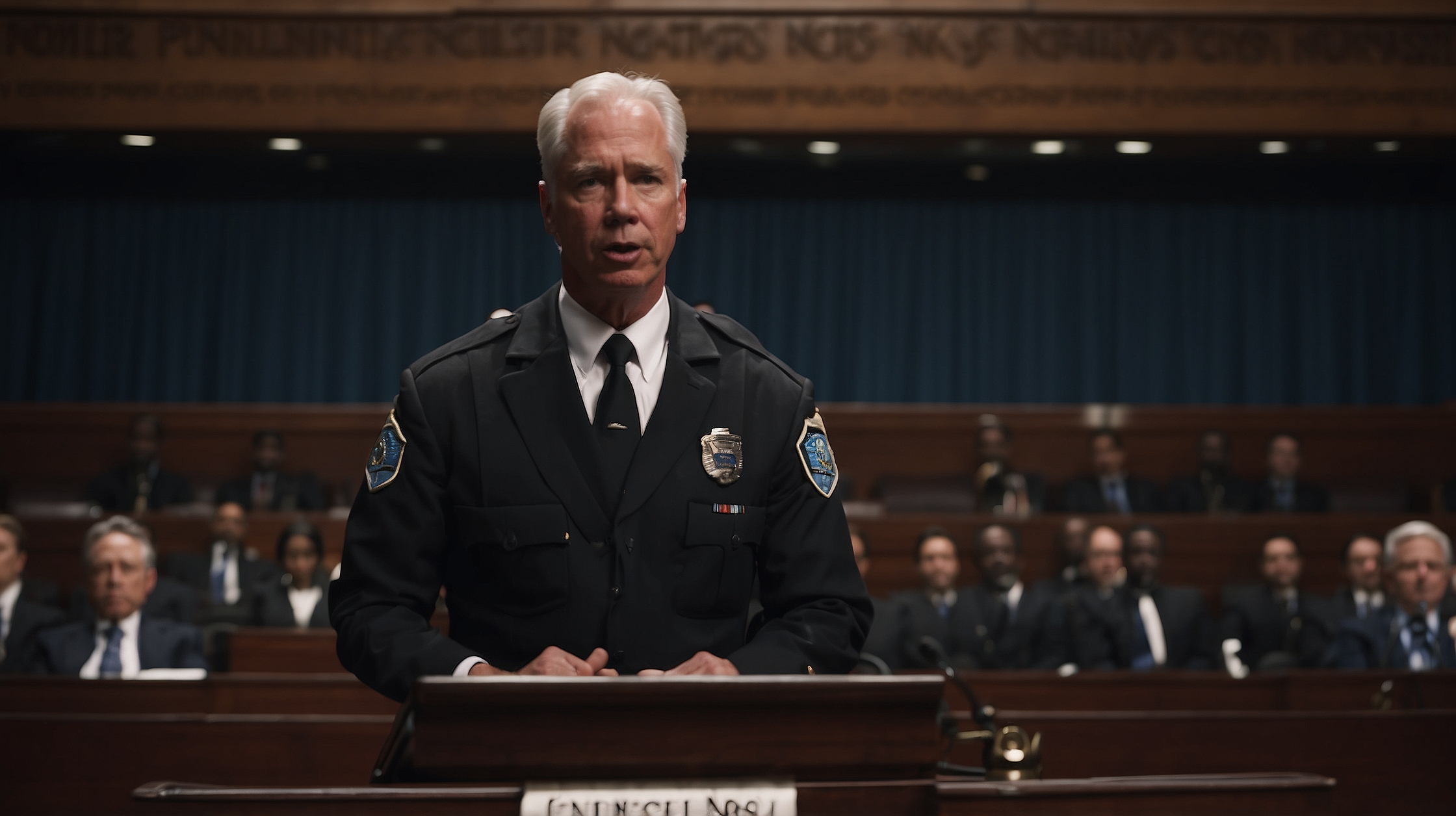
Stephen Harper’s political philosophy shaped a generation of Conservative thinking, and this portrait marks his enduring presence in the institution he once led.
— Linda Kooluris Dobbs, Portrait Artist

Carney’s positioning in a high-stakes political atmosphere
As Harper’s chapter receives ceremonial reflection, **Mark Carney** looms as a potential future chapter of Liberal leadership. Though Carney has yet to officially announce any bid, his increasing media appearances, critical commentary on right-wing populism, and economic warnings have set the stage for a ramp-up in political involvement.
Carney, known for his tenure at the Bank of England and his role in the international climate finance movement, represents a technocratic, globally-respected persona whose transition into politics would echo past moves by figures like Emmanuel Macron. His name frequently appears in Liberal circles as a successor to Prime Minister Justin Trudeau, should the party seek new leadership post-election.
Mark Carney has that rare combination of economic credibility and principled vision. It’s no surprise people are watching him closely.
— Jennifer Ditchburn, Political Analyst
The shadow of Trumpism and Canadian politics
What makes Carney’s rise particularly compelling is the looming specter of **Donald Trump’s political ideology**. Though in a different country, Trumpism’s influence extends northward—by reshaping right-wing platforms, emboldening populism, and encouraging click-driven political narratives.
Carney has frequently voiced concerns about the dangers of populist economics and political misinformation. His public split with such ideologies situates him as a foil—not only to Trump’s worldview, but to rising conservative rhetoric in Canada.
We must resist cynical populism with evidence-based policy. Growth that works for the few erodes our democratic foundation.
— Mark Carney, Former Bank Governor
If he does step into the political arena officially, Carney would bring global economic expertise, climate leadership credentials, and a serious alternative to both flailing centrism and resurgent populist conservatism.
Reactions from across the political spectrum
The dual headlines of Harper’s portrait and Carney’s perceived posturing have sparked chatter among members of Parliament and political observers. Conservatives welcomed the moment of reflection on Harper’s contributions, highlighting his balanced budgets, assertive foreign policy, and backing resource development. Liberals, meanwhile, have seized on Carney’s press trail as a sign that experienced leadership might be transitioning back into party focus.
Former cabinet members and party seniors appeared at both events—or commented publicly—lobbed backhanded nods and strategic compliments, revealing a mutual if cautious respect between the camps.
Legacy versus momentum
The significance of this week’s developments isn’t simply ceremonial; it marks the long arc between **legacy and momentum**. Harper’s portrait immortalizes a past approach to politics—firm, strategic, defensive. Carney, by contrast, symbolizes what could be a modern, altruistic, policy-minded campaign that faces down both economic turbulence and ideological extremism.
The juxtaposition of these moments allows Canadians to glimpse how leadership values transition over time—from Harper’s proud nationalism to Carney’s global conscience.
No official announcements—yet
Despite the mounting chatter, Carney has not yet declared leadership ambitions. Both the man and the Liberal Party remain officially silent on whether he will participate in the next election cycle or a future leadership race. The speculation, however, refuses to wane.
Should he step forward, Carney would face internal hurdles—notably, questions about grassroot connections and partisan experience. But allies suggest his appeal wears a long runway, especially with an electorate craving competence and stability.
Winners and Losers from this week’s political narrative
| Winners | Losers |
| Stephen Harper – Honored and reframed as statesman | Conservative Party – Struggles to distance or reclaim Harper legacy |
| Mark Carney – Buzz builds around potential leadership | Political newcomers – Coverage dominated by veteran figures |
| Liberals – New potential leadership option surfaces | Populists – Carney’s internationalist ideology gains ground |
What it means for Canada’s next election
Canada’s next federal election is inching closer, and the outcomes could hinge more than ever on **leadership identity** and public trust in expertise. With Stephen Harper once more front-and-center in Canada’s governmental spaces and Mark Carney potentially waiting in the wings, the contrast in leadership models has never been starker.
The road ahead may very well be shaped by how Canadians reconcile their desire for stability—embodied by Harper’s tenure—with a growing appetite for adaptability, competence, and global thought leadership, all symbolized by Carney’s presence.
Frequently Asked Questions
Who is Stephen Harper and why was his portrait unveiled?
Stephen Harper served as Canada’s 22nd Prime Minister from 2006 to 2015. His portrait was unveiled in Parliament to commemorate his contribution to Canadian politics and public service.
What is Mark Carney known for?
Mark Carney is a former Governor of the Bank of Canada and Bank of England. He is also known for his work in climate finance and economic policy.
Is Mark Carney entering Canadian politics?
As of now, Mark Carney has not officially declared political ambitions, but public and media speculation continues to grow about a potential leadership bid.
How does Carney’s ideology differ from Harper’s?
Harper’s politics focused on nationalism and fiscal conservatism, while Carney advocates for global cooperation, climate policy, and inclusive economic growth.
Why is Donald Trump’s influence relevant here?
Trump’s populist approach affects conservative movements globally, including in Canada. Carney directly opposes that ideology, which adds to speculation about his political motives.
What kind of leader would Mark Carney be?
Experts suggest Carney would likely emphasize evidence-based policy, global economic leadership, and climate responsiveness if he entered political office.
What does Harper’s portrait symbolize politically?
The portrait symbolizes the continued importance of Harper-era Conservatism in Canadian dialogue and raises questions about how far the current party has moved since then.
When is Canada’s next election?
Canada’s next federal election is expected in or before 2025, as determined by the electoral calendar or any early calls for an election.
About the Author