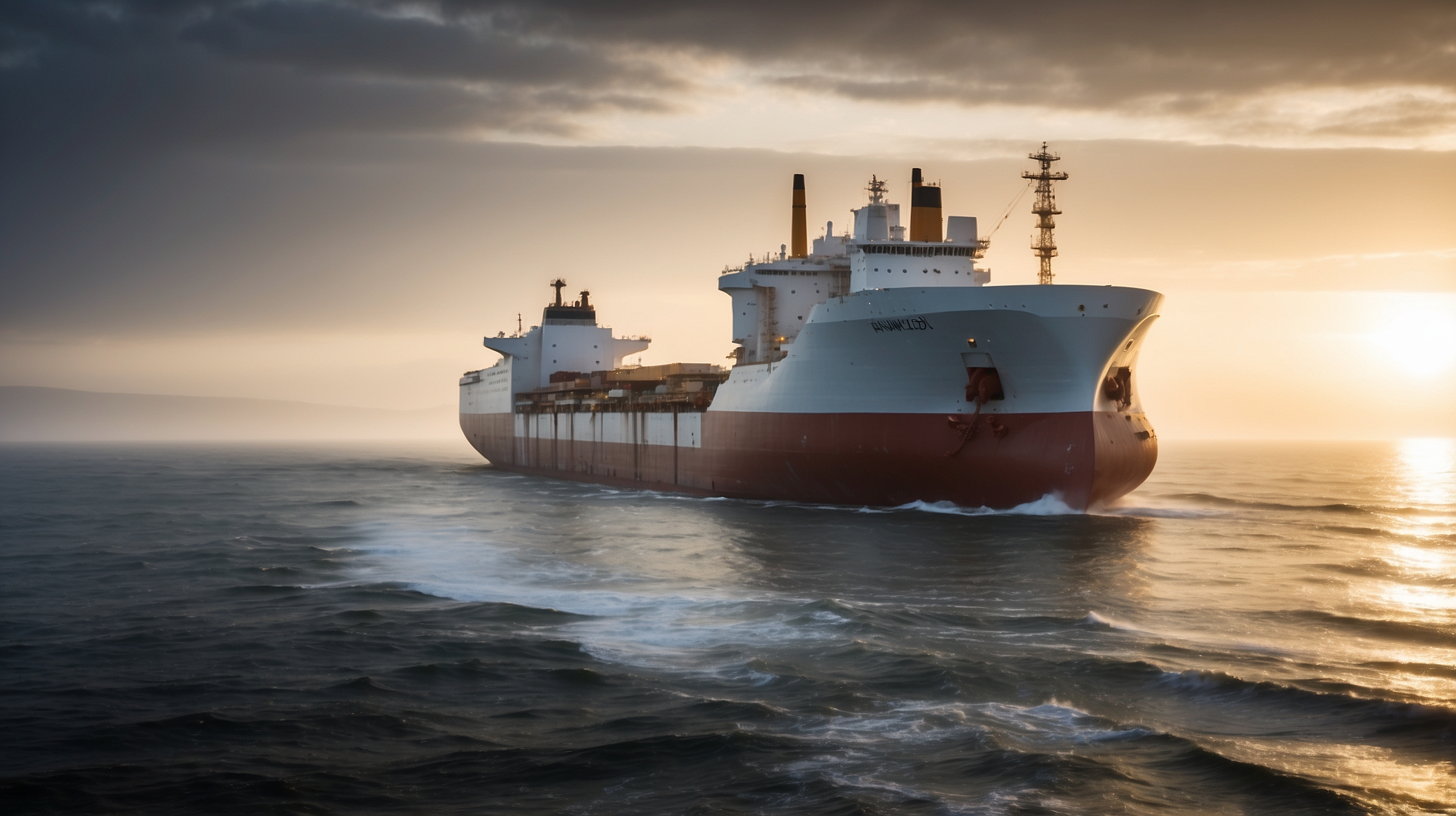

In a significant milestone for the UK’s most ambitious nuclear energy project, France has officially shipped a colossal 500-tonne nuclear reactor pressure vessel destined for the Hinkley Point C power station in Somerset. The event marks a pivotal moment in the construction timeline of the plant that is hailed as the cornerstone of Britain’s low-carbon energy future.

The massive component, manufactured by Framatome at its plant in Le Creusot, France, is a symbol of industrial and political convergence amid complex questions around funding, energy policy, and international cooperation post-Brexit. Designed to house the nuclear reaction core, this reactor vessel is one of the largest and most expensive pieces of equipment ever built for Hinkley Point C.
The shipment not only reinforces the physical progress of the £32 billion project but also reopens debates on the role of foreign investment—especially Chinese and French state-backed funding—in the UK’s energy security. Critics and supporters alike are weighing the significance of the French arrival against the backdrop of mounting costs, delayed timelines, and geopolitical tension.

Key facts about the reactor shipment and what it means
| Topic | Details |
|---|---|
| Component shipped | 500-tonne nuclear reactor pressure vessel |
| Manufacturer | Framatome (France) |
| Destination | Hinkley Point C, Somerset, UK |
| Project cost | £32 billion (as of latest estimate) |
| Involved countries | United Kingdom, France, China |
| Primary concern | Foreign funding and national energy security |
| Expected launch | Mid-to-late 2030s, with delays possible |
Why the French shipment is symbolically and politically important
The arrival of the gargantuan component demonstrates more than just engineering prowess. It is a tangible reflection of the UK’s bet on international partnerships to achieve energy resilience. Originally agreed under David Cameron’s government, the Hinkley Point C project is co-funded by France’s EDF and China’s CGN. The decision to involve state-backed foreign entities has become a focal point for scrutiny in Whitehall due to concerns over sovereignty and global supply chain dependencies.
This renewed attention comes at a time when the UK government is trying to reassert control over critical infrastructure sectors. By allowing French-manufactured equipment into the heart of the UK’s energy future, decision-makers are effectively reiterating their commitment to EDF, even while moving to limit future Chinese stakeholding in successive nuclear projects. The issue has escalated politically after CGN’s expected removal from future UK projects like Sizewell C.

Delays, cost overruns, and funding models under question
Hinkley Point C was initially targeted to come online by 2025, but that timeline has since been extended to 2029 at the earliest. Plagued by pandemic disruptions, labor shortages, and rising material costs, the project’s price tag ballooned from an original £18 billion to over £32 billion. In light of these mounting expenses, the government and project stakeholders have revived debates over the existing funding model known as the Contract for Difference (CfD).
The proposed switch to a Regulated Asset Base (RAB) model introduces new investor risks and opportunities, enabling funds to be raised at lower cost but at the expense of billing consumers during the construction phase. Critics argue that this model burdens households with pre-operation costs, while proponents see it as a more pragmatic route to unlocking private investment.
EDF’s critical role amid national energy strategy
EDF’s dual role as both financier and operator of Hinkley Point C places it at the epicenter of the UK’s nuclear renaissance. The French utility giant, majority owned by the French government, is already weathering its own domestic energy issues but has doubled down on Hinkley’s success. The delivery of the reactor pressure vessel symbolizes EDF’s logistical commitment and technological capability to fulfill the high-stake promises made to the UK government.
Yet, the UK’s reliance on EDF raises critical concerns about long-term control, especially as ministers seek to champion a sovereign energy mix. While France is a close ally, fluctuating political landscapes on both sides of the Channel add an extra layer of unpredictability to this long-duration partnership.
Public perception and strategic urgency
Polls suggest the British public remains divided on nuclear power’s future. While many recognize its carbon-free benefits in an era of climate change urgency, others are wary of cost, safety, and foreign control. The continued visibility of massive components arriving from abroad only sharpens this dichotomy.
Nonetheless, with aging reactors nearing closure and North Sea gas resources diminishing, new nuclear remains one of the few viable baseload options alongside renewables. The UK’s own energy security review, prompted by the war in Ukraine, elevated nuclear to a “critical” status—ensuring projects like Hinkley Point C remain central to future resilience planning.
Winners and losers from the latest development
| Winners | Losers |
|---|---|
| EDF – strengthens role in UK nuclear sector | UK taxpayers – may shoulder part of construction cost through RAB model |
| UK Energy Strategy – gains traction with visible progress | Chinese CGN – sidelined from future UK nuclear projects |
| Heavy industry jobs – logistical and construction work sustained | Consumers – rising energy bills during project lifecycle |
Expert and political reactions to the shipment
This delivery is a physical test of both engineering collaboration and policy patience. Every milestone met buys more confidence in the UK’s nuclear future.
— Dr. Eleanor Matthews, Senior Energy Fellow, UK Energy Institute
While the shipment is impressive, it unfortunately highlights our dependency on foreign-owned technologies and companies for foundational energy infrastructure.
— Sir Richard Farrell, Former UK National Energy Advisor
EDF’s commitment, based on long-standing relations, should inspire trust. However, transparency in cost and timelines must improve dramatically.
— Chloe Grant, Managing Director, Nuclear Watchdog UK
What happens next for Hinkley Point C
Now that the reactor pressure vessel is en route, attention turns to its successful integration into the Hinkley Point C infrastructure. This phase will be closely monitored by industry regulators to ensure compliance with stringent nuclear safety standards. Factory-level issues at Framatome over the past decade had previously raised questions about weld integrity and documentation, though EDF assures all inspections have passed with full oversight.
Concurrently, the UK government is expected to step up its communication strategy around why nuclear remains a bedrock of its carbon-neutral goals. A full energy roadmap, scheduled for later this year, will outline how Hinkley fits into a broader nationwide strategy involving offshore wind, hydrogen, and carbon capture technologies.
Short FAQs
What exactly was shipped from France?
A 500-tonne nuclear reactor pressure vessel was shipped from Framatome’s French plant to Hinkley Point C in Somerset.
Why is this component important?
The pressure vessel is a vital piece of equipment that houses the nuclear core and enables the chain reaction for energy production.
Who is funding the Hinkley Point C project?
The project is primarily funded by EDF (France) and CGN (China), although the UK government is transitioning to models involving more domestic funding.
When will Hinkley Point C be operational?
Currently projected for 2029 or later due to multiple construction and logistical delays.
Is the UK moving away from foreign investment in nuclear?
Yes, recent policy shifts aim to reduce dependence on Chinese funding and increase sovereign control and funding transparency.
How much will the project cost tax-payers?
Under the possible RAB model, UK consumers may start paying for the project while it’s still under construction—details still being negotiated.
What safety measures are in place for components arriving from abroad?
All parts are inspected under rigorous UK nuclear regulatory frameworks to ensure compliance with safety legislation before integration.
How does this fit into the UK’s climate goals?
Hinkley Point C is central to the UK’s strategy of achieving net zero by 2050 by replacing fossil fuels with low-carbon nuclear energy.
About the Author