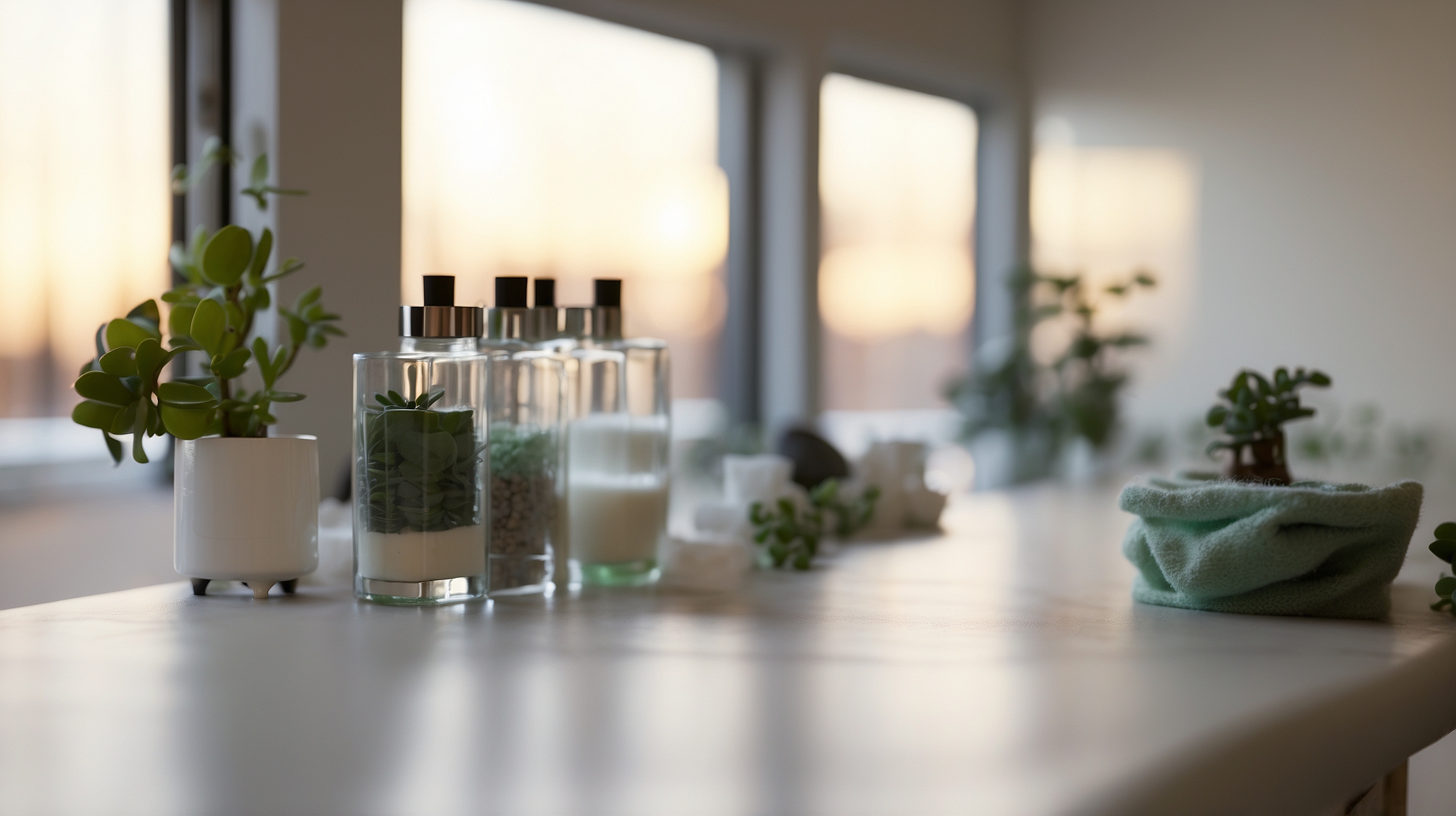
Cleaning bathroom shelves might seem like a simple chore, but anyone who has ever tried knows the struggle: moving countless products, knocking over bottles, and ultimately spending more time than necessary restoring everything to its original place. The quiet chaos of toppling toothbrush holders, lotions, and skincare items often leaves even the most organized homeowners dreading bathroom maintenance. But there’s a simple trick that most people overlook—a method that keeps your shelves spotless without disrupting a single item.

This game-changing cleaning technique focuses on minimizing disruption while maximizing efficiency. Instead of clearing your shelves entirely before cleaning—which increases the risk of clutter and accidental spills—this strategy allows you to wipe everything down neatly and thoroughly, and it takes way less time than the old-school “lift and clean” approach. If you’ve ever avoided cleaning behind the corners of your bathroom shelves because of the sheer effort required, it’s time to turn things around with this smart, effective solution.
Overview of the simple trick to clean bathroom shelves efficiently
| Problem | Items fall over or get misplaced during shelf cleaning |
| Solution | Use a flat-edge cleaning tool or microfiber cloth wrapped around a ruler |
| Time Required | 5–10 minutes per shelf |
| Skill Level | Beginner-friendly |
| Tools Needed | Microfiber cloth, thin plastic tool (e.g., ruler), disinfectant spray |
The problem with traditional shelf cleaning
Traditionally, cleaning bathroom shelves involves completely emptying out all items, wiping down the surface, and slowly reloading everything back in the right place. While this process ensures a thorough wipe-down, it’s incredibly time-consuming and can result in scattered bathroom items and cosmetic spills. For multitaskers or busy families, this kind of cleanup requires way too much time and coordination for frequent upkeep.

Moreover, many bathroom essentials like serums, small jars, or perfume bottles are made of glass or ceramic, and moving them in a hurry invites accidents. It’s not uncommon to accidentally knock over a bottle that shatters on the tile floor, leading to a messy (and potentially dangerous) clean-up.
The trick most people miss when cleaning bathroom shelves
Here’s the key move that changes everything: instead of removing all the items on your bathroom shelf, use a flat, thin-edged cleaning tool—like a ruler or butter knife—wrapped in a damp microfiber cloth. Slip this into the gaps between items to gently sweep and disinfect the area without moving a thing. This method enables you to reach tight corners and spaces between objects with ease, lifting dust, hair, and moisture build-up in seconds.

Pair this with a gentle, multi-surface disinfectant spray applied directly to the cloth (never spray cleaning products directly onto shelves when items are present) and you’ve got a convenient, no-spill, no-hassle method that ensures every shelf stays clean with minimal effort.
People love clever cleaning hacks, especially when they solve frustrating problems most homeowners experience every day.
— Jenna Martinez, Home Organization ExpertAlso Read How a Daily News Anchor’s Simple Advice Stopped One Person’s Overthinking—And Why It Might Work for You
Why this cleaning hack is so effective
This cleaning method is so effective because it eliminates resistance—both psychological and physical. Psychologically, you no longer procrastinate because the cleaning job doesn’t require redecorating or reorganizing your entire shelf. Physically, the task is easier because you’re dealing with fewer items in motion, and you reduce chances of damage or breakage from mishandling fragile items.
Plus, by disinfecting with a microfiber cloth instead of paper towels or sponges, you’re getting better results. Microfiber traps dust and bacteria more effectively, making it great for surfaces that store personal care items.
Tools you’ll need and how to use them
Gather the following to make quick work of your bathroom shelf cleaning:
- Microfiber cloths – for gentle, residue-free wiping
- A flat instrument – such as a plastic ruler or silicone spatula for maneuvering into tight spots
- Multi-surface cleaner or homemade solution – Opt for a non-toxic formula safe for enclosed spaces
- Optional: Cotton swabs – useful for reaching tight corners or behind faucet mounts
Fold the cloth over your tool of choice, spray the cleaner onto the cloth, and glide it behind and around items on the shelf. If any area is particularly gunky, apply pressure gently, adjust angles, and do a second pass to ensure it’s fully wiped down.
When to deep-clean versus detail-clean
Understanding when to do a minor clean versus a full deep-clean can help you maintain your bathroom efficiently:
- Detail clean (weekly): Using the microfiber trick to wipe away newly accumulated dust or water stains.
- Deep clean (monthly): Remove all items to scrub or sanitize the entire shelving unit, addressing any potential mold, mildew or spilled liquids beneath products.
Combining both methods helps you keep hygiene standards high without exhausting your schedule every week.
Other helpful organizing tips for cleaner shelves
While keeping your shelves clean is half the battle, maintaining organization helps ensure the space stays manageable for longer. Here are a few pro-tips:
- Use shelf liners: Easy to clean and protect your surfaces from spills
- Group similar items: Use small trays or bins to gather similar products together
- Consider vertical space: Use tiered organizers to double storage without clutter
- Label containers: Great for roommates or family-shared bathrooms to avoid mix-ups
Common cleaning mistakes to avoid
A lot of us make simple, avoidable errors when cleaning the bathroom. To ensure your shelves stay clean longer, avoid the following:
- Using paper towels – They often leave lint and don’t pick up hair or dust effectively.
- Spraying directly onto shelves – Can cause moisture to drip behind items and may damage exposed paper labels.
- Rushing the process – Even with this shortcut cleaning method, take time to focus on tricky spots like corners and back ledges.
The key to a truly clean space is consistency—frequent small cleans outperform sporadic deep ones every time.
— Marcus Nguyen, Professional Cleaner
Maintaining clean shelving long-term
If you want this trick to earn its worth over time, turn it into a part of your weekly legit clean-up. A quick swipe during your Sunday reset or after brushing your teeth at night keeps your shelves always fresh without needing a calendar reminder.
Store a prepared microfiber cloth and tool combo under your sink or in an easy-access drawer. That way, a five-minute task never feels like a full-on project.
Frequently Asked Questions
Can I use this trick on glass or mirrored shelves?
Yes, just make sure your cloth is lightly damp to avoid streaking. Use circular motion for mirrored finishes.
Is it safe to use vinegar as a cleaner on bathroom shelves?
In most cases, yes—especially for glass, tile, and non-porous plastic shelves. However, avoid vinegar on natural stone or unsealed wood.
What kind of cloth works best for this technique?
Microfiber cloths are ideal because they attract dust and absorb moisture without scratching surfaces.
How often should I clean my bathroom shelves?
Once a week is usually enough for detail cleaning, with monthly deep cleans to sanitize and reorganize.
What should I do when something spills on the shelf?
Immediately use a microfiber cloth with diluted cleaner to prevent stains or damage. For sticky spills, do a second wipe with warm water.
Can I use disposable wipes instead of a microfiber cloth?
You can, but they may leave residue and don’t pick up dust as effectively. They also cannot be reused, making them less sustainable.
How do I keep small items from falling over all the time?
Use trays, dividers, or small bins to group similar products together. This keeps everything stable and easier to move when needed.
About the Author