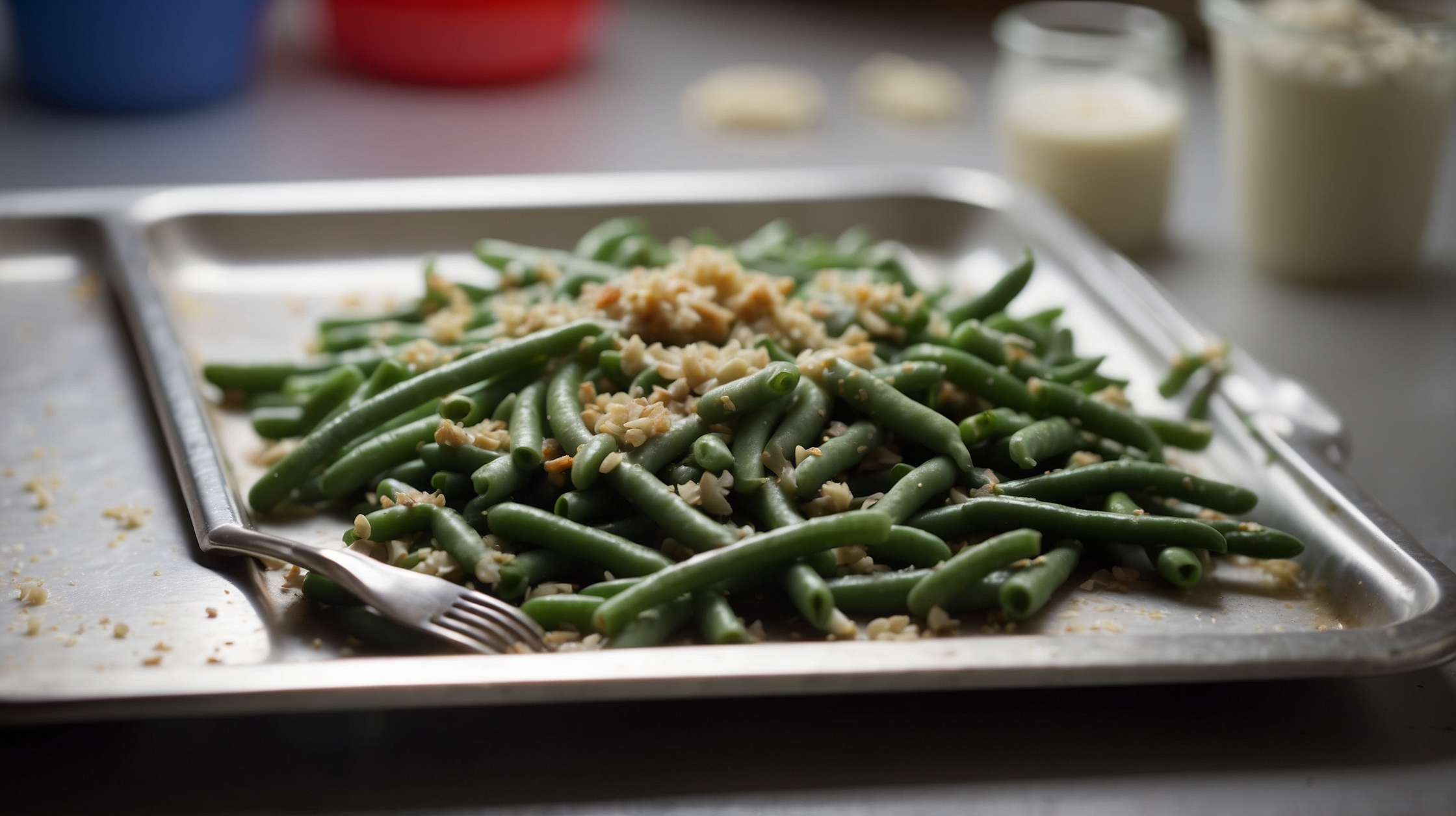

A routine school lunch turned into a health emergency this week when more than 20 elementary school children were hospitalized after consuming a **reheated meal** at a local public school. Parents, school administrators, and health officials are now looking for answers after what appeared to be a simple reheating of a day-old meal led to wide-scale foodborne illness. The incident has sparked concerns over food safety protocols, especially in public school kitchens that serve hundreds of children each day.

The affected students, all from the same grade level, reportedly began showing symptoms—vomiting, diarrhea, stomach cramps, and fever—about two to three hours after their midday meal. Within hours, over 20 children were rushed to nearby hospitals as symptoms worsened, prompting a full-scale investigation by the local health department. As of now, all hospitalized children are in stable condition, but the community is demanding accountability and change.
Core facts surrounding the school lunch food poisoning incident
| Date of Incident | Monday, June 3, 2024 |
| Location | Washington Elementary School |
| Number of Students Affected | Over 20 children |
| Symptoms Reported | Vomiting, Diarrhea, Abdominal Pain, Fever |
| Type of Meal Served | Reheated Chicken & Rice |
| Immediate Action | Meal service suspended; Health inspection launched |
| Status of Students | Stable, Observed and Treated in Hospital |
| Investigation Led By | County Department of Public Health |
Why the reheated meal became a health hazard
Reheating leftovers is common practice in millions of households, but in institutional settings like schools, improper storage and reheating techniques can very quickly become dangerous. According to preliminary findings, the chicken and rice dish served was reportedly leftover from the previous day. Sources inside the school kitchen staff revealed that the meal was refrigerated but may not have been stored at the correct temperature or for the recommended duration.

When it was reheated, food safety inspectors believe that it may not have reached the **minimum internal temperature** required to kill harmful bacteria such as Salmonella or Clostridium perfringens. These bacteria thrive in environments where food is cooled improperly or left at **”danger zone” temperatures (40°F–140°F)** for extended periods.
This looks like a textbook case of time-temperature abuse. If food isn’t cooled quickly and reheated thoroughly, it creates prime conditions for bacterial growth.
— Dr. Lisa Nguyen, Infectious Disease SpecialistAlso Read Freeview Switch-Off Update: Who Could Lose TV Channels and What Viewers Need to Do Next
What symptoms students experienced and what’s typical
Health experts classified the incident as a case of acute foodborne illness. The affected children developed symptoms within hours—an indication that the source was likely a toxin-producing bacteria. Children are particularly vulnerable to such illnesses due to their developing immune systems, and even a mild foodborne illness can become serious very quickly.

Common symptoms included:
- Sudden onset vomiting
- Watery diarrhea
- Cramping and abdominal pain
- Mild to high fever
Fortunately, there have been no reports of long-term complications, but health professionals are monitoring the children for **secondary infections** or dehydration, which can be serious without timely treatment.
What oversight measures failed to prevent this
Under federal regulations, school meal programs are subject to strict food safety guidelines. These include temperature checks, refrigerated storage logs, and sanitation protocols. A public school like Washington Elementary is typically inspected by both local and state food safety officials at routine intervals. However, lapses can occur in the **day-to-day operations** when kitchen staff are not adequately trained or facilities are under-resourced.
We often find that school kitchens are operating with outdated equipment and skeleton crews. It’s a recipe for mistakes—even unintentional ones.
— Maria Lopez, School Nutrition Advocate
The human impact and parental response
Parents of affected students have voiced outrage and concern, expressing disappointment in school officials for allowing the consumption of a reheated meal under questionable safety conditions. The school district held an emergency town hall on Tuesday evening, which was attended by concerned parents, teachers, and local officials.
Some parents indicated that their children had expressed distaste for the meal and suspected it had “gone bad.” However, no intervention was made prior to serving. The **lack of communication** between kitchen staff and oversight authorities is now under scrutiny.
My daughter said the chicken smelled funny, but the staff told her it was fine to eat. Within hours, she was in the ER. It’s unacceptable.
— Amanda Fields, Parent of 4th Grade Student
District’s response and forthcoming policy changes
The school district has since issued a formal apology and has temporarily halted use of leftovers in its lunch menus. They announced the launch of a third-party food safety audit to review kitchen practices across all schools in the district.
Additional measures being discussed include:
- Mandatory food safety refresher courses for kitchen personnel
- Installation of automated temperature monitoring equipment
- Independent safety inspections every quarter
Furthermore, a district spokesperson confirmed that they are reevaluating supplier contracts to ensure all ingredients meet **freshness and traceability standards.**
Legal and ethical implications being explored
The public health department has not ruled out negligence charges, depending on the outcome of the ongoing investigation. Legal experts suggest that if it’s found the kitchen supervisor knowingly allowed the consumption of improperly stored or reheated food, **civil or even criminal liability** could be in play.
Litigation is a possibility. Where public trust is broken, restoring accountability becomes legal as well as ethical.
— Carla Ramirez, Public Safety Attorney
Lessons and takeaways for school systems nationwide
This incident is a cautionary tale for schools across the country as the debate around school meal quality and safety intensifies. With funding often spread thin, cafeteria workers must manage tight budgets, limited equipment, and intense time constraints—all of which can compromise food safety without proper oversight.
Experts are now calling for a **nationwide reevaluation** of school food service policies, particularly regarding reheated meals, bulk preparation, and staff training protocols.
FAQs about the school lunch food poisoning case
What was the exact food item that caused the illness?
The dish believed to have caused the illness was reheated chicken and rice, served a day after it was initially prepared.
How many children were hospitalized?
More than 20 students were rushed to local hospitals after consuming the affected meal.
Is it safe to serve reheated food at schools?
Yes, but only if strict food safety guidelines are followed—including proper cooling, storage, and reheating to required internal temperatures.
What symptoms should parents watch for after food poisoning?
Common symptoms include nausea, vomiting, diarrhea, stomach cramps, and fever. Seek medical attention if symptoms persist for more than 24 hours or worsen.
Will the school face legal consequences?
It’s possible. An investigation is underway to determine if legal liability applies due to negligence or lack of oversight.
What steps is the school taking to prevent this again?
The school district is enacting temporary bans on leftover meals, implementing external audits, and retraining kitchen staff in food safety protocols.
Can children develop lasting complications from foodborne illness?
While most recover fully, some may experience dehydration or secondary infections. It’s vital to monitor them and maintain hydration.
How can other schools avoid similar incidents?
By investing in equipment, maintaining proper logs, hiring trained staff, and consistently adhering to all food safety regulations and standards.
About the Author