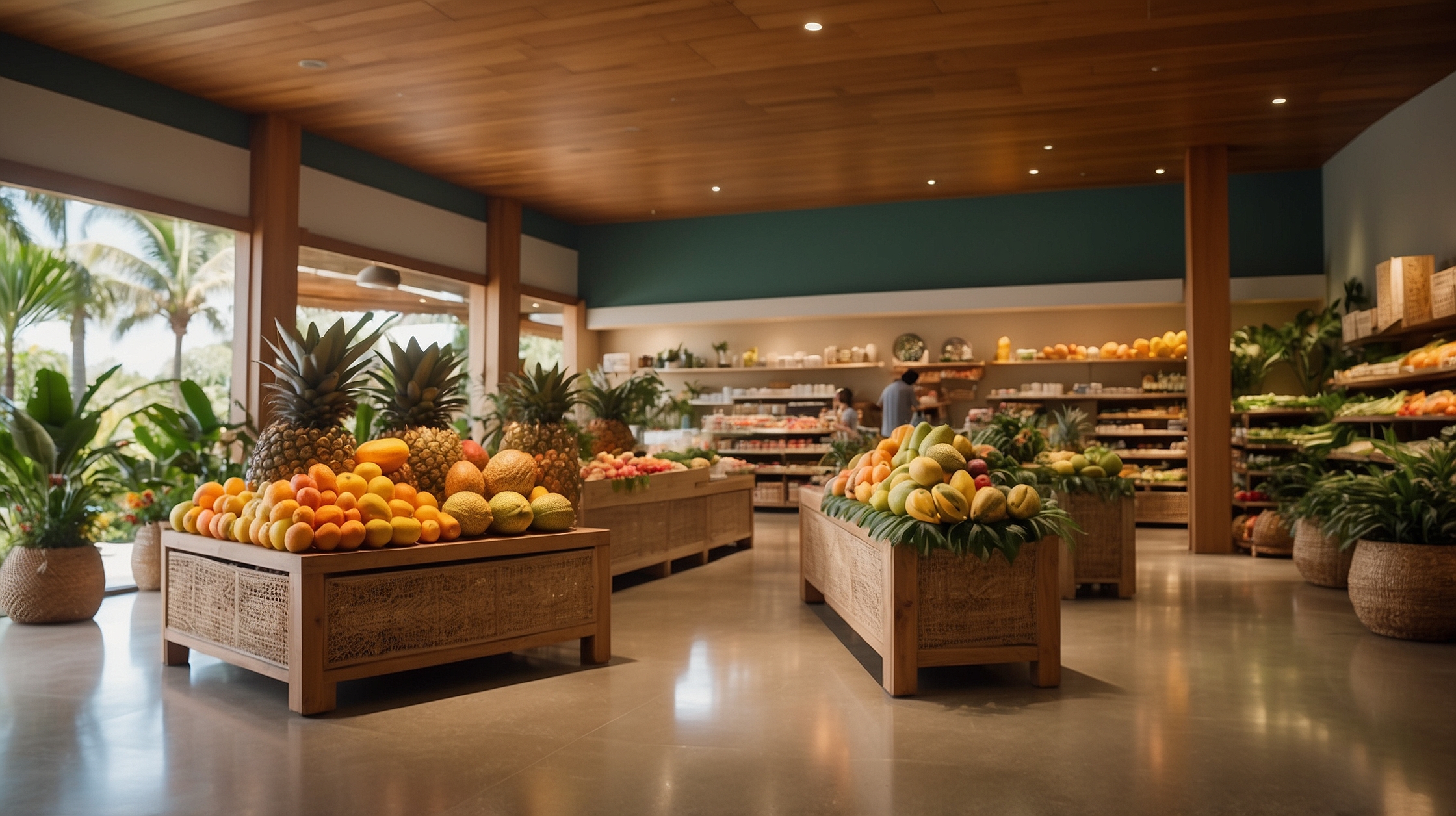

For years, consumers have associated sky-high grocery prices with major coastal hubs like **California and New York**. With their massive urban centers and high cost of living, these states often top lists for the most expensive essentials. However, a surprising shift has occurred in the landscape of American grocery costs. According to recent data, **Hawaii** has now emerged as the most expensive state for grocery shopping in the U.S., surpassing even the traditionally pricier mainland states.

This revelation reflects broader changes in supply chain dynamics, shipping logistics, inflation patterns, and even regional policies that disproportionately impact remote or isolated states. While inflation has affected every American’s wallet in recent years, island states like Hawaii face a unique set of challenges that severely impact their food costs. These issues have been magnified in today’s post-pandemic economy, where the ripple effects of global disruptions are still being felt in local supermarkets.
From meat and dairy to fresh produce and packaged goods, nearly every category of grocery items in Hawaii now carries a heavier price tag than anywhere else in the continental United States. For residents already contending with high housing costs and utility expenses, this adds another layer of financial pressure—especially for low- and middle-income families.

Snapshot of 2024 U.S. Grocery Cost Rankings
| State | Average Monthly Grocery Cost (Per Person) | Ranking |
|---|---|---|
| Hawaii | $611 | 1 (Most Expensive) |
| California | $550 | 2 |
| New York | $519 | 3 |
| Alaska | $488 | 4 |
| Washington, D.C. | $451 | 5 |
| Texas | $385 | 18 |
| Kansas | $320 | 47 |
| Mississippi | $302 | 50 (Least Expensive) |
Why Hawaii is topping the grocery charts now
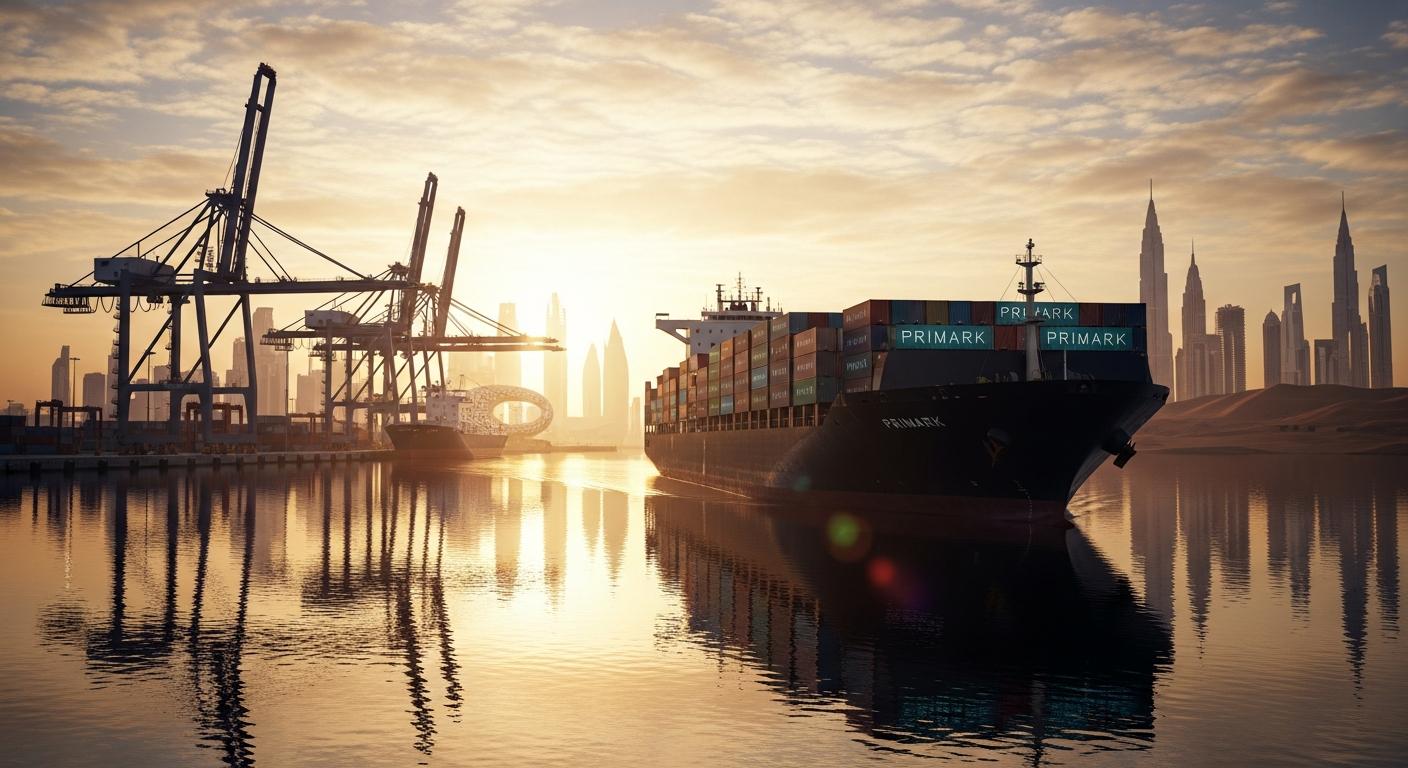
Hawaii has long struggled with higher baseline living expenses, but the current surge in grocery costs is the result of compounding factors. Unlike mainland states where products can be transported via rail or truck, almost all consumer goods in Hawaii—around **85% to 90%**—must be shipped by sea or air. This creates a built-in premium on nearly every item sold in stores.
Transportation costs have surged globally in recent years, especially for fuel and cargo logistics. The war in Ukraine triggered widespread energy price volatility, while labor shortages and port congestion have slowed down delivery times, further increasing costs. Hawaii, sitting more than 2,000 miles from the nearest continental port, bears the brunt of these shipping constraints.
“We’re dealing with multiple imported inflationary pressures. Hawaii’s geographic isolation makes it more vulnerable than any other U.S. state.”
— Sarah Nalani, Senior Economist, Pacific Research Institute

How local supply limitations raise prices further
Unlike rural areas in the continental U.S. that can rely more heavily on locally sourced goods, Hawaii’s tropical climate and land use restrictions limit large-scale agricultural production. While the islands do grow some fruits like pineapples, papayas, and macadamia nuts, they produce a small fraction of the meat, grains, and dairy products consumed by locals.
As a result, **reliance on imports is near-total**. Even staple goods that are cheap elsewhere—like eggs, bread, and milk—can cost over 50% more on the islands. A gallon of milk in Honolulu can exceed **$8**, compared to about **$3.50** on the mainland.
Who is hit the hardest by rising food prices
Hawaii’s residents are already grappling with a high average housing cost—often ranking top three in the country. Adding food insecurity to the equation exacerbates existing inequality.
Essential workers, seniors, and single-parent households are especially vulnerable. Food banks report record demand across multiple islands, while grocery retailers are seeing a shift in buying habits toward **bulk purchases**, discount brands, and reduced fresh produce items.
“We’ve never seen such a sustained level of food assistance needs, even post-COVID. It’s not that people aren’t working—they just can’t keep up with the costs.”
— Malia Keawe, Director, Aloha Community Food Alliance
Winners and losers among U.S. states
| Category | States |
|---|---|
| Most Expensive for Groceries | Hawaii, California, New York, Alaska, Washington, D.C. |
| Most Affordable for Groceries | Mississippi, Arkansas, Kansas, Oklahoma, Missouri |
Ripple effects on tourism and hospitality
Hawaii’s tourism, a cornerstone of its economy, is also feeling indirect effects from grocery inflation. Hotel operators, restaurants, and catering services must now pay substantially more for raw ingredients. This has led to menu price hikes and a growing chasm between what tourists pay for luxury experiences versus what residents can afford for everyday meals.
All-inclusive resorts and international hotel chains can absorb some of the impact due to economies of scale, but independent local restaurants often cannot. Their price increases are prompting some visitors to scale back on dining splurges, which in turn threatens the viability of small businesses that rely on tourist spending.
State policies and what the future could hold
Hawaii’s lawmakers have attempted various relief measures to combat the cost of living crisis, including **temporary food tax waivers** and increased funding for school meal programs. However, sustainable solutions remain elusive.
Calls for increased **local food production**, more robust **aquaculture** initiatives, and improved **agricultural subsidies** have grown louder. Still, critics point to the island’s limited arable land and strict zoning laws as impediments to progress. Until structural changes occur, the state’s food system remains vulnerable to global market fluctuations.
“We need a generational strategy to make Hawaii more self-sufficient. Short-term fixes won’t solve a problem rooted in geography and systemic dependency.”
— Kenji Tanaka, Policy Analyst, Hawaii State Economic Forum
Short FAQs about America’s most expensive grocery state
Why is Hawaii now the most expensive state for grocery shopping?
Due to its remote location, Hawaii imports nearly all its food via air or sea, leading to high shipping costs. Combined with inflation and supply chain disruptions, this has pushed prices higher than any mainland state.
How much does the average person in Hawaii spend on groceries each month?
As of 2024, the average monthly grocery bill for one person in Hawaii is approximately **$611**, making it the highest in the nation.
Are grocery prices still rising in Hawaii?
Yes. Although inflation is slowing nationally, Hawaii continues to see incremental price hikes due to enduring logistical and import challenges.
What are some of the most expensive grocery items in Hawaii?
Milk, eggs, meat, and fresh produce top the list. A gallon of milk can cost more than **$8**, and eggs often exceed **$6** per dozen.
How is the local government addressing food affordability?
The government has introduced tax relief on food items, invested in school meal programs, and is exploring initiatives to boost local agriculture.
How do grocery prices in California and New York compare?
California and New York remain expensive, with average monthly costs around **$550** and **$519** respectively, but still lower than Hawaii’s $611.
Are residents changing their shopping habits?
Yes, many are buying in bulk, switching to discount brands, and relying more heavily on food pantries or government assistance.
Could Hawaii’s grocery costs go down in the future?
Only if more goods can be sourced locally or if logistics become more efficient. Structural challenges mean prices are unlikely to drop significantly soon.
About the Author