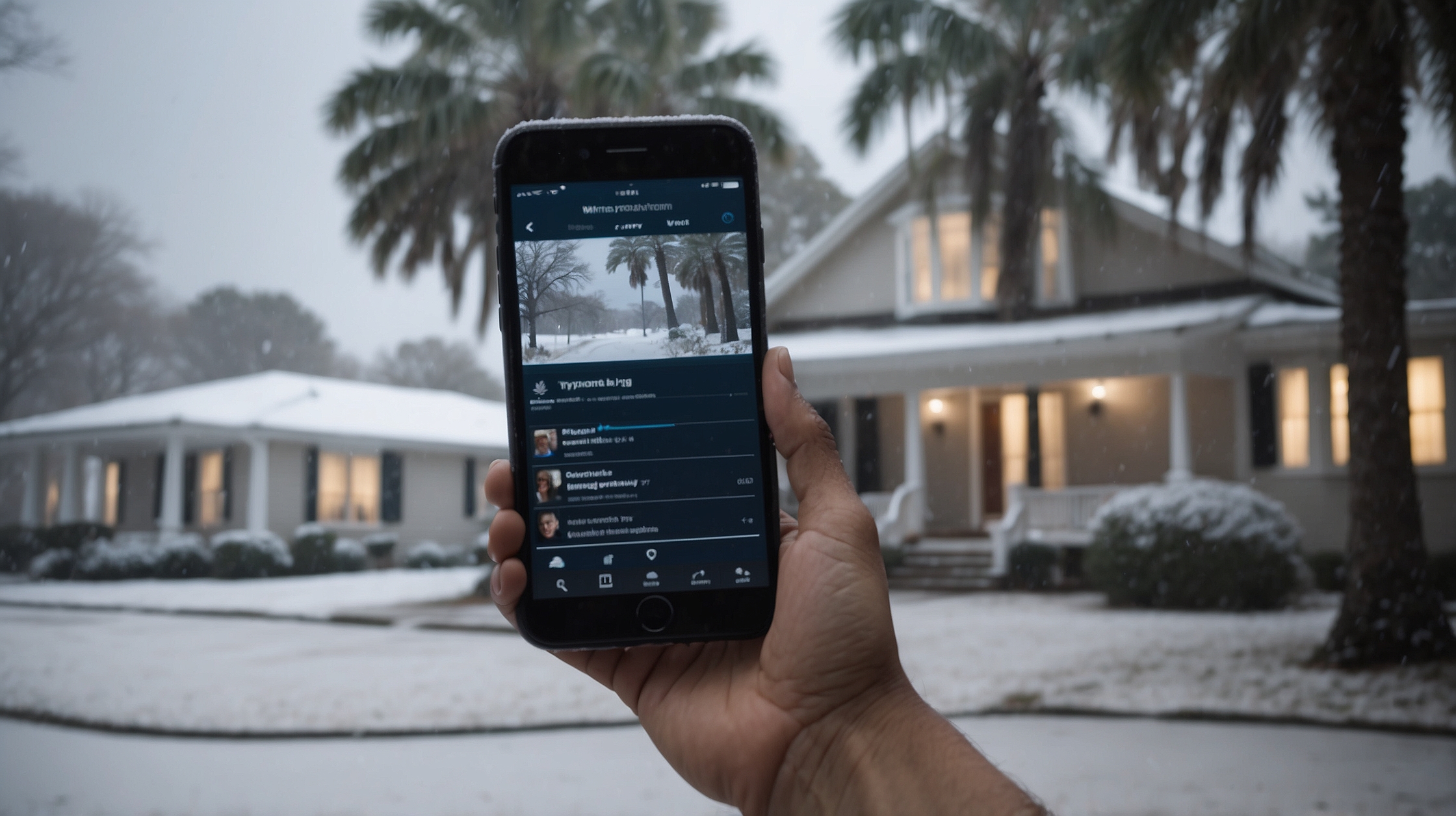

As winter weather becomes more unpredictable and intense across the Southeast, South Carolina has found itself increasingly at risk for dangerous cold snaps and snowstorms. February’s recent winter storm forced emergency declarations, stranded travelers, and affected hundreds of thousands of residents across the state. For many households, the startling event highlighted just how unprepared they might be for sudden freezing weather. Being proactive by gathering the right emergency contacts now could be a life-saving move this winter season.

Whether you’re living in the Lowcountry, Midlands, or Upstate, it’s crucial to know who to call when disaster strikes. During a storm, traditional power lines and cell towers may fail, but with the right resources saved offline or printed, you can still access help. Local emergency services, utility companies, road condition hotlines, and specialized winter response units—all should be at your fingertips before the next frost settles.
Key emergency contacts to save now
| Resource | Contact Number | Why It Matters |
|---|---|---|
| South Carolina Emergency Management Division (SCEMD) | 1-866-246-0133 | Statewide coordination during disasters and storm updates |
| Local County Emergency Management Office | Varies by county | Local shelter locations, evacuation info, real-time alerts |
| Dominion Energy SC (Power outages) | 888-333-4465 | Report power outages and receive restoration updates |
| Duke Energy (Upstate SC) | 800-769-3766 | Covers outages in many northern counties |
| SCDOT Road Conditions Hotline | 855-467-2368 | Get travel and road closure information during storms |
| American Red Cross, SC Region | 803-540-1200 | Emergency shelters, supplies, winter survival assistance |
| National Weather Service (Charleston/Columbia/Greenville) | N/A – App or NOAA weather radio | Weather alerts, watches and warnings |
Why winter weather readiness matters more than ever
South Carolina historically enjoyed relatively mild winters, but the last several years have bucked that trend. Climate scientists note a shifting pattern that brings colder Arctic air deeper into the Southeast more often. What this means is that stronger cold fronts, snow, ice, and even power grid disruptions—once rare in Palmetto State winters—are becoming annual concerns.

“With the recent ice storm that left thousands without power for days, we’re urging every household to have a winter readiness plan that includes emergency contacts and supplies.”
— Sarah Morrison, Chief Resilience Officer, SCEMD

For vulnerable groups like the elderly, disabled, rural families, and those facing extreme poverty, even a brief power outage amid freezing temperatures could result in medical emergencies or worse. Cell towers often malfunction in storms, making pre-saved or written-down contact lists even more critical.
How to organize your emergency contacts
Experts recommend keeping emergency numbers in at least three formats: stored on your phone, written on paper (kept with emergency kits), and saved digitally in a backed-up cloud document accessible offline. Each method can compensate in a situation where the others fail. For high-risk homes, consider laminated versions of key contacts stuck to refrigerators or near landline phones.

Apps like Ready South Carolina (SCEMD’s mobile application) allow for convenient access to storm alerts and resource lists. Still, whenever possible, download or print resource guides ahead of time, especially when weather predictions warn of an incoming front.
Critical steps to take before the next freeze
In addition to emergency contacts, staying safe during winter requires advance planning:
- Stock up on non-perishable food, blankets, flashlights, water, and medications.
- Determine the nearest emergency shelter location and understand its hours and requirements.
- Sign up for your county’s local weather alert system or community warning services.
- Ensure that elderly neighbors, disabled family members, or local at-risk citizens have a working home phone and copy of your updated contact list.
“Many residents neglect getting winter-ready because they associate severe snow or freezing temps with northern states. But South Carolina’s increasing exposure to these weather events makes preparation essential.”
— Dr. Emily Horne, Meteorologist
Community shelters and food banks play key roles
During major cold events, pop-up warming shelters may open overnight in locations coordinated by organizations like the Red Cross and local emergency services. Food banks also expand coverage during winter, working in tandem with churches and nonprofits. Households should know which local facilities provide these services and be familiar with operating hours and eligibility requirements.
Volunteering or donating to local shelters before a storm improves your community’s resilience and can provide a vital lifeline to those most at risk in extreme cold.
Don’t forget pet preparedness
Your emergency plan should also account for pets. Power outages and frigid temps could be life-threatening to animals left outdoors. Include veterinary contact numbers, store pet food and water, and identify animal-friendly shelters in your area.
“Storm shelters that accept pets help reduce illegal abandonments during evacuations. Calling ahead helps confirm which facilities allow domestic animals.”
— Jason Alvarez, Horry County Animal Control
Power outages and heat: What to do when the furnace shuts down
Furnaces and electric heat pumps require power—meaning an outage overnight can rapidly chill your home below safe levels. Invest in safe supplemental heat sources such as propane heaters labeled for indoor use, or thermal sleeping bags rated for extreme cold. Always check carbon monoxide safety guidance if choosing fuel-burning emergency gear.
Encourage family members to gather in one room to retain shared body heat and reduce risk. Insulate windows with plastic or towels and block drafts along floors. Knowing your utility’s estimated restoration time and being able to reach them is vital for these scenarios.
Winners and losers: Who is most affected by winter storms
| Winners | Why |
|---|---|
| Prepared households | Experience little disruption due to advance stocking and planning |
| First responders | Better equipped this year with upgraded communications from SCEMD |
| Losers | Why |
| Rural and low-income residents | Often lack backup heat, storm windows, or communications capability |
| Pet owners without plans | Many scramble too late for pet-safe shelter options |
Stay ahead of the forecast
The final piece in winter preparedness is knowing when weather changes are coming. Most South Carolina residents should monitor the National Weather Service zone alerts for their region—Charleston, Columbia, or Greenville-Spartanburg. Weather radios with NOAA alert capability don’t rely on cell service and work during prolonged outages. You should also follow verified social media accounts for the SCEMD and your county’s emergency officials.
But ultimately, the most effective winter storm preparation begins with knowing who to call when things go wrong. Saving the right emergency contacts today could mean the difference between comfort and crisis tomorrow.
Frequently Asked Questions
What is the SC Emergency Management Division, and what do they do?
SCEMD coordinates statewide emergency response during disasters, including winter storms, by issuing alerts, opening shelters, and organizing search and rescue when needed.
Where can I find my local emergency management office?
Each South Carolina county operates its own emergency management department with contact phone numbers and storm info usually available through county government listings.
Which utility company should I call during a power outage?
If you’re in the Midlands or Lowcountry, contact Dominion Energy SC. For Upstate residents, Duke Energy handles most service areas.
Where are warming shelters located?
Shelters open during severe cold are coordinated by the Red Cross and local officials. Location details are broadcast through emergency alerts and county websites as storms approach.
Can I bring pets to emergency shelters?
Some emergency shelters allow domestic animals, but it’s essential to call ahead and check specific policies, as not all facilities are pet-friendly.
How can I report downed power lines or gas leaks?
Use your utility company’s emergency hotline—Dominion and Duke offer 24/7 assistance for dangerous incidents involving infrastructure.
What’s the best backup heat source during an outage?
Portable indoor-safe propane or kerosene heaters are commonly used, but only if properly ventilated. Always follow manufacturer carbon monoxide safety instructions.
Is there a printed checklist I can use for winter storm readiness?
Yes, many emergency planners recommend printing your contact list and supply checklist, then keeping them with your emergency kit in a waterproof bag.
About the Author