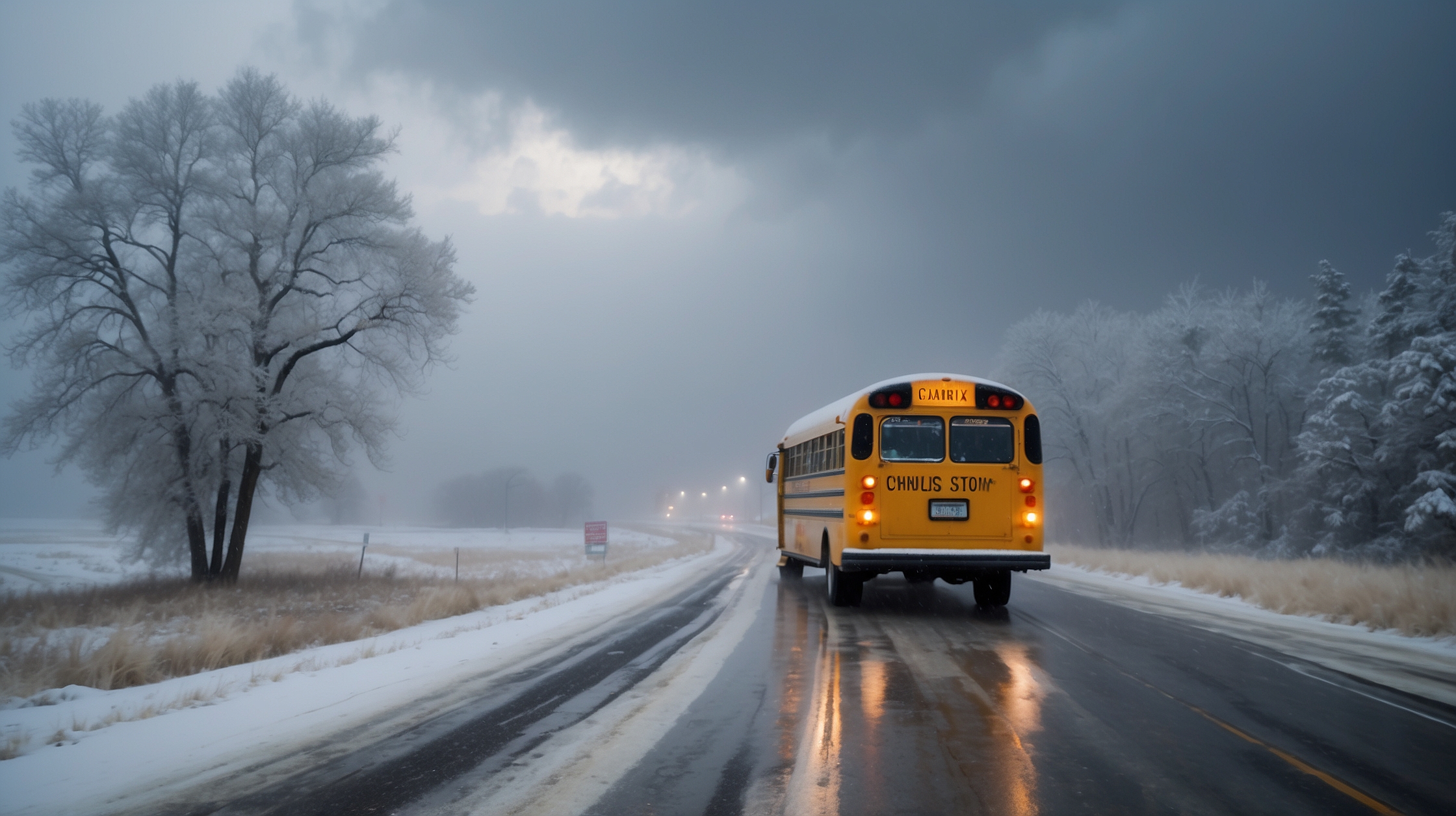

As a powerful winter storm barrels through the Southeast, several school districts across **Georgia and North Carolina** have swiftly announced closures for the weekend. With forecasts predicting icy roads, heavy snowfall, and dangerously low temperatures, school officials are erring on the side of caution to protect students, staff, and communities. The disruption comes just as schools begin the new calendar year, compounding challenges for districts already juggling absences from flu season and COVID-19 cases.
In anticipation of deteriorating conditions, emergency alerts and weather advisories were issued across the region as of Friday afternoon. The situation has prompted both public and private school systems to release updates about school closures, virtual learning options, and potential delays in afterschool activities. Rural and mountainous areas in particular are preparing for significant impacts, raising concerns about accessibility and infrastructure in these communities.
Which school districts are cancelling and when
| State | District | Status | Closure Dates | Mode of Learning |
|---|---|---|---|---|
| Georgia | Fulton County Schools | Closed | Friday, Jan 12 – Monday, Jan 15 | No classes |
| Georgia | Cobb County Schools | Closed | Friday, Jan 12 | Asynchronous online |
| North Carolina | Wake County Public Schools | Closed | Friday, Jan 12 | No classes |
| North Carolina | Buncombe County Schools | Closed | Friday, Jan 12 – Monday, Jan 15 | Remote learning |
| North Carolina | Charlotte-Mecklenburg Schools | Delayed | Friday, Jan 12 | 2-Hour Delay |
Why the closures are happening now
According to weather experts, a low-pressure system moving in from the Midwest is colliding with cold southern air, creating the perfect conditions for snow and ice accumulation in areas unaccustomed to winter weather severity.

“This storm is packing strong winds, freezing rain, and chances of up to 6 inches of snow in North Georgia and the mountainous regions of North Carolina. It’s enough to make road travel extremely hazardous.”
— Lauren Beck, Senior Meteorologist

Local emergency management teams have urged residents to remain indoors and limit travel throughout the weekend. Power utilities are also ramping up readiness, warning of potential outages due to ice-laden tree limbs damaging power lines.
Impacts on students, families, and education
While a school closure may bring initial cheers from students, the broader implications are more nuanced. Missed instructional days can delay curriculum pacing, disrupt testing schedules, and place added strain on working parents. For low-income families, closures may also mean temporary loss of school-provided meals and safe childcare environments.

Districts are attempting to mitigate the impact by deploying asynchronous learning modules and optional virtual lessons. However, effectiveness varies widely based on technology access and parental involvement at home—highlighting long-standing gaps in **digital equity.**
“Every closure is a tough decision. But student safety is paramount. We’re balancing learning loss concerns with serious weather-related dangers this weekend.”
— Dr. Adrian Hall, Superintendent, Buncombe County Schools
Transportation and road safety challenges
Georgia and North Carolina’s Departments of Transportation have begun pre-treatment efforts on major highways and interstates, but officials warn rural and secondary roads may remain ice-covered for much of the weekend. School transportation services have echoed concerns about operating buses safely during early morning hours.
“Our crews have been salting and brining since early Thursday, but temperatures are expected to drop below freezing quickly. Black ice is a real threat across hilly terrain in North Carolina.”
— Marcus Chen, DOT Regional Operations Manager
Public transit and emergency services may also face disruptions. Residents are encouraged to stock up on food, water, and medication in preparation for potential travel limitations from Friday evening through Monday.
How this year’s response compares to previous storms
Unlike previous milder winter systems, this storm exhibits greater breadth and power, affecting multiple states simultaneously. Officials from both Georgia and North Carolina highlight more aggressive early action plans this time, including earlier announcements of school closures and preparation for multi-day outages.
Technological improvements are playing a role as well, with districts utilizing automated phone systems, mobile alerts, and social media to quickly disseminate closure details to families. Many school boards have also revised their extreme weather protocols based on lessons learned from the pandemic.
What happens next for recovering school schedules
Most districts have indicated that makeup days may be scheduled later this spring if closures extend into multiple weekdays, although some intend to file for inclement weather waivers with their respective State Departments of Education.
Spring break trimming, adding instructional minutes to existing days, or converting teacher planning days into class time are all tools on the table for administrators seeking to recoup lost time.
“If this storm stretches closures through next week, we anticipate shifting calendars and reevaluating our spring testing patterns as well.”
— Tasha Griggs, Instructional Director, Fulton County Schools
Long-term learning and policy implications
This weather-induced disruption follows a year where many schools across the South worked to recover from learning loss due to earlier hurricanes and pandemic closures. Experts say climate change is increasing the variability of weather patterns, destabilizing traditional school-year planning.
Some educators are advocating for increased investment in **remote readiness**, proposing that each district implement universal virtual day contingencies for abrupt closures. Others call for firmer state guidance regarding how schools report closures, calculate instructional time, and prioritize student mental health during such emergencies.
FAQs: School closures and winter storm impact
Which Georgia school districts have officially closed?
Fulton and Cobb County Schools in Georgia have confirmed closures, with no classes scheduled Friday and into Monday for many students.
Will these be counted as excused closures or require makeup days?
Most districts are considering applying for weather-related waivers, but several plan to schedule makeup days or add hours to future academic days.
Are remote class options available during closures?
Yes, some districts like Buncombe County are offering remote instruction, while others have opted for asynchronous assignments or complete cancellations.
How much snow or ice is expected in affected regions?
Up to 6 inches of snow is forecasted for mountainous areas, with freezing rain severely affecting travel conditions across both states.
Are private schools also closed?
Many private and charter schools have announced independent closures. Parents should check with individual schools for confirmation.
What happens if power outages occur during the closures?
Districts with online learning options advise families to prioritize safety and complete assignments later if power is temporarily lost.
Will Monday classes also be canceled?
Some districts have already extended their closures through Monday. A final determination may depend on post-storm cleanup conditions on Sunday.
Where can families get help with food or childcare during closures?
Local community centers, churches, and food banks are stepping in to support families during this extended weekend. Emergency hotlines also remain active.
About the Author