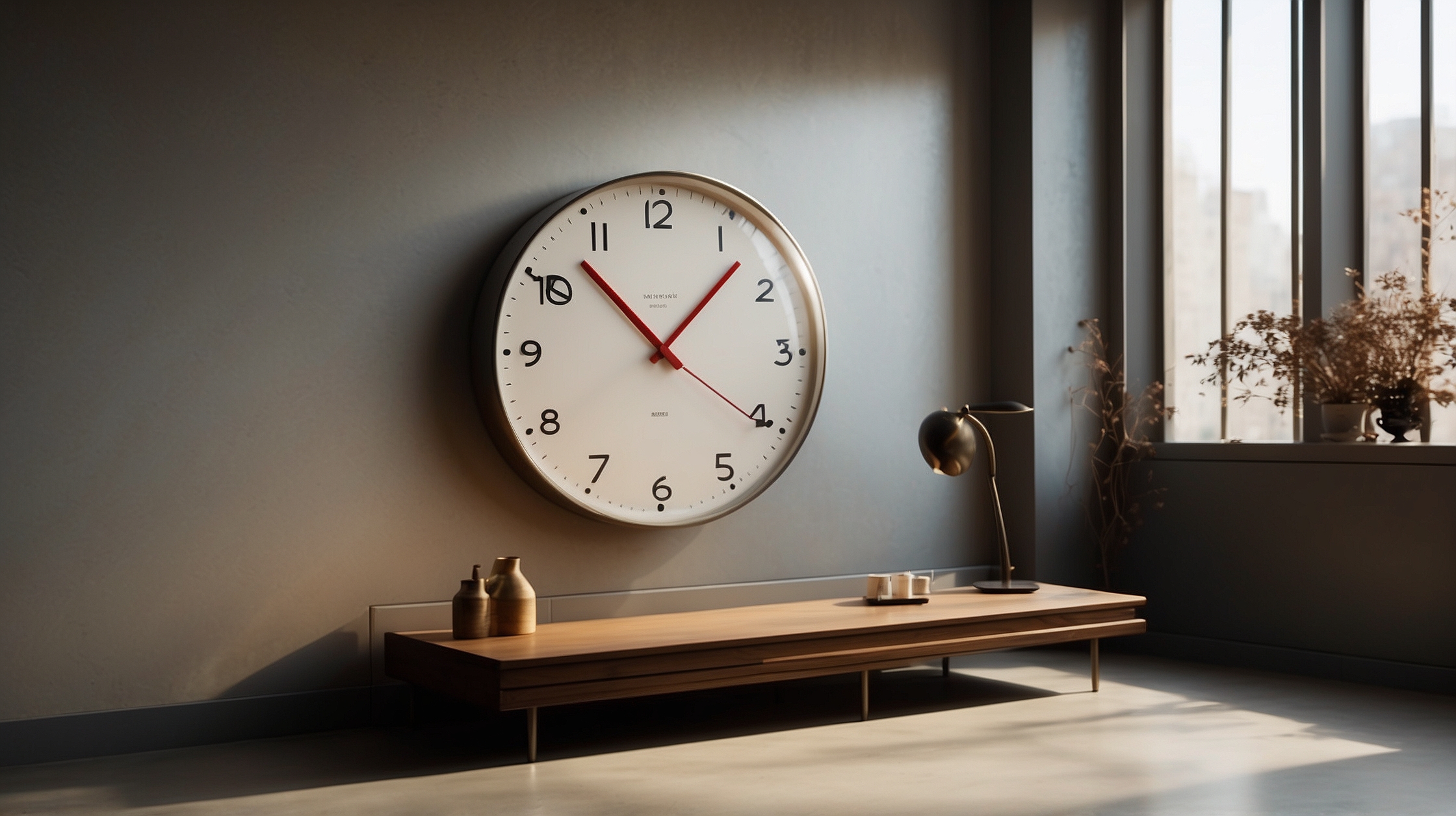

Most Americans are familiar with the biannual ritual of changing their clocks forward or backward, but fewer understand exactly when it happens and why. In 2026, Daylight Saving Time (DST) in the U.S. will once again bring a seasonal shift in time that affects everyone’s daily rhythm. While it’s a minor inconvenience for some, its impact is felt across industries, communities, and even personal health. Knowing the exact date and time to change your clocks — and how to do it efficiently — can make this transition smooth and stress-free.
This guide provides everything you need to know about **Daylight Saving Time 2026 in the U.S.**, including essential timing details, how clocks change across devices, why this practice persists, and tips to adapt quickly. From sleep disruptions to travel schedules and digital confusion, we’ve covered the key points — plus a smart refresher on how to avoid being caught off guard when the time changes.
Daylight Saving Time 2026: Key Facts at a Glance
| Start Date | Sunday, March 8, 2026 |
| Start Time | 2:00 AM local time |
| What Happens | Clocks “spring forward” by one hour |
| End Date | Sunday, November 1, 2026 |
| End Time | 2:00 AM local time |
| Clocks Change Again | Clocks “fall back” by one hour |
| Total Duration | Approx. 8 months |
| Applies To | Most of the United States (except Hawaii and most of Arizona) |
When and why the clocks change in 2026
Daylight Saving Time in the United States will **begin on Sunday, March 8, 2026**, at 2:00 AM local time. At that moment, clocks are moved forward one hour, effectively shifting an hour of daylight from the morning to the evening. This practice is designed to make better use of daylight during the longer days of spring and summer. Daylight Saving Time will then conclude on **Sunday, November 1, 2026**, when clocks will move back an hour to standard time.

The underlying goal is energy conservation and maximizing daylight exposure during waking hours. While the origins of DST are often debated, the modern practice was established nationally in the U.S. by the 1966 Uniform Time Act, with subsequent amendments refining its application. Today, the logic remains the same — make full use of daylight to reduce artificial lighting and align working hours with natural light.
What changed with your clock — and what didn’t
Most digital devices today, such as smartphones and computers, will adjust their clocks automatically if they’re set to the correct time zone and enabled to update via internet time servers. However, manual clocks — such as those on ovens, microwaves, older vehicles, or analog watches — still require human attention. Forgetting to adjust these can cause confusion, missed appointments, or late arrivals.
Here’s a smart checklist of common items to manually check around DST:
- Kitchen appliances (oven timer, microwave, wall clocks)
- Alarm clocks and bedside devices
- Car dashboard clocks (especially in older models)
- Wristwatches not synced to atomic time signals
- Manual HVAC or sprinkler system timers

The impact of DST on health, travel, and technology
One of the most significant but often overlooked effects of DST is its disruption to the body’s natural circadian rhythm. Studies have shown that the shift can lead to **temporary sleep deprivation**, especially after the spring forward. This can result in irritability, reduced concentration, and even increased risk of heart attacks and accidents — particularly in the week immediately following the change.
Travelers should also take note. Airlines, trains, and other scheduled transportation services adjust their operations according to DST, so it’s crucial to double-check travel plans around the transition dates. On the tech side, software developers and IT managers often plan system maintenance carefully around these changes to avoid potential scheduling glitches or data logging errors.
“We always implement DST-adjusted time logging protocols a week in advance to prevent server conflicts and data discrepancies.”
— James Raymond, Systems Engineer
Why some states don’t observe Daylight Saving Time
While most of the U.S. observes DST, there are exceptions. **Hawaii and most of Arizona** do not participate in the time change. Federal territories such as Puerto Rico, Guam, the U.S. Virgin Islands, and American Samoa also opt out. These regions argue that due to their geographic location and abundant sunlight, the time change provides little to no benefit.
For travelers or those making arrangements involving these regions, it’s essential to account for the lack of time change — especially if conducting business between a DST and non-DST location.
Winners and losers of the seasonal time shift
| Winners | Losers |
|---|---|
| Outdoor businesses (golf courses, retail) | Night shift workers |
| Evening-event organizers | People with sleep disorders |
| Parents with school-age kids | Truck & delivery drivers |
| Fitness and outdoor exercise enthusiasts | Anyone with strict medication schedules |
How to change your clocks fast and efficiently
The best time to change your manual clocks is right before you go to bed on Saturday night, March 7, 2026. That way, you’ll wake up on Sunday already synced with the new time. Some tips include sticking notes on your fridge or using smartphone calendar reminders to prompt you the day before.
If you use multiple time-based appliances or live with others, assign each person a room or area to update to ensure no devices are missed. For businesses, a best practice is to appoint a designated “DST coordinator” in the operations team to manage changes to key systems.
“Our internal workflow includes a biannual DST tune-up checklist, and it significantly reduces confusion across international teams.”
— Lisa R., Operations Manager
Calls to eliminate or revise Daylight Saving Time
Over the past few years, political and public interest in ending DST altogether has grown. Several states have passed legislation to stay on permanent Daylight Saving Time or Standard Time, although these changes require federal approval. Researchers continue to study the real impact of DST on energy savings, economic productivity, and public health.
Some experts argue that the disruption to human sleep and productivity outweighs any benefits, particularly in a world increasingly dictated by global digital schedules rather than natural daylight cycles.
“DST solutions made sense in an analog economy. In today’s digital-first world, we’ve simply outgrown it.”
— Dr. Helena Garrios, Behavioral Scientist
What businesses and families should do in advance
Aside from general reminders, businesses should plan meetings, deliveries, and deadlines with the time change in mind. For international teams, this is even more critical as not all countries change clocks on the same day — if at all. Automated calendar platforms often misalign during this period, especially when inviting attendees across time zones.
Families should gradually shift bedtime by 10–15 minutes in the week leading up to DST to soften the impact, particularly for children. Building awareness of the change during dinner talks or family meetings can also help minimize stress and confusion.
Short FAQs about Daylight Saving Time 2026
When does Daylight Saving Time begin in 2026?
It begins on Sunday, March 8, 2026, at 2:00 AM local time. At that moment, clocks move forward by one hour.
When does Daylight Saving Time end in 2026?
It ends on Sunday, November 1, 2026, at 2:00 AM local time. Clocks are moved back one hour.
Do all U.S. states observe Daylight Saving Time?
No. Hawaii, most of Arizona, and several U.S. territories do not observe DST.
Do I need to manually change the time on my phone or computer?
No, most smartphones and computers adjust automatically if you have network time or auto-update features enabled.
Why do we still use Daylight Saving Time?
The practice continues as a way to extend daylight hours for economic and recreational activity, although its benefits are increasingly debated.
Is Daylight Saving Time going away?
Not yet. While some states have moved to make DST permanent, federal law must approve such changes. Discussions are ongoing.
How can I prepare for the time change?
Adjust sleep routines gradually before the change, confirm all devices are updated, and plan calendars accordingly to avoid disruptions.
What’s the easiest trick to remember how the clock moves?
Use the phrase “spring forward, fall back” — clocks go forward in spring and back in fall.
About the Author