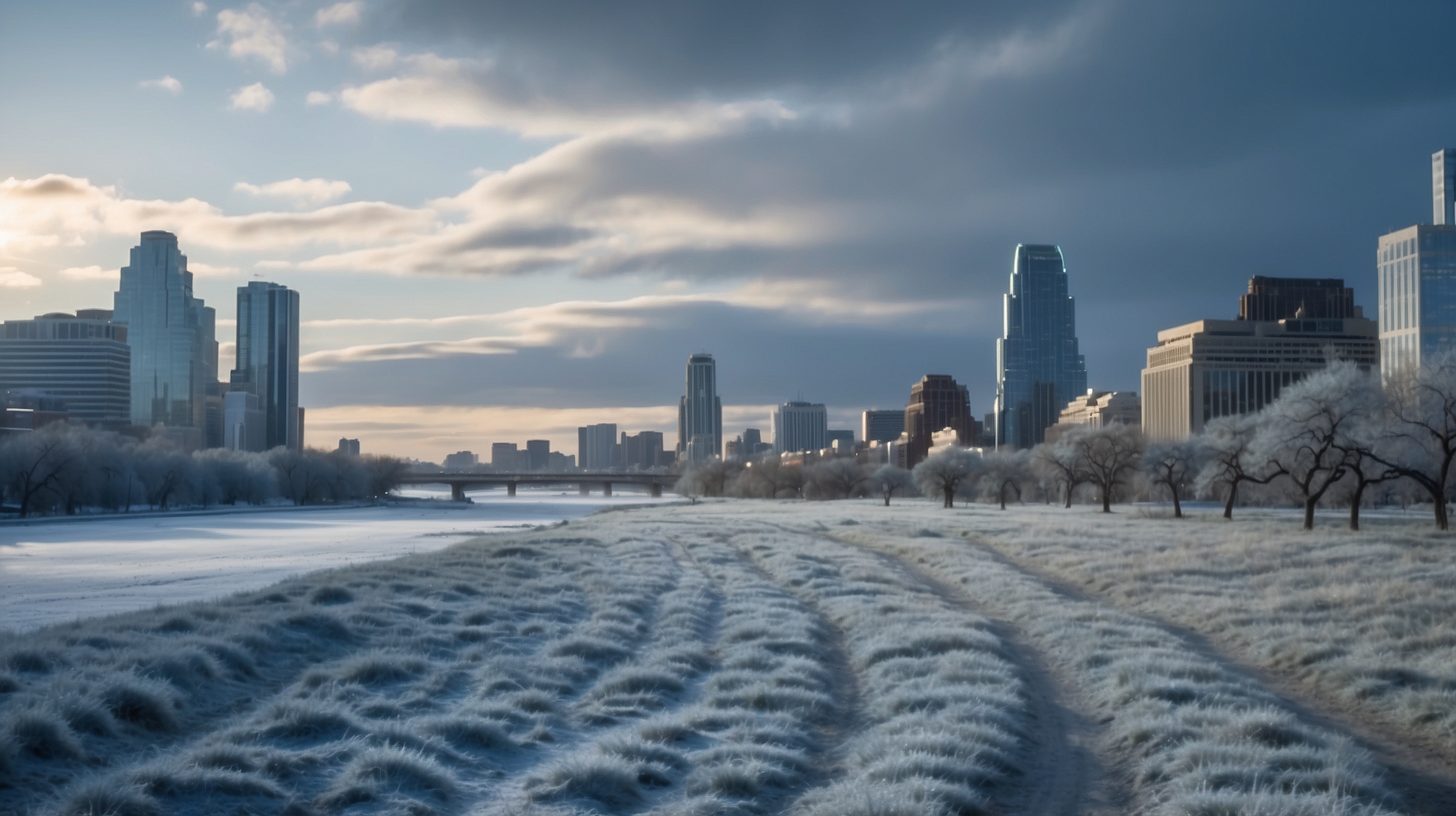

Residents of Austin, Texas, are being urged to prepare for a significant weather event as a hard freeze is forecast to grip the Central Texas area. The upcoming cold front is expected to bring plummeting temperatures that could fall well below freezing, raising concerns about infrastructure, travel safety, and overall public preparedness. Local officials are already coordinating emergency response efforts, and utility companies are working quickly to reinforce energy grids to avoid the kind of power disruptions experienced in previous years.
This Arctic blast is not just another cold snap. Meteorologists warn that it may rival or even surpass some of the historic freezes seen in the region. With overnight lows projected to land in the teens and wind chills adding additional bite, the timeframe between initial arrival and peak intensity will be crucial for residents to take precautions. Schools, businesses, and families are all adjusting plans, bracing for what could be the coldest days of the winter season so far.
Key details on the upcoming Austin freeze event
| Event Type | Hard Freeze / Arctic Cold Front |
| Expected Arrival | Monday evening through early Tuesday |
| Lowest Predicted Temperatures | 12–18°F with wind chill potentially near 0°F |
| Duration of Sub-Freezing Temps | 24–36 hours |
| Most Affected Areas | Central and North Austin, Hill Country |
| Risks | Power outages, frozen pipes, hazardous roads |
| Preparedness Recommendations | Wrap pipes, charge devices, stay indoors, check for warming centers |
What makes this cold front different from regular winter chills
Unlike brief cold spells that may last a day or two with marginally cold nights, this hard freeze poses serious and prolonged threats. According to meteorologists, the atmospheric pattern resembles the polar vortex disruptions seen in previous years that sometimes pull Arctic air deep into the southern U.S. While not expected to bring snow accumulation to Austin itself, the air mass is dense enough to drastically cool the region for several consecutive days.
Statistical modeling shows that temperatures could descend quickly—dropping as much as 30 degrees in just a few hours. Beyond mere discomfort, this poses logistical challenges for transportation networks and energy providers. The city is still haunted by memories of the devastating winter storm in 2021, which caused widespread blackouts and left many unprepared homes in dire conditions. Authorities are now heeding those lessons and urging a more proactive response.
How local officials and utility providers are responding
Coordination between the City of Austin, Travis County, Austin Water, and Austin Energy has already begun. Emergency Operation Centers are being activated, and local officials have advised that crews will be on standby in case outages and road mishaps occur. Austin Energy has specifically noted a focus on reinforcing vulnerable grid nodes and increasing staffing through the weekend.
Additionally, warming centers are being assessed for immediate activation should temperatures plunge more rapidly than expected. City staff is also in touch with homeless shelters to prepare for an increased intake capacity. Pipes are a significant concern again, and utility agencies are urging residents to follow key winterization tips, including dripping faucets and insulating exposed plumbing.
“We understand the trauma this community experienced in 2021, and we are committed to doing everything in our power to avoid a repeat. Advanced forecasting tools and improved grid infrastructure should help us stay ahead.”
— Lisa Martinez, Emergency Operations Coordinator for the City of AustinAlso Read IRS Annex 1-A Explained: What the New Form Is for and How Filling It Out Can Benefit You
Who will feel the greatest impact
The Central Texas Hill Country region and northern portions of Austin are expected to be the hardest hit. These areas typically experience colder microclimates compared to downtown zones due to elevation and urban density factors. Rural communities and individuals with limited access to stable energy structures face elevated risk during hard freezes, and additional aid efforts are being organized by local charities in response.
Out-of-town commuters and overnight travelers are being urged to reconsider or adjust their plans, as road icing may become a real concern during early morning hours. Department of Transportation (TxDOT) crews will be deployed with brine treatment for select highways, but response capacity is finite if the freeze intensifies rapidly.
How this forecast compares to 2021’s winter storm
While this upcoming freeze isn’t projected to bring the kind of systemic collapse seen during February 2021’s winter storm, the conditions are still severe enough to demand full preparation. In 2021, snowfall accumulation, ice, and extended sub-zero temperatures overwhelmed infrastructure. With better forecasting and pre-event readiness, authorities say the current event is serious but manageable with public cooperation.
Crucially, energy regulators and local grid operators have implemented layered protocols to prevent cascading outages. Outages are still possible, but officials stress they would be smaller in scale and resolved faster than three years ago. Compared to 2021, the public is also more aware and educated on what to expect from an Arctic intrusions such as this one.
“This is a dangerous freeze—but not a blackout event—if residents and agencies work in tandem.”
— Michael Torres, Meteorologist with Central Texas Weather Authority
Essential tips to protect your home and safety
Authorities are sharing several well-established safety precautions and winterization tips. Below is a consolidated list of the most critical actions Austinites should take ahead of the freeze:
- Protect your pipes by wrapping exposed lines and dripping indoor faucets.
- Secure outdoor pets and ensure warmth and access to non-frozen water.
- Charge important devices now in case of spotty outages or emergency communication.
- Avoid travel during peak freeze hours, especially early mornings both Tuesday and Wednesday.
- Keep supplies like flashlights, bottled water, and extra blankets readily available.
- Protect plants or move potted ones indoors if possible.
What schools and businesses are planning
Although final decisions will be made closer to the actual weather impacts, school districts across greater Austin are already reviewing contingency plans. Remote learning days or delayed starts remain possible depending on road conditions. Likewise, major employers are giving flexibility to workers to operate remotely or shift work hours around weather extremes.
For small businesses, the warning is even more pointed. Restaurants, for example, are being advised to check freezer line temperatures consistently, and service companies are inspecting HVAC systems ahead of the freeze. Preparedness can mean the difference between maintaining continuity and taking a major financial hit.
Winners and losers of this winter surge
| Winners | Losers |
|---|---|
| Prepared homeowners with insulated pipes | Unprotected outdoor gardens and exposed water systems |
| Utility companies with improved grid infrastructure | Travelers and commuters facing icy conditions |
| Remote employees with schedule flexibility | Service industry workers with decreased foot traffic |
Stay current with emergency announcements
City-based push alerts, local weather stations, and neighborhood apps will play a vital role in disseminating last-minute information, especially timeline shifts in freeze onset or utility disruptions. The Office of Emergency Management encourages residents to opt into local alert systems and follow weather briefings closely through Tuesday night.
“Awareness is half the battle. Early communication allows everyone—individuals, businesses, and responder teams—to stay one step ahead.”
— Tina Delgado, Communications Director, Texas Emergency Response Taskforce
Frequently Asked Questions
How cold will Austin get during this freeze?
Temperatures are expected to fall between 12°F and 18°F, with wind chills possibly making it feel like 0°F or lower in certain locations.
When will the freeze begin and how long will it last?
The freeze is forecast to begin Monday evening and may sustain below-freezing temperatures for 24 to 36 hours.
Will there be snow or ice accumulation?
While snow is not a primary concern, freezing rain or ice development may occur in northern areas and elevated terrain.
Should I expect power outages?
Minor, localized outages are possible but wide-scale blackouts are not anticipated under current utility readiness plans.
What should I do to prepare my home?
Wrap outdoor pipes, leave indoor faucets dripping, insulate vulnerable areas, and stock essential supplies like water and batteries.
Will schools close during the freeze?
School closures or delays are possible depending on road conditions. Check district-specific alerts the night before.
How do I find a warming center if I lose heat?
Warming center locations will be announced by the city if needed. Stay tuned to official city communications.
Are pets at risk during the freeze?
Yes. Bring pets indoors or provide insulated shelter with access to unfrozen water sources.
About the Author