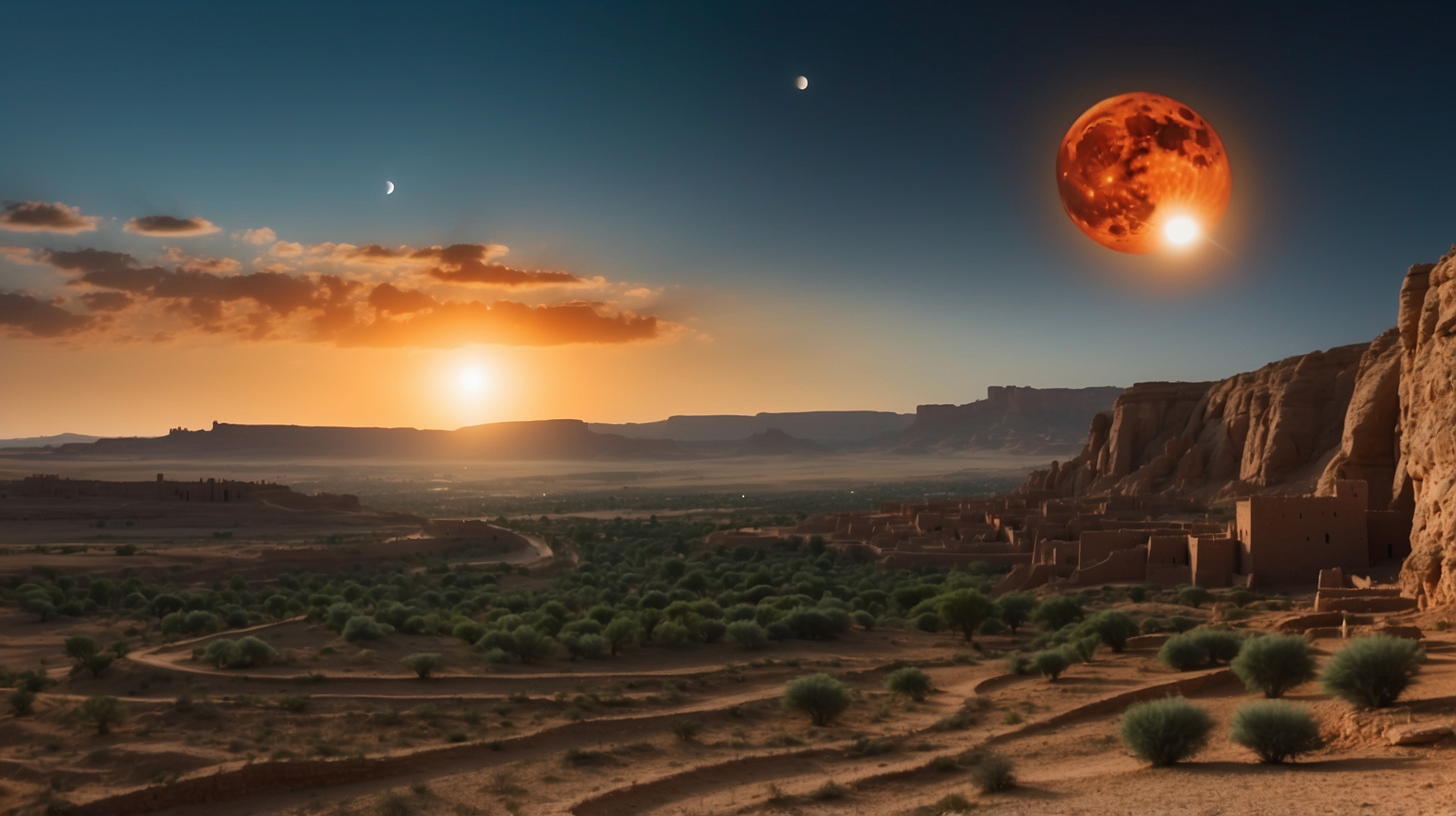

In 2027, the world will witness one of the most breathtaking celestial events of the decade: a **total solar eclipse** lasting more than six minutes. This rare phenomenon will offer a spectacular display as the moon completely covers the sun, turning day into night across parts of Europe, North Africa, and the Middle East. Solar eclipses of this magnitude and duration are uncommon and provide once-in-a-generation opportunities for both scientists and the general public alike to experience the wonders of astronomy.
What makes the 2027 total solar eclipse particularly notable is its **extraordinary duration** of totality—over six minutes in some locations—making it one of the longest total solar eclipses in the 21st century. Enthusiasts from around the globe are already planning expeditions to regions exposed to the full shadow of the moon. Countries like Egypt, Libya, and Saudi Arabia are expected to be among the best viewing spots, setting the stage for substantial tourism and public interest in the event.
2027 Total Solar Eclipse Overview
| Event | Total Solar Eclipse |
|---|---|
| Date of Eclipse | August 2, 2027 |
| Maximum Duration of Totality | 6 minutes 23 seconds |
| Best Viewing Locations | Egypt, Libya, Saudi Arabia, Spain |
| Total Eclipse Path Width | Approximately 250 km |
| Notable City in the Path | Luxor, Egypt |
Where and when totality will occur
The eclipse will begin over the Atlantic Ocean and move eastward, with **totality first visible near the coast of southern Spain**, including cities like Cádiz and Málaga. From there, the shadow of the moon will race across the Mediterranean, cover sections of North Africa, and continue into parts of the Middle East.

According to astronomical projections, one of the **longest periods of total darkness** will occur in **Luxor, Egypt**, a site already famed for its ancient temples and pharaonic history. Luxor is expected to experience 6 minutes and 23 seconds of totality—an incredibly long time for such an event. Other countries along the route include Algeria, Tunisia, Libya, and Yemen.
Why this eclipse is so significant
The 2027 eclipse is exceptional not only for its length but also for its geographic accessibility. Compared to many eclipses that occur over oceans or less-accessible terrains, this one sweeps across **historically and culturally rich regions** with ample infrastructure, making travel and observation more feasible. Skywatchers, amateur astronomers, students, and tourists will all have a chance to see the eclipse with relative ease in many places.

Scientific researchers are particularly interested in observing the **sun’s corona**, or outer atmosphere, which becomes visible during totality. The extended duration of darkness will allow for unprecedented data collection related to solar physics and space weather patterns. As explained by experts, these opportunities help refine our understanding of solar behavior and its impact on Earth.
“A solar eclipse of this kind lets us study the sun’s corona in ways not possible with artificial instruments. It’s a gold mine for science.”
— Dr. Leila Darwish, AstrophysicistAlso Read Daylight Saving Time 2026 in the U.S.: Exact Date, Start Time, and How to Change Your Clock Fast
Cities and countries in the centerline path
The “centerline” refers to the path where the eclipse will be longest and most complete. Key locations on this line include:
- Luxor, Egypt – 6 minutes, 23 seconds
- Mecca, Saudi Arabia – Around 6 minutes
- Tripoli, Libya – Approximately 5 minutes, 30 seconds
- Jeddah, Saudi Arabia – Nearly 6 minutes
- Málaga, Spain – Around 2 minutes of totality
Each of these cities will experience different eclipse durations based on their proximity to the centerline, but all will plunge into dramatic midday darkness. Local governments and tourism boards are already preparing for an influx of visitors, promoting **eclipse festivals**, educational events, and telescope viewings.
Tips for safe viewing of the eclipse
Watching a solar eclipse is an unforgettable experience, but it must be done safely. Looking directly at the sun without proper protection—even during a partial eclipse—can result in serious eye damage or blindness. Use **ISO-certified solar viewing glasses** or specially equipped solar telescopes. Never attempt to view the eclipse through regular sunglasses, binoculars, or telescopes without proper filters.
Additionally, photographers and content creators hoping to capture the event should prepare their **camera equipment in advance** with solar filters and plan their shooting locations early, as ideal spots could become crowded.
“The last thing you want during an eclipse is to waste precious seconds fumbling with camera gear. Preparation is everything.”
— Carlos Rivera, Eclipse Photographer
Implications for tourism and local economies
Destinations within the eclipse’s path are anticipating a massive economic boost from tourism revenues. Egypt, for instance, is expected to host thousands of amateur astronomers and tourists, particularly around Luxor and Aswan. Local hotels, tour operators, and vendors are preparing for what could be the most significant seasonal uptick in years. Some governments are even promoting **combined trips** featuring both the eclipse and ancient archaeological sites. For travelers, it presents a unique opportunity to blend **science and history** into one unforgettable vacation.
Saudi Arabia is also capitalizing on the event to showcase its cultural heritage and expand its tourism initiatives. The timing aligns with the country’s efforts to elevate its global profile as a **travel destination beyond religious visits** to Mecca and Medina.
How this eclipse compares to others in this century
While total solar eclipses happen roughly every 18 months somewhere on Earth, most are either too short or occur in remote regions. What sets the August 2, 2027, eclipse apart is that it’s both **long and accessible**. By comparison, the solar eclipse that occurred in 2017 over the U.S. lasted a maximum of about 2 minutes and 40 seconds, meaning the 2027 event will be more than twice as long in duration of totality.
Future eclipses may offer longer durations still, such as the 2028 event visible in Australia, but few will combine length, accessibility, and cultural allure as perfectly as the 2027 eclipse.
Winners and losers of the 2027 total solar eclipse
| Winners | Losers |
|---|---|
| Egypt (especially Luxor) | Central and Northern Europe (no total eclipse) |
| Saudi Arabia and Libya | Americas (not in eclipse path) |
| Photographers and scientists | Regions with predicted cloudy weather |
Short FAQs about the 2027 eclipse
When is the 2027 total solar eclipse occurring?
The eclipse will take place on **August 2, 2027**.
Where can I see the total eclipse?
Best viewing areas include **southern Spain, Egypt, Libya, and Saudi Arabia**.
How long will the totality last?
The longest duration will be approximately **6 minutes and 23 seconds**, particularly in Luxor, Egypt.
Is it safe to view the eclipse without glasses?
Only during full totality is it safe to view the eclipse directly. Otherwise, always use **certified solar glasses**.
Will the eclipse be visible in the United States?
No, the 2027 eclipse path does not include **North or South America**.
What should I bring for watching the eclipse?
Bring **solar viewing glasses**, sunscreen, camera gear (with proper filters), and plenty of water if you’re in a hot climate.
Will it get completely dark during the eclipse?
Yes, during totality, it will feel like **nighttime**, and stars and planets may become visible in the sky.
Can I photograph the eclipse with a smartphone?
Yes, but you’ll need a **solar filter clip-on** and tripods for the best results. Manual settings are also recommended.
About the Author
