Sarah was scrolling through her social media feed when she stumbled across a video that made her stomach drop. A group of men in tactical gear were discussing plans that sounded more like a war strategy than political discourse. The comments below were even more disturbing – people she knew from her own community were sharing and supporting these extreme views.

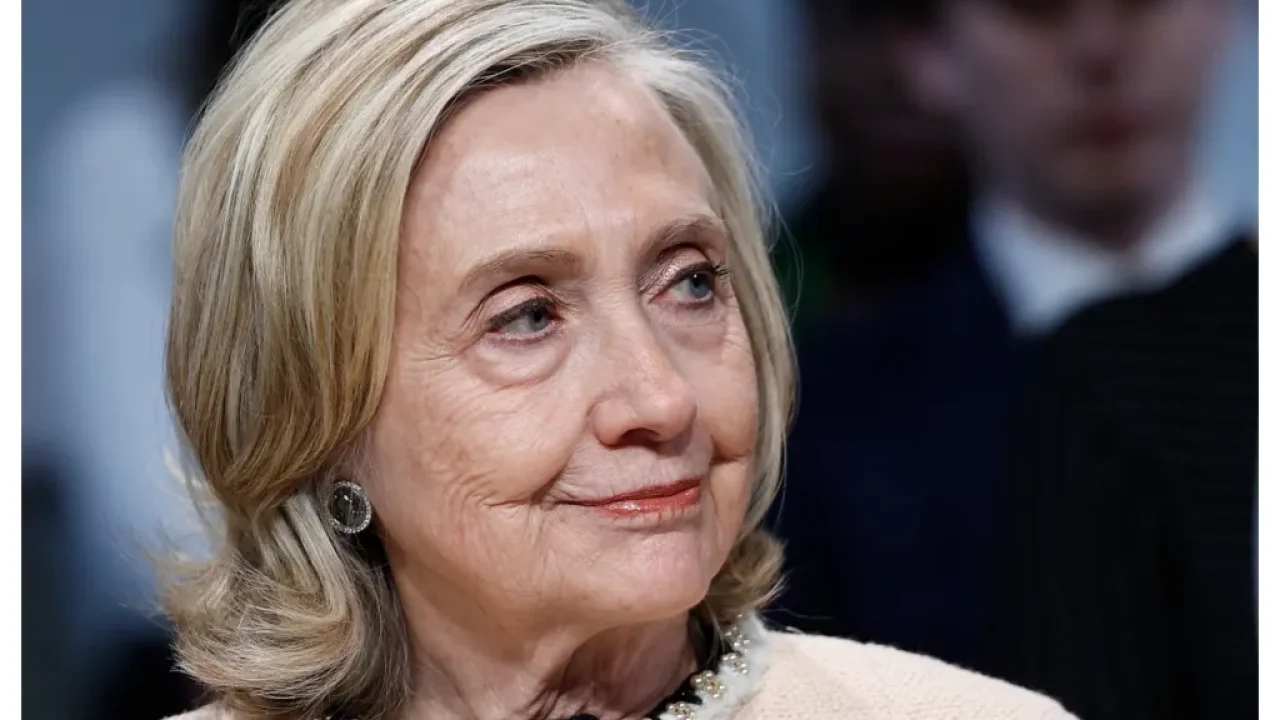
What Sarah didn’t realize was that she was witnessing the very phenomenon that a new documentary called “Undercover: Exposing the Far Right” had been investigating for months. The film, produced by Hillary Clinton’s HiddenLight Productions, uses undercover footage to reveal the inner workings of extremist groups that have been growing in influence across America.
Clinton recently spoke about the documentary’s alarming relevance, calling it a wake-up call that couldn’t come at a more critical time. Her words carry weight as political tensions continue to escalate and extremist rhetoric becomes increasingly mainstream.
Hillary Clinton Champions Documentary’s Urgent Message
The former Secretary of State has been vocal about the documentary’s importance, emphasizing how “Undercover: Exposing the Far Right” reveals dangerous undercurrents in American society that many people prefer to ignore. Clinton’s involvement through HiddenLight Productions signals her commitment to using media as a tool for democratic awareness.
“This film should be a wake-up call,” Clinton stated during a recent discussion about the documentary. Her production company has made it a priority to support projects that shine light on threats to democratic institutions.

The timing feels particularly significant as the country grapples with rising political violence and the normalization of extremist ideology. Clinton’s backing of the project demonstrates how former political leaders are using documentary filmmaking to address issues that traditional news cycles often struggle to cover comprehensively.
Political analysts note that Clinton’s involvement brings both credibility and controversy to the project. “When Hillary Clinton puts her name behind something like this, it immediately becomes part of the larger political conversation,” explains media researcher Dr. Amanda Hayes.

Inside the Documentary’s Shocking Revelations
The documentary “Undercover: Exposing the Far Right” employs investigative techniques that reveal how extremist groups operate, recruit, and spread their influence. The film’s methodology involves embedded journalists and undercover reporting that captures authentic interactions within these communities.
Key findings from the documentary include:

- Sophisticated recruitment strategies targeting vulnerable individuals
- Use of mainstream social media platforms to spread extremist content
- Coordination between seemingly separate groups across different states
- Financial networks supporting far-right activities
- Infiltration attempts of local political organizations
| Documentary Focus Areas | Methods Used | Key Discoveries |
|---|---|---|
| Online Recruitment | Social media monitoring | Algorithmic radicalization patterns |
| Local Group Meetings | Undercover attendance | Real-time planning discussions |
| Financial Operations | Document analysis | Funding sources and distribution |
| Political Infiltration | Meeting recordings | Strategic placement efforts |
The documentary’s producers worked with security experts and former law enforcement officials to ensure the safety of their undercover operatives. This collaboration also helped verify the authenticity and significance of the footage obtained.
“What we discovered was more organized and more widespread than we initially expected,” says one of the documentary’s producers, who requested anonymity due to ongoing security concerns.
Real-World Impact on Communities and Democracy
The implications of “Undercover: Exposing the Far Right” extend far beyond the film itself. Communities across America are dealing with the real-world consequences of extremist organizing, from intimidation at school board meetings to threats against election workers.
Local officials report increased security concerns at public meetings. Teachers describe classroom discussions becoming more contentious as students repeat extreme rhetoric they’ve encountered online. Election administrators face harassment that forces some to leave their positions entirely.
The documentary’s revelations affect multiple stakeholder groups:
- Law enforcement agencies seeking to understand emerging threats
- Social media companies grappling with content moderation challenges
- Educational institutions addressing radicalization among students
- Community leaders working to counter extremist influence
- Families dealing with radicalized relatives
Mental health professionals note an increase in families seeking help when relatives become involved with extremist groups. “We’re seeing parents who don’t recognize their own children anymore,” explains therapist Dr. Michael Rodriguez, who specializes in cult deprogramming.
The economic impact also continues to grow, with businesses in affected communities reporting decreased tourism and difficulty attracting new residents. Some municipalities have had to increase security budgets significantly to protect public officials and facilities.
Media Response and Public Reception
The documentary has sparked intense debate across the political spectrum. Supporters praise its investigative rigor and timely warning about democratic threats, while critics question the filmmakers’ methods and political motivations.
Film festivals have embraced the documentary, with several major events featuring special screenings followed by panel discussions with experts on extremism and media literacy. These events often draw capacity crowds and generate lengthy question-and-answer sessions.
“People are hungry for real information about what’s happening in their communities,” notes festival programmer Lisa Chang. “This film provides that, but it’s not comfortable viewing.”
Streaming platforms report high engagement metrics for the documentary, though they’ve also had to increase content moderation for comments and reviews. The polarized response reflects the broader challenges of discussing political extremism in today’s media environment.
Looking Ahead: What Changes Might Come
Clinton’s support for “Undercover: Exposing the Far Right” represents part of a broader effort by former officials to address democratic backsliding through media and education. The documentary’s impact may influence how news organizations cover extremist groups and how platforms handle related content.
Educational institutions are already incorporating the film into curricula focused on media literacy and civic engagement. Several universities have organized campus-wide screenings followed by discussions about recognizing and countering disinformation.
Policy experts suggest the documentary could influence legislative approaches to addressing domestic extremism. However, they caution that any regulatory responses must carefully balance security concerns with constitutional protections for free speech and assembly.
The long-term effectiveness of the documentary will likely depend on whether it sparks sustained public engagement with these issues or simply adds to an already overwhelming news cycle. Clinton’s continued advocacy suggests she views this as part of an ongoing effort rather than a single intervention.
FAQs
What is “Undercover: Exposing the Far Right” about?
The documentary uses undercover reporting to reveal how extremist groups operate, recruit members, and influence American politics.
Why is Hillary Clinton involved in this project?
Clinton’s production company HiddenLight Productions supports documentaries that address threats to democracy and social issues.
How did filmmakers ensure safety during undercover work?
They worked with security experts and former law enforcement officials to protect operatives and verify footage authenticity.
Where can people watch this documentary?
The film is being distributed through various platforms and has been featured at multiple film festivals nationwide.
What has been the public reaction to the documentary?
Response has been polarized, with supporters praising its investigative work while critics question its methods and political motivations.
How might this documentary influence policy or law enforcement?
It could inform legislative approaches to domestic extremism and help law enforcement understand emerging threats, though any changes must balance security with constitutional rights.
About the Author