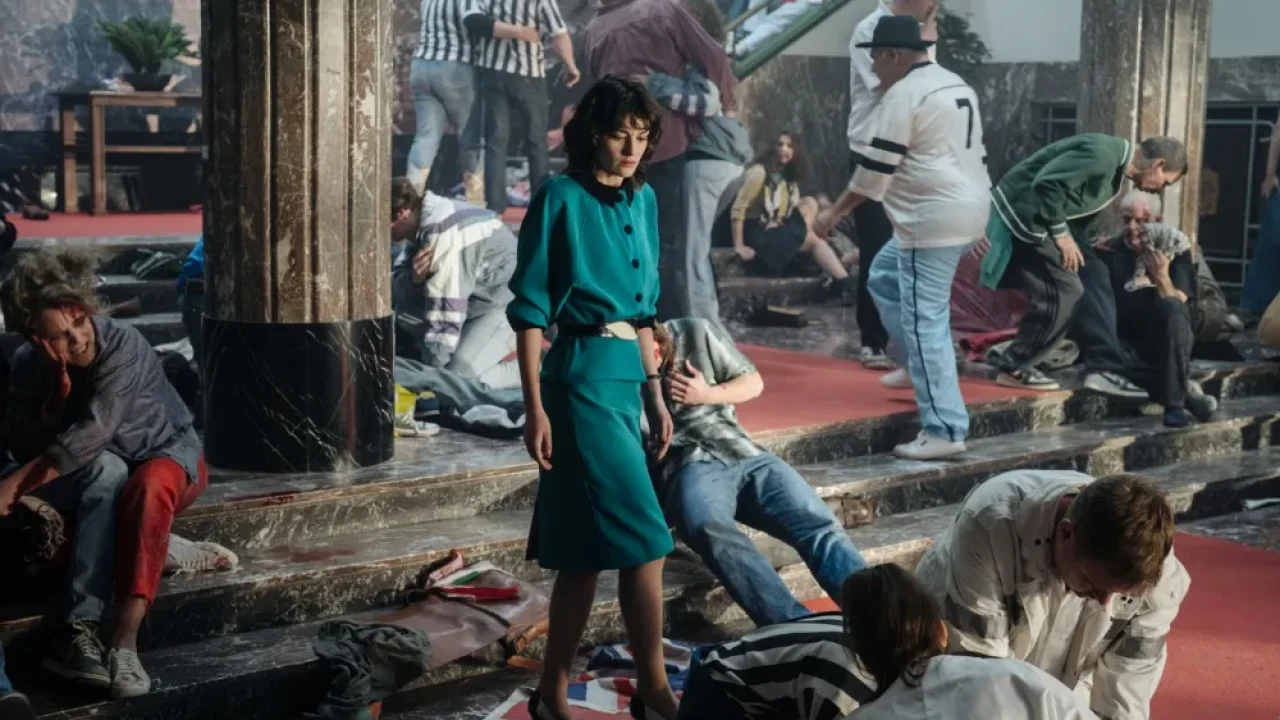
Picture this: You’re sitting in a dimly lit cinema in Brussels, watching a film that makes your chest tighten with every frame. The story unfolding on screen isn’t fiction—it’s about one of football’s darkest days, when 39 people never made it home from what should have been a celebration. That’s the power of “Heysel 85,” a film that’s now capturing hearts and minds across international markets after its stunning debut at the Berlin International Film Festival.
Romanian director Teodora Ana Mihai knew she was treading on sacred ground when she decided to tackle the Heysel Stadium disaster. But sometimes the most difficult stories are the ones that need telling the most.
The film doesn’t just revisit tragedy—it breathes life into the human stories that got lost in the headlines. And now, distributors worldwide are recognizing its profound impact, snapping up rights faster than you can say “standing ovation.”
A Film That’s Striking Gold Across Continents
“Heysel 85” has become the unexpected darling of international film markets following its world premiere in Berlin’s Panorama section. The movie, which explores the devastating 1985 European Cup Final tragedy through intimate character studies, has secured distribution deals across multiple territories.
Industry insiders weren’t surprised by the feeding frenzy. “When you watch ‘Heysel 85,’ you don’t just see a historical recreation—you feel the weight of real human loss,” noted one festival programmer who requested anonymity. “Mihai has created something that transcends language barriers and cultural differences.”
The film centers on the events of May 29, 1985, when Liverpool and Juventus fans clashed at Brussels’ Heysel Stadium, resulting in 39 deaths and hundreds of injuries. But rather than focusing solely on the violence, Mihai’s approach examines the ripple effects on ordinary people caught in extraordinary circumstances.
What sets “Heysel 85” apart is its refusal to exploit tragedy for shock value. Instead, Mihai crafts a meditation on collective trauma, responsibility, and the long shadow that single moments can cast over entire lives.

The International Deals Keep Rolling In
Since its Berlinale debut, “Heysel 85” has attracted serious attention from distributors who recognize both its artistic merit and commercial potential. Here’s what we know about the expanding international reach:
| Territory | Status | Distribution Focus |
|---|---|---|
| Western Europe | Multiple deals secured | Theatrical and streaming |
| North America | Negotiations ongoing | Platform streaming priority |
| Latin America | Interest confirmed | Festival circuit first |
| Asia-Pacific | Early discussions | Arthouse theatrical |
The film’s appeal lies in its universal themes wrapped in a specifically European context. Football tragedy isn’t limited to one country or one era—it’s a global phenomenon that resonates wherever the sport is loved.

Key factors driving international interest include:
- Critical acclaim from respected film festivals
- Strong word-of-mouth from industry screenings
- Timely relevance to ongoing discussions about stadium safety
- Mihai’s reputation as an emerging auteur filmmaker
- The film’s balanced approach to sensitive subject matter
“The response has been overwhelming,” shared a sales representative familiar with the negotiations. “Buyers aren’t just acquiring a film—they’re investing in a piece that could define conversations about sports, society, and collective memory for years to come.”
Why This Story Matters More Than Ever
In an era where stadium tragedies still make headlines—from Hillsborough to more recent incidents—”Heysel 85″ arrives at a moment when audiences crave authentic storytelling about real-world issues. The film doesn’t offer easy answers or convenient villains, which makes it both more challenging and more rewarding for viewers.
Mihai’s background in documentary filmmaking shines through in her approach to historical events. She spent years researching testimonies, interviewing survivors, and studying archival footage to ensure authenticity without sensationalism.
“The families of those who died deserved a film that honored their memory rather than exploited it,” Mihai explained in recent interviews. “Every creative decision was filtered through that responsibility.”
The international distribution success suggests that audiences are hungry for films that tackle difficult subjects with intelligence and compassion. In a landscape often dominated by escapist entertainment, “Heysel 85” proves that cinema’s power to process collective trauma remains as vital as ever.
Football fans worldwide have particularly embraced the film’s nuanced portrayal of supporter culture. Rather than demonizing fandom itself, the movie explores how passion can curdle into something dangerous under the right circumstances.
The Ripple Effects Beyond Cinema
The success of “Heysel 85” is already influencing other filmmakers to tackle similarly challenging historical subjects. Industry observers note a growing trend toward what they’re calling “empathetic historical cinema”—films that approach traumatic events through character-driven narratives rather than broad historical sweeps.
Educational institutions across Europe have also expressed interest in incorporating the film into curricula about sports history, crowd psychology, and media responsibility. Several universities are already planning special screenings followed by panel discussions with historians and sociologists.
The film’s impact extends to ongoing conversations about stadium safety and crowd management. While avoiding explicit political messaging, “Heysel 85” subtly raises questions about institutional responsibility and the long-term consequences of prioritizing profit over public safety.
“This isn’t just entertainment—it’s a civic document,” observed one film critic who attended the Berlin premiere. “Mihai has created something that will be studied and discussed long after the theatrical run ends.”
The international deals also represent a victory for European co-production models. “Heysel 85” was financed through a complex arrangement involving Romanian, Belgian, and French funding sources—a testament to cinema’s ability to transcend borders when telling universal human stories.
FAQs
What is “Heysel 85” about?
It’s a film by Teodora Ana Mihai that examines the 1985 Heysel Stadium disaster through intimate character studies rather than a broad historical overview.
Where can I watch “Heysel 85”?
The film is currently securing international distribution deals following its Berlin premiere, with theatrical releases expected throughout 2024.
Is the film suitable for football fans sensitive to tragedy?
Mihai approaches the subject with respect and avoids exploiting the tragedy, focusing on human stories rather than graphic violence.
Who is Teodora Ana Mihai?
She’s a Romanian director known for her documentary background and thoughtful approach to historical subjects.
Will “Heysel 85” be available on streaming platforms?
Yes, streaming rights are part of the international distribution deals being negotiated, though theatrical releases will likely come first.
How accurate is the film’s portrayal of events?
Mihai spent years researching testimonies and archival materials to ensure historical accuracy while respecting the dignity of those affected.
About the Author