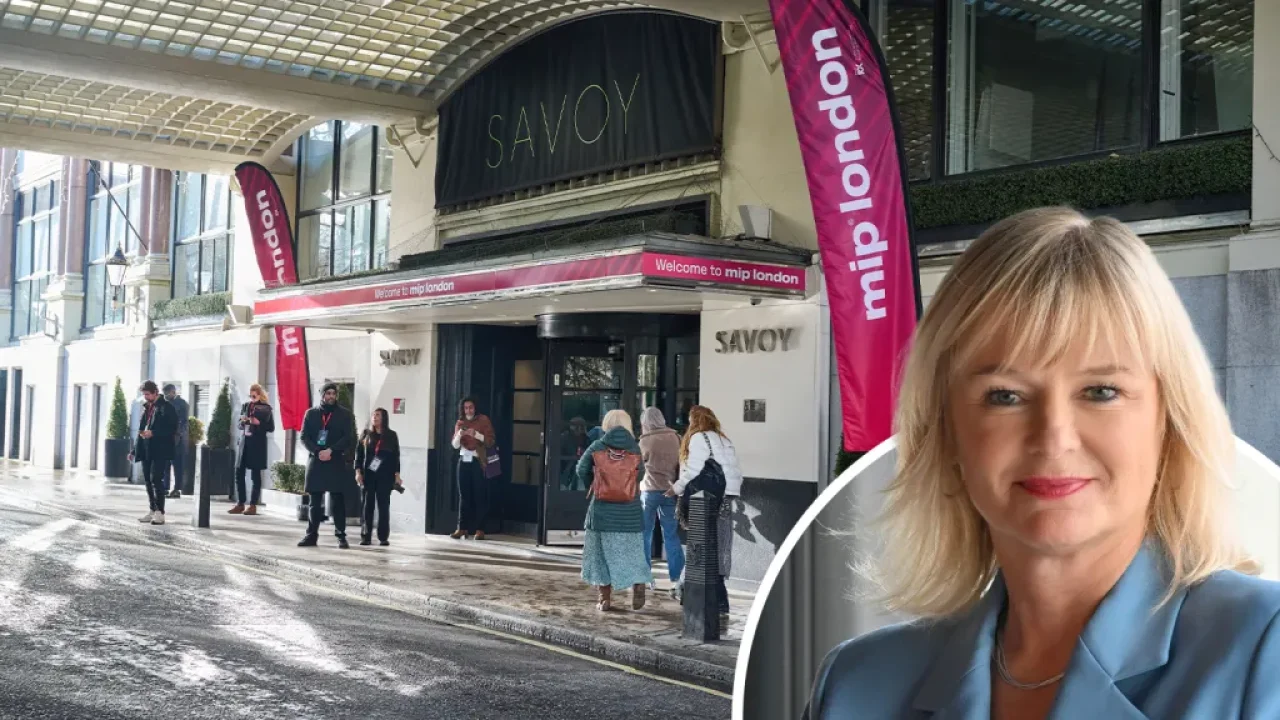
Picture this: you’re a TV executive in London, frantically juggling meetings between Soho production houses, Netflix’s UK headquarters, and that trendy coffee shop where half the industry seems to conduct business. Your phone buzzes constantly with messages from L.A., Cannes, and everywhere in between. Sound familiar? If you work in television, this scene probably hits close to home.

This is exactly the reality that Lucy Smith, RX France’s Managing Director, knows all too well. And according to her latest statements, the UK Content Week has grown into something that rivals the biggest television markets worldwide, sitting proudly alongside Los Angeles and Cannes as a major industry destination.
The announcement comes at a time when the global television industry is reshaping itself, with streaming platforms, traditional broadcasters, and content creators all scrambling to secure the next big hit that will capture audiences’ attention.

Why UK Content Week Matters More Than Ever
Smith’s bold comparison isn’t just industry hyperbole. The UK Content Week has genuinely transformed into one of the most significant television events globally, drawing thousands of executives, producers, and content creators from every corner of the entertainment world.
“What we’re seeing now is unprecedented,” Smith recently explained. “The level of international interest and the quality of content being showcased puts us right up there with the major markets.”

The event has become a crucial bridge between British creativity and global distribution networks. Think about it – where else can you find the perfect storm of established broadcasters like the BBC and ITV mixing with streaming giants and emerging production companies?
But Smith’s comments also touched on something equally important: the future of MIP London, the television market that has become synonymous with high-level industry networking and deal-making.

The Numbers That Tell the Real Story
When you look at the data behind UK Content Week, Smith’s confidence becomes crystal clear. The event has seen remarkable growth that speaks to its increasing importance in the global television landscape.
| Metric | 2022 | 2023 | 2024 | 2026 Projected |
|---|---|---|---|---|
| International Attendees | 2,800 | 3,200 | 3,800 | 4,500 |
| Screening Events | 45 | 62 | 78 | 95 |
| Countries Represented | 32 | 38 | 44 | 52 |
| Deal Value (£ millions) | 180 | 245 | 320 | 425 |
These figures reveal several key trends that make UK Content Week such a powerhouse:

- Consistent year-over-year growth in international participation
- Expanding global reach with new markets joining annually
- Increasing commercial value of deals struck during the event
- Growing number of premium content screenings and showcases
- Enhanced networking opportunities across multiple industry sectors
“The growth we’re experiencing isn’t just about numbers,” Smith noted. “It’s about the quality of connections being made and the caliber of content being developed and distributed through these relationships.”
What This Means for MIP London’s Future
While celebrating UK Content Week’s success, Smith also addressed the elephant in the room: how does MIP London fit into this evolving landscape? The television market has been a cornerstone of the London content calendar, but changes in the industry demand adaptation.
Smith’s vision for MIP London involves positioning it as a complementary event that serves different but equally important functions within the broader UK Content Week ecosystem.
“MIP London will continue to be the place where serious business gets done,” Smith emphasized. “While UK Content Week showcases creativity and builds awareness, MIP London remains focused on the commercial side – the deals, the acquisitions, the co-productions that fund our industry.”
The strategy makes sense when you consider how television markets have evolved. Buyers and sellers need dedicated time for negotiations, while creators and audiences benefit from the broader showcase approach that UK Content Week provides.
The Ripple Effects Across the Industry
Smith’s comments about UK Content Week’s growing stature have implications far beyond London’s entertainment district. The rise of this event reflects broader shifts in how television content moves around the world.
For independent production companies, UK Content Week offers unprecedented access to international buyers who might otherwise be difficult to reach. Small British production houses find themselves sitting across from Netflix executives, BBC commissioners, and distributors from markets they never thought they could access.
“We’re seeing deals being struck that simply wouldn’t have happened five years ago,” observed one industry veteran who has attended every UK Content Week since its inception. “The accessibility and scale have completely changed the game.”
For international buyers, the event provides a concentrated dose of British creativity – from period dramas and comedies to cutting-edge documentaries and children’s programming. The “one-stop shopping” approach appeals to busy executives who need to maximize their time and budget.
Streaming platforms particularly benefit from this arrangement. With their voracious appetite for content and global distribution networks, events like UK Content Week allow them to scout, acquire, and commission content efficiently.
Traditional broadcasters aren’t being left behind either. They’re using UK Content Week to forge co-production partnerships, share costs on expensive programming, and access content that can fill their increasingly demanding schedules.
Looking Ahead: Challenges and Opportunities
Despite the optimistic outlook, Smith acknowledges that maintaining UK Content Week’s momentum requires constant adaptation. The television industry changes rapidly, with new platforms, technologies, and audience behaviors emerging regularly.
“We can’t rest on our success,” Smith warned. “London, L.A., and Cannes each serve different purposes in the global content ecosystem, and we need to make sure UK Content Week continues to offer something unique and valuable.”
The challenge lies in balancing growth with quality. As more people want to attend and participate, organizers must ensure that the event doesn’t lose its effectiveness or become diluted.
Technology integration presents both opportunities and challenges. Virtual reality showcases, AI-powered content matching, and hybrid physical-digital experiences could enhance UK Content Week’s offerings while maintaining the personal connections that drive deal-making.
FAQs
What makes UK Content Week different from other television markets?
UK Content Week combines content showcasing with serious business networking, offering both creative inspiration and commercial opportunities under one umbrella.
How does MIP London relate to UK Content Week?
MIP London operates as a specialized market within UK Content Week, focusing specifically on deal-making and commercial transactions between buyers and sellers.
Who typically attends UK Content Week?
The event attracts television executives, producers, distributors, streaming platform representatives, broadcasters, and content creators from around the world.
What types of deals are made during UK Content Week?
Attendees negotiate everything from content acquisition and distribution rights to co-production partnerships and commissioning agreements.
How has UK Content Week grown in recent years?
The event has seen consistent increases in international attendance, deal values, and the number of countries represented, establishing itself as a major global television market.
What’s the future outlook for UK Content Week according to Lucy Smith?
Smith positions UK Content Week as one of the “big three” alongside Los Angeles and Cannes, with continued growth expected as the global appetite for British content increases.
About the Author