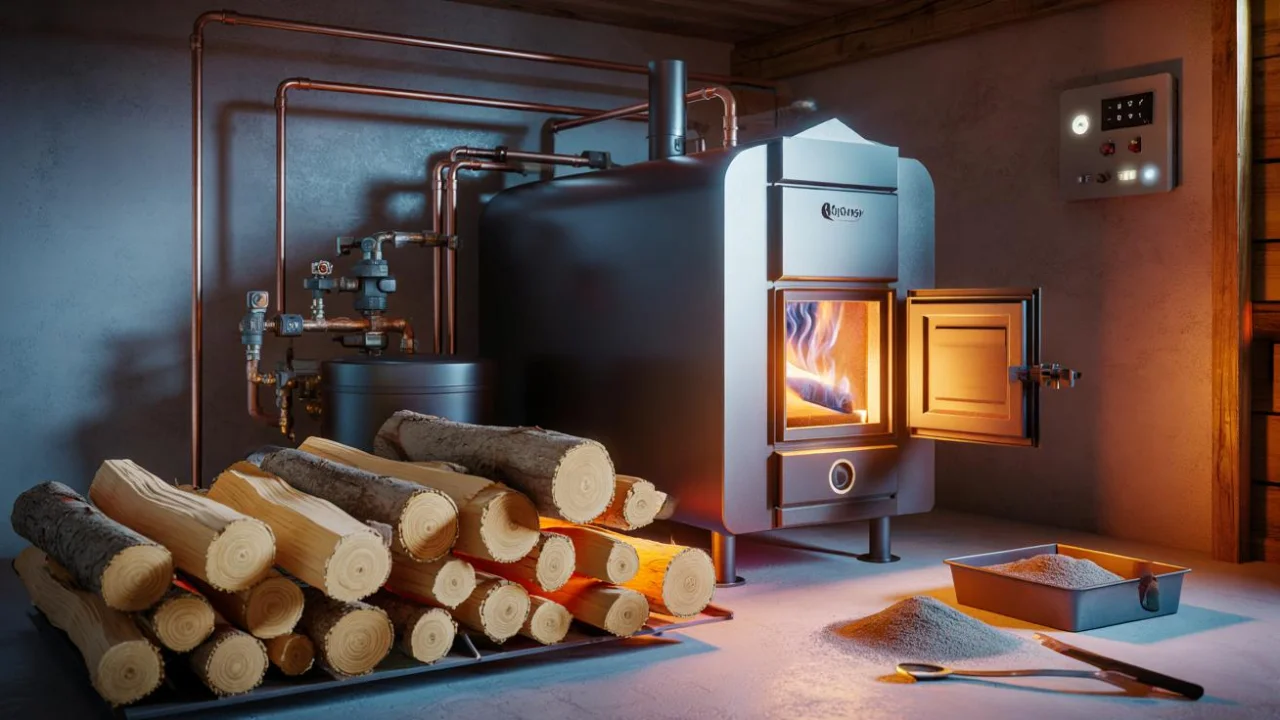
Last winter, Sarah Mitchell from Vermont watched her heating bill climb past $400 for the third month running. Her oil furnace was guzzling fuel like never before, and she found herself dreading each monthly statement. That’s when her neighbor mentioned something that sounded almost too good to be true – a heating system that could run on wood but burned cleaner than anything she’d ever seen.

Sarah wasn’t alone in her frustration. Across rural America and beyond, families are discovering that wood gasification boilers might be the answer to their heating woes. These aren’t your grandfather’s wood stoves – they’re sophisticated machines that squeeze every BTU out of a log while producing surprisingly little smoke.
The technology promises to slash heating costs while meeting strict environmental standards, but it’s not as simple as throwing logs into a box and lighting a match.

What Makes Wood Gasification Different from Regular Wood Burning
Walk into any home improvement store, and you’ll see plenty of wood stoves and traditional wood boilers. Wood gasification boilers look similar from the outside, but inside they’re completely different beasts.
Regular wood stoves burn logs directly, creating flames, smoke, and heat all at once. Wood gasification boilers take a two-step approach that’s far more efficient. First, they heat the wood in a low-oxygen environment, causing it to break down into combustible gases. Then, these gases burn at extremely high temperatures in a separate chamber.

“Think of it like getting two different types of energy from the same piece of wood,” explains heating engineer Mark Thompson, who’s installed dozens of these systems. “You get the initial heat from breaking down the wood, then you get intense, clean heat from burning the gases.”
This process can extract up to 90% of the energy from wood, compared to about 60-70% from traditional wood burning. That means fewer trips to the woodpile and lower fuel costs overall.
The Real Benefits and Honest Drawbacks
Before you rush out to buy a wood gasification boiler, here’s what you need to know about living with one:
| Advantages | Disadvantages |
|---|---|
| 80-90% efficiency rates | High upfront cost ($8,000-$15,000) |
| Very low emissions | Requires dry, seasoned wood |
| Long burn times (8-12 hours) | Daily maintenance needed |
| Works with existing radiator systems | Manual loading required |
| Independence from utility companies | Needs proper chimney and installation |
The efficiency numbers are impressive, but they come with strings attached. These boilers are picky about wood moisture content – anything above 20% moisture can seriously hurt performance and increase emissions.
- Wood preparation: You’ll need to split and season wood 12-24 months in advance
- Daily routine: Loading, ash removal, and temperature monitoring
- Storage space: Proper indoor wood storage area required
- Professional installation: Not a DIY project for most homeowners
“The learning curve is real,” admits homeowner Dave Chen, who installed his system two years ago. “But once you get the routine down, it becomes second nature. And seeing those tiny heating bills makes it all worth it.”
Who Should Consider Wood Gasification Boilers
These systems aren’t right for everyone, but they can be game-changers for the right households. Rural homeowners with access to cheap or free wood are obvious candidates, but the decision goes deeper than just wood availability.
Your existing heating system matters too. Wood gasification boilers work best with hydronic (water-based) heating systems like radiators or radiant floor heating. If you have forced-air heating, you’ll need additional equipment or system modifications.
Climate plays a role as well. In areas with long, cold winters, these boilers can run continuously for months, maximizing their efficiency advantage. In milder climates, the frequent startup and shutdown cycles can reduce overall efficiency.
“I tell people to think of it as a lifestyle choice as much as a heating choice,” says renewable energy consultant Lisa Park. “If you don’t mind the daily routine and you have reliable wood sources, the economics can be fantastic.”
The environmental benefits are significant too. Modern wood gasification boilers produce emissions comparable to natural gas systems, a huge improvement over older wood burning technology. Since wood is carbon-neutral when harvested sustainably, some homeowners can dramatically reduce their carbon footprint.
Installation costs vary widely depending on your existing system and local labor rates. Budget $12,000-$20,000 for a complete installation, including the boiler, chimney work, and system integration. Many states offer rebates or tax credits that can offset some of these costs.
Maintenance is straightforward but non-negotiable. Daily tasks include loading wood, checking water levels, and monitoring temperatures. Weekly jobs involve cleaning heat exchangers and removing ash. Annual professional servicing ensures optimal performance and safety.
Wood quality makes or breaks the experience. Hardwoods like oak, maple, and ash are ideal, providing long burn times and consistent heat output. Softwoods can work but burn faster and may create more creosote buildup.
The technology is mature and reliable when properly installed and maintained. European manufacturers have decades of experience, and domestic options are improving rapidly. Warranty coverage typically includes 5-10 years on major components.
For Sarah Mitchell, the Vermont homeowner struggling with oil costs, the decision ultimately came down to long-term economics and energy independence. Her wood gasification boiler cost $14,000 installed, but she estimates it will pay for itself in fuel savings within six years.
FAQs
How long does wood need to season before using in a gasification boiler?
Wood should be split and dried for 12-24 months to reach the required moisture content of 20% or less.
Can I install a wood gasification boiler myself?
Professional installation is strongly recommended due to complex chimney, plumbing, and electrical requirements that must meet local codes.
How often do I need to load wood into the boiler?
Most systems require loading 1-2 times per day during heating season, with each load burning 8-12 hours depending on heat demand.
What happens if I run out of wood or go on vacation?
Many systems can be equipped with backup electric or propane heating elements for emergencies or extended absences.
Do wood gasification boilers work in mild climates?
They work best in areas with consistent heating demand; frequent on/off cycling in mild weather reduces efficiency advantages.
How much wood do I need for a whole winter?
Most homeowners need 3-6 full cords of seasoned hardwood per heating season, depending on house size and local climate.
About the Author