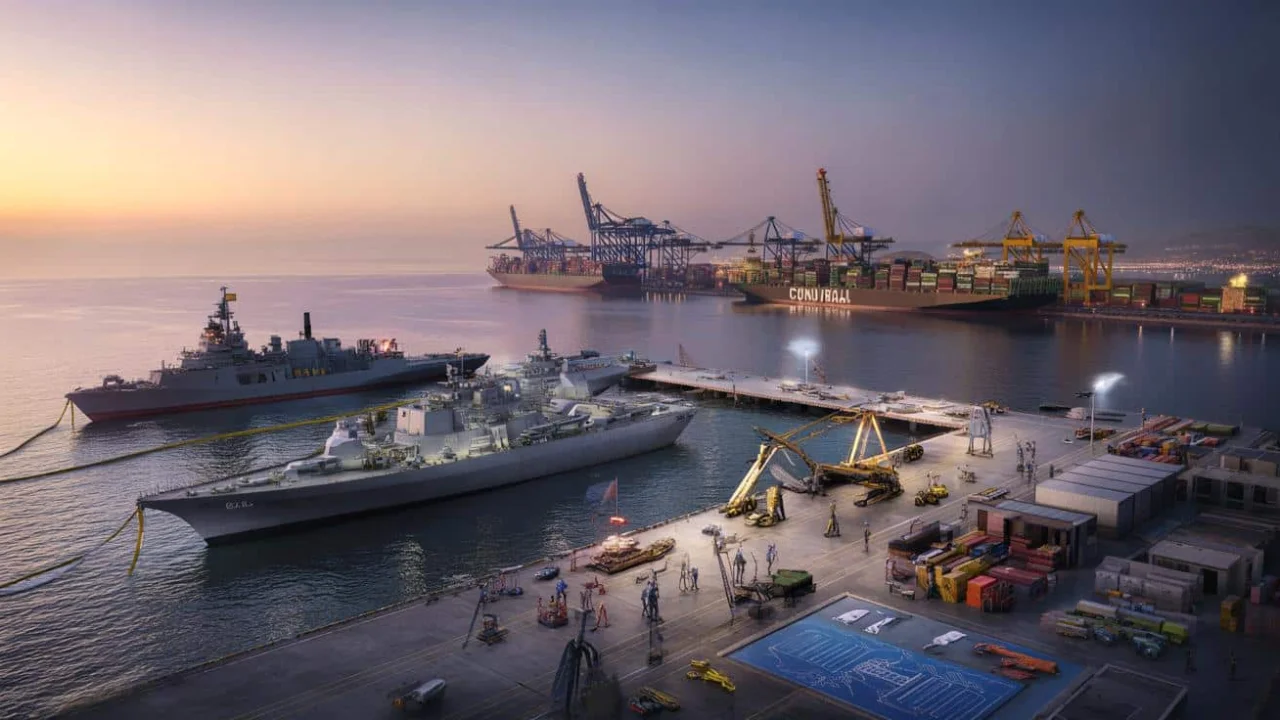
Captain Miguel Restrepo still remembers the morning when two massive cargo ships nearly collided with his patrol vessel in Callao Bay. The commercial port was bustling with Chinese-flagged container ships while his crew tried to navigate their aging naval destroyer through the same crowded waters. “We’re sailors, not traffic controllers,” he muttered to his first officer that day, watching another hulking freighter lumber past just meters away.

That scene plays out daily in Peru’s busiest harbor, where military ships and commercial vessels compete for space in an increasingly cramped bay. But now, a massive $1.5 billion investment promises to change everything – and it’s putting this quiet South American coastline at the center of a much bigger global power struggle.
The story unfolding in Peru’s waters isn’t just about ships and harbors. It’s about two superpowers quietly competing for influence in Latin America, one port upgrade at a time.
Why America Just Wrote a Billion-Dollar Check for Peru’s Navy
The US State Department has officially approved a potential $1.5 billion foreign military sale to completely overhaul Peru’s main naval base at Callao. This isn’t just routine military aid – it’s a strategic chess move happening right next door to China’s newest megaport in the region.
The Peru naval base upgrade comes at a time when Beijing has been rapidly expanding its presence along South America’s Pacific coast. Chinese companies now operate major ports from Chile to Ecuador, and they’ve just finished building a massive new container terminal in Peru’s Chancay, about 40 miles north of Lima.
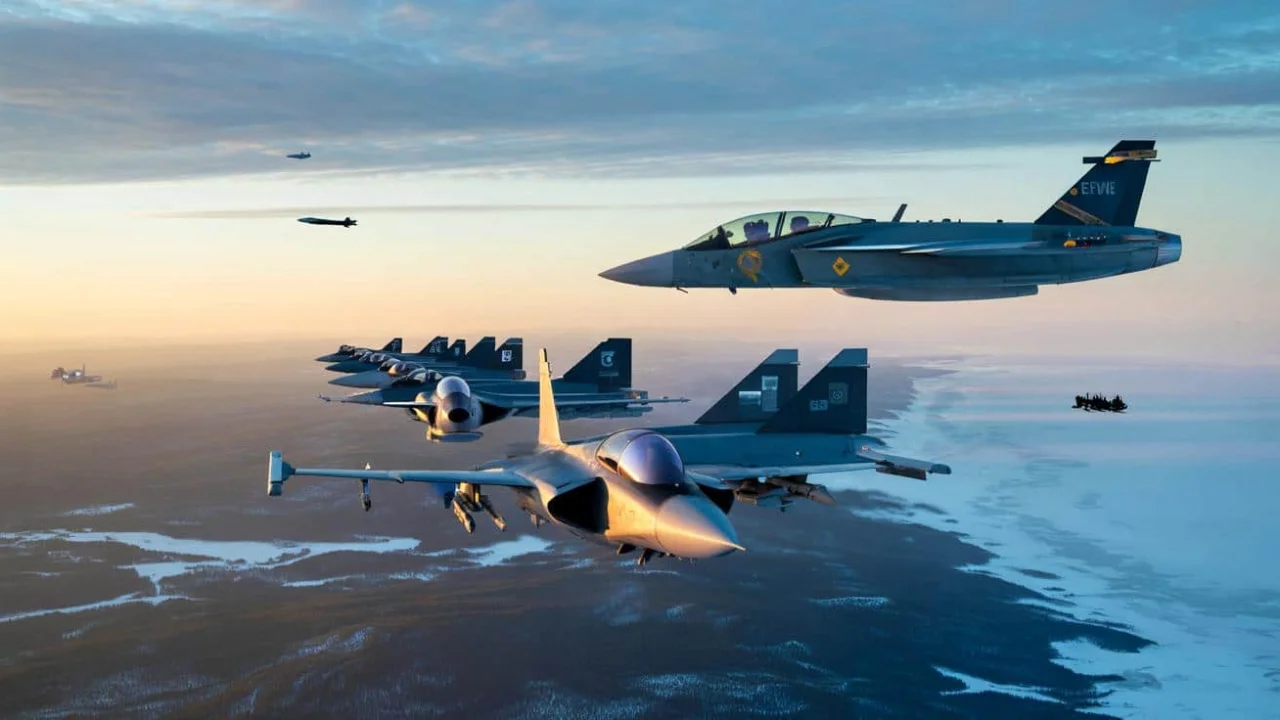
“This timing isn’t coincidental,” explains Maria Santos, a defense analyst who tracks US-China competition in Latin America. “Washington is realizing it needs to offer concrete alternatives to Chinese infrastructure investments, not just criticism.”
The current setup in Callao creates headaches for everyone. Peru’s naval vessels share the same congested waters with hundreds of commercial ships daily. Military operations get interrupted by cargo traffic, while port efficiency suffers from the constant juggling act between civilian and naval priorities.

What This Money Will Actually Buy
The approved package goes far beyond just moving some buildings around. According to the Pentagon’s Defense Security Cooperation Agency, this comprehensive overhaul includes:
- New dedicated naval facilities: Separate piers, maintenance shops, and command centers away from commercial traffic
- Modern security systems: Advanced radar, surveillance equipment, and communications networks
- Expanded training capabilities: Simulation centers and classroom facilities for Peru’s growing navy
- Logistics infrastructure: Fuel storage, ammunition depots, and supply chain management systems
- Environmental upgrades: Waste treatment and pollution control systems meeting international standards
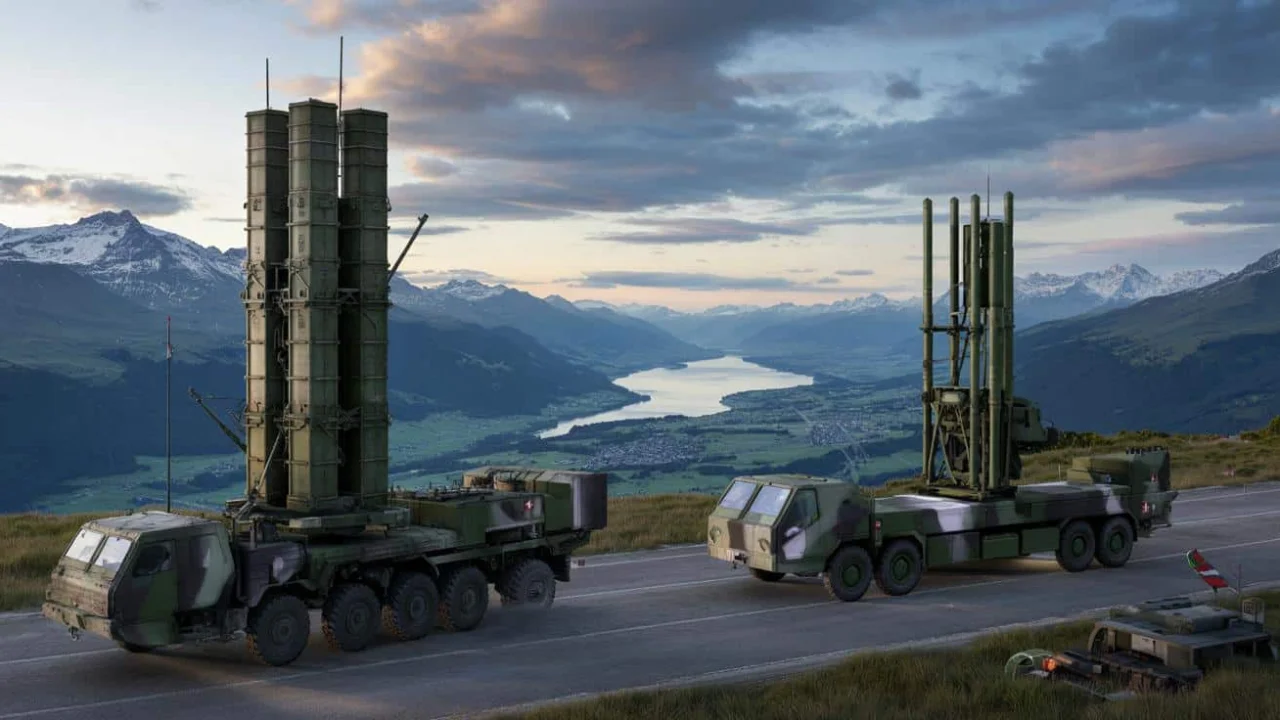
Here’s how the investment breaks down by major categories:
| Project Component | Estimated Cost | Timeline |
|---|---|---|
| Base relocation and construction | $800 million | 3-4 years |
| Security and communications systems | $300 million | 2-3 years |
| Training facilities and equipment | $250 million | 2 years |
| Environmental and support systems | $150 million | 1-2 years |
The project would physically relocate Peru’s main naval operations to a less congested part of Callao Bay, freeing up valuable waterfront real estate for expanded commercial port operations. Both the military and civilian shipping industries would benefit from reduced conflicts and improved efficiency.
“We’re essentially building Peru a 21st-century naval base,” says Admiral James Thompson, who previously oversaw similar projects in the Pacific. “This isn’t just about better facilities – it’s about strategic positioning in an increasingly important region.”
Who Wins and Loses in This Maritime Chess Game
For everyday Peruvians, this massive investment could bring significant economic benefits. Construction jobs, technology transfers, and improved port efficiency typically follow major infrastructure upgrades. Local businesses around Callao are already anticipating increased activity and employment opportunities.
Peru’s government gets to modernize its navy without draining the national budget. The country has been trying to upgrade its aging naval facilities for years, but the $1.5 billion price tag was always out of reach. Now Washington is essentially offering to foot the bill in exchange for strategic partnership.
The upgrade also positions Peru as a more capable regional security partner. With better facilities and equipment, the Peruvian Navy could play a larger role in combating drug trafficking, illegal fishing, and other maritime crimes that plague the Pacific coast.
But this move inevitably creates tension with China, which has invested heavily in Peru’s economy over the past decade. Beijing operates the Chancay megaport and has signed numerous trade agreements with Lima. Chinese officials haven’t publicly commented on the naval base upgrade, but diplomatic sources suggest they’re watching developments closely.
“Peru is trying to balance relationships with both superpowers,” explains Carlos Mendez, a Lima-based international relations professor. “They want Chinese investment and American security partnership, but that balancing act gets trickier every year.”
The project could also influence other South American countries considering similar arrangements with either Washington or Beijing. Brazil, Colombia, and Chile are all watching to see how this plays out, potentially affecting their own strategic calculations.
American taxpayers, meanwhile, are funding another expensive overseas project at a time when domestic infrastructure needs remain substantial. Critics argue the money could be better spent on US ports and naval facilities, though supporters counter that strategic investments prevent more costly conflicts later.
The timeline for completing the Peru naval base upgrade extends well into the next decade, meaning multiple US and Peruvian administrations will need to maintain commitment to the project. Political changes in either country could potentially derail or modify the ambitious plans.
FAQs
When will construction on the Peru naval base upgrade actually begin?
Peru still needs to formally sign the contract, which could take several months. Construction would likely start in late 2024 or early 2025 if approved.
Will this affect civilian shipping at Callao port?
Initially there may be some disruption, but the long-term goal is to separate military and civilian operations, which should actually improve commercial port efficiency.
How does this compare to China’s port investments in Peru?
China’s Chancay port cost about $1.3 billion and focuses purely on commercial shipping, while the US investment targets military capabilities and strategic partnership.
Could Peru cancel this deal if relations with the US change?
Yes, this is still just an approval for a potential sale. Peru could decide not to proceed, though they would lose access to the upgraded facilities and technology.
Will US military personnel be stationed at the upgraded base?
The current proposal doesn’t include permanent US military presence, but it would likely involve American contractors and advisors during construction and training phases.
What happens to the current naval base location?
The old naval facilities would likely be converted to commercial use or redeveloped, potentially providing additional economic benefits to the Callao area.
About the Author