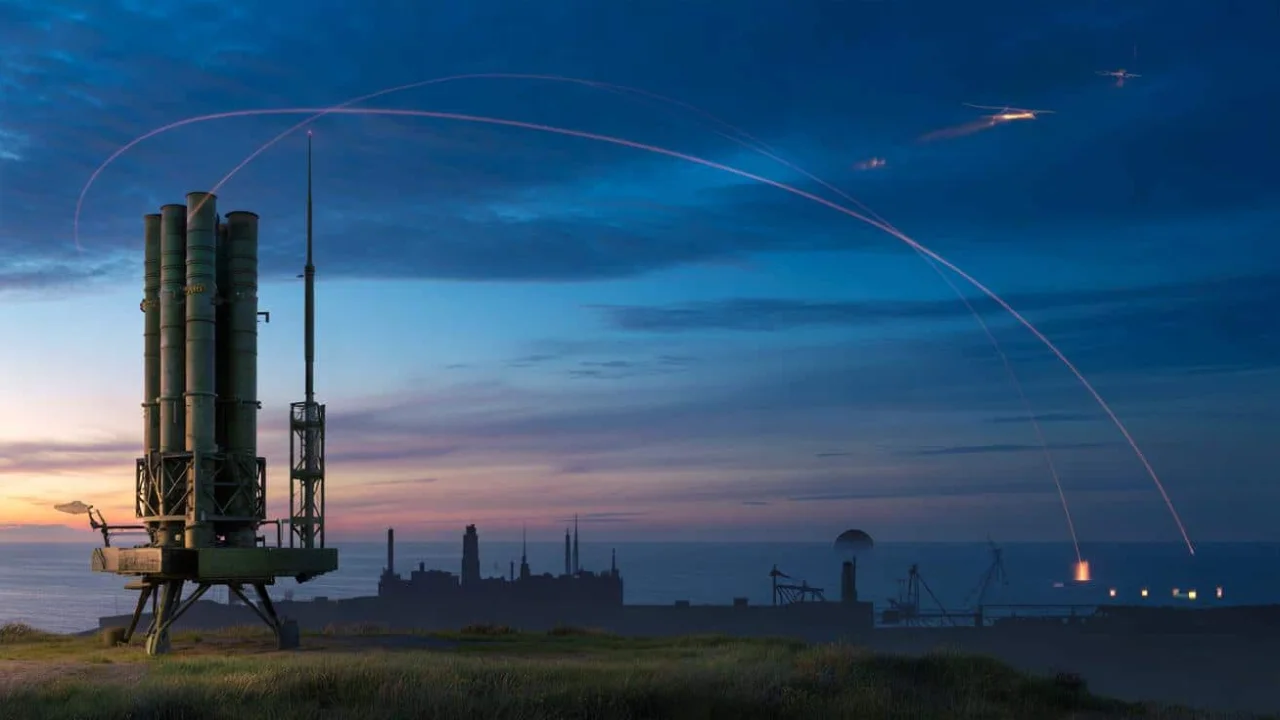
Maria Kask still remembers the sound of jets screaming overhead during her morning jog near Tallinn last spring. For a split second, her heart raced—was this it? Was Estonia under attack? The jets turned out to be NATO fighters on a routine patrol, but that moment of panic stayed with her for weeks.
She’s not alone. Across Estonia’s 1.3 million residents, similar moments of anxiety have become part of daily life since Russia’s full-scale invasion of Ukraine began. Now, their government is preparing to spend up to €1 billion on something that might help them all sleep better at night: a state-of-the-art missile defense system.
The tiny Baltic nation, roughly the size of New Hampshire, finds itself making one of Europe’s biggest defense purchases in recent memory. This isn’t just about buying weapons—it’s about survival in a neighborhood where your largest neighbor has shown it’s willing to wage war on democracies.
Why Estonia’s Defense Decision Matters Beyond Its Borders
The Estonia missile defense system purchase represents far more than one small country’s security upgrade. This decision could fundamentally reshape how NATO protects its most vulnerable eastern flank and send a powerful message about collective defense in an increasingly dangerous world.
Estonian officials are targeting the end of March 2026 to select their supplier, with the Estonian Centre for Defence Investments already circulating detailed requirements to potential manufacturers. The timeline is aggressive, but the urgency is real.
“We’re not just buying a defense system—we’re buying peace of mind for our children,” explains a senior Estonian defense official who requested anonymity. “Every day we delay is another day our airspace remains vulnerable to threats that could materialize in minutes.”
The shortlist remains classified, but industry insiders point to three leading contenders: the proven US Patriot system, Europe’s advanced SAMP/T NG, and Israel’s cutting-edge David’s Sling. Each brings distinct advantages and trade-offs that could influence regional defense strategy for decades.

Breaking Down Estonia’s Missile Defense Options
The competition for Estonia’s missile defense contract involves some of the world’s most sophisticated air defense technologies. Here’s what each system brings to the table:
| System | Country | Range | Key Strengths | NATO Integration |
|---|---|---|---|---|
| Patriot PAC-3 | USA | 100+ km | Battle-tested, proven reliability | Seamless |
| SAMP/T NG | France/Italy | 150+ km | European tech, advanced radar | Full compatibility |
| David’s Sling | Israel | 300+ km | Multi-threat capability | Requires integration |
The financial commitment is staggering for a country with Estonia’s GDP. At €1 billion, this purchase represents roughly 2% of Estonia’s entire annual economic output. But defense experts argue the cost of not having protection could be infinitely higher.
Key factors driving Estonia’s decision include:
- Interoperability with existing NATO systems across the region
- Delivery timeline and training requirements
- Long-term maintenance and upgrade pathways
- Industrial cooperation and technology transfer opportunities
- Proven performance against various missile threats
“The technical specifications matter, but so does the geopolitical message,” notes Dr. Anders Fogh, a defense analyst at the Baltic Security Institute. “This purchase tells Russia that even small NATO members are serious about defending themselves.”
Real Impact on Estonian Lives and Regional Security
For ordinary Estonians like Maria Kask, this missile defense system represents something profound: the ability to live without constantly looking over their shoulders. The psychological impact of knowing your country has serious air defenses extends far beyond military calculations.
The ripple effects will be felt across the Baltic region and beyond. Latvia and Lithuania are watching Estonia’s decision closely, as it could influence their own defense modernization efforts. Poland, already operating Patriot systems, sees potential for enhanced regional air defense coordination.
Estonia’s defense investment also sends a strong signal about burden-sharing within NATO. While the country already exceeds the alliance’s 2% GDP defense spending target, this additional investment demonstrates that frontline states are willing to invest heavily in collective security.
The timeline for deployment remains ambitious but achievable. Once a contract is signed, the first missile batteries are expected to arrive around 2030, with full operational capability shortly thereafter. Training Estonian personnel will begin immediately after contract signature, likely involving rotations to partner countries already operating the chosen system.
“We’re not just defending Estonia—we’re defending the idea that small democracies have the right to exist peacefully,” explains Colonel Jaak Tarien, a retired Estonian defense official now working as a security consultant. “This system makes that defense credible.”
The economic benefits extend beyond security. Whichever system Estonia selects will likely involve significant industrial cooperation, potentially bringing high-tech manufacturing jobs and expertise to the Baltic region. Several bidders have already proposed establishing maintenance facilities or component production in Estonia.
Regional allies are preparing to support Estonia’s choice. Finland has offered to coordinate its air defense planning with Estonia’s new system, while Sweden has suggested joint training opportunities. These partnerships could create an integrated Nordic-Baltic air defense network that would be far more effective than individual national systems.
The March 2026 deadline isn’t arbitrary—it reflects Estonia’s assessment of how quickly regional threats could evolve. Defense planners worry that delays could leave critical gaps in coverage during a period of heightened tensions.
As Estonia approaches this historic decision, the stakes couldn’t be higher. This isn’t just about military hardware—it’s about preserving the way of life that makes Estonia’s democracy worth defending.
FAQs
How much is Estonia spending on its new missile defense system?
Estonia has allocated up to €1 billion for the missile defense system, representing one of the largest defense purchases in the country’s history.
When will Estonia make its final decision?
Estonian officials plan to select a supplier by the end of March 2026, with contract signing expected shortly after.
Which missile defense systems are being considered?
While the shortlist is classified, industry sources point to the US Patriot system, European SAMP/T NG, and Israel’s David’s Sling as leading contenders.
When will the system be operational?
The first missile batteries are expected to be deployed around 2030, with full operational capability following soon after.
Why is this purchase so important for NATO?
Estonia’s missile defense system will strengthen NATO’s eastern flank and demonstrate alliance solidarity in the face of regional threats.
How will this affect ordinary Estonians?
Beyond security benefits, the system could bring high-tech jobs and industrial cooperation opportunities while providing psychological reassurance to citizens concerned about regional stability.
About the Author