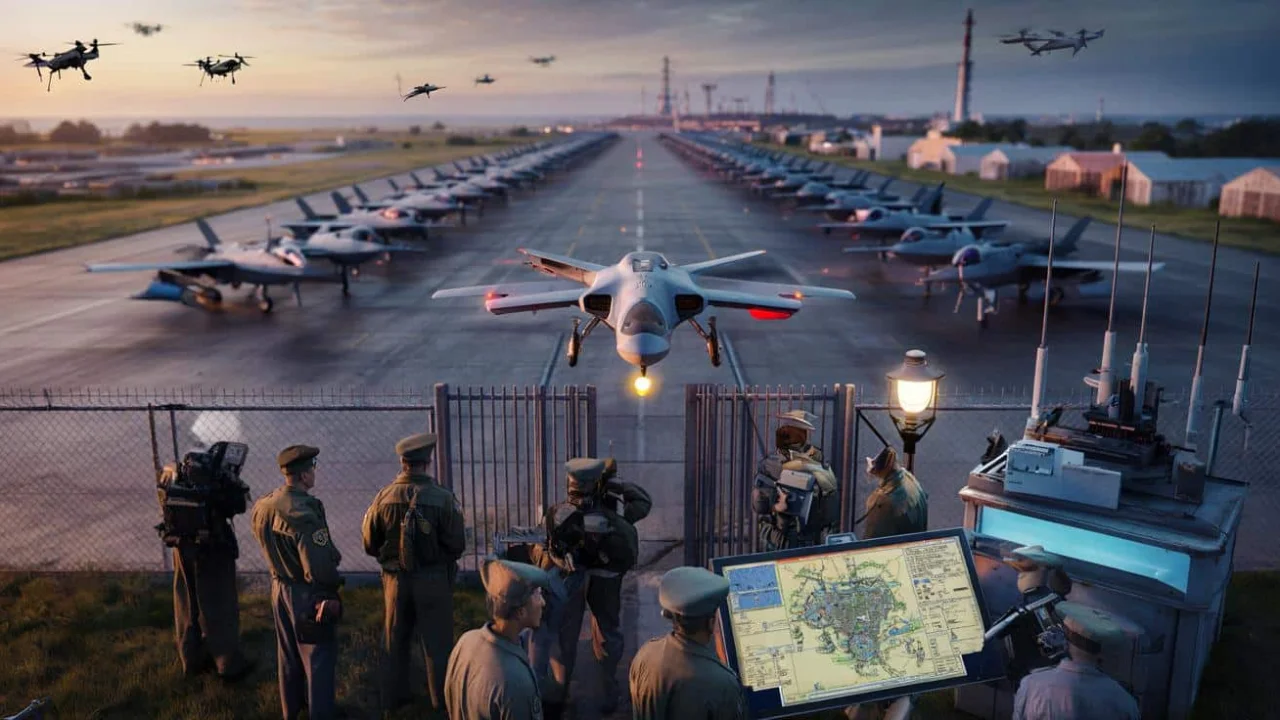
Picture this: You’re driving past a military base, and you spot what looks like a hobby drone buzzing lazily over the fence line. Your first thought might be, “Surely they’ll shoot that thing down any second now.” But here’s the shocking reality – they probably can’t, even if they wanted to.

That innocent-looking quadcopter could be mapping sensitive installations, photographing classified equipment, or worse. Yet the soldiers watching from below might be powerless to stop it, not because they lack the technology, but because nobody can agree on who has the authority to pull the trigger.
This isn’t science fiction. According to a damning new report from the Department of Defense Inspector General, America’s most sensitive military installations are sitting ducks for drone intrusions, and the problem isn’t what you’d expect.

When Red Tape Becomes a Security Threat
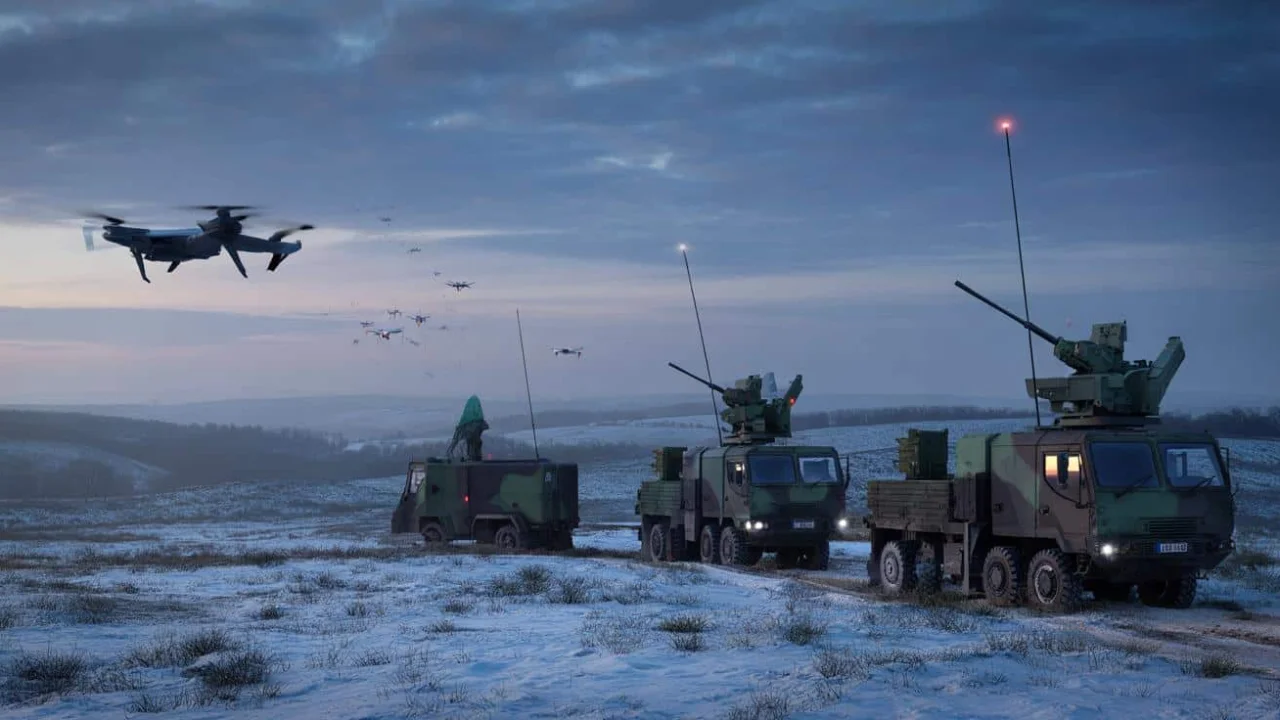
The DOD drone security crisis isn’t about lacking fancy anti-drone weapons or detection systems. The Pentagon has spent billions on counter-unmanned aerial systems, known as C-UAS technology. These systems can detect, track, and neutralize rogue drones with impressive precision.
The real enemy? Bureaucratic confusion that would make Kafka proud.
The Inspector General’s report, released in January, reveals that critical military facilities remain vulnerable because officials can’t figure out which bases qualify for protection and who actually has the legal authority to take down threatening aircraft.
“The primary issue isn’t technological capability – it’s regulatory clarity,” explains a former Pentagon security official familiar with the report. “We have bases that have been repeatedly buzzed by drones but still can’t get full authorization to deploy countermeasures.”

Think about that for a moment. Installations housing America’s most advanced military technology are essentially defenseless against a threat you can buy on Amazon for a few hundred dollars.
The Most Vulnerable Targets Will Shock You
Here’s where the story gets truly alarming. Luke Air Force Base in Arizona trains roughly 75% of the world’s F-35 fighter pilots. These are the most advanced stealth fighters on the planet, representing billions in taxpayer investment and decades of classified research.
Yet Luke AFB isn’t even classified as a “covered facility” under the legal framework that governs drone defense. That means this critical training hub operates with limited authority to stop unauthorized aircraft.
The scope of this vulnerability becomes clear when you look at what facilities are and aren’t protected:
| Installation Type | Protection Status | Risk Level |
|---|---|---|
| Major Training Bases | Often Unprotected | High |
| Research Facilities | Inconsistent Coverage | Critical |
| Nuclear Installations | Generally Protected | Extreme |
| Administrative Centers | Rarely Protected | Medium |
The Inspector General identified several key problems plaguing DOD drone security:
- Unclear designation criteria for which facilities deserve protection
- Conflicting authority between military branches and civilian agencies
- Lengthy approval processes that can’t keep pace with emerging threats
- Limited coordination between bases and federal aviation authorities
- Inadequate training on legal restrictions for personnel
“We’ve created a system where a base commander might watch a suspicious drone overhead and literally have to call a lawyer before taking action,” noted one defense analyst who reviewed the report.
What This Means for National Security
The implications extend far beyond military embarrassment. These drone vulnerabilities create real risks that could affect every American:
Foreign adversaries could easily conduct reconnaissance on sensitive facilities using commercially available drones. The technology needed to map military installations, photograph equipment, or even deliver small payloads is readily accessible to anyone with a credit card.
Training operations for critical defense programs face constant disruption. When unidentified drones appear over airbases, flight training must often halt entirely until the threat is cleared – sometimes taking hours or days.
The psychological impact on military personnel can’t be ignored either. “Imagine being responsible for defending America’s most advanced aircraft but feeling helpless against a toy drone,” explains a former Air Force security specialist. “It’s demoralizing and frankly embarrassing.”
Perhaps most concerning is the precedent this sets. If civilian-grade drones can operate with impunity over military bases, what does that say about our ability to defend against more sophisticated aerial threats?
The report also highlights how this bureaucratic maze affects response times. In one documented incident, a base detected an unauthorized drone but spent so much time determining proper authority and procedures that the aircraft completed its mission and departed before any action could be taken.
“We’re fighting 21st-century threats with 20th-century bureaucracy,” observes a defense contractor who works with C-UAS systems. “By the time all the paperwork is sorted out, the drone has already photographed whatever it came to see.”
The human cost of these delays becomes apparent when you consider that some installations have experienced multiple incursions. Personnel report feeling frustrated and vulnerable, knowing they have the technical capability to stop threats but lack the legal authority to act decisively.
Moving forward, the Inspector General recommends streamlining designation processes, clarifying command authority, and establishing rapid-response protocols that don’t sacrifice security for legal compliance. But implementing these changes will require coordination across multiple agencies and congressional action to update relevant laws.
Until then, America’s military installations remain surprisingly vulnerable to one of the most accessible and rapidly evolving security threats of our time.
FAQs
Can military bases currently shoot down civilian drones?
Most bases lack clear authority to take down drones, even when they pose obvious security risks, due to complex legal restrictions and unclear designation criteria.
What technology exists to stop drones?
The military has spent billions on counter-drone systems that can detect, jam, or physically destroy unmanned aircraft, but bureaucratic confusion limits their deployment.
Which military bases are most vulnerable?
Training facilities, research installations, and bases not designated as “covered facilities” under federal law face the highest risk from drone intrusions.
How often do unauthorized drones fly over military bases?
The exact frequency is classified, but the Inspector General’s report indicates that repeated incursions at the same facilities are common.
What can be done to fix this problem?
Solutions include streamlining facility designation processes, clarifying command authority, and updating laws to match modern security threats.
Are foreign adversaries exploiting these vulnerabilities?
While specific incidents remain classified, the ease of drone access to sensitive facilities creates obvious opportunities for reconnaissance by hostile actors.
About the Author