Maria Santos stood on the Norfolk Naval Base pier last Tuesday, watching her 19-year-old son board a destroyer for his first deployment. As the massive warship pulled away, she couldn’t help but wonder what kind of Navy he’d be serving in by the time he made chief petty officer. Little did she know, that question was about to get a very concrete answer.

Just days later, news broke that would reshape everything Maria thought she knew about American naval power. The US Navy isn’t just planning new ships—it’s bringing back battleships for the first time since World War II, and they’re going to be bigger and more advanced than anything the world has ever seen.
The Trump-class battleship program is no longer just a campaign promise or political talking point. Within the next 60 days, naval planners will lock in the first official schedule for these massive warships, marking the moment when battleships transition from concept to reality.

The Navy’s Bold Return to Big Guns and Bigger Ships
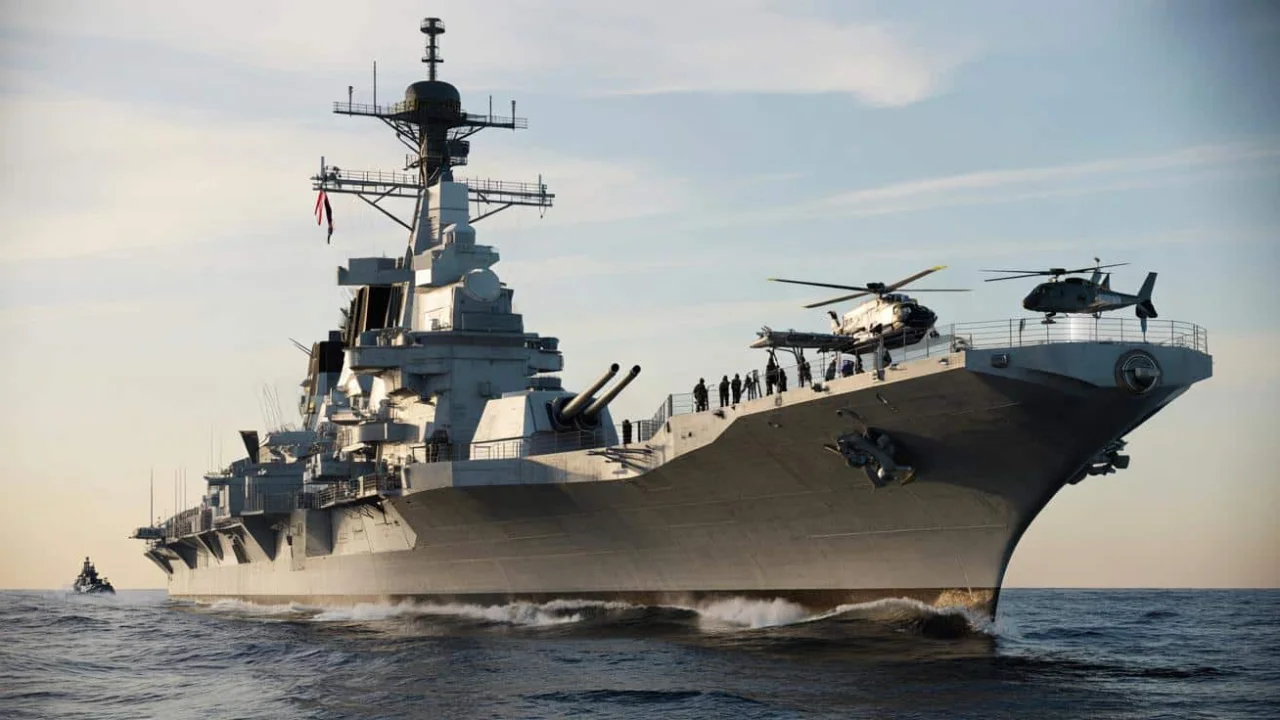
The Trump-class guided-missile battleship, officially designated BBG(X), represents the most ambitious surface warfare project since the Cold War. These aren’t your grandfather’s battleships from the 1940s—they’re hybrid monsters combining the firepower tradition of battleships with cutting-edge missile technology.
“The service’s first detailed timing guidance for the Trump-class is expected by early spring, setting out how a six-year design phase will unfold,” according to industry insiders familiar with the program.
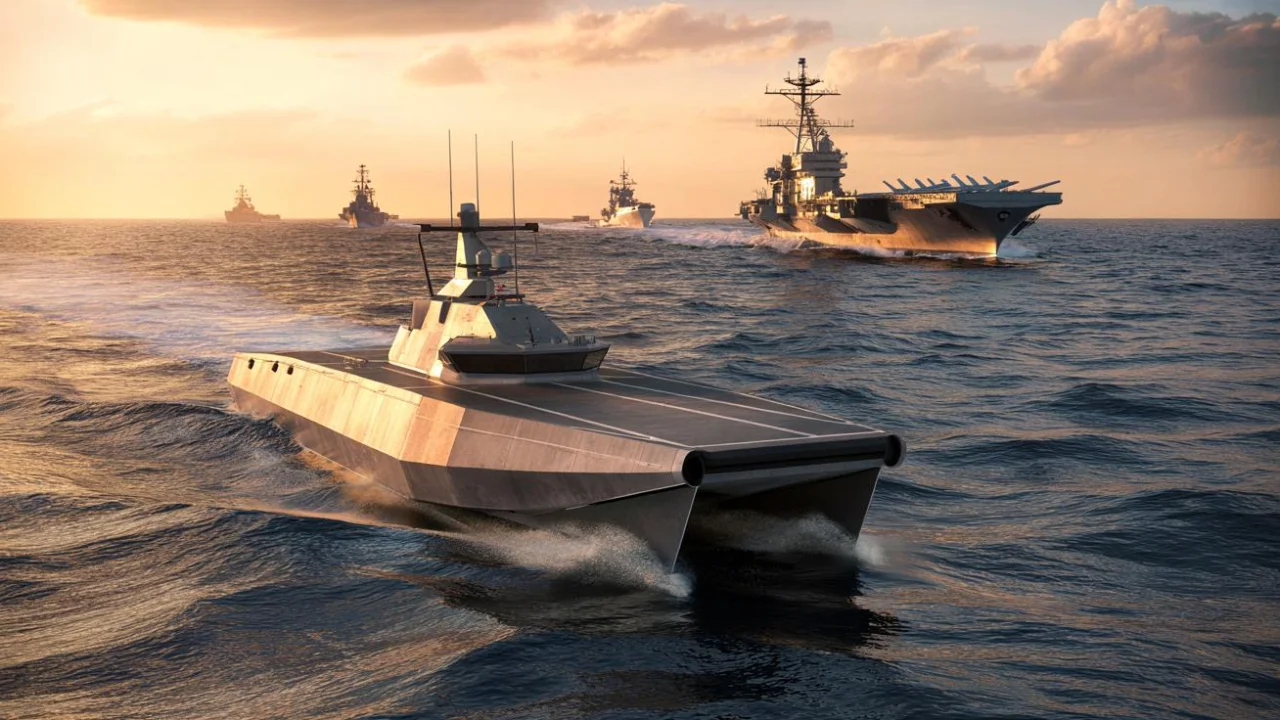
Huntington Ingalls Industries CEO Chris Kastner recently revealed that the Navy is preparing to define the initial design schedule for the BBG(X) within the next 30 to 60 days. This timeline puts the program on track for a design phase lasting through the early 2030s, with construction beginning in the first half of that decade.
The lead ship, tentatively named USS Defiant (BBG-1), could see commissioning around 2040 if current schedules hold. But these dates remain fluid as engineers grapple with fundamental design questions that will determine the entire program’s future.
What Makes These Ships Different From Everything Else
The Trump-class battleship isn’t just about bringing back big guns—it’s about creating a new category of warship that combines multiple roles. Here’s what sets these vessels apart:
- Hybrid design merging traditional battleship armor with modern stealth technology
- Advanced missile systems capable of engaging targets over 1,000 miles away
- Electromagnetic railgun technology for precision strikes
- Enhanced air defense systems to protect entire carrier groups
- Modular weapons bays allowing rapid reconfiguration for different missions

| Specification | Trump-class BBG(X) | Iowa-class (WWII) |
|---|---|---|
| Length | ~1,000 feet | 887 feet |
| Displacement | ~80,000 tons | 57,000 tons |
| Main Armament | Railguns + Missiles | 16-inch guns |
| Crew Size | ~1,200 | 2,700 |
| Cost per Ship | $15-20 billion | $100 million (1940s) |
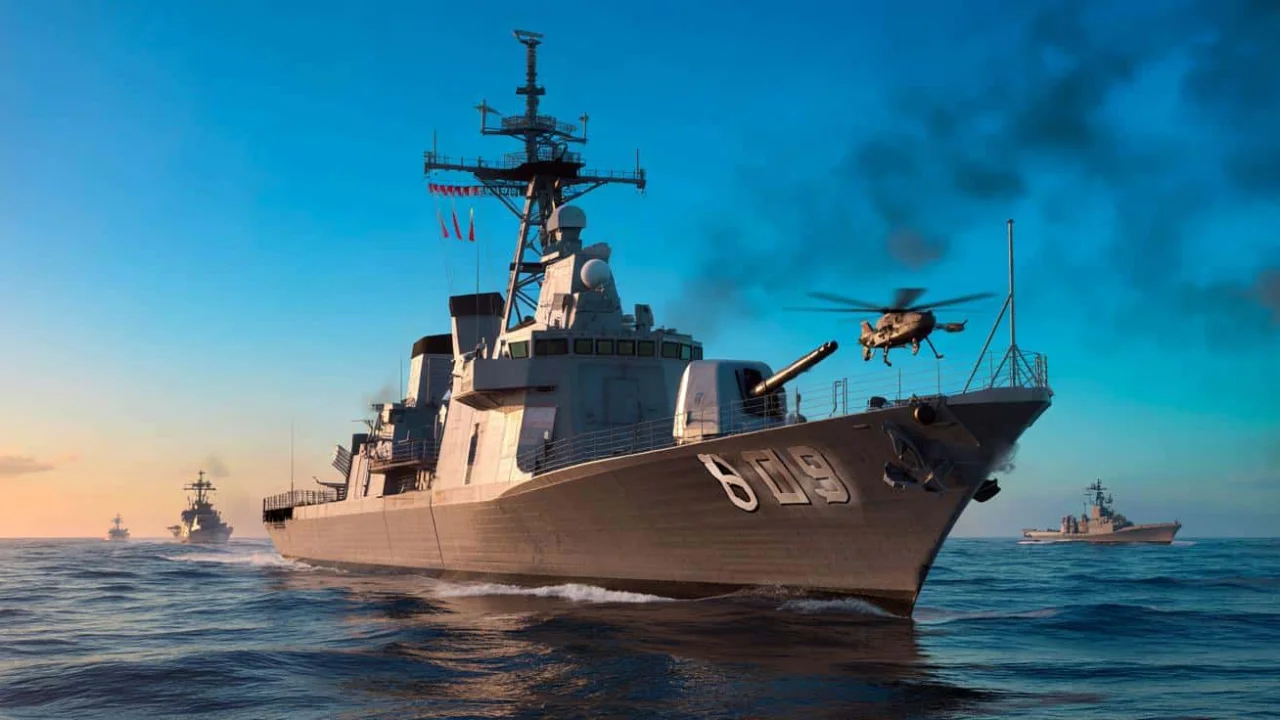
The Navy faces a crucial decision point about whether to base the Trump-class design on the existing DDG(X) next-generation destroyer program or start from scratch with an entirely new battleship concept.
“We’re not just scaling up a destroyer,” explained a senior naval architect who requested anonymity. “This is about creating a capital ship that can serve as a mobile fortress and command center for entire battle groups.”
Real-World Impact on Military Families and Defense Communities
For families like Maria’s, the Trump-class program represents both opportunity and uncertainty. The massive ships will require specialized training programs, creating new career paths for sailors while potentially extending deployment schedules.
Defense industry communities are already feeling the economic ripple effects. Shipyards in Virginia, Mississippi, and Maine are gearing up for what could be the largest naval construction program in decades. Early estimates suggest the program could create over 50,000 direct jobs and support hundreds of thousands more in related industries.
But the program also raises questions about budget priorities. Each Trump-class battleship is expected to cost between $15-20 billion, making them among the most expensive military vehicles ever built. Critics argue this money could fund multiple smaller, more versatile ships or other defense priorities.
“These ships represent a fundamental shift in how we think about naval warfare,” said former Navy Secretary Ray Mabus. “They’re designed to project power in ways we haven’t seen since World War II, but the question is whether that’s the right strategy for 21st-century threats.”
The program’s success could influence allied navies worldwide. Countries like Japan, South Korea, and Australia are watching closely to see if large surface combatants become viable again in an age of hypersonic missiles and submarine threats.
For current Navy families, the Trump-class represents a return to the era of prestige assignments. Serving aboard these massive vessels will likely become a career-defining opportunity, similar to aircraft carrier duty but with the added distinction of serving on America’s first new battleships in over 80 years.
The ships are also designed with future technologies in mind, including space for directed-energy weapons, advanced AI systems, and even potential nuclear propulsion upgrades. This forward-thinking approach means sailors like Maria’s son could spend their entire careers working with evolving technology platforms.
As the 60-day countdown to the official schedule announcement continues, defense communities across America are preparing for what could be the most significant naval expansion since the Reagan years. The Trump-class battleship program isn’t just about building new ships—it’s about reimagining America’s role on the world’s oceans for generations to come.
FAQs
How big will Trump-class battleships be compared to current Navy ships?
Trump-class battleships will be approximately 1,000 feet long and displace around 80,000 tons, making them significantly larger than current destroyers and cruisers, though smaller than aircraft carriers.
When will the first Trump-class battleship enter service?
Current timelines suggest the lead ship USS Defiant could be commissioned around 2040, following a six-year design phase and construction period starting in the early 2030s.
How much will each Trump-class battleship cost?
Early estimates place the cost at $15-20 billion per ship, making them among the most expensive military vessels ever constructed.
What weapons will Trump-class battleships carry?
The ships will feature electromagnetic railguns, advanced missile systems with over 1,000-mile range, and modular weapon bays that can be reconfigured for different missions.
How many crew members will serve on each ship?
Despite their massive size, Trump-class battleships will require approximately 1,200 crew members, significantly fewer than World War II battleships due to advanced automation.
Why is the Navy bringing back battleships now?
The program aims to create heavily armed, well-protected ships capable of operating in contested waters while providing both offensive firepower and defensive protection for entire naval task forces.
About the Author