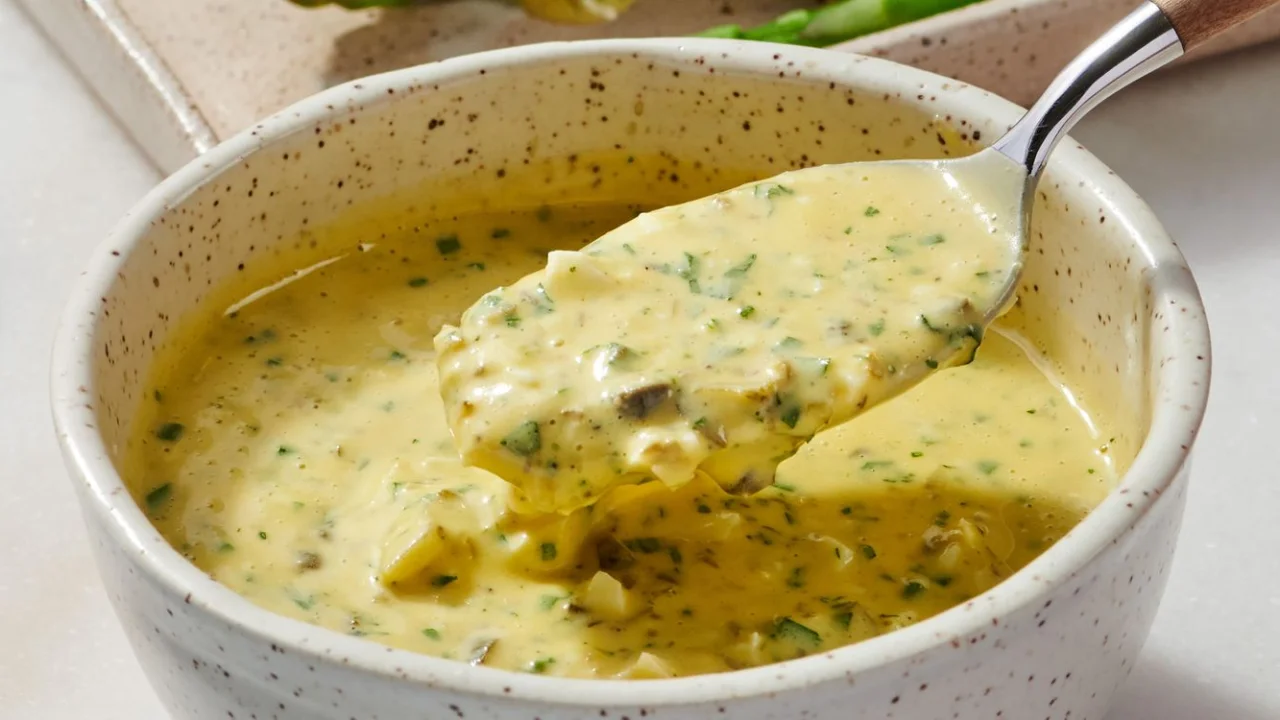
Last Tuesday, I watched my neighbor Marie transform a simple plate of asparagus into something that made my mouth water from three yards away. She drizzled this creamy, herb-flecked sauce over the steamed spears, and suddenly what looked like basic vegetables became restaurant-worthy. When I asked what that magical sauce was, she smiled and said, “Oh, that’s just sauce gribiche – my grandmother’s secret weapon.”

That moment sparked my obsession with this French culinary gem. Marie was right – sauce gribiche isn’t just a condiment; it’s a flavor transformer that can elevate everything from weeknight vegetables to weekend dinner parties.
You’ve probably never heard of sauce gribiche, but once you discover this creamy French creation, you’ll wonder how you lived without it. This cold egg-based sauce combines the richness of hard-boiled eggs with the bright tang of capers and cornichons, creating a condiment that’s both familiar and surprisingly sophisticated.
The French Secret That Changes Everything
Sauce gribiche represents everything beautiful about French cooking – it takes humble ingredients and transforms them into something extraordinary. At its heart, this sauce is deceptively simple: hard-boiled eggs, mustard, oil, and an array of pickled vegetables and herbs that create layers of flavor.
“What makes sauce gribiche so special is its texture,” explains culinary instructor Jean-Pierre Dubois. “You get this incredible contrast between the smooth, creamy base and the little pops of flavor from the chopped ingredients.”
Unlike mayonnaise, which relies on raw egg yolks, sauce gribiche uses cooked egg yolks as its foundation. This makes it more stable, longer-lasting, and gives it a distinctive richness that sets it apart from other cold sauces. The chopped egg whites add textural interest, while cornichons and capers provide bursts of briny flavor.
The sauce originated in French bistro kitchens, where resourceful cooks needed to make the most of leftover hard-boiled eggs. What started as a practical solution became a beloved classic that pairs beautifully with everything from grilled fish to roasted vegetables.
Essential Components and Preparation Secrets
Creating perfect sauce gribiche requires understanding each component and how they work together. The beauty lies in the balance – no single ingredient should overpower the others.
| Ingredient | Purpose | Key Tips |
|---|---|---|
| Hard-boiled eggs | Creamy base and texture | Cook for exactly 11 minutes for perfect consistency |
| Dijon mustard | Emulsification and tang | Use quality French mustard for best flavor |
| Cornichons | Acidic crunch | Finely dice for even distribution |
| Capers | Briny pop | Rinse if very salty, roughly chop large ones |
| Fresh herbs | Brightness and color | Parsley, chives, and tarragon work best |
| Quality oil | Richness and smoothness | Neutral oil like grapeseed works perfectly |
The technique matters as much as the ingredients. Here’s what professional chefs know about making sauce gribiche:

- Perfect eggs are crucial – overcooked yolks create a grainy texture
- Add oil slowly while processing to achieve proper emulsification
- Balance is key – taste and adjust acidity with vinegar or lemon juice
- Fold in chopped ingredients by hand to maintain texture
- Let flavors meld for at least 30 minutes before serving
“The biggest mistake people make is rushing the emulsification process,” notes chef Sarah Collins, who teaches French cooking techniques. “Take your time adding the oil, and you’ll get that silky, restaurant-quality texture every time.”
Why This Sauce Deserves a Spot in Your Kitchen
Sauce gribiche isn’t just another condiment – it’s a versatile tool that can transform your cooking. This French classic works beautifully with both simple weeknight meals and elegant entertaining.
For seafood lovers, sauce gribiche is pure magic. It complements the delicate flavors of fish without overwhelming them, making it perfect for grilled salmon, pan-seared halibut, or even simple fish cakes. The sauce’s creamy richness balances beautifully with the clean taste of fresh seafood.
Vegetable dishes benefit enormously from sauce gribiche’s complex flavors. Steamed asparagus, roasted cauliflower, or simple green beans become sophisticated sides when dressed with this sauce. The contrast between the vegetables’ natural flavors and the sauce’s tangy richness creates memorable combinations.
“I use sauce gribiche as my secret weapon for dinner parties,” shares home cook and food blogger Amanda Torres. “It makes even the simplest vegetables feel special, and guests always ask for the recipe.”
The sauce keeps well in the refrigerator for up to a week, making it perfect for meal prep. You can prepare a batch on Sunday and use it throughout the week to elevate everything from leftover roasted chicken to hard-boiled eggs for quick lunches.
Beyond its versatility, sauce gribiche represents a different approach to flavor building. Instead of relying on heavy creams or butter, it creates richness through technique and balance. This makes it feel both indulgent and somehow lighter than many other rich sauces.
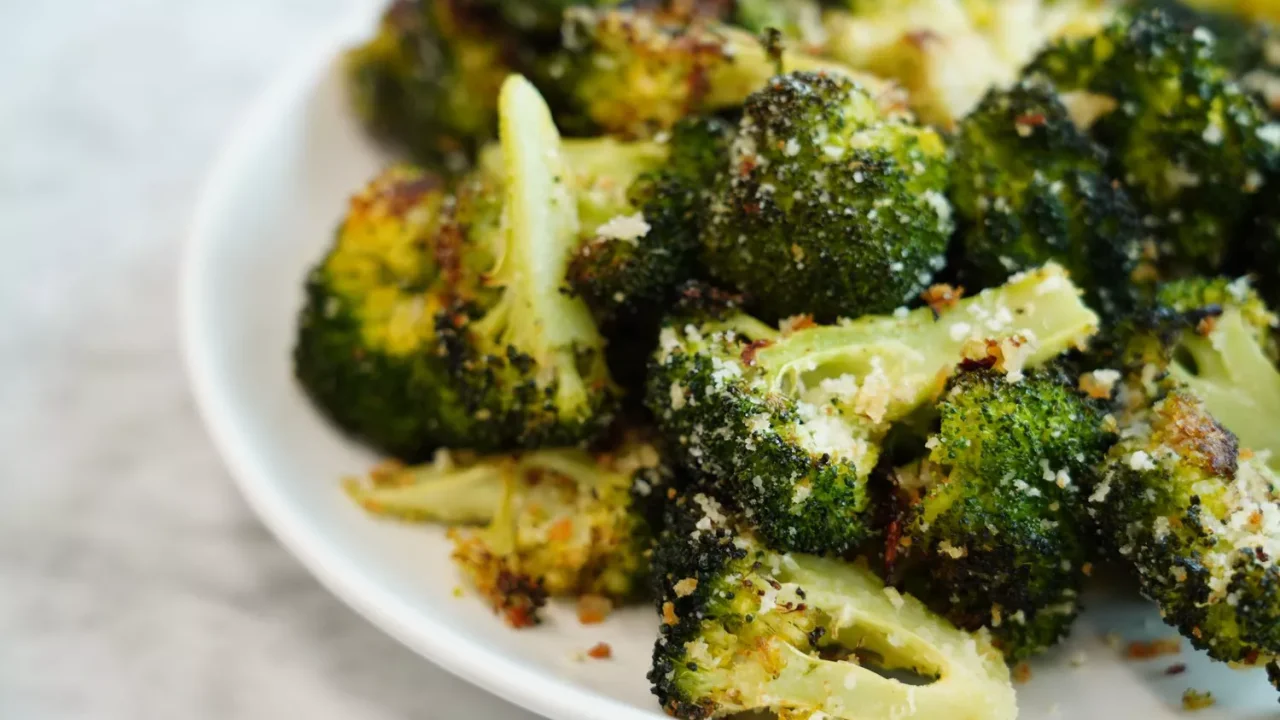
Professional chefs love sauce gribiche because it bridges seasons beautifully. In spring, it pairs with fresh asparagus and peas. Summer brings opportunities to serve it with grilled vegetables and seafood. Fall and winter vegetables like roasted root vegetables or steamed broccoli benefit from its richness during cooler months.
FAQs
How long does sauce gribiche keep in the refrigerator?
Properly stored sauce gribiche will keep for up to one week in the refrigerator in a sealed container.
Can I make sauce gribiche without a food processor?
Yes, you can mash the egg yolks with a fork and whisk in the other ingredients, though the texture won’t be quite as smooth.
What’s the difference between sauce gribiche and tartar sauce?
Sauce gribiche uses hard-boiled eggs as its base, while tartar sauce is typically mayonnaise-based, and gribiche has a more complex flavor profile with herbs.
Can I substitute the cornichons with regular pickles?
While cornichons provide the best flavor and texture, you can use finely diced dill pickles in a pinch, though the taste will be slightly different.
Is sauce gribiche served warm or cold?
Sauce gribiche is always served cold or at room temperature – never heated, as this would break the emulsion.
What herbs work best in sauce gribiche?
Traditional herbs include parsley, chives, and tarragon, but you can experiment with dill or chervil based on your preferences and what you’re serving it with.
About the Author