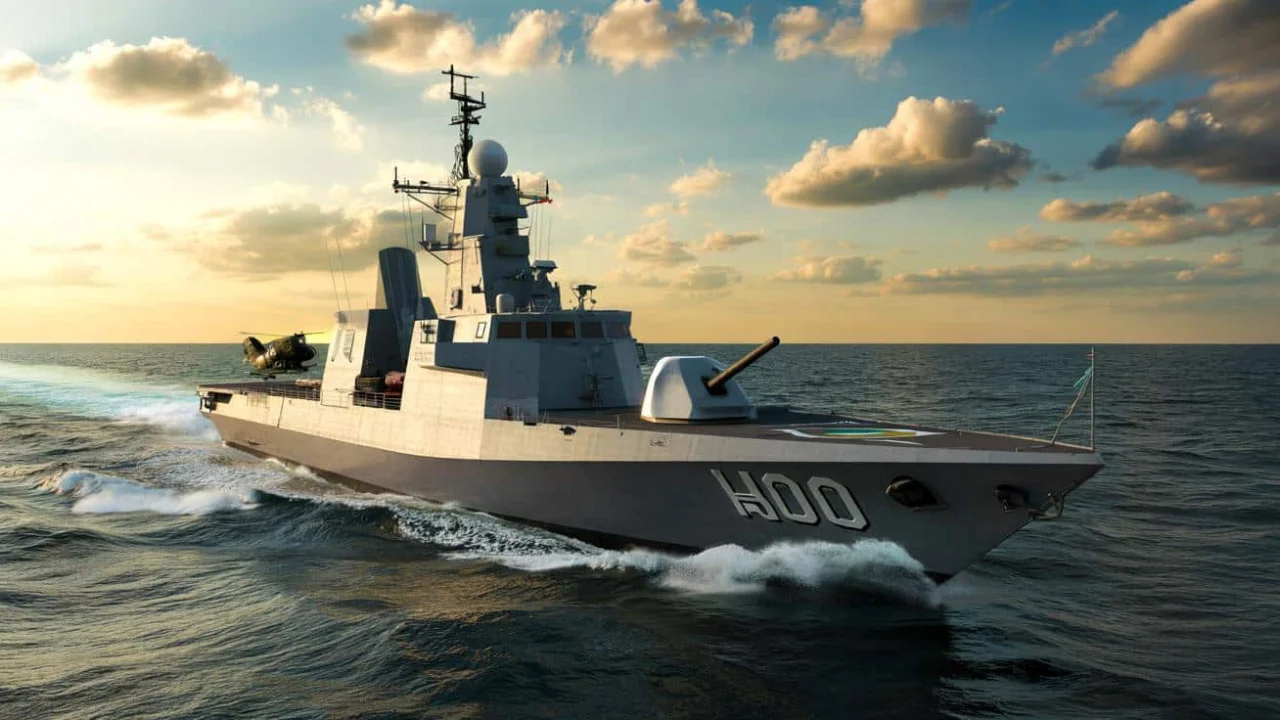
Captain Dimitar Petrov had served on Bulgarian Navy vessels for over twenty years, but nothing prepared him for the moment he first stepped aboard Hrabri. The gleaming corridors, cutting-edge radar systems, and pristine control rooms felt like stepping into the future. “My grandfather served on destroyers from the 1940s,” he told his crew that morning. “This ship represents everything our navy has dreamed of becoming.”

For a country whose naval fleet has relied heavily on Soviet-era vessels for decades, the sight of Bulgaria’s first MMPV 90 corvette cutting through Black Sea waters represents more than technological advancement. It’s a symbol of national pride and strategic independence that resonates far beyond military circles.
Families gathering along Varna’s coastline to watch the sea trials aren’t just witnessing a routine naval exercise. They’re watching their country step confidently into a new era of maritime capability.

Bulgaria’s Naval Renaissance Takes Shape
The Bulgaria MMPV 90 corvette program marks the most ambitious naval modernization effort in the country’s recent history. The lead vessel, Hrabri (“Brave”), began comprehensive sea trials in November, representing years of planning, international cooperation, and substantial investment in Bulgaria’s maritime future.
Built at MTG Dolphin Shipyard in Varna under German shipbuilder NVL Group’s management, this 90-meter corvette signals Bulgaria’s transition from a fleet dominated by aging Soviet-era vessels to modern, NATO-compatible warships. The project carries particular significance as Bulgaria’s largest newbuild naval program since independence.
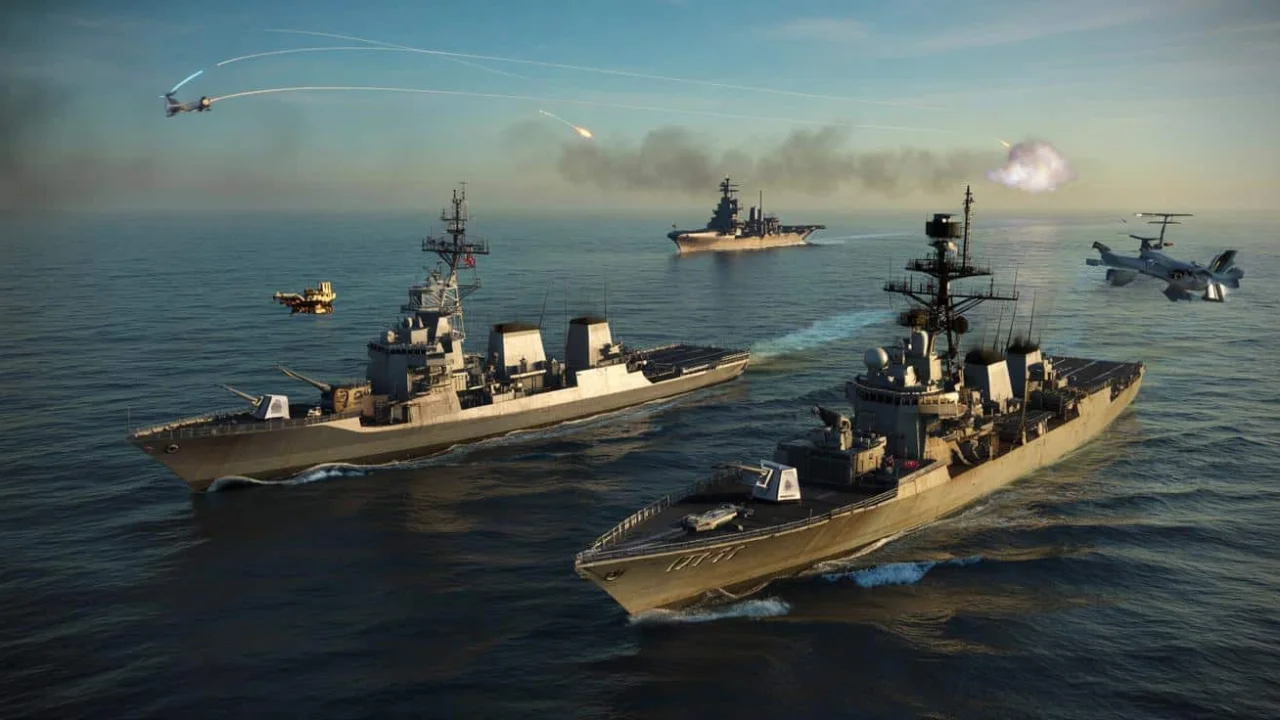
“We’re not just building ships; we’re building Bulgaria’s maritime sovereignty,” explains Admiral Georgi Penev, former Bulgarian Navy commander. “These vessels will patrol our waters for the next thirty years, protecting our coastline and supporting our NATO allies.”
The second vessel in the class, Smeli (“Bold”), continues construction at the same Varna facility, maintaining traditional Bulgarian naval naming conventions while incorporating thoroughly modern capabilities.
Technical Specifications and Advanced Capabilities
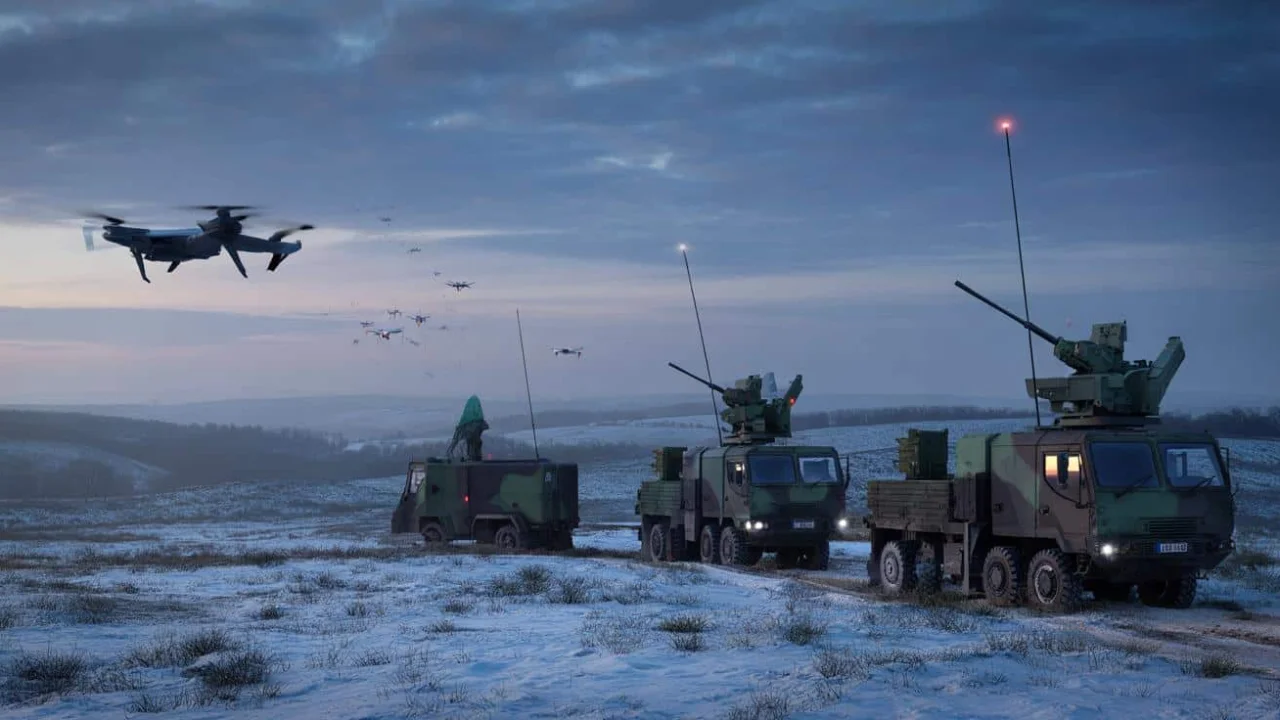
The Bulgaria MMPV 90 corvette represents a significant leap forward in terms of both size and capability compared to existing Bulgarian naval assets. These vessels combine patrol duties with serious combat potential, making them valuable assets for both peacetime operations and potential conflict scenarios.
| Specification | Details |
|---|---|
| Length | 90 meters |
| Displacement | Approximately 2,300 tons |
| Crew Capacity | 60 personnel |
| Maximum Speed | 25+ knots |
| Range | 4,000+ nautical miles |
| Primary Armament | 76mm naval gun |
Key advanced features include:
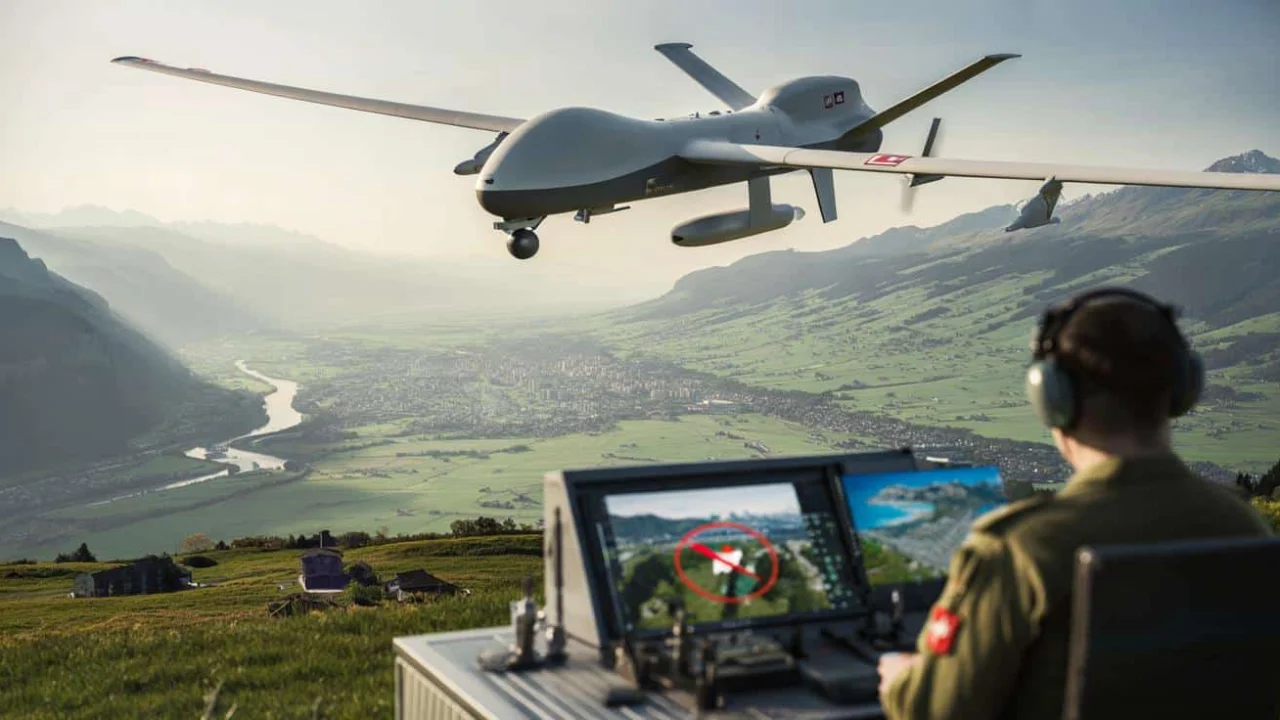
- State-of-the-art radar and electronic warfare systems
- Helicopter landing and refueling capabilities
- Modular weapon systems allowing mission-specific configurations
- Advanced command and control systems compatible with NATO standards
- Enhanced crew accommodation and living quarters
- Integrated communication systems for multinational operations
The modular design philosophy allows these corvettes to adapt to various mission requirements, from maritime patrol and search-and-rescue operations to more intensive combat scenarios.
“The modularity gives us incredible flexibility,” notes Captain Elena Stoyanova, a naval systems specialist. “We can reconfigure weapons and sensors based on specific mission needs, something our older ships simply couldn’t do.”
Strategic Impact on Black Sea Security
The introduction of the Bulgaria MMPV 90 corvette comes at a particularly crucial time for Black Sea security dynamics. With ongoing regional tensions and increased NATO focus on southeastern Europe, these vessels represent a significant enhancement to alliance capabilities in the region.
Bulgaria’s investment in modern naval assets strengthens the country’s ability to patrol its extensive Black Sea coastline while contributing meaningfully to NATO maritime operations. The corvettes’ advanced sensors and communication systems enable seamless integration with other alliance vessels during joint exercises and operations.
Local fishing communities along Bulgaria’s coast have expressed optimism about enhanced maritime security. “We’ve seen more activity in our waters lately,” explains Hristo Marinov, a veteran fisherman from Sozopol. “Having modern Bulgarian ships patrolling gives us confidence that our waters are properly protected.”
The economic implications extend beyond security concerns. The shipbuilding program has created hundreds of jobs at the Varna facility and established Bulgaria as a potential regional hub for naval construction and maintenance.
Defense industry analysts suggest that successful completion of this program could position Bulgaria for additional naval contracts, potentially from other Black Sea nations seeking to modernize their fleets.
The corvettes also enhance Bulgaria’s search-and-rescue capabilities, crucial for a country with significant commercial shipping traffic and growing tourism along its coastal regions. Modern rescue equipment and helicopter support capabilities mean faster response times for maritime emergencies.
“These ships change our entire approach to maritime operations,” emphasizes Rear Admiral Plamen Mangarov. “We’re moving from reactive patrol duties to proactive maritime security management.”
Training programs for Bulgarian Navy personnel have intensified to ensure crews can maximize the corvettes’ advanced capabilities. The transition from Soviet-era systems to modern Western technology requires comprehensive retraining but offers sailors access to cutting-edge naval technology.
International naval observers view Bulgaria’s corvette program as a model for smaller NATO nations seeking to modernize aging fleets while maintaining reasonable costs and supporting domestic shipbuilding capabilities.
FAQs
When will the Bulgaria MMPV 90 corvette enter active service?
Hrabri is expected to complete sea trials and enter service with the Bulgarian Navy by mid-2025, with Smeli following approximately one year later.
How much did the corvette program cost?
The total program cost is approximately €420 million for construction, with additional costs for weapons systems and equipment bringing the full investment to around €500 million.
Can these corvettes operate with NATO allies?
Yes, the Bulgaria MMPV 90 corvettes feature NATO-compatible communication and command systems, enabling seamless integration with alliance naval operations.
What happened to Bulgaria’s older naval vessels?
Many Soviet-era ships are being gradually retired as the new corvettes enter service, though some will remain in service for specific roles or as training platforms.
Will Bulgaria build additional corvettes?
While only two corvettes are currently under construction, Bulgarian officials haven’t ruled out additional vessels if the program proves successful and budget conditions allow.
What makes these corvettes different from traditional patrol boats?
The MMPV 90 corvettes are significantly larger and more heavily armed than typical patrol vessels, with advanced sensors and the ability to conduct multiple mission types simultaneously.
About the Author