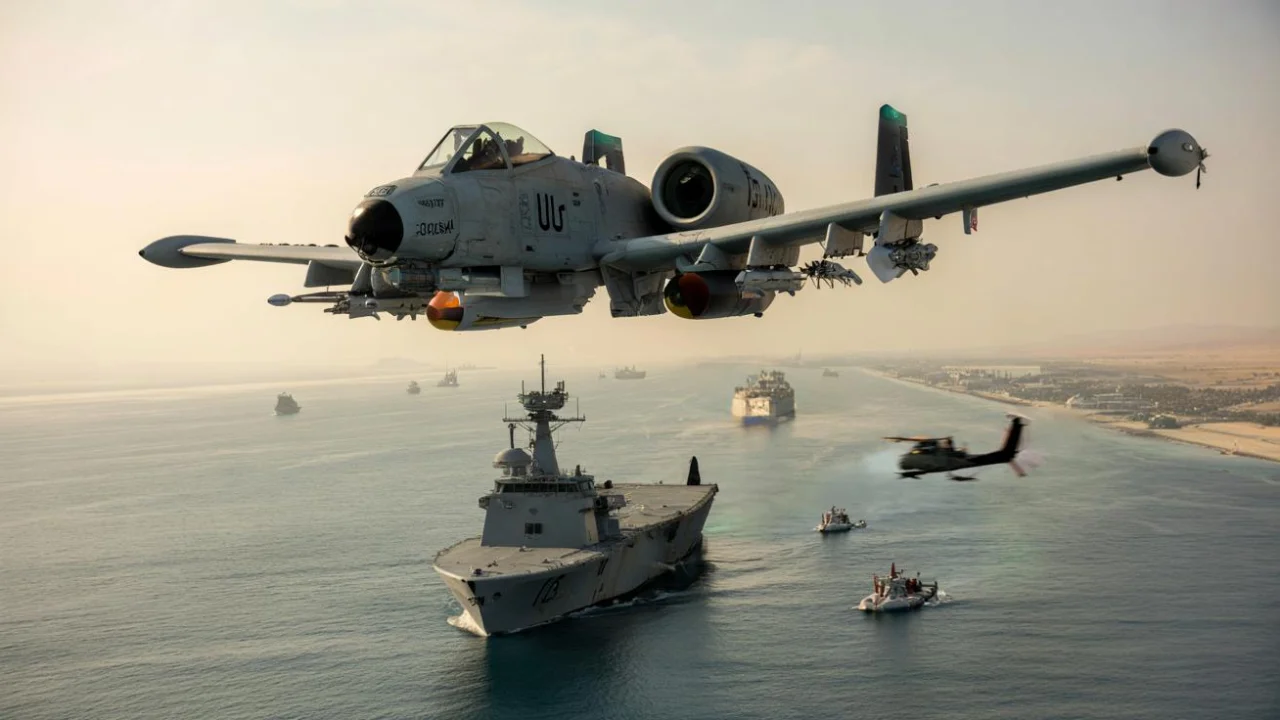
Captain Sarah Chen still remembers the first time she saw an A-10 Warthog fly overhead during a training exercise off the California coast. The distinctive growl of its engines and the reassuring sight of its twin-tail design made her feel like someone had her back. Now, as tensions rise in one of the world’s most critical waterways, that same feeling of protection is becoming reality for naval crews operating in the Arabian Gulf.
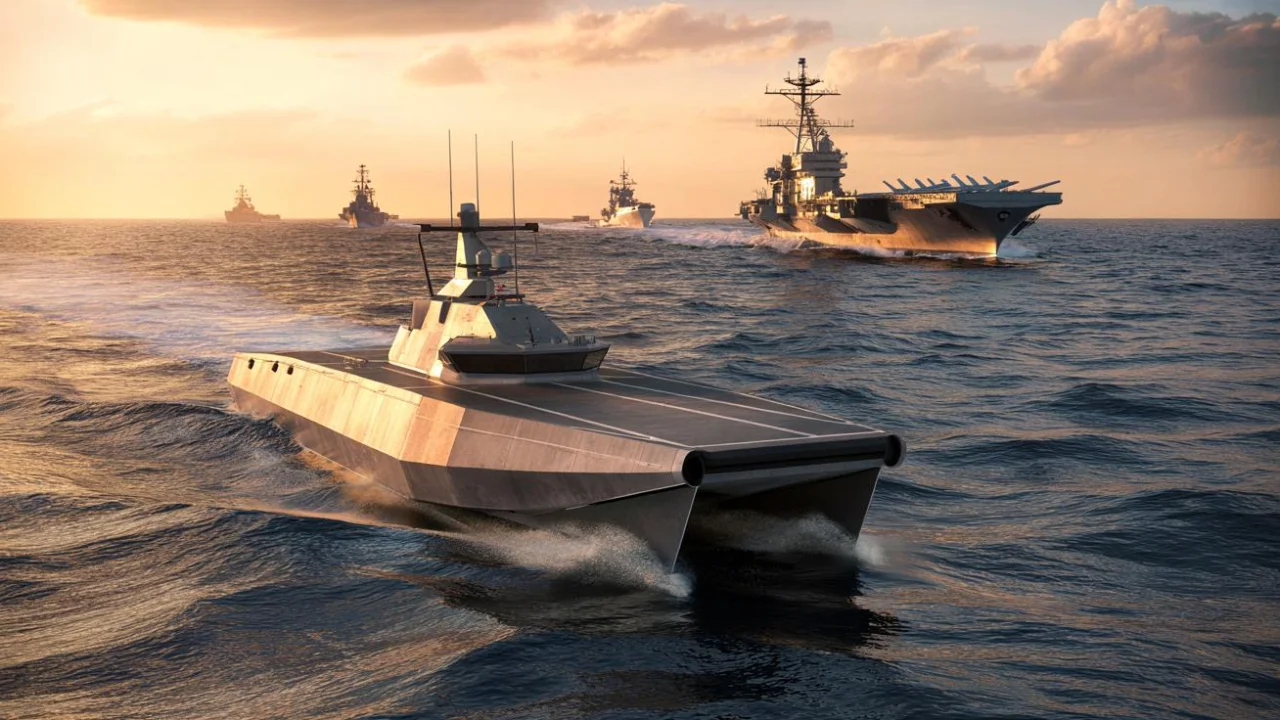
When your job involves hunting underwater mines in hostile waters, knowing that heavily armed aircraft are circling overhead isn’t just comforting—it’s essential for survival. For the sailors aboard mine-hunting vessels, every day brings the possibility of encountering explosive devices that could cripple global shipping routes.
This human element of protection and teamwork drives the latest military deployment that’s quietly reshaping security operations in the Middle East.
When Old School Meets New Threats
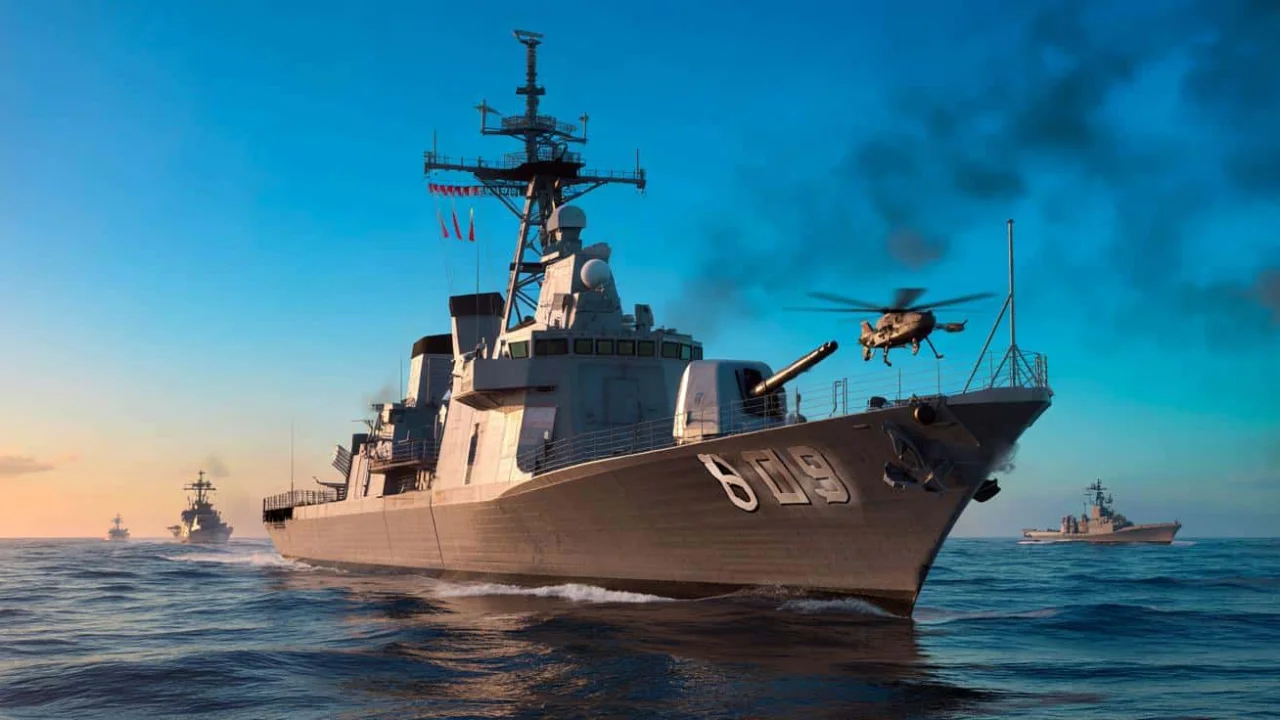
The U.S. Air Force has deployed A-10C Warthogs to provide armed protection for Navy mine warfare operations in the Arabian Gulf, marking a significant shift in how America secures one of the world’s most vital shipping lanes. During recent exercises near the Strait of Hormuz, these battle-tested aircraft flew protective missions over the USS Santa Barbara, a cutting-edge littoral combat ship equipped with advanced mine-hunting technology.
The pairing might seem unusual—a 1970s-era attack aircraft protecting a 21st-century warship—but military strategists say it makes perfect sense. The Arabian Gulf’s geography creates a unique tactical environment where the A-10C’s specific capabilities shine brightest.
“The A-10C brings something to the table that newer, faster jets simply can’t match in this environment,” explains retired Air Force Colonel Mike Torres, a former A-10 pilot with extensive Middle East experience. “It can stay on station for hours, fly low enough to see small boats and threats clearly, and respond immediately when something goes wrong.”
The strategic importance of this deployment extends far beyond military exercises. About 20% of the world’s oil passes through the Strait of Hormuz, making it one of the most economically critical chokepoints on Earth. Any disruption to shipping in these waters sends ripples through global energy markets and affects gas prices worldwide.
Why These Missions Matter Right Now
The timing of this deployment reflects growing concerns about mine warfare threats in the region. Recent intelligence reports suggest that hostile forces have been developing more sophisticated underwater explosive devices, designed to target both military and commercial vessels. Here’s what makes this threat particularly dangerous:
- Mines can remain hidden underwater for months or years before activation
- A single mine explosion can close shipping lanes for weeks
- Modern mines can be programmed to target specific types of vessels
- Clearing mine fields requires slow-moving, vulnerable specialized ships
- Mine-hunting operations leave crews exposed to other forms of attack
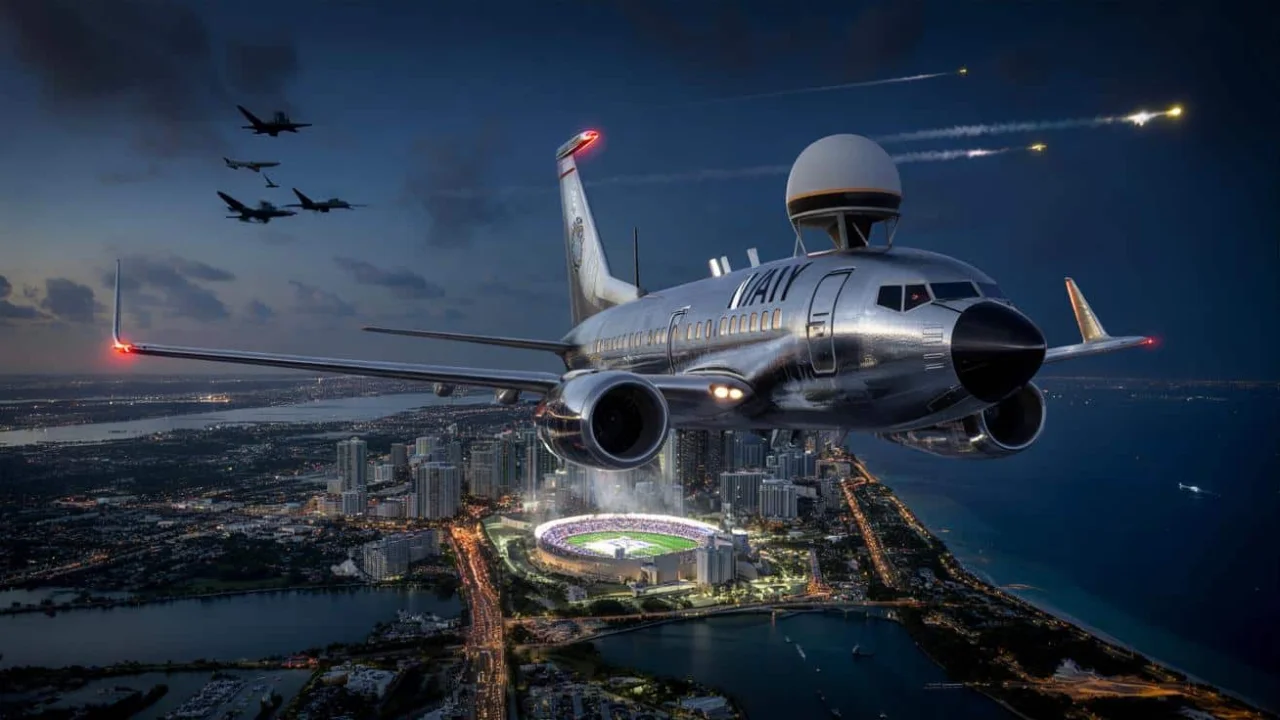
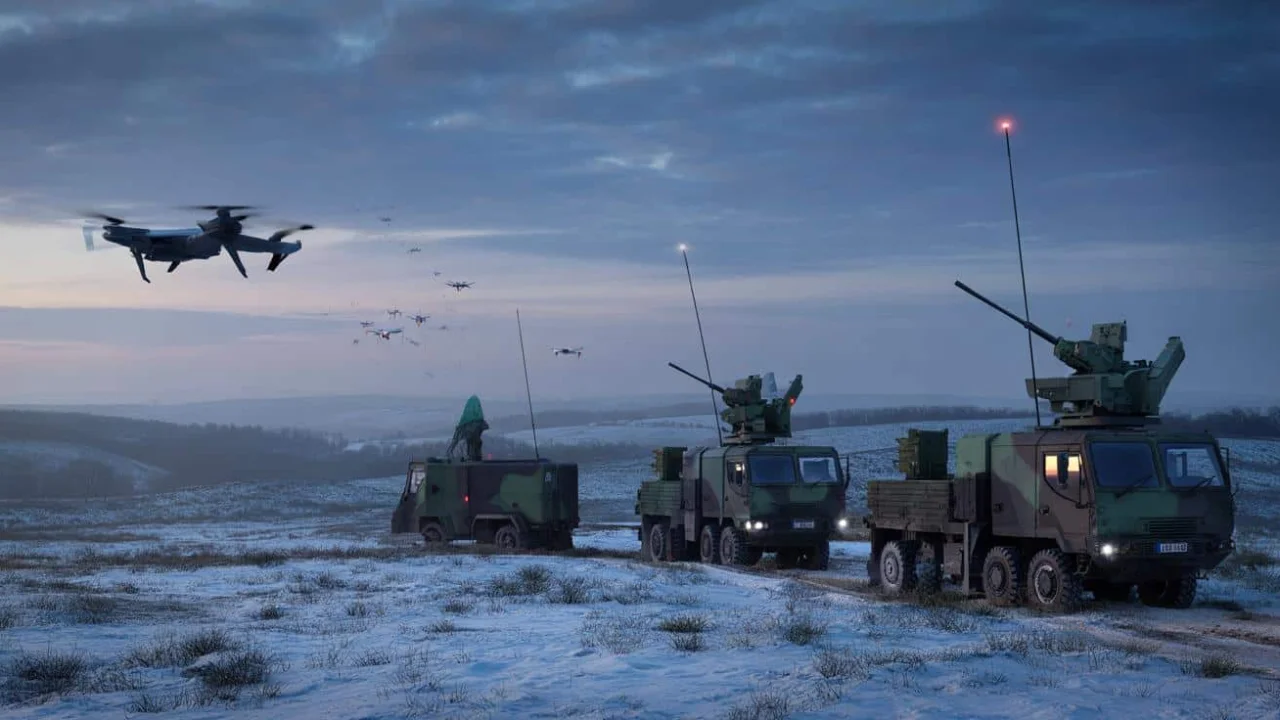
The A-10C Warthogs address this vulnerability by providing constant air cover during the most dangerous phases of mine-clearing operations. Their distinctive 30mm GAU-8 cannon and ability to carry various missiles and bombs make them formidable deterrents against small boat attacks or drone swarms.
| A-10C Capabilities | Mission Value |
|---|---|
| 11-hour flight endurance | Extended protection coverage |
| Low-altitude operations | Better threat identification |
| 30mm cannon with 1,350 rounds | Immediate response to fast boats |
| Multiple weapon stations | Flexible response options |
| Titanium armor protection | Survivability in hostile airspace |
“What people don’t realize is that mine-clearing ships are sitting ducks during operations,” notes Dr. Amanda Rodriguez, a maritime security analyst at the Naval War College. “They move slowly, follow predictable patterns, and can’t maneuver quickly when threatened. Having A-10s overhead changes the entire risk equation.”
Real-World Impact on Global Commerce
This military deployment affects far more than just the ships directly involved. The presence of A-10C Warthogs protecting mine-clearing operations sends a clear message to commercial shipping companies, insurance firms, and energy markets that the United States remains committed to keeping these vital sea lanes open.
Shipping companies have already begun adjusting their risk assessments for Arabian Gulf transits. Lower perceived risks translate directly into reduced insurance premiums for cargo vessels, ultimately keeping transportation costs down for consumers worldwide. When shipping routes feel secure, global supply chains operate more efficiently.
The economic implications stretch across multiple industries. Energy companies rely on predictable shipping schedules to deliver oil and natural gas to international markets. Manufacturing firms depend on steady flows of raw materials through these same waterways. Even smartphone production can be disrupted when key shipping routes face security threats.
“Every major corporation with global supply chains is watching these developments closely,” explains international trade consultant Robert Kim. “The difference between safe and unsafe shipping routes can mean millions of dollars in additional costs or delays.”
Beyond immediate economic concerns, this deployment demonstrates evolving military cooperation between different service branches. The success of combined Air Force and Navy operations in the Arabian Gulf could influence future joint missions worldwide.
Regional allies have also taken notice of the enhanced protection measures. Countries like Saudi Arabia, Kuwait, and the United Arab Emirates rely heavily on secure shipping for their economic survival. Knowing that American forces are actively protecting mine-clearing operations provides additional confidence for their own commercial activities.
The deployment also serves as a practical test of how older aircraft can adapt to modern threats. While much attention focuses on next-generation fighters and stealth technology, the A-10C proves that certain mission requirements still favor proven designs over cutting-edge alternatives.
“Sometimes the best tool for the job isn’t the newest or most expensive one,” observes former Navy Captain Lisa Wang, now a defense contractor specializing in mine warfare systems. “The A-10 was built to fly low, stay long, and hit hard—exactly what you need when protecting vulnerable ships in confined waters.”
FAQs
Why are A-10C Warthogs being used instead of newer fighter jets?
The A-10C can fly slowly and stay on station for up to 11 hours, making it ideal for protecting mine-clearing ships that operate at slow speeds for extended periods.
How dangerous are mines in the Arabian Gulf?
Naval mines pose a serious threat because they can remain hidden underwater for months and are designed to target specific types of vessels, potentially closing vital shipping lanes.
What makes mine-clearing ships so vulnerable?
Mine-hunting vessels must move slowly and follow predictable patterns during operations, making them easy targets for fast boats, drones, or coastal missiles.
How does this deployment affect global oil prices?
Enhanced security for mine-clearing operations helps ensure shipping lanes stay open, reducing risk premiums that could drive up transportation costs and ultimately fuel prices.
Are other countries involved in these operations?
While this deployment focuses on U.S. forces, regional allies like Saudi Arabia and the UAE benefit from increased maritime security and may provide logistical support.
How long will A-10Cs remain deployed for this mission?
The military hasn’t announced specific timelines, but such deployments typically continue as long as the threat level remains elevated and mine-clearing operations are active.
About the Author