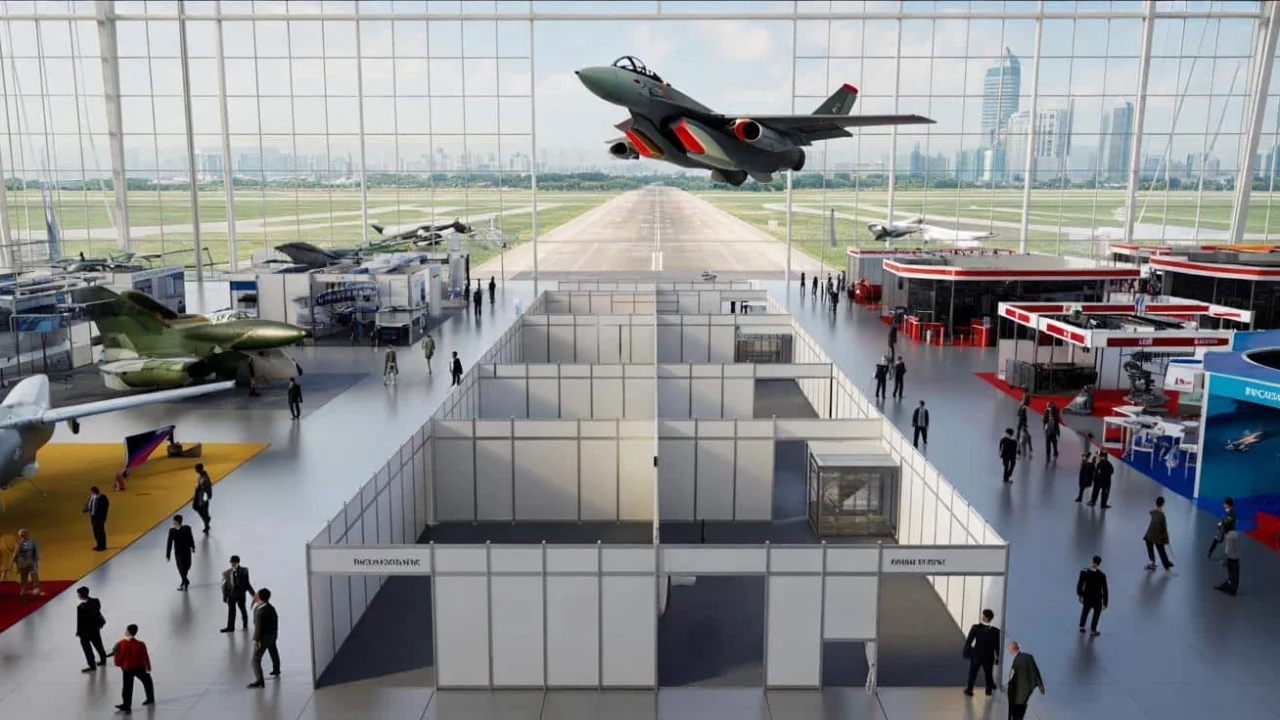
Maria Fernandez still remembers the crowds gathering around the sleek Russian fighter jets at Singapore’s airshow just a few years ago. As a defense journalist covering the event since 2018, she watched visitors snap selfies with Su-30 models and sales representatives in sharp suits pitch helicopter deals to military officials from across Southeast Asia.
This February, she walked through the same exhibition halls expecting to find the familiar Russian pavilions. Instead, she found empty spaces where Rosoboronexport and Russian Helicopters once displayed their latest military hardware. The absence felt strange, almost eerie.
“It’s like a key player just disappeared from the game,” Maria told her editor that evening. What she witnessed wasn’t just a missed trade show – it was the visible collapse of Russia’s once-dominant position in Asia’s arms market.
The vanishing act that shocked the defense world
For the second consecutive year, Russian arms makers completely skipped the Singapore Airshow, Asia’s most prestigious aerospace and defense exhibition. This isn’t just about missing a trade show – it represents a seismic shift in global weapons trading patterns.
The Singapore Airshow has traditionally served as Russia’s gateway to Asian military markets. Between 2000 and 2020, Russian defense companies used this platform to secure billions in contracts with countries like India, Vietnam, Malaysia, and Indonesia. Russian-made Su-30 fighters, Mi-17 helicopters, and S-400 air defense systems became household names among military planners across the region.
“The Russian absence is unprecedented in the show’s modern history,” said James Morrison, a longtime aerospace analyst who has attended every Singapore Airshow since 2008. “These companies used to book the biggest pavilions and bring their top executives. Now there’s complete radio silence.”
The void left by Russian arms makers has created opportunities for other nations to expand their presence. Chinese defense firms notably increased their exhibition space, while European and American companies reported higher visitor traffic at their stands.
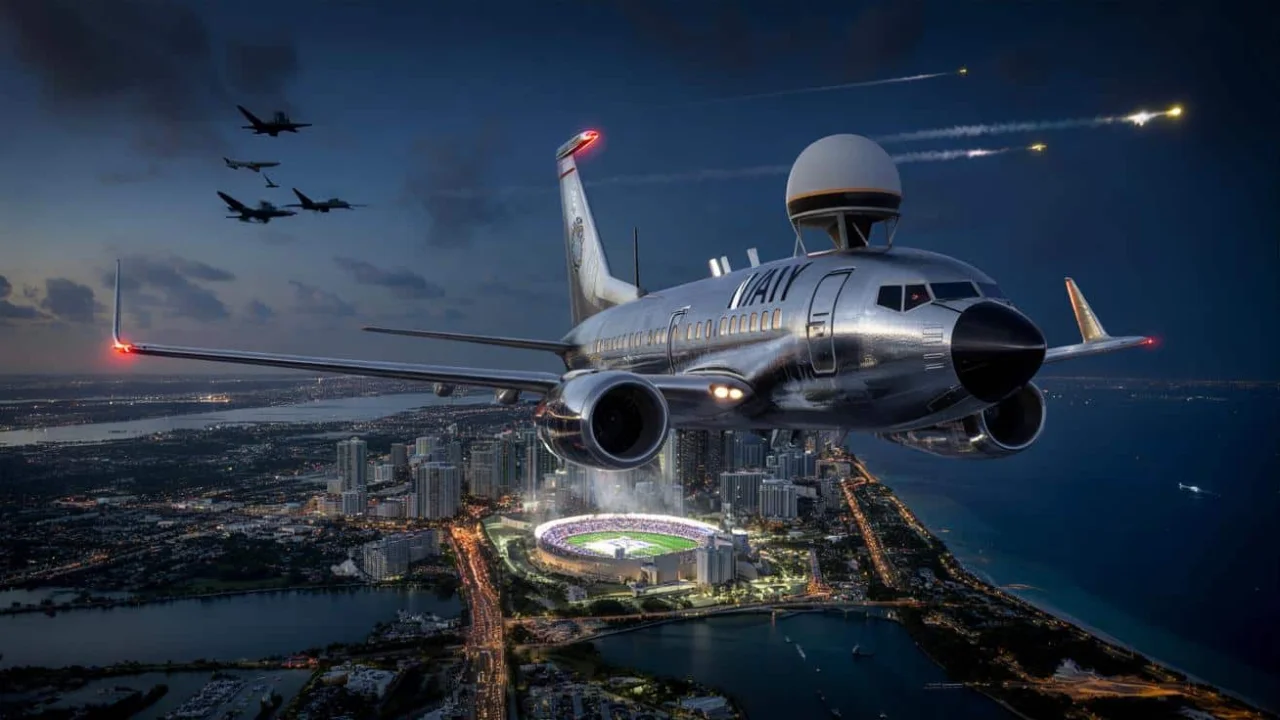
What Russian companies are missing out on
The financial implications of this absence extend far beyond booth rental fees. Here’s what Russian arms makers are sacrificing by staying away:
- Direct access to procurement officials from 15+ Asian militaries
- Face-to-face meetings with potential buyers worth billions in contracts
- Opportunities to showcase new weapons systems to international media
- Networking with global defense suppliers and partners
- Intelligence gathering on competitor products and pricing
- Maintenance of existing client relationships in the region
| Year | Russian Exhibitors | Estimated Booth Investment | Key Products Displayed |
|---|---|---|---|
| 2020 | 12 companies | $8.5 million | Su-35, Mi-28, S-400 |
| 2022 | 3 companies | $1.2 million | Limited displays |
| 2024 | 0 companies | $0 | None |
| 2026 | 0 companies | $0 | None |
The numbers tell a stark story. Russian participation collapsed from a peak of 12 major exhibitors in 2020 to absolute zero in recent years. This withdrawal comes at a time when Asian defense spending continues to grow, with regional militaries planning equipment purchases worth over $200 billion through 2030.
“Russia is essentially walking away from a market that’s expanding rapidly,” explained Dr. Sarah Chen, a defense economist at the Institute for Strategic Studies. “While they’re focused on their domestic military needs, competitors are swooping in to capture market share.”
The ripple effects across Asian defense markets
Russian arms makers’ disappearance from Singapore creates real-world consequences that extend far beyond the exhibition halls. Asian countries that historically relied on Russian military equipment now face difficult choices about future procurement and maintenance support.
India, traditionally Russia’s largest Asian customer, has already begun diversifying its weapons suppliers. The Indian Air Force, which operates hundreds of Russian-origin aircraft, is increasingly looking to France, Israel, and domestic manufacturers for new purchases.
Vietnam faces similar challenges with its fleet of Russian helicopters and naval vessels. Without strong supplier relationships maintained through events like Singapore Airshow, these countries must invest more heavily in developing alternative support networks.
The absence also affects smaller nations that depend on Russian equipment for their defense needs. Malaysia, which operates Russian-made Sukhoi fighters, and Myanmar, with its Russian helicopter fleet, now have fewer opportunities for direct engagement with suppliers.
“Regional militaries are being forced to reconsider their entire procurement strategies,” noted Colonel (Retired) Michael Thompson, who advises several Asian defense ministries. “The Russians built these relationships over decades. You can’t just pause them for a few years and expect to pick up where you left off.”
The gap has created unprecedented opportunities for other arms exporters. South Korean companies like Korea Aerospace Industries reported record interest from Asian buyers at this year’s show. Turkish defense firms also expanded their regional presence significantly.
Chinese weapons manufacturers have been particularly aggressive in pursuing former Russian clients. Beijing’s state-owned defense companies now occupy exhibition spaces that Russian firms once dominated, pitching their J-20 fighters and Z-20 helicopters to the same audience that once favored Russian alternatives.
For the global arms trade, Russia’s retreat from Asia represents a fundamental shift in power dynamics. European and American companies that previously competed with Russian offerings for Asian contracts now face different competitive landscapes entirely.
The human cost shouldn’t be overlooked either. Thousands of Russian defense industry workers who specialized in Asian markets have seen their expertise become less valuable. Sales teams that spent years building relationships with Asian military officials now find themselves sidelined by geopolitical events beyond their control.
FAQs
Why did Russian arms makers stop attending the Singapore Airshow?
The absence is primarily due to international sanctions following Russia’s invasion of Ukraine, which restrict Russian defense companies’ ability to participate in international exhibitions and conduct business with many countries.
How much money are Russian companies losing by skipping these events?
Industry estimates suggest Russian arms makers are forgoing potential contracts worth billions of dollars annually by not maintaining their presence in Asian defense markets through key exhibitions like Singapore Airshow.
Which countries are filling the gap left by Russian arms makers?
China, South Korea, Turkey, and European nations have all expanded their presence at Asian defense exhibitions, competing for market share previously dominated by Russian companies.
Will Russian arms makers return to Asian defense shows?
Their return depends largely on the resolution of the Ukraine conflict and the lifting of international sanctions, which could take years or even decades to achieve.
How does this affect countries that use Russian military equipment?
Nations with Russian-made weapons face challenges in obtaining spare parts, upgrades, and technical support, forcing them to seek alternative suppliers or develop domestic maintenance capabilities.
What does this mean for the global arms trade?
Russia’s retreat from Asian markets represents a significant reshuffling of the global weapons trade, with other nations competing to capture market share in one of the world’s fastest-growing defense regions.
About the Author