Maksym still remembers the sound of Russian artillery hitting his village near Kharkiv in early 2022. The explosions felt endless, and like millions of Ukrainians, he wondered how his country could possibly defend itself against such overwhelming firepower. Today, almost three years later, something remarkable is happening in factories and workshops across Ukraine that would have seemed impossible back then.
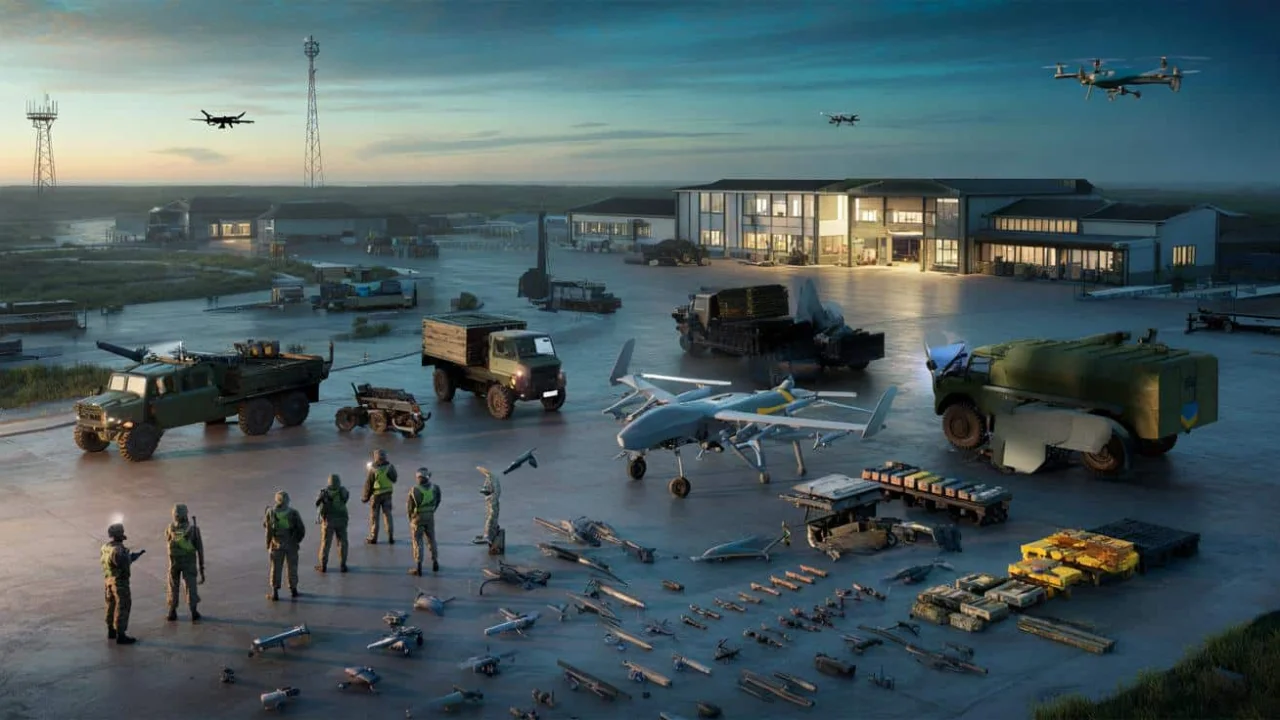
Small teams of engineers are working around the clock, designing weapons that didn’t exist when the war started. Former tech workers have become drone manufacturers. Metalworking shops now produce missile components. And behind all this activity lies a single, unprecedented decision by Ukraine’s government.
In 2025, Ukraine approved more than 1,300 locally made weapons for active military use – a massive leap that signals the country is no longer just fighting for survival, but fundamentally changing how modern warfare works.
Ukraine’s Military Production Revolution Takes Shape
The numbers tell a story of rapid transformation. Ukraine locally made weapons have gone from a desperate necessity to a strategic advantage in just two years. Defense Minister Denys Shmyhal announced that the 1,300+ approved systems represent a 25% increase over the previous year, despite ongoing Russian attacks on industrial facilities.
“We’re not just replacing what we’ve lost,” explains a senior defense official who requested anonymity. “We’re building capabilities that didn’t exist before the war, using technologies and approaches that traditional defense contractors never considered.”
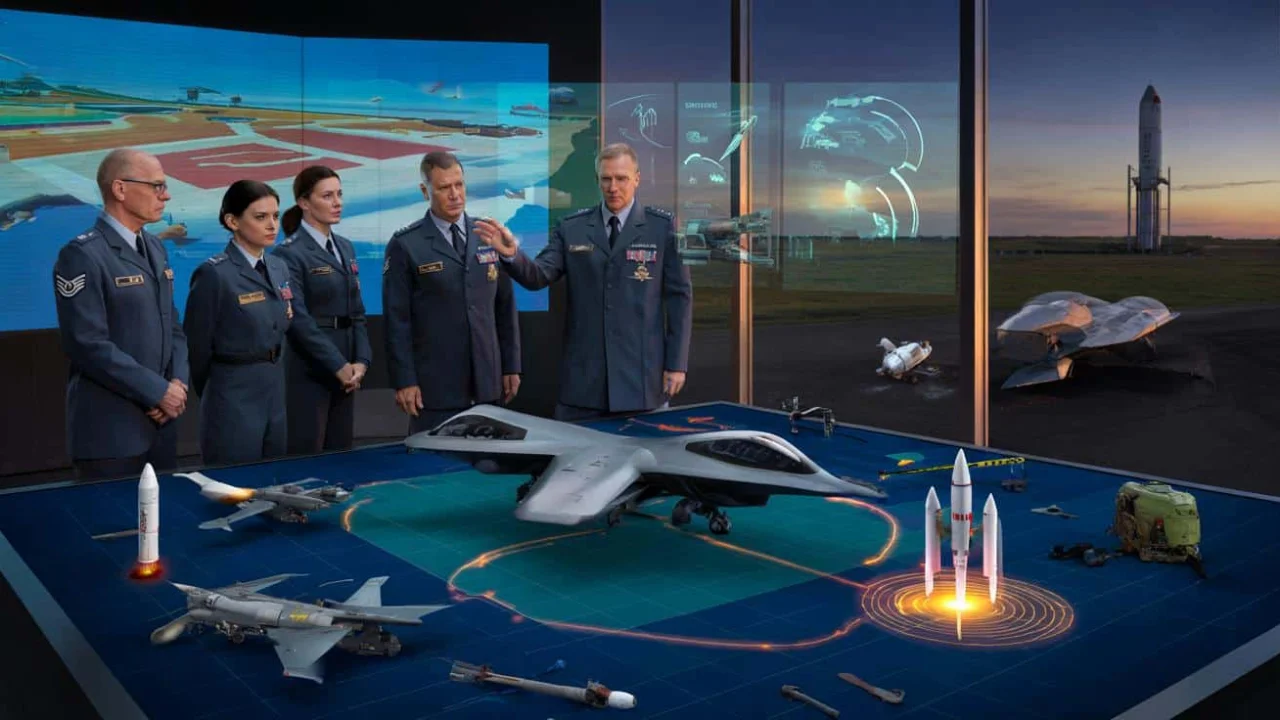
This isn’t your grandfather’s weapons manufacturing. Ukrainian companies have embraced a startup mentality, rapidly prototyping and testing systems in real combat conditions. The results speak for themselves – homegrown drones are now hitting targets deep inside Russia, while Ukrainian-made electronic warfare systems jam enemy communications across the front lines.
The shift represents more than military strategy. It’s economic survival. Every Ukrainian-made weapon means less dependence on unpredictable Western deliveries and more jobs for displaced workers who fled combat zones.
Breaking Down Ukraine’s New Arsenal
The 1,300+ approved systems reveal fascinating patterns about how Ukraine locally made weapons are reshaping modern combat:
| Weapon Category | Number of Systems | Key Examples |
|---|---|---|
| Unmanned Systems | 550+ | FPV drones, reconnaissance platforms, loitering munitions |
| Electronic Warfare | 200+ | Signal jammers, communication interceptors |
| Artillery Systems | 180+ | Self-propelled guns, rocket launchers |
| Small Arms & Equipment | 370+ | Rifles, protective gear, night vision |
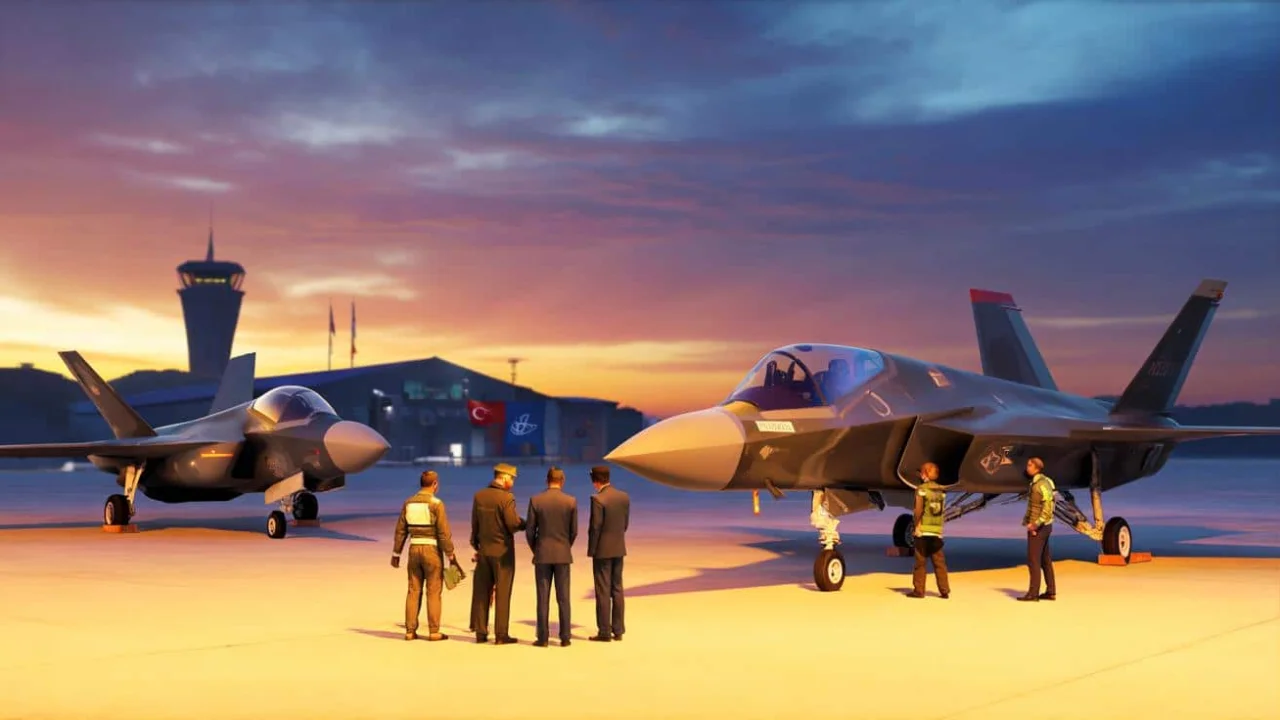
The drone dominance is particularly striking. Over 40% of new approvals involve unmanned systems, ranging from tiny surveillance quadcopters to sophisticated long-range strike platforms. Ukrainian manufacturers have mastered the art of rapid iteration – designing, testing, and deploying new drone variants in weeks rather than years.
Key innovations include:
- AI-powered target recognition systems that work without GPS
- Swarm coordination technology allowing multiple drones to attack simultaneously
- Extended-range platforms capable of 1,000+ kilometer missions
- Modular designs enabling rapid battlefield repairs and upgrades
“We’ve essentially created a weapons ecosystem where innovation happens at internet speed,” notes a defense industry analyst. “Traditional procurement cycles that took decades now happen in months.”
How This Changes Everything for Ukraine and Beyond
The implications extend far beyond Ukraine’s borders. NATO countries are closely studying Ukrainian innovations, particularly in drone warfare and electronic systems. Several allies have already placed orders for Ukrainian-designed equipment, marking a dramatic reversal from the early war period when Ukraine relied entirely on foreign weapons.
For ordinary Ukrainians, the shift means economic opportunity amid wartime hardship. Defense manufacturing now employs over 200,000 people, many in regions far from the front lines. Former software developers design guidance systems. Mechanical engineers who once built farm equipment now create armored vehicles.
“My brother switched from making mobile apps to programming drone flight controllers,” says Oksana, a Kyiv resident whose family has been directly impacted by the defense boom. “He’s earning better money now than before the war, and he knows his work is directly helping defend our country.”
The strategic impact is equally significant. Ukraine locally made weapons reduce the country’s vulnerability to supply chain disruptions and political changes in partner countries. When Western ammunition deliveries slow, Ukrainian factories can fill critical gaps. When specific weapon systems prove unavailable, local manufacturers can develop alternatives.
International defense markets are taking notice. Ukrainian companies are receiving inquiries from countries facing similar threats, particularly in Eastern Europe and the Indo-Pacific region. The “Ukrainian model” of rapid, cost-effective weapons development is becoming a template for smaller nations seeking defense independence.
“What Ukraine has achieved in three years typically takes defense contractors a decade or more,” observes a former NATO procurement official. “They’ve proven that necessity really is the mother of invention, and their innovations are going to influence military thinking for generations.”
The 1,300+ weapons approval represents more than bureaucratic efficiency – it’s evidence of a nation that has transformed crisis into capability. As Ukraine continues developing locally made weapons, the balance of power in modern warfare continues shifting in unexpected directions.
FAQs
What types of weapons are included in Ukraine’s 1,300+ new approvals?
The majority are unmanned systems like drones, followed by electronic warfare equipment, artillery systems, and small arms. Over 550 are various drone platforms.
How does this compare to Ukraine’s pre-war weapons production?
Before 2022, Ukraine produced mainly Soviet-era designs and components for export. The current production focuses on innovative, modern systems developed specifically for current battlefield conditions.
Are these weapons being exported to other countries?
Yes, several NATO and allied countries have expressed interest in Ukrainian-designed systems, particularly drones and electronic warfare equipment that have proven effective in combat.
How quickly can Ukraine manufacture these new weapons?
Production timelines vary, but Ukrainian manufacturers have achieved remarkably fast development cycles – often weeks or months from design to deployment, compared to years for traditional defense contractors.
What role do private companies play in this weapons production?
Private manufacturers, including many tech startups, produce a significant portion of Ukraine’s new weapons. The government has streamlined approval processes to work with small, innovative companies alongside traditional defense contractors.
How sustainable is this rapid weapons development pace?
While challenging to maintain long-term, Ukraine has built substantial manufacturing capacity and expertise. The country is working to transition from wartime emergency production to a sustainable defense industrial base.
About the Author