The dock master’s voice cracked with pride as he counted down the final seconds. “Three… two… one!” Around him, hundreds of shipyard workers erupted in cheers, their hard hats glinting in the Indonesian sun. The massive grey hull of KRI Balaputradewa slipped gracefully into the waters of Surabaya’s harbor, creating ripples that seemed to spread far beyond the dockyards.
For many of these workers, this wasn’t just another ship launch. It represented something they’d been dreaming about for decades—seeing their country build its own advanced warships instead of buying them from overseas. The elderly welder standing nearby had tears in his eyes, remembering when Indonesia could barely repair foreign-built vessels, let alone construct them from scratch.
This emotional moment on December 18th marked more than just the birth of a new frigate. It signaled Indonesia’s bold step toward naval independence and technological sovereignty in one of the world’s most strategically important maritime regions.

Indonesia’s game-changing Arrowhead 140 frigate makes history
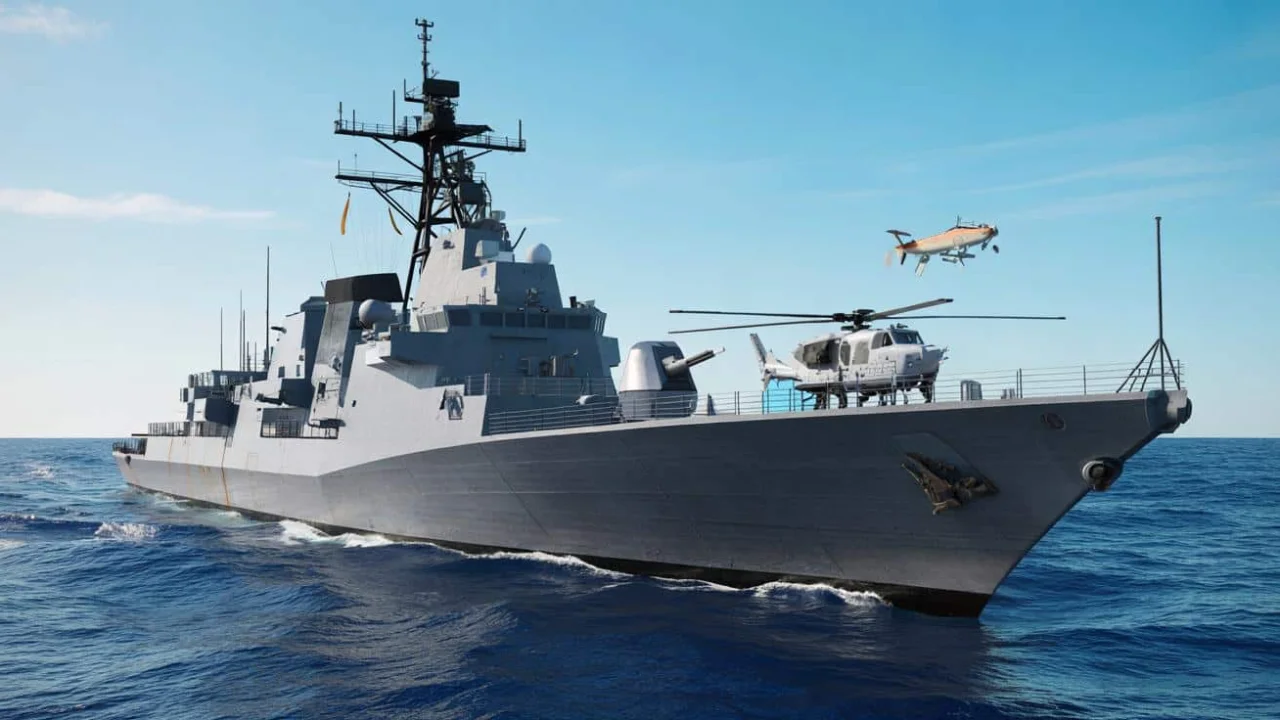
The KRI Balaputradewa (322) represents a watershed moment for Indonesia’s naval capabilities. Based on the proven British Arrowhead 140 design, this frigate becomes the largest principal surface combatant ever constructed within Indonesia’s borders. The achievement carries weight far beyond its impressive 140-meter length.
Built by state-owned PT PAL Indonesia in Surabaya, the project moved at remarkable speed. Steel cutting began in December 2022, followed by keel laying in August 2023. That timeline impressed even seasoned naval observers who know how complex modern warship construction can be.
“This frigate represents a quantum leap in Indonesian shipbuilding capabilities,” explains naval defense analyst Maria Santos. “They’ve gone from building patrol boats to assembling one of the world’s most advanced frigate designs.”
The ship’s name carries deep historical significance. Balaputradewa was a 9th-century king of the mighty Srivijaya Kingdom, which once controlled vital sea lanes across Southeast Asia. By choosing this name, Indonesia sends a clear message about its maritime ambitions in the 21st century.

Technical specifications and capabilities that matter
The Arrowhead 140 frigate brings cutting-edge technology to Indonesia’s naval fleet. Here’s what makes this vessel so significant:
| Specification | Details |
|---|---|
| Length | 140 meters |
| Displacement | Approximately 5,700 tons |
| Crew | Up to 180 personnel |
| Range | 7,000+ nautical miles |
| Speed | 28+ knots maximum |
| Propulsion | Combined diesel and gas turbine |
The frigate’s advanced combat systems include:
- Sea Ceptor air defense missiles for protection against aerial threats
- 76mm main gun for surface engagement
- Modern radar and sonar systems for 360-degree awareness
- Helicopter landing deck and hangar for maritime operations
- Electronic warfare capabilities for modern naval combat
- Modular design allowing future upgrades and modifications
“The Arrowhead 140 design gives Indonesia a truly multi-role platform,” notes defense technology expert James Chen. “This isn’t just about having a bigger ship—it’s about having sophisticated capabilities that can adapt to different mission requirements.”
The frigate forms part of Indonesia’s “Merah Putih” (Red White) programme, named after the colors of the national flag. A second identical vessel is already under construction, with plans for additional ships depending on budget allocations and strategic needs.
Real-world impact across the archipelago
For Indonesia’s 17,500 islands scattered across three time zones, naval power isn’t just about defense—it’s about survival as a unified nation. The Arrowhead 140 frigate addresses several critical challenges facing the world’s largest archipelagic state.
Maritime security has become increasingly complex in Southeast Asian waters. Illegal fishing, smuggling, and territorial disputes require sophisticated naval responses. The new frigate’s extended range and advanced sensors allow Indonesia to patrol vast ocean areas more effectively than ever before.
The economic implications extend well beyond defense spending. Building these frigates domestically creates thousands of skilled jobs across multiple industries. Welders, electronics technicians, engineers, and logistics specialists all benefit from the knowledge transfer that comes with such advanced projects.
“We’re not just building ships—we’re building an entire ecosystem of naval technology expertise,” explains Indonesian Navy spokesperson Commander Sari Wijaya. “Young Indonesians can now see career paths in cutting-edge maritime technology right here at home.”
The technology transfer agreement with British defense companies brings additional benefits. Indonesian engineers work alongside international experts, absorbing knowledge about modern combat systems, hull design, and project management. This expertise will prove invaluable for future naval programs.
Regional dynamics also play a crucial role. As tensions rise in the South China Sea and maritime trade routes face increasing pressure, Indonesia’s enhanced naval capabilities send important signals to both allies and potential adversaries. The country can now participate more meaningfully in regional security arrangements.
Environmental protection represents another vital mission area. Indonesia’s marine resources face constant pressure from illegal fishing and pollution. The frigate’s advanced sensors and long endurance make it ideal for environmental monitoring and enforcement operations across the archipelago’s vast exclusive economic zone.
Local communities in coastal areas stand to benefit significantly. Better maritime security means safer fishing grounds, reduced piracy risks, and more stable conditions for marine tourism. The ripple effects of enhanced naval presence extend far beyond military considerations.
“This frigate shows the world that Indonesia is serious about protecting its maritime interests,” notes regional security analyst Dr. Amanda Foster. “It’s a statement of capability and intent that resonates throughout Southeast Asia.”
FAQs
What makes the Arrowhead 140 frigate design special?
The Arrowhead 140 offers exceptional versatility with modular systems that can adapt to different mission requirements, plus proven reliability from British naval engineering expertise.
How long did it take Indonesia to build this frigate?
From steel cutting to launch took approximately two years, which is remarkably fast for such a complex warship project.
Will Indonesia build more of these frigates?
Yes, a second ship is already under construction as part of the two-ship Merah Putih programme, with potential for additional vessels in the future.
What’s the strategic significance for Southeast Asia?
The frigate enhances Indonesia’s ability to patrol vital sea lanes and contributes to regional maritime security in increasingly contested waters.
How does this compare to other Southeast Asian naval capabilities?
This frigate puts Indonesia among the region’s most capable naval powers, with advanced systems comparable to those operated by developed nations.
What economic benefits does domestic construction provide?
Building warships locally creates skilled jobs, develops industrial capabilities, and keeps defense spending within Indonesia’s economy rather than sending it overseas.
About the Author