Captain Miguel Santos still remembers the day he watched a single drone operator control three surveillance aircraft from a cramped control room in Lisbon. What struck him wasn’t the technology – it was how one person could cover more ocean in an hour than his entire patrol fleet managed in a week. “That moment changed everything for me,” he says. “I realized we weren’t just looking at better tools. We were seeing the future of naval warfare.”

Santos wasn’t alone in that realization. Across European naval commands, officers were grappling with the same reality: unmanned systems were revolutionizing military operations faster than anyone had predicted.
Now, Portugal is betting big on that future with the NRPD João II, Europe’s first dedicated unmanned systems warship designed specifically for drone operations at sea.

What Makes This Ship Different from Traditional Carriers
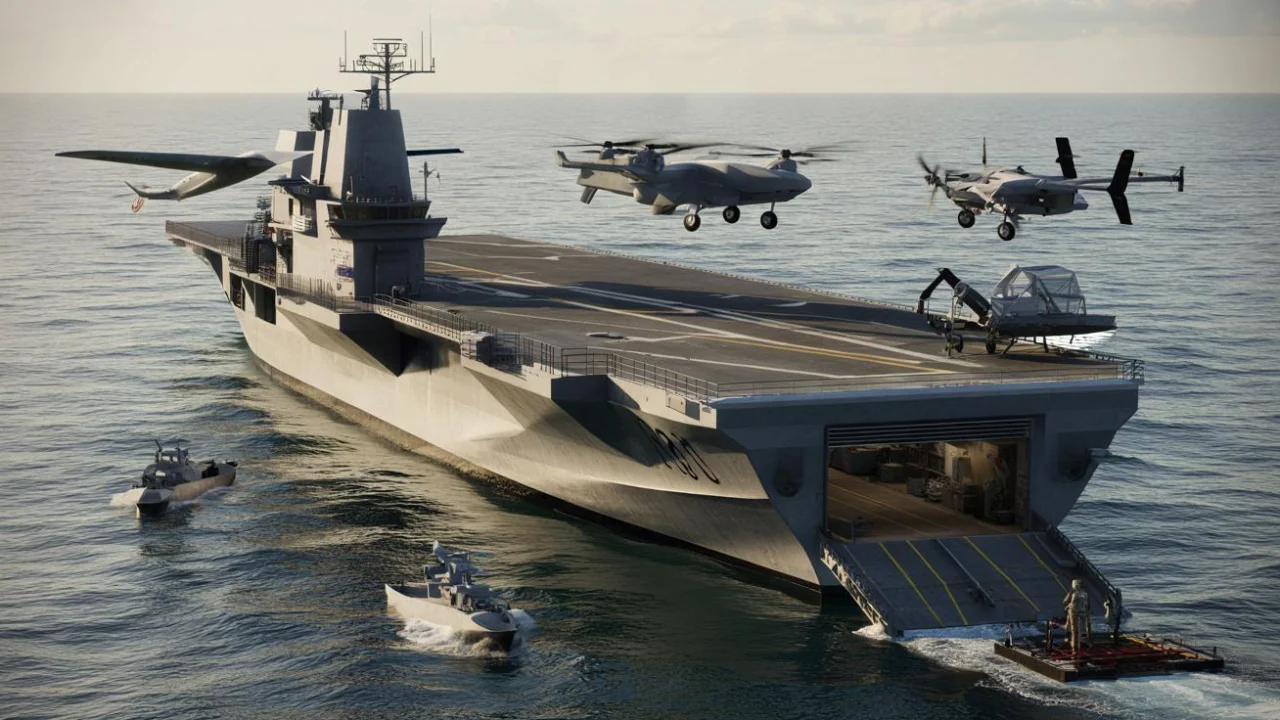
The João II looks nothing like the massive aircraft carriers that dominate headlines. Built by Dutch shipbuilder Damen, this compact vessel measures just 108 meters in length – roughly one-third the size of a conventional carrier. But don’t let the smaller footprint fool you.
The ship’s 94-meter flight deck stretches almost the entire hull, designed not for fighter jets but for an array of unmanned aircraft. Fixed-wing surveillance drones, rotary-wing reconnaissance systems, and vertical take-off unmanned vehicles will call this deck home.

“We traded catapults and arrestor wires for modular launch pads and data links,” explains naval engineer Dr. Ana Ribeiro, who worked on the project’s early design phases. “Everything about this ship is built around giving machines the support they need, not human pilots.”
Below deck, the hangar spaces tell the same story. Instead of maintenance bays for crewed aircraft, these areas house assembly stations, charging ports, and data processing centers. At the stern, a specialized ramp opens directly to the ocean, allowing crews to deploy and recover surface and underwater drones even in rough Atlantic conditions.
Technical Specifications and Capabilities
The numbers behind this unmanned systems warship reveal just how different modern naval thinking has become:
| Specification | Details |
|---|---|
| Length | 108 meters |
| Flight Deck | 94 meters |
| Primary Mission | Unmanned systems operations |
| Drone Types | Fixed-wing, rotary-wing, VTOL |
| Sea Access | Stern ramp for surface/underwater drones |
| Crew Focus | Operators and technicians vs. pilots |
The ship’s operational capabilities extend far beyond what traditional naval vessels can achieve:
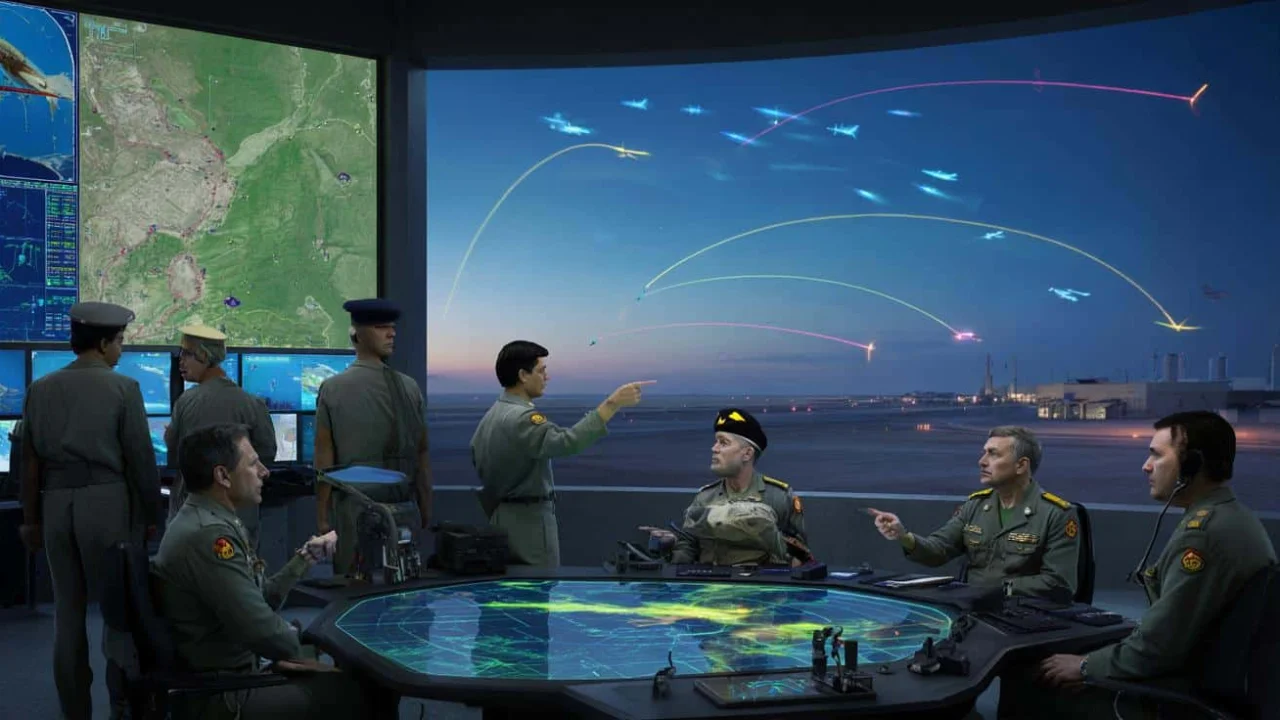
- Simultaneous control of multiple drone swarms across air, surface, and underwater domains
- Real-time data processing from dozens of sensors and cameras
- Extended surveillance coverage spanning hundreds of nautical miles
- Rapid deployment and recovery of unmanned systems in various weather conditions
- Integration with NATO’s broader unmanned systems networks
“The beauty of this platform is scalability,” notes defense analyst Carlos Mendez. “One ship can coordinate operations that would normally require an entire task force.”
The hangar areas feature modular workstations where technicians can quickly reconfigure drones for different missions. Need maritime patrol coverage? Load up surveillance packages. Facing a submarine threat? Deploy underwater hunter-killers. The flexibility rivals what larger, more expensive platforms offer.
Why This Matters for Europe and NATO
Portugal’s investment in this unmanned systems warship signals a broader shift in European naval strategy. Traditional carriers cost billions and require massive crew commitments. The João II represents a more practical approach for smaller navies facing modern threats.
For NATO, the timing couldn’t be better. Alliance members have been struggling to modernize their fleets while managing tight defense budgets. A dedicated drone carrier offers capabilities that complement larger vessels without breaking national treasuries.
“This ship will become a testing ground for concepts that could reshape how we think about naval power,” predicts Admiral Teresa Costa, Portugal’s former naval chief. “Small nations can now project significant maritime influence through technology rather than tonnage.”
The operational advantages are already clear to military planners. While traditional carriers need destroyer escorts and supply ships, the João II can operate more independently. Its smaller crew means lower operating costs. Its drone complement can be rapidly reconfigured for different threat environments.
European shipbuilders are watching closely too. If the Portuguese experiment succeeds, other nations may follow suit. Italy, Spain, and Greece have all expressed interest in similar platforms. The concept could spawn an entirely new class of naval vessel.
From a strategic perspective, the ship addresses Europe’s most pressing maritime challenges. Russian submarine activity in the Atlantic has increased dramatically. Migrant smuggling operations test surveillance capabilities daily. Climate change is opening new Arctic shipping routes that need monitoring.
“Traditional naval thinking assumed you needed massive platforms to project power,” explains maritime security expert Dr. João Silva. “This ship proves that smart, connected systems can be just as effective – and far more affordable.”
The broader implications extend beyond military applications. Commercial drone operations, maritime research, and environmental monitoring could all benefit from platforms designed specifically for unmanned systems. Portugal may have created something that transforms civilian maritime operations too.
FAQs
When will the João II enter active service?
The ship is expected to complete sea trials and enter active service with the Portuguese Navy by late 2024.
How many drones can the ship operate simultaneously?
While exact numbers remain classified, the ship can coordinate multiple drone swarms across air, surface, and underwater domains.
Will other European nations build similar ships?
Italy, Spain, and Greece have expressed interest in the concept, with potential orders depending on the João II’s performance.
How much did the ship cost compared to traditional carriers?
While exact figures aren’t public, the cost is estimated to be less than 10% of a conventional aircraft carrier.
Can the ship operate in rough Atlantic conditions?
Yes, the design specifically accounts for Atlantic weather patterns, with specialized recovery systems for various sea states.
Will civilian organizations be able to use similar technology?
The concepts developed could eventually benefit maritime research, environmental monitoring, and commercial shipping operations.
About the Author