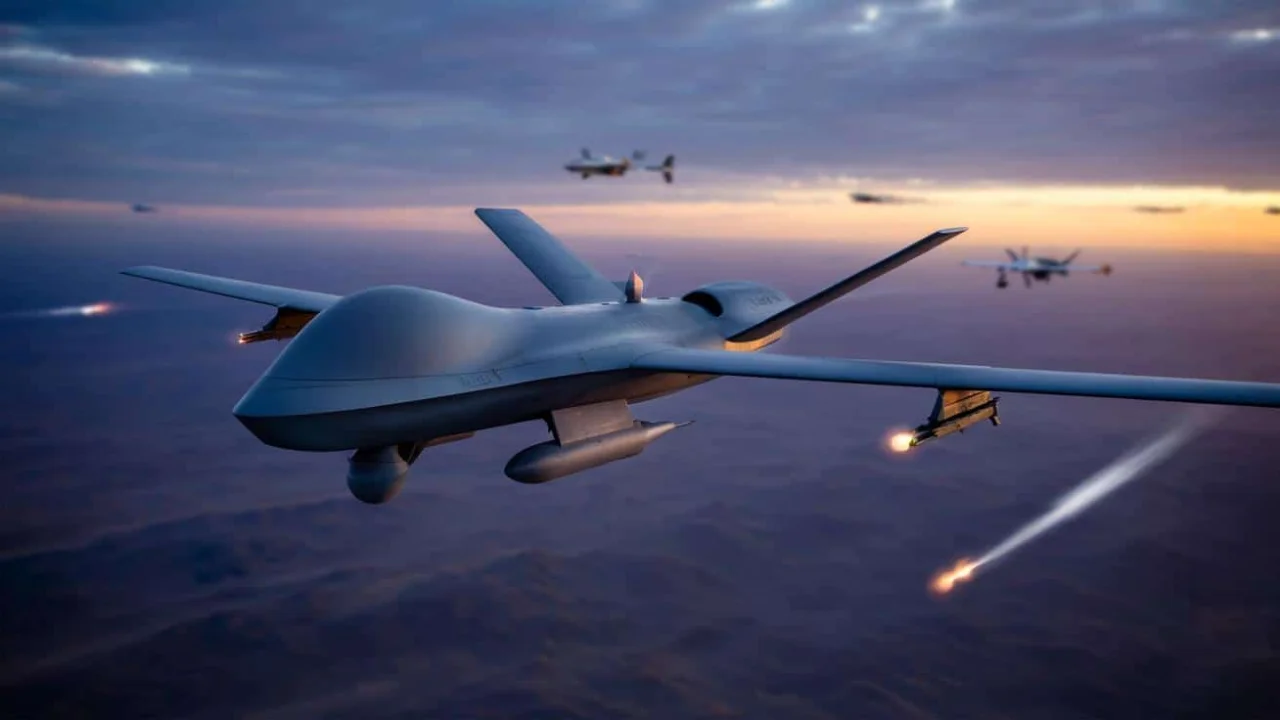
Picture this: You’re scrolling through military news when you see footage of what looks like a sleek fighter jet cutting through desert skies. Except there’s no pilot in the cockpit. No human hands on the controls. Just a machine making split-second decisions at 400 miles per hour.
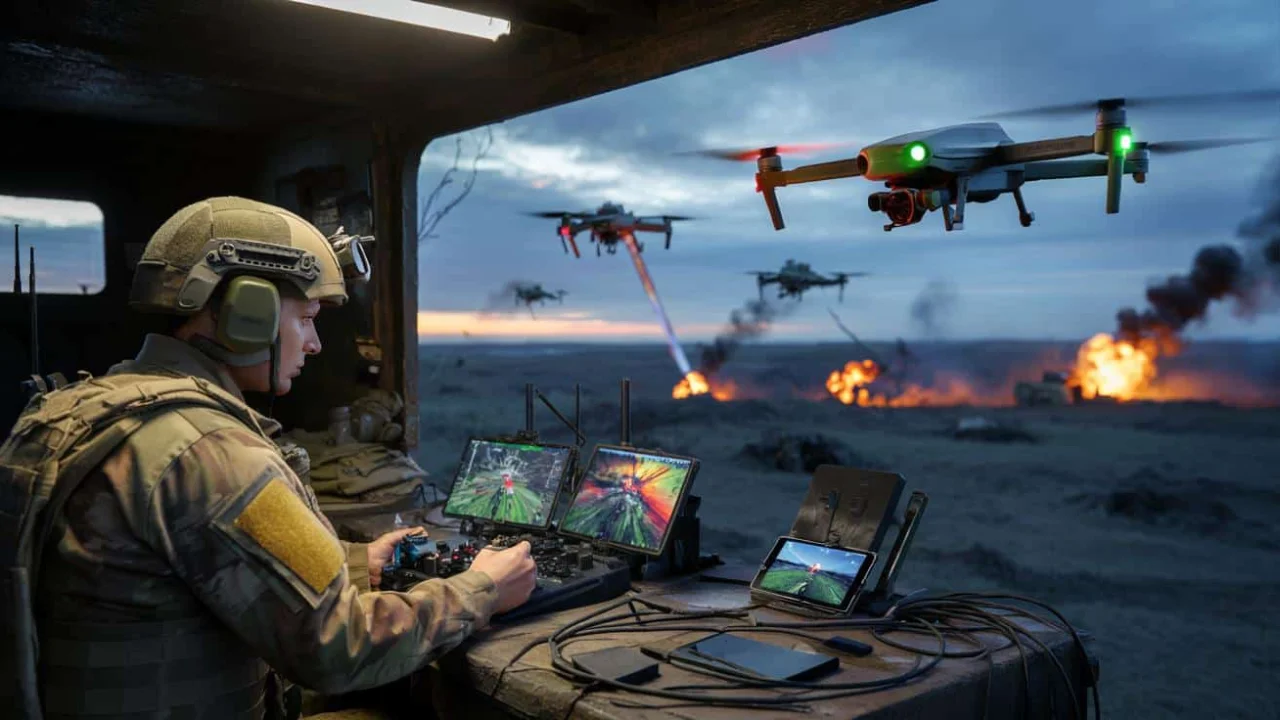
This isn’t science fiction anymore. The MQ-20 Avenger drone represents a quantum leap in unmanned warfare technology, and it’s already reshaping how military strategists think about future conflicts.
While most people know about the slower, propeller-driven drones that dominated headlines for years, the MQ-20 Avenger drone operates in a completely different league. This jet-powered predator combines stealth technology with autonomous decision-making in ways that would have seemed impossible just a decade ago.

Why the Military Needed Something Faster
The older MQ-9 Reaper drones served their purpose well in places like Afghanistan and Iraq. They could circle overhead for hours, providing surveillance and launching precision strikes against insurgents. But military planners knew these slow-moving aircraft had a fatal flaw.
“The Reaper was perfect for hunting terrorists in remote mountains, but it would never survive against a modern air defense system,” explains Dr. Michael Rodriguez, a defense technology analyst. “You need speed and stealth to operate in contested airspace.”
That’s exactly what drove General Atomics to develop the MQ-20 Avenger drone in the mid-2000s. The company realized that future conflicts wouldn’t always take place in permissive environments where drones could leisurely patrol without threat.
Against sophisticated enemies with radar-guided missiles and fighter jets, those older drones would become sitting ducks. The Avenger was designed to survive where its predecessors couldn’t.
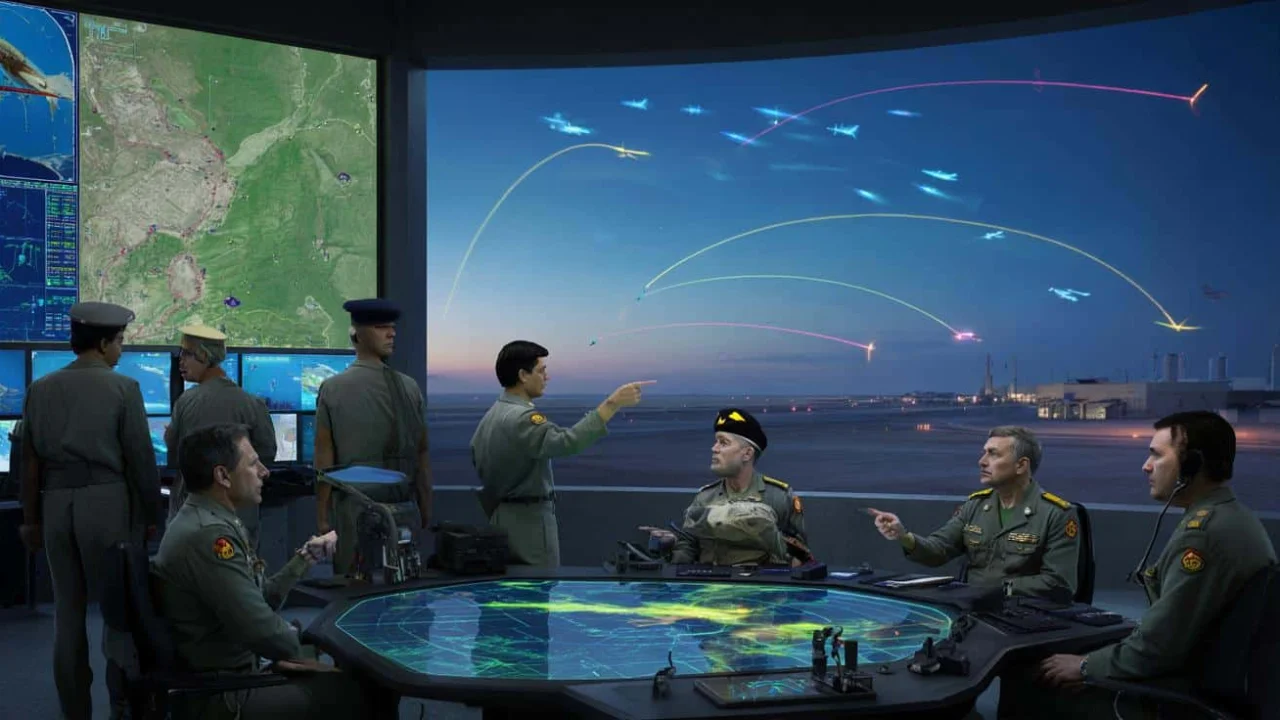
The transformation wasn’t just about adding a jet engine. Engineers had to rethink everything from the aircraft’s shape to its internal systems. The result looks more like a miniature stealth fighter than a traditional drone.
Technical Specs That Matter
The MQ-20 Avenger drone packs impressive capabilities into its angular, low-observable design. Here’s what sets it apart from earlier unmanned aircraft:
| Specification | MQ-20 Avenger | MQ-9 Reaper (Comparison) |
|---|---|---|
| Top Speed | 400+ mph | 230 mph |
| Service Ceiling | 50,000 feet | 25,000 feet |
| Endurance | 15+ hours | 14 hours |
| Payload Capacity | 6,500 pounds | 3,750 pounds |
| Engine Type | Turbofan jet | Turboprop |
The heart of the system is a Pratt & Whitney PW545B turbofan engine – the same type you’d find on business jets. This gives the Avenger the speed to outrun threats and the altitude capability to stay above most surface-to-air missiles.
But speed isn’t everything. The drone’s angular design and special coatings reduce its radar signature significantly. Key stealth features include:
- Internal weapon bays that keep missiles hidden from radar
- Angled surfaces that deflect radar waves away from the source
- Composite materials that absorb electromagnetic energy
- Carefully managed heat signatures to avoid infrared detection
“The Avenger can carry the same sensors and weapons as larger drones, but it does so while presenting a much smaller target,” notes retired Air Force Colonel Sarah Thompson. “That’s a game-changer for operations in hostile territory.”
The drone can simultaneously carry multiple sensor systems, including high-resolution cameras, infrared sensors, and synthetic aperture radar. This sensor fusion allows it to track targets in virtually any weather condition, day or night.
Real-World Impact on Modern Warfare
The MQ-20 Avenger drone isn’t just a technological curiosity – it’s already influencing how military forces plan and execute operations. Several key areas show the most dramatic changes:
First, intelligence gathering has become far more aggressive. Where older drones had to maintain safe distances from defended areas, the Avenger can penetrate deeper into enemy territory. This means better intelligence on high-value targets and more accurate battle damage assessments.
Second, the drone’s speed enables rapid response capabilities that weren’t possible before. “Time-sensitive targets that might have escaped while waiting for a slow drone to arrive can now be engaged within minutes,” explains defense contractor James Liu.
The autonomous capabilities raise different questions entirely. While human operators still make the final decisions on weapons employment, the MQ-20 can identify, track, and prioritize targets on its own. This reduces the workload on remote pilots and enables faster decision-making in complex scenarios.
International allies have taken notice. Several NATO countries have expressed interest in acquiring similar capabilities, while potential adversaries are reportedly accelerating their own unmanned combat aircraft programs.
The economic implications are substantial too. Each Avenger costs significantly more than traditional drones, but offers capabilities that previously required manned aircraft. For military budgets stretched thin by rising personnel costs, unmanned systems offer an attractive alternative.
“We’re seeing a fundamental shift in how air power gets projected,” observes defense economist Dr. Amanda Foster. “Unmanned systems like the Avenger let smaller air forces punch above their weight class.”
Training requirements have evolved as well. Operating an MQ-20 requires different skills than flying traditional drones. Pilots must understand jet aircraft performance, stealth tactics, and complex sensor management – all while sitting in a ground control station thousands of miles away.
The psychological impact shouldn’t be underestimated either. Knowing that a nearly invisible, autonomous hunter might be overhead changes how both military and civilian populations behave in conflict zones.
FAQs
How fast can the MQ-20 Avenger drone fly?
The Avenger can reach speeds exceeding 400 mph, making it nearly twice as fast as the older MQ-9 Reaper drone.
Is the MQ-20 Avenger completely autonomous?
No, human operators still make critical decisions, especially regarding weapons deployment. However, the drone can identify and track targets independently.
How much does an MQ-20 Avenger cost?
While exact pricing varies by configuration, each aircraft costs significantly more than traditional drones due to its advanced stealth and jet propulsion systems.
Can the Avenger operate in bad weather?
Yes, its multiple sensor systems and jet propulsion allow operations in weather conditions that would ground propeller-driven drones.
How long can the MQ-20 stay airborne?
The Avenger can remain aloft for over 15 hours, similar to older drones despite its much higher performance capabilities.
What weapons can the MQ-20 Avenger carry?
The drone can carry up to 6,500 pounds of weapons internally, including Hellfire missiles, small diameter bombs, and various sensor packages.
About the Author