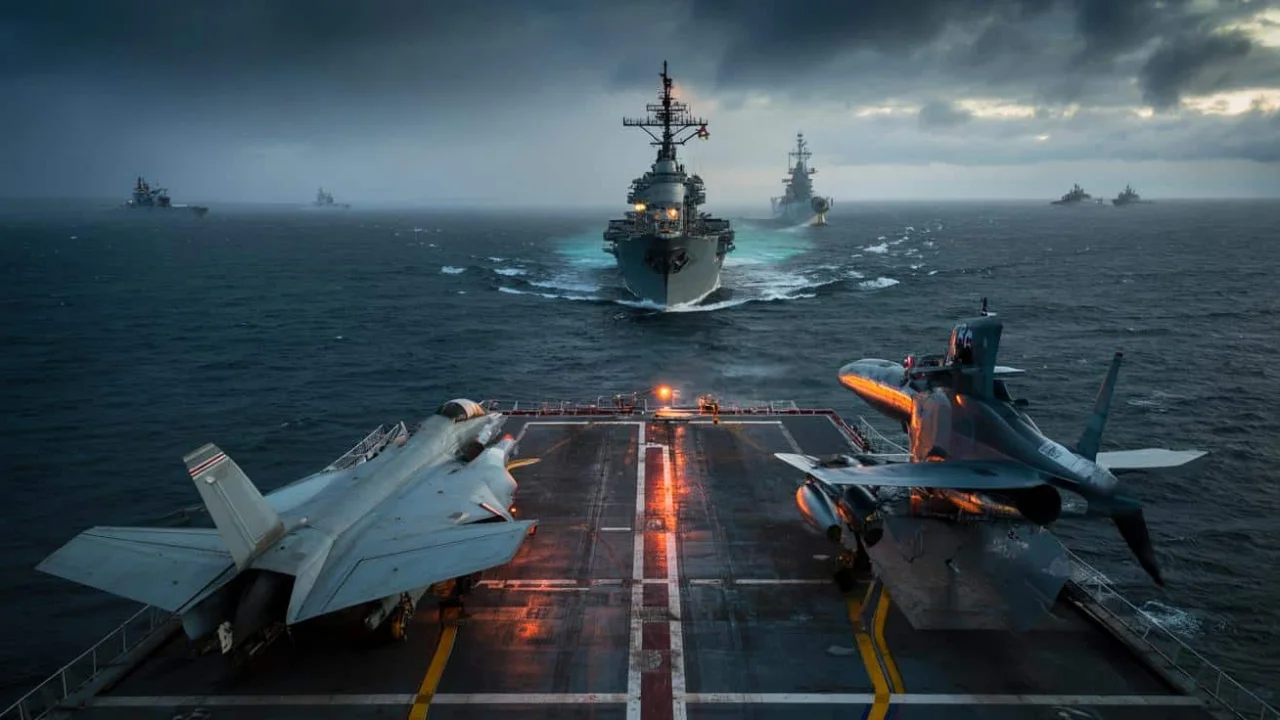
Captain Marie Dubois was scanning the horizon from her frigate’s bridge when the radar operator’s voice cut through the Atlantic wind. “Contact bearing two-seven-zero, Captain. Signature matches a Russian Yasen-class submarine.” It was Tuesday morning, just off the Brittany coast. For Dubois, this wasn’t unusual – it was becoming routine.
She’d been tracking Russian vessels every week for the past two years. What started as occasional encounters had become a chess game played across European waters, where every move mattered and miscalculation could spark something far worse than diplomatic protests.
This is the reality facing France’s naval forces today. Russian warships cruise past French shores weekly, while submarines prowl beneath the waves. The peaceful waters that tourists admire from coastal cafés have become a front line in a maritime standoff that most people never see.
When Naval Chiefs Speak Bluntly About Sea Power
Admiral Nicolas Vaujour, head of the French Navy, isn’t mincing words about what’s happening beneath the surface. His assessment of French navy sea power reveals a maritime arms race that’s reshaping global security while most of us scroll through our phones, unaware.
“On average, a Russian warship sails past our coasts in the Channel once a week. We are eyeball to eyeball with the Russians in the Baltic and the North Atlantic,” Vaujour recently warned in a rare public interview.
The admiral’s frankness reflects a growing reality: France’s naval forces are operating in what military experts call the most dangerous maritime environment since the Cold War. Russian submarines, largely untouched by the Ukraine conflict, continue modernizing while surface fleets probe NATO boundaries.
But Russia isn’t France’s only concern. China’s expanding naval presence in the Indo-Pacific has pushed Paris to reconsider how it projects power across oceans. The result? A multi-billion euro bet on a new nuclear aircraft carrier that will define French navy sea power for decades.
The Maritime Chess Game Playing Out in Your Backyard
Understanding today’s naval tensions requires looking at the board from multiple angles. Here’s what’s really happening in European waters:
- Weekly Russian patrols along French coastlines, testing response times and gathering intelligence
- Submarine activity has increased 300% in the North Atlantic compared to pre-2022 levels
- Arctic routes becoming militarized as ice melts open new shipping lanes
- Critical undersea cables carrying internet traffic becoming potential targets
- Commercial shipping facing disruption from military activities in key straits
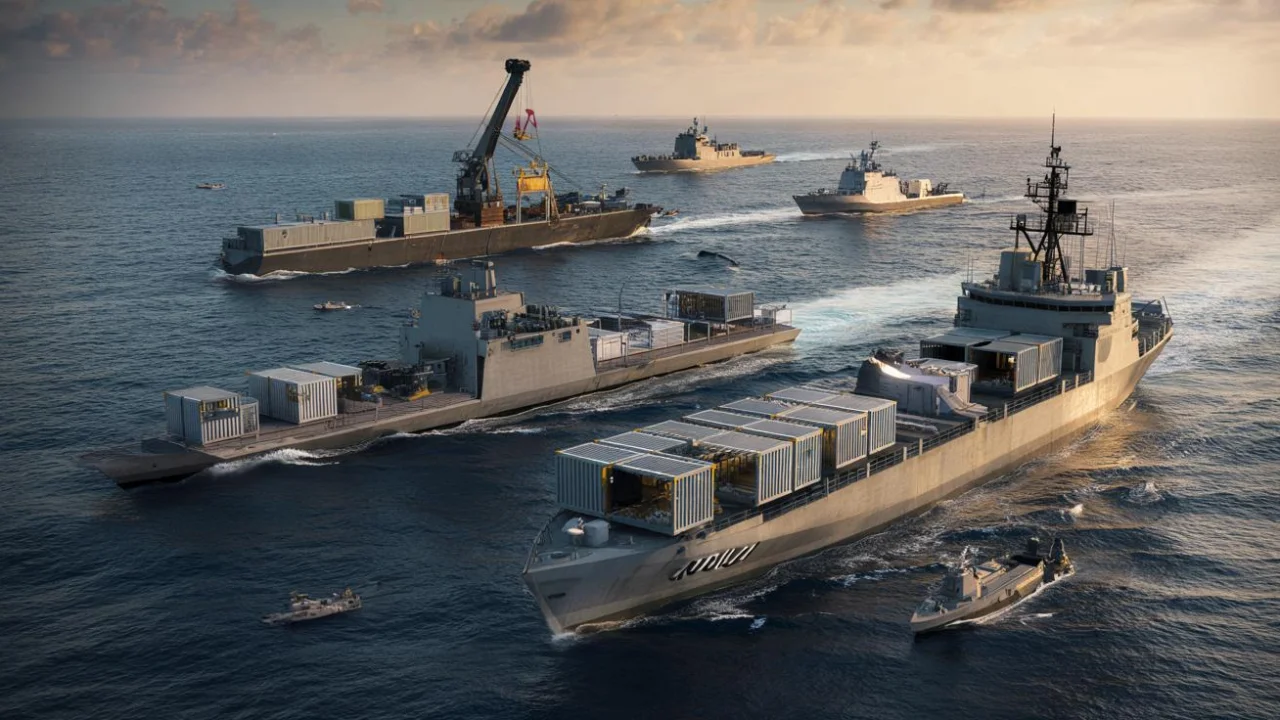
The numbers tell a stark story about how quickly maritime security has deteriorated:
| Region | Russian Naval Activity (2019) | Russian Naval Activity (2024) | Change |
|---|---|---|---|
| English Channel | 12 transits/year | 52 transits/year | +333% |
| North Sea | 8 submarine detections | 34 submarine detections | +325% |
| Baltic Sea | 15 naval exercises | 45 naval exercises | +200% |
“What we’re seeing is systematic probing of our defenses,” explains a senior French naval intelligence officer who requested anonymity. “They want to know how we respond, how quickly, and with what assets.”
The geopolitical chessboard has shifted dramatically. Finland and Sweden joining NATO turned the Baltic into what French officers now call a “NATO lake.” Ukraine’s successful strikes against Russian Black Sea assets forced Moscow’s fleet eastward. Syria’s collapse closed off Russia’s Mediterranean stronghold at Tartus.
These changes haven’t weakened Russian resolve – they’ve concentrated it. With fewer options, Moscow is pushing harder in remaining areas of influence.
What This Maritime Arms Race Means for Your Daily Life
You might wonder why submarine movements and naval exercises matter to someone checking email or planning weekend trips. The answer lies in how deeply our modern lives depend on maritime security.
Consider your last online purchase. That transaction likely traveled through undersea cables that carry 99% of international internet traffic. These cables, thinner than garden hoses, are increasingly vulnerable to interference or sabotage. When Russia or China maps these routes, they’re essentially reconnoitering the digital backbone of global commerce.
Your morning coffee probably traveled through shipping lanes now patrolled by warships. The Red Sea disruptions that briefly spiked consumer prices? That was just a preview of what happens when maritime trade routes become militarized.
“Every family budget feels the impact when shipping costs double overnight,” notes maritime economist Dr. Sarah Chen. “What happens in these naval standoffs doesn’t stay at sea.”
Energy security depends equally on maritime protection. France imports 60% of its energy resources by sea. LNG tankers from Qatar, oil from West Africa, and renewable energy components from Asia all traverse waters where French navy sea power must guarantee safe passage.
The human cost extends beyond economics. French fishing fleets report being buzzed by military aircraft and having their nets damaged by submarine activities. Tourism-dependent coastal communities worry about visible military buildups affecting visitor numbers.
Climate change adds another layer of complexity. As Arctic ice retreats, new shipping routes open – and new territorial disputes emerge. France, through its overseas territories, has claims in both the Arctic and Antarctic regions that require naval protection.
“We’re not just defending French waters,” Admiral Vaujour emphasizes. “We’re defending the principle that oceans remain open highways for legitimate commerce and communication.”
The admiral’s solution involves massive investment in next-generation naval capabilities. France is committing billions to a new nuclear aircraft carrier, advanced submarines, and AI-powered maritime surveillance systems. This isn’t just military spending – it’s insurance for an economy that depends on free ocean access.
But technology alone won’t solve maritime security challenges. France is strengthening naval partnerships with allies, sharing intelligence more freely, and coordinating patrols across vast ocean areas. The goal is creating overlapping zones of protection that make aggressive actions too risky to attempt.
FAQs
How often do Russian ships really pass French coasts?
Admiral Vaujour states that Russian warships transit the English Channel approximately once per week, representing a dramatic increase from pre-2022 levels.
Why is France building a new aircraft carrier?
The new nuclear carrier will replace the aging Charles de Gaulle and project French navy sea power globally, particularly as tensions rise in both European and Indo-Pacific waters.
Are civilian ships at risk from these naval tensions?
While direct attacks on civilian vessels remain rare, increased military activity raises collision risks and can disrupt shipping schedules, affecting global supply chains.
How does this affect internet connectivity?
Undersea cables carrying 99% of international internet traffic are increasingly vulnerable to interference, making maritime security crucial for digital communications.
What’s happening in the Baltic Sea specifically?
With Finland and Sweden joining NATO, the Baltic has become heavily militarized, complicating Russian access from Saint Petersburg and increasing surveillance activities.
Could these tensions lead to actual conflict?
Military experts worry that frequent close encounters increase the risk of miscalculation, though both sides currently seem focused on intelligence gathering rather than direct confrontation.
About the Author