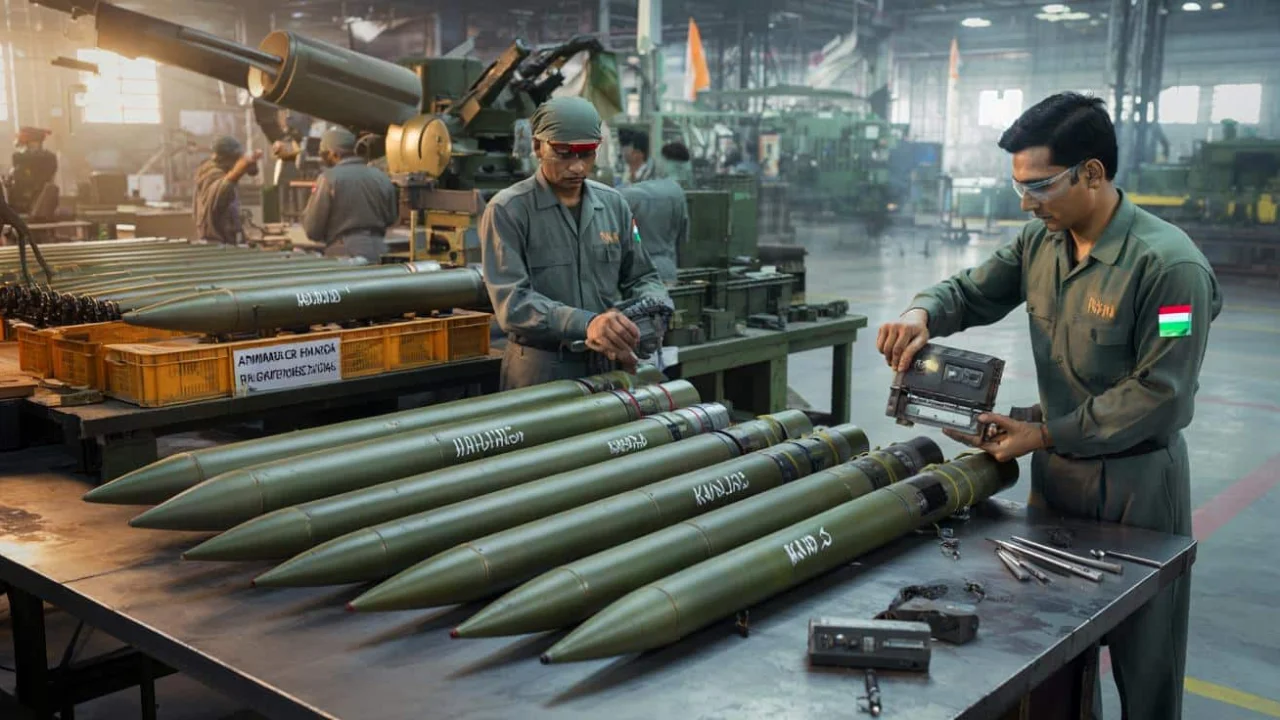
Colonel Rajesh Kumar still remembers the frustration from his days commanding an artillery regiment along India’s disputed borders. “We’d fire dozens of rounds just to hit one target,” he recalls, shaking his head. “The enemy would scatter after the first few shells landed wide. We were burning through ammunition faster than we could resupply.”
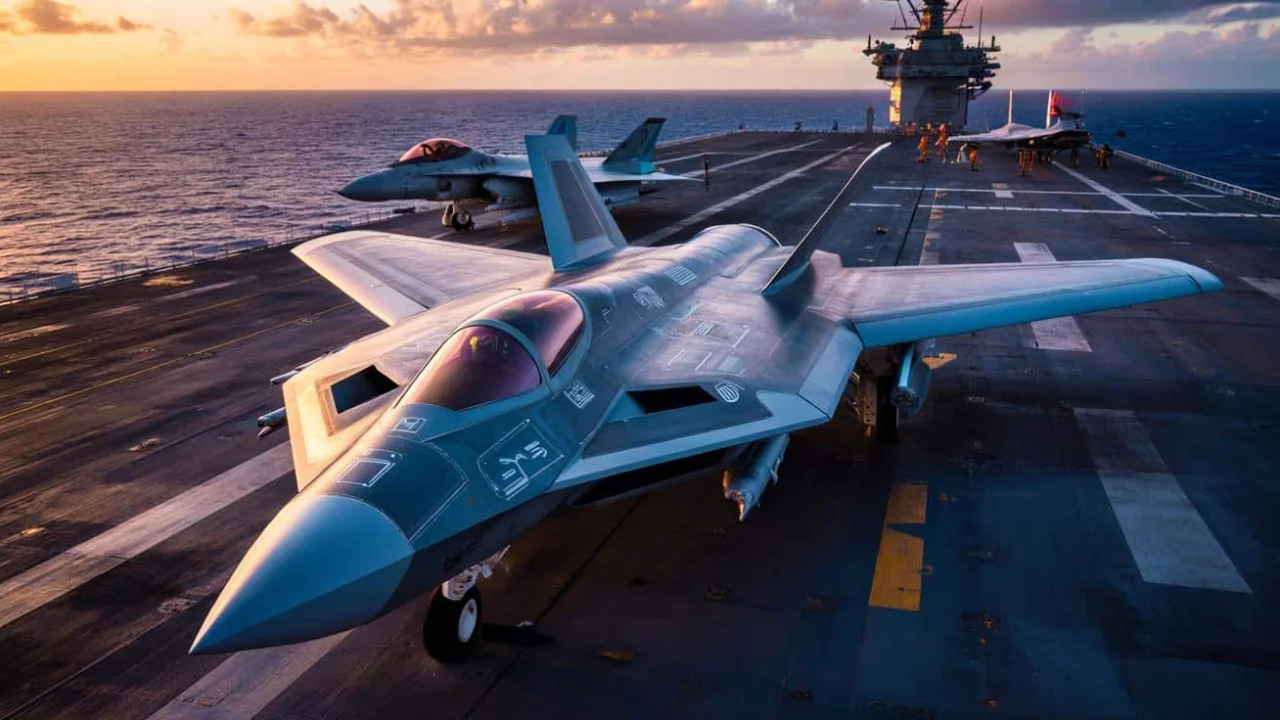
That memory feels like ancient history now. India just signed a game-changing deal that could transform how its artillery units fight—and it’s all about precision over volume. The country will soon manufacture the KATANA precision artillery round locally, marking a dramatic shift from quantity-based firepower to surgical strikes.
This isn’t just another defense contract. It represents India’s bold bet on becoming a major player in the global precision weapons market while solving real battlefield challenges that have plagued military commanders for decades.
Why This Artillery Deal Changes Everything
Indian company SMPP Ammunition has struck a licensing agreement with European defense giant KNDS to manufacture the complete KATANA precision artillery round family on Indian soil. The announcement came during the Milipol security exhibition in Paris on November 20th, sending ripples through the international defense community.
“This marks the first time KATANA rounds will be produced outside Europe,” explains defense analyst Dr. Priya Sharma. “India isn’t just buying technology—they’re acquiring the capability to become a regional hub for precision artillery manufacturing.”
The KATANA precision artillery round represents a new generation of 155mm guided ammunition that can strike targets with unprecedented accuracy at extended ranges. Unlike traditional artillery shells that rely on area bombardment, these rounds use advanced guidance systems to hit specific targets with minimal collateral damage.
SMPP is constructing a dedicated manufacturing facility in Madhya Pradesh, which will become the first non-European site authorized to produce all three KATANA variants. The facility represents a significant investment in India’s growing defense manufacturing capabilities.

Breaking Down the KATANA Family
The KATANA precision artillery round comes in three distinct variants, each designed for specific battlefield scenarios:
| Variant | Key Feature | Primary Use |
|---|---|---|
| Ballistic Range (BR) | Baseline guided capability | Standard precision strikes |
| Extended Range (ER) | Maximum distance capability | Long-range target engagement |
| High Precision (HP) | Ultra-tight accuracy | Critical infrastructure targets |
The production timeline follows a phased approach. Initially, SMPP will assemble KATANA rounds using imported subsystems and components from KNDS’s European facilities. Over time, the company plans to gradually replace these imported parts with locally manufactured alternatives.

“We’re not just screwing together foreign parts,” emphasizes SMPP’s production director. “This is about building genuine manufacturing capability that can eventually supply other nations in the region.”
Key technical specifications include:
- Standard 155mm caliber compatible with existing artillery systems
- GPS/INS guidance system for all-weather operation
- Range capabilities extending beyond traditional unguided rounds
- Modular design allowing rapid production scaling
- Integration capability with Indian Army’s existing howitzer fleet
The manufacturing process will incorporate both European precision engineering standards and Indian cost optimization strategies. This hybrid approach aims to deliver world-class performance while maintaining competitive pricing for export markets.
Real Impact on India’s Military and Economy
For the Indian Army, the KATANA precision artillery round addresses several critical operational needs. Border conflicts often require precise engagement of enemy positions without escalating into full-scale warfare. Traditional area bombardment can trigger unwanted escalation, while precision strikes allow for measured responses.
“One accurate round can replace twenty conventional shells,” notes retired Brigadier Anil Chopra. “That’s not just about saving ammunition—it’s about reducing logistics burden, minimizing civilian casualties, and maintaining tactical surprise.”
The economic implications extend far beyond military applications. India’s defense manufacturing sector has struggled to move beyond assembly operations toward genuine technological capability. This partnership represents a significant step toward indigenous precision weapons production.
The timing couldn’t be better. Global demand for precision artillery is surging as conflicts in Ukraine and elsewhere demonstrate the battlefield superiority of accurate, long-range fires. Traditional artillery suppliers are struggling to meet demand, creating opportunities for new manufacturers.
Regional markets represent particularly attractive opportunities. Countries across Southeast Asia and Africa are modernizing their artillery capabilities but lack access to cutting-edge precision rounds due to cost or political restrictions.
Employment impacts will be substantial. The Madhya Pradesh facility is expected to create thousands of direct jobs, from skilled technicians to engineers specializing in guidance systems. Secondary employment in supporting industries could multiply these numbers significantly.
“We’re not just building shells,” explains the facility’s planned general manager. “We’re creating an entire ecosystem of precision manufacturing capabilities that can support other advanced weapon systems.”
The technology transfer aspects deserve special attention. KNDS isn’t just licensing production—they’re sharing core technologies that could have applications beyond artillery. Guidance systems, precision manufacturing techniques, and quality control processes all have civilian applications in aerospace and automotive sectors.
For India’s broader “Make in India” initiative, this partnership demonstrates how strategic defense partnerships can accelerate technological advancement while creating export opportunities. The success of KATANA production could pave the way for similar arrangements with other European defense companies.
FAQs
What makes KATANA rounds more accurate than traditional artillery?
KATANA rounds use GPS and inertial navigation systems to guide themselves to specific coordinates, while traditional shells follow ballistic trajectories that can be affected by wind, weather, and manufacturing tolerances.
When will India start producing KATANA rounds?
Production is expected to begin with assembly operations in 2025, with full local manufacturing capability developing over the following years as Indian suppliers are qualified for component production.
Can existing Indian artillery guns fire KATANA rounds?
Yes, KATANA rounds are designed to be compatible with standard 155mm howitzers already in service with the Indian Army, including the K9 Vajra and other modern artillery systems.
How much do precision artillery rounds cost compared to regular shells?
Precision rounds typically cost 10-20 times more than conventional shells, but they’re much more effective per round, often requiring fewer shots to achieve the same tactical objective.
Will India export KATANA rounds to other countries?
The licensing agreement includes export rights to specific regional markets, making India a potential supplier of precision artillery rounds to friendly nations in South and Southeast Asia.
What other precision weapons might India manufacture next?
Success with KATANA could open doors to producing other guided munitions, including precision rockets, smart bombs, and advanced missile systems through similar technology transfer agreements.
About the Author