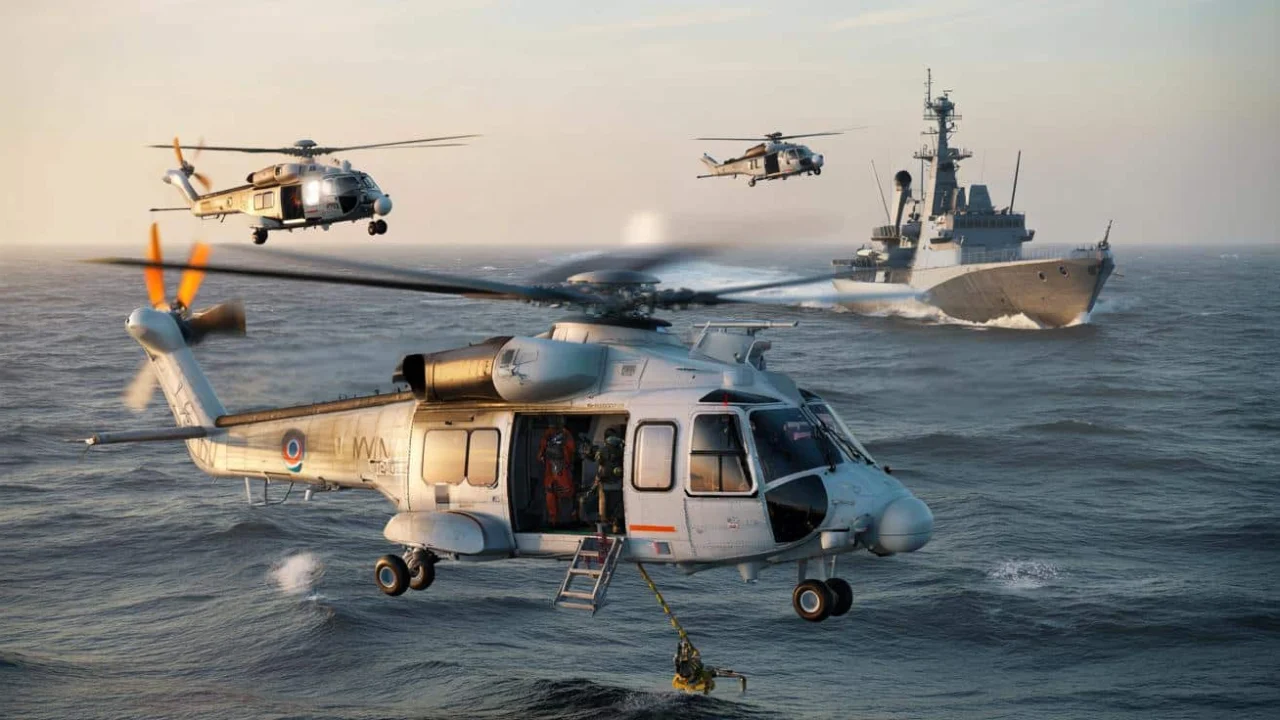
Captain Sarah van der Berg still remembers the silence that fell over the bridge when they spotted the unknown submarine contact on sonar. Her frigate was patrolling the North Sea, but without a helicopter embarked, they could only watch helplessly as the mysterious vessel slipped away into deeper waters. “We had eyes but no wings,” she recalls, describing a scenario that’s become all too familiar for Dutch naval officers in recent years.
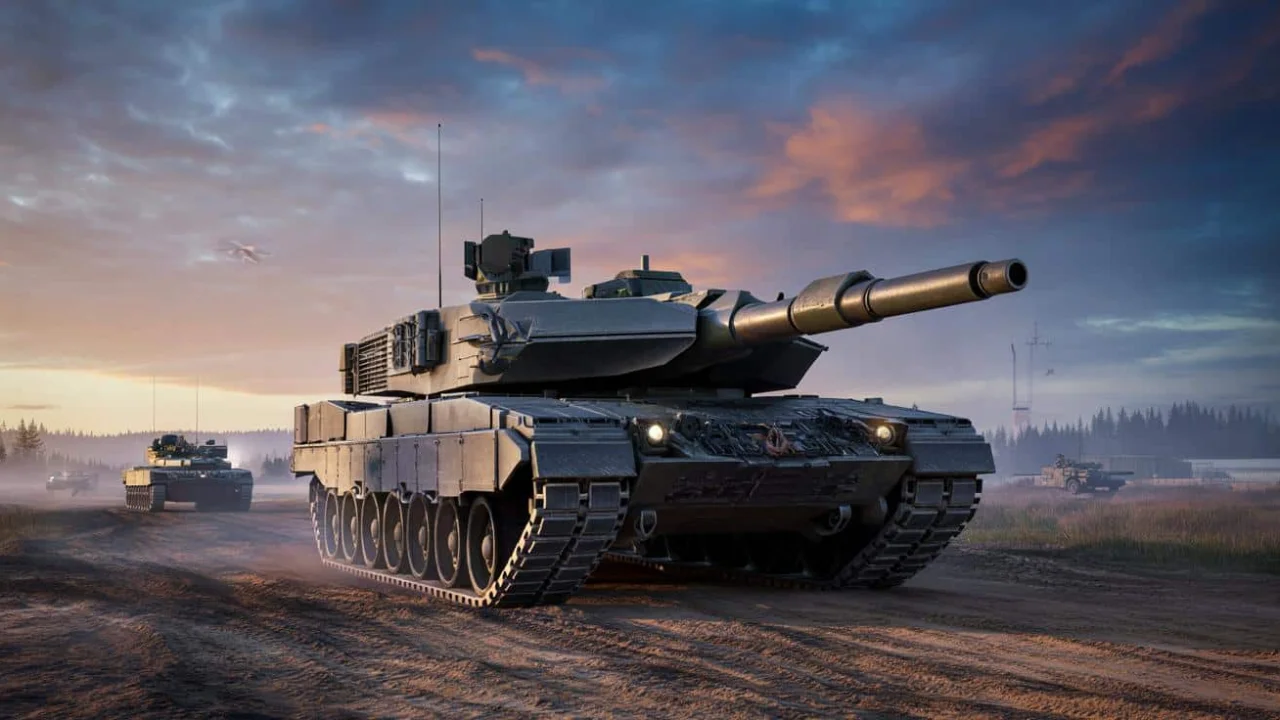
That frustrating reality is about to change. The Netherlands has just approved the purchase of three additional NH90 NFH helicopters, with options for two more, directly addressing a capability gap that has plagued the Royal Netherlands Navy for years.
These aren’t just any helicopters. The NH90 NFH helicopters are sophisticated naval aircraft specifically designed to hunt submarines, track surface threats, and extend a warship’s reach far beyond the horizon. For a maritime nation like the Netherlands, they represent the difference between being a spectator and an active player in Europe’s increasingly contested waters.
Why the Dutch Navy Desperately Needed More Eyes in the Sky
The numbers tell the story clearly. The Netherlands currently operates 19 NH90 NFH helicopters across a fleet that includes air-defense frigates, anti-submarine frigates, ocean patrol vessels, and the support ship HNLMS Karel Doorman. Do the math, and you’ll quickly realize there simply aren’t enough helicopters to go around.
“We’ve been playing musical chairs with our helicopter fleet for too long,” explains a former Dutch defense planner who requested anonymity. “Ships would deploy without their primary airborne asset, leaving them partially blind in an environment where threats can appear from anywhere.”

The situation has become more pressing as underwater activity in European waters has intensified. Russian submarines have been spotted more frequently in the North Sea and Baltic, while incidents involving damaged undersea cables have raised concerns about hybrid warfare tactics targeting critical infrastructure.
The new NH90 NFH helicopters are expected to enter service around 2030, a timeline that reflects both the complexity of naval aviation and the need to integrate these aircraft with future ship upgrades and sensor systems.
Breaking Down the NH90 NFH Capabilities
What makes these helicopters so valuable? The NH90 NFH variants are packed with specialized equipment that turns them into flying command centers for maritime operations.
| Capability | Function | Impact |
|---|---|---|
| Dipping Sonar | Detects submarines underwater | Extends detection range by 50+ miles |
| Anti-Ship Missiles | Engages surface threats | Provides over-the-horizon strike capability |
| Torpedoes | Anti-submarine warfare | Can prosecute underwater contacts |
| Advanced Radar | Surface search and tracking | Monitors vast ocean areas |
| Data Links | Real-time information sharing | Coordinates with ships and aircraft |
Key features that make NH90 NFH helicopters essential for modern naval operations include:

- Advanced sonar systems that can detect submarines at significant distances
- Anti-ship missiles for engaging surface threats beyond visual range
- Lightweight torpedoes for submarine prosecution
- Sophisticated radar systems for maritime surveillance
- Secure data links for real-time intelligence sharing
- All-weather capability for operations in harsh conditions
“These helicopters essentially give a frigate the ability to see and strike targets hundreds of miles away,” notes a maritime security analyst. “Without them, modern warships are operating with one hand tied behind their back.”
The Dutch decision also includes plans to upgrade their existing 19 NH90 NFH helicopters to a common standard, ensuring the entire fleet operates with the same capabilities and can be maintained more efficiently.
What This Means for European Maritime Security
The Netherlands’ helicopter expansion comes at a time when European nations are reassessing their maritime defense capabilities. The war in Ukraine has highlighted vulnerabilities in critical infrastructure, while increased Russian naval activity has made submarine detection a top priority.
For Dutch citizens, the investment represents something more tangible than military hardware. The Netherlands depends heavily on maritime trade routes, undersea cables, and offshore energy infrastructure. These NH90 NFH helicopters will help protect the economic lifelines that keep the country running.
“Every time we lose track of a submarine contact, we’re essentially flying blind about potential threats to our critical infrastructure,” explains a Dutch naval officer. “These additional helicopters give us the persistent surveillance capability we need.”
The timing also aligns with broader NATO efforts to strengthen maritime domain awareness in the North Atlantic and Baltic regions. Dutch NH90 NFH helicopters regularly participate in allied exercises and operations, contributing to collective security efforts.
The helicopters will also enhance the Netherlands’ ability to contribute to international missions. Dutch frigates frequently deploy to areas like the Mediterranean, Horn of Africa, and Caribbean, where helicopter capabilities are essential for everything from anti-piracy operations to humanitarian assistance.
Industry observers note that the Dutch order reflects growing confidence in the NH90 platform, which has overcome earlier technical challenges to become a reliable workhorse for European navies. Italy, Norway, and other NATO allies also operate naval variants of the NH90, creating opportunities for shared training and maintenance.
“The NH90 NFH has matured into exactly what European navies needed,” says a defense industry expert. “It’s sophisticated enough for high-end warfare but flexible enough for peacetime operations.”
The investment also supports European defense industrial cooperation. The NH90 is built by a consortium including companies from Italy, France, Germany, and the Netherlands, keeping jobs and expertise within allied nations rather than relying on foreign suppliers.
For the Royal Netherlands Navy, the additional helicopters represent more than just filling capability gaps. They provide the foundation for a more assertive maritime strategy in an increasingly contested operating environment, ensuring Dutch warships can deploy with the full spectrum of capabilities they were designed to carry.
FAQs
What is an NH90 NFH helicopter?
The NH90 NFH (NATO Frigate Helicopter) is a naval variant of the European-built NH90 helicopter, specifically designed for anti-submarine and anti-surface warfare operations from warships.
How many NH90 NFH helicopters will the Netherlands have in total?
The Netherlands currently operates 19 NH90 NFH helicopters and is purchasing three more, with options for two additional aircraft, bringing the potential total to 24 helicopters.
When will the new helicopters enter service?
According to Dutch defense planning documents, the new NH90 NFH helicopters are expected to enter service around 2030.
Why does the Netherlands need more naval helicopters?
The Dutch Navy has more ships than helicopters, creating capability gaps where vessels deploy without their primary airborne asset for submarine detection and surface surveillance.
What can these helicopters do that ships cannot?
NH90 NFH helicopters extend a ship’s detection range by over 50 miles, can hunt submarines with dipping sonar, and engage threats beyond the horizon with missiles and torpedoes.
How much will the new helicopters cost?
While specific costs weren’t disclosed, the purchase includes options for additional aircraft and upgrades to existing helicopters to ensure fleet standardization.
About the Author