Maria Santos remembers the exact moment she realized her hometown was becoming something different. Standing in line at her favorite coffee shop near Pearl Harbor last month, she watched a convoy of construction trucks rumble past the window. The barista, a Navy wife, leaned over and whispered, “That’s the fourth one this morning. They’re building something big over there.”
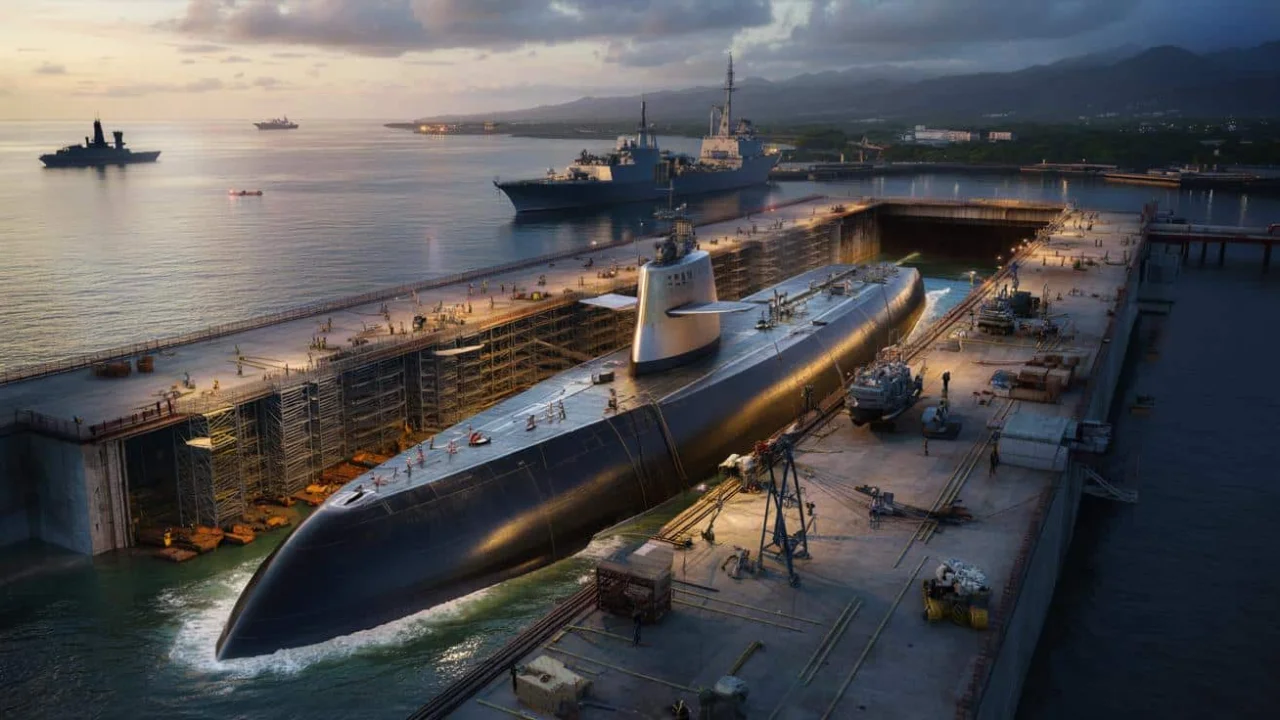
What Maria was witnessing wasn’t just another military project. Hidden behind the tourist brochures and sunset selfies, Pearl Harbor is undergoing its most dramatic transformation since World War II. The centerpiece? A massive $3.4 billion dry dock that signals America’s quiet preparation for a very different kind of conflict in the Pacific.
This isn’t the Pearl Harbor your grandfather knew. While families visit the memorials and tourists snap photos, cranes and concrete mixers are reshaping the naval base into what military planners call a cornerstone of 21st-century submarine warfare. The new Pearl Harbor dock represents more than construction—it’s a statement about where America sees its next major challenge coming from.
Why This Pearl Harbor Dock Changes Everything
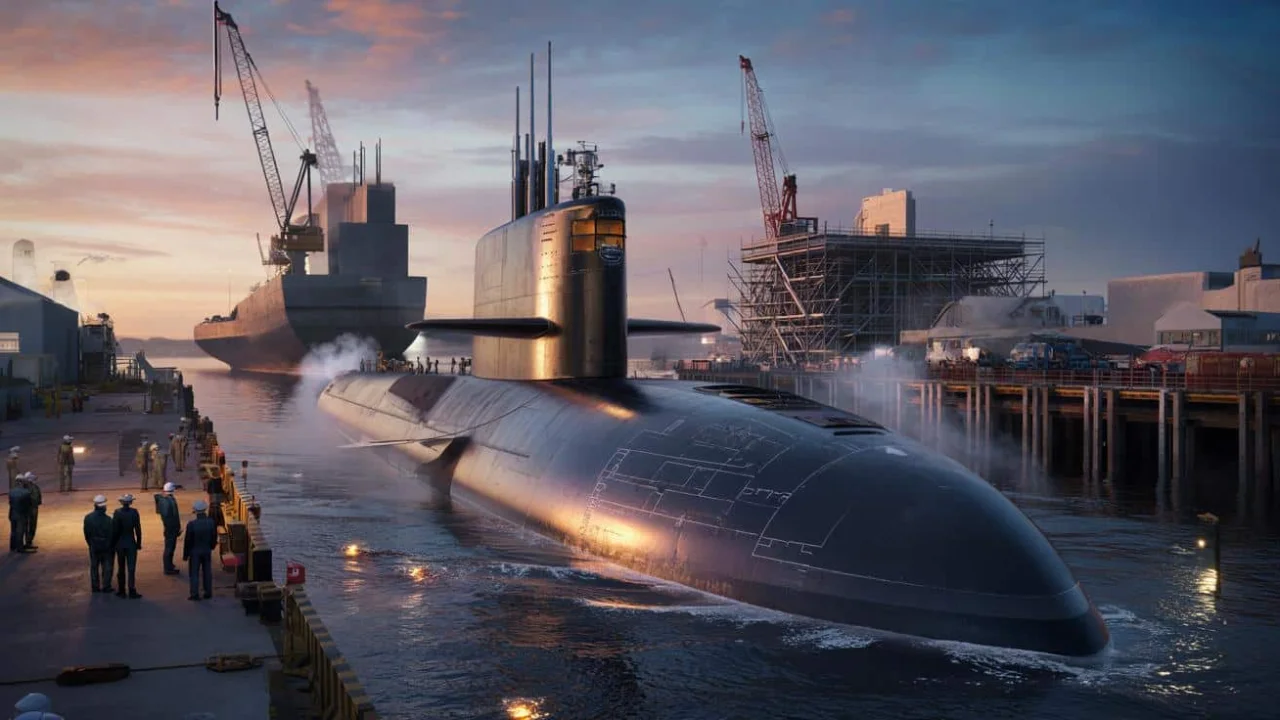
The new facility, officially designated Dry Dock 5, stretches nearly 700 feet and represents what Navy officials describe as a “once-in-a-century investment.” Unlike the aging World War II-era facilities still in use, this Pearl Harbor dock is purpose-built for America’s most advanced nuclear submarines.
“We’re not just fixing old boats anymore,” explains retired Navy Commander Tom Richardson, who oversaw submarine maintenance operations in the Pacific for eight years. “This facility is designed to keep our most sophisticated attack submarines mission-ready in a region where every day of downtime matters.”
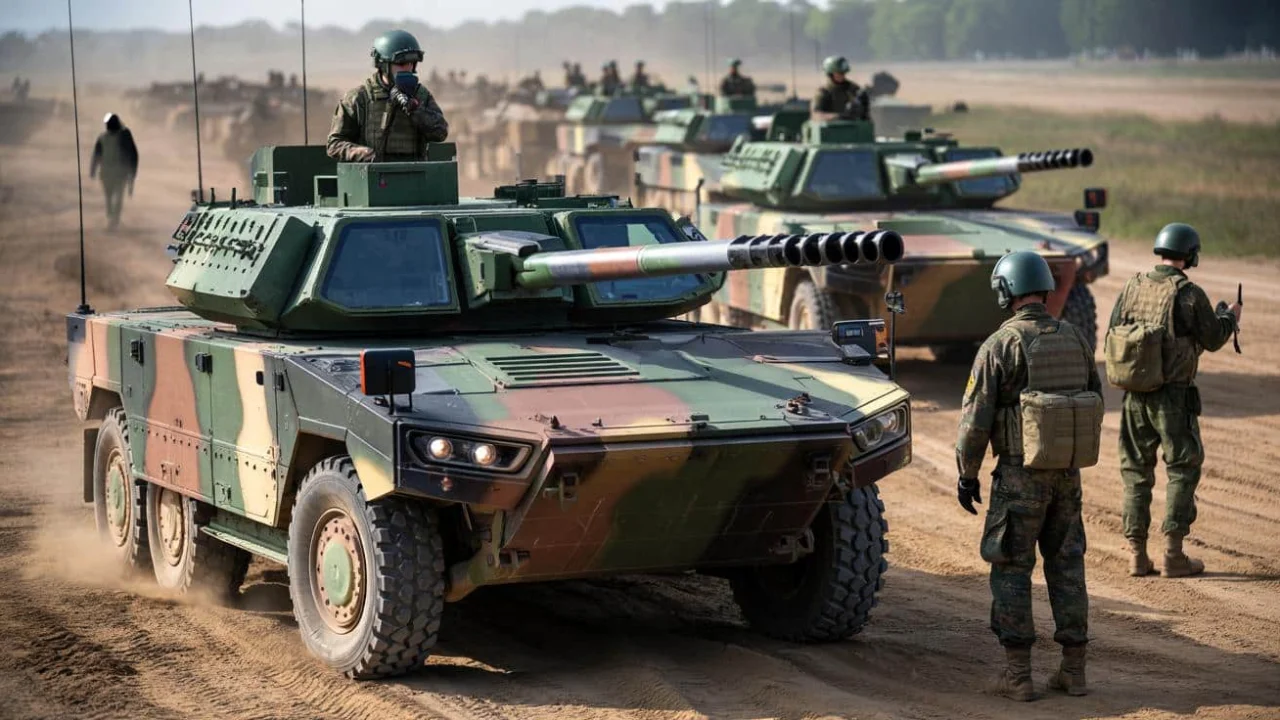
The timing isn’t coincidental. As China expands its naval presence across the South China Sea and beyond, the Pentagon has identified submarine warfare as a critical advantage that must be preserved. The new Pearl Harbor dock ensures that America’s underwater fleet can operate continuously in Pacific waters without lengthy trips back to the mainland for major repairs.
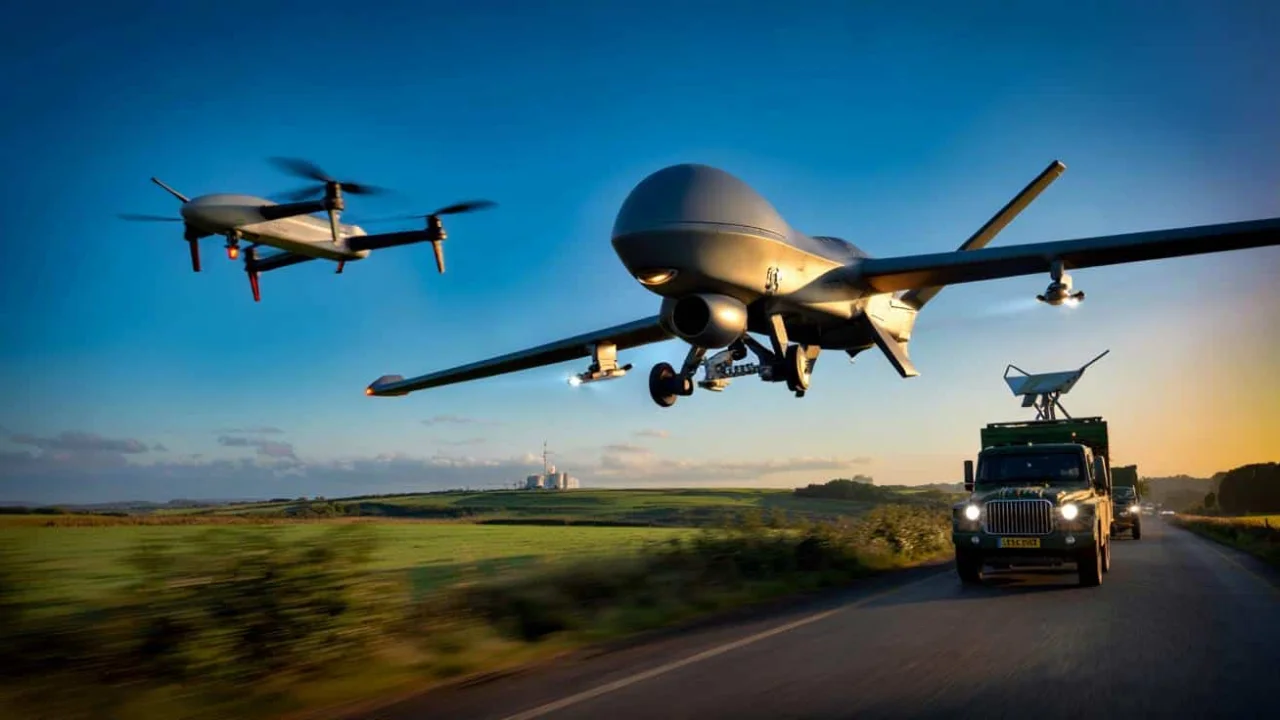
Built to last 150 years, Dry Dock 5 can simultaneously service multiple Virginia-class attack submarines—the Navy’s newest and most capable underwater vessels. These boats carry advanced sonar systems, precision missiles, and stealth technology that older facilities simply weren’t equipped to maintain.
The Numbers Behind America’s Pacific Strategy
The scale of this Pearl Harbor dock project reveals the Pentagon’s long-term thinking about Pacific operations. Here’s what $3.4 billion buys in submarine infrastructure:
- A 200-meter dry dock capable of handling the Navy’s largest attack submarines
- Advanced nuclear maintenance facilities with enhanced safety systems
- Simultaneous servicing capabilities for multiple vessels
- Deep-water access optimized for Virginia-class submarine operations
- Upgraded weapons and sensor maintenance bays
- Climate-controlled environments for sensitive electronic systems
| Facility Feature | Dry Dock 5 (New) | Dry Dock 3 (WWII-era) |
|---|---|---|
| Length | 200 meters | 145 meters |
| Nuclear capability | Full reactor servicing | Limited maintenance |
| Simultaneous vessels | 2-3 submarines | 1 submarine |
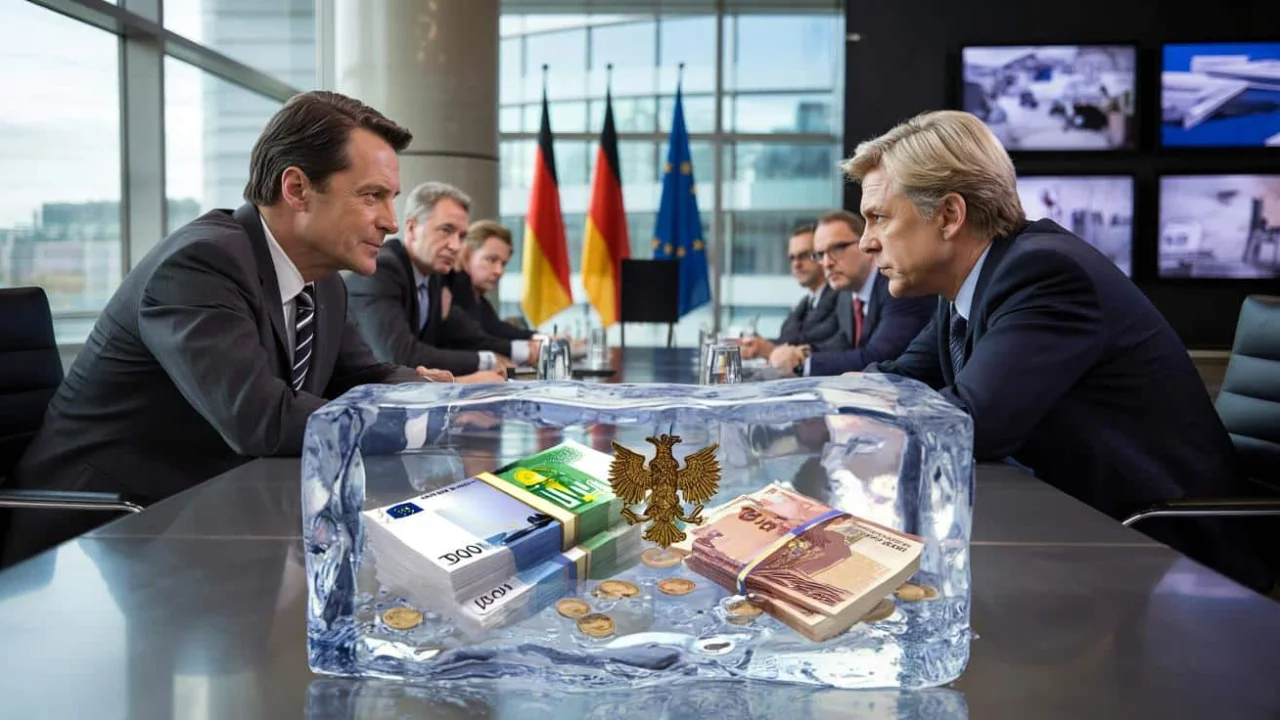
| Construction cost | $3.4 billion | $50 million (1940s) |
| Design lifespan | 150 years | 80+ years (ongoing) |
“The old dock was built when our biggest worry was Japanese destroyers,” notes Pacific security analyst Dr. Jennifer Walsh. “Today’s submarines are floating computers packed with systems that didn’t exist when Dry Dock 3 was designed. This new facility finally brings our infrastructure into the modern era.”
The investment extends beyond just the Pearl Harbor dock itself. Supporting facilities include advanced crane systems capable of lifting submarine components weighing hundreds of tons, specialized workshops for precision electronics, and secure storage areas for classified equipment and weapons systems.
What This Means for Everyday Americans
While most Americans will never see inside the new Pearl Harbor dock, its impact ripples far beyond military circles. The project has created thousands of construction jobs across Hawaii and the mainland, from specialized welders to nuclear safety technicians.
Local businesses around Pearl Harbor have noticed the change. Restaurant owner Jake Nakamura, whose family has run a diner near the base for three generations, says the construction boom has brought steady customers but also traffic headaches. “My grandfather served these waters during the war,” he explains. “Now we’re preparing for something completely different.”
The strategic implications reach every American household. Military experts argue that submarine superiority in the Pacific directly impacts global trade routes, energy supplies, and the balance of power that has maintained relative peace for decades.
“When people think about national security, they picture fighter jets or aircraft carriers,” explains former Pentagon official Sarah Martinez. “But in the Pacific, submarines are often the first responders to any crisis. This Pearl Harbor dock ensures they’re always ready.”
The facility also represents a jobs pipeline extending far into the future. Navy projections suggest the base will require hundreds of additional highly skilled technicians and engineers as submarine operations expand. Many of these positions offer six-figure salaries and specialized training that translates to civilian careers.
For Hawaii’s economy, the Pearl Harbor dock project provides stability beyond tourism. Military construction contracts support local suppliers, from concrete companies to specialized equipment manufacturers. The base’s expansion also attracts defense contractors who establish permanent operations on the islands.
Perhaps most significantly, the new facility sends a message to allies across the Pacific. Countries like Japan, Australia, and South Korea see America’s massive infrastructure investment as proof of long-term commitment to regional security. This reassurance helps maintain alliance networks that have kept major conflicts at bay for generations.
As construction crews work around the clock to complete the Pearl Harbor dock, they’re building more than a repair facility. They’re constructing a foundation for American naval power that military planners hope will never need to prove its worth in combat, but stands ready if that day comes.
FAQs
How long will the new Pearl Harbor dock take to complete?
Construction is expected to finish by late 2027, with full operational capability by 2028.
Will tourists still be able to visit Pearl Harbor during construction?
Yes, the memorial areas remain open to visitors, though some viewing areas may have restricted access during heavy construction periods.
How many submarines can the new dock service simultaneously?
Dry Dock 5 can accommodate 2-3 Virginia-class attack submarines at once, significantly increasing maintenance capacity.
Why is this dock specifically designed to counter China?
The facility enables continuous submarine operations in the Pacific without lengthy mainland trips, maintaining strategic presence in waters where China is expanding its naval activities.
What happens to the old World War II-era docks?
Older facilities like Dry Dock 3 will continue operating alongside the new facility, handling smaller vessels and routine maintenance tasks.
How does this affect Hawaii’s local economy?
The project has created thousands of construction jobs and will require hundreds of permanent technical positions, providing economic stability beyond tourism.
About the Author