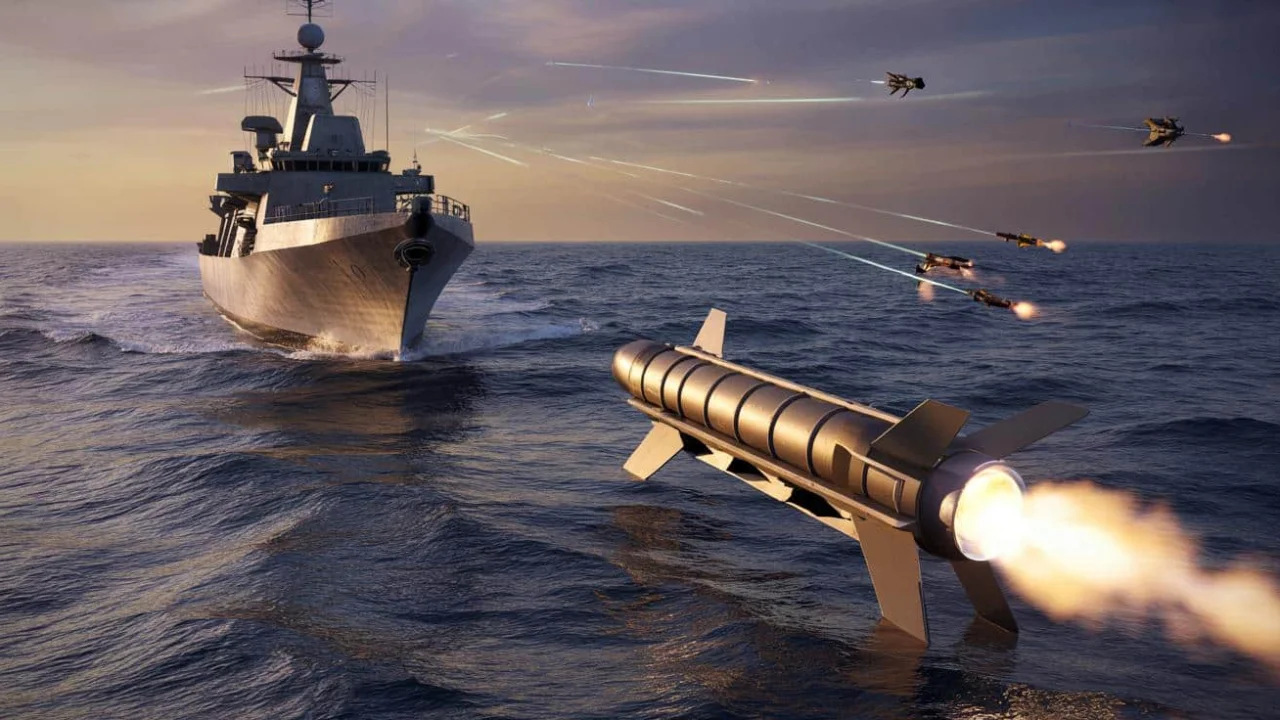
Picture this: You’re standing on the deck of a destroyer in the Persian Gulf when the alarm sounds. Somewhere beyond the horizon, a hostile missile has just launched and is now racing toward your ship at nearly three times the speed of sound. In less than two minutes, it will either hit its target or be stopped. There’s no time for complex calculations or second chances.
This is exactly the scenario that keeps naval commanders awake at night. Modern warfare has compressed reaction times to mere seconds, and in that narrow window between detection and impact, every millisecond matters.
The rolling airframe missile was born from this brutal reality. When enemy weapons can strike from 100 miles away and arrive in under two minutes, traditional defense systems often fall short. You need something fast, reliable, and deadly accurate.
Why the Rolling Airframe Missile Changes Everything
The rolling airframe missile, known throughout the Navy as RAM, represents a completely different approach to ship defense. Unlike the massive, long-range interceptors that try to stop threats far from the fleet, RAM is designed for those final, desperate seconds when an enemy missile is already closing in.
What makes RAM special isn’t just its speed or accuracy—it’s the independence. Once launched, this missile becomes a self-guided hunter that needs no further help from the ship’s crew. While sailors scramble to fire other weapons or deploy countermeasures, RAM is already streaking through the air, locked onto its target.

“The beauty of RAM is its fire-and-forget capability,” explains retired Navy Captain James Morrison, who spent 25 years in surface warfare. “In a real engagement, you don’t have time to guide every missile to its target. RAM gives you precious seconds to focus on other threats.”
The system sits quietly on the ship’s deck in a distinctive 21-cell launcher that looks like a oversized honeycomb. Each cell contains a missile ready to launch in less than a second. The entire system weighs about 12,000 pounds and can fit on everything from large destroyers down to smaller patrol vessels.
The Technical Marvel Behind RAM’s Success
The rolling airframe missile gets its name from a clever engineering solution. Instead of flying straight like most missiles, RAM spins its entire body during flight. This rolling motion serves multiple purposes and gives the weapon several key advantages:
- Reduces the missile’s radar signature, making it harder for enemies to track
- Averages out any manufacturing imperfections in the missile body
- Allows for simpler, more reliable guidance systems
- Increases overall accuracy through gyroscopic stabilization

The guidance system combines two different methods to find its target. Initially, RAM homes in on the radar signals that enemy missiles use for their own guidance. This is called “passive RF homing,” and it’s incredibly effective because the enemy missile essentially guides RAM right to itself.
| Specification | Details |
| Length | 9.2 feet |
| Diameter | 5 inches |
| Weight | 162 pounds |
| Range | Up to 6 miles |
| Speed | Mach 2+ |
| Warhead | 25-pound blast fragmentation |
If the enemy missile turns off its radar or doesn’t have one, RAM switches to infrared guidance. The missile’s nose contains a heat-seeking sensor that locks onto the hot exhaust or friction-heated surfaces of incoming threats. This dual-mode system makes RAM incredibly difficult to fool or evade.
“What impressed me most about RAM was its hit probability,” says former weapons officer Commander Sarah Chen. “In testing, we consistently saw kill rates above 95 percent against realistic targets. That’s phenomenal for any air defense system.”
Real-World Impact on Naval Warfare
The rolling airframe missile has already proven itself in combat situations around the world. U.S. Navy ships have used RAM to successfully intercept enemy missiles, drones, and aircraft in multiple theaters of operation.
The system’s compact size has allowed even smaller vessels to carry serious air defense capabilities. Coast Guard cutters, amphibious ships, and allied navy vessels that previously had limited protection can now defend themselves against sophisticated cruise missiles.
International partnerships have expanded RAM’s influence far beyond the U.S. Navy. Countries including Germany, South Korea, Turkey, and Egypt have integrated the system into their fleets. This standardization creates interoperability benefits when allied ships operate together.
“RAM has essentially democratized naval air defense,” notes defense analyst Dr. Michael Torres. “Ships that could never afford a comprehensive missile defense system can now carry a weapon that’s proven effective against the most advanced threats.”
The economic impact extends to American defense manufacturing as well. RAM production supports thousands of jobs across multiple states, with final assembly taking place in Arizona. The program has generated billions in export revenue as international sales continue growing.
Looking ahead, RAM technology continues evolving. The latest Block 2 variant includes improved sensors, extended range, and better performance against small, fast-moving targets like modern attack drones. Future versions may add networking capabilities that allow multiple RAM systems to share target information.
For naval crews sailing in contested waters, the rolling airframe missile represents something invaluable: confidence. Knowing that proven, reliable defense sits just overhead allows sailors to focus on their missions rather than constantly worrying about incoming threats.
FAQs
How fast can the rolling airframe missile respond to threats?
RAM can launch within seconds of threat detection and reaches supersonic speeds almost immediately, giving it response times measured in seconds rather than minutes.
What types of ships carry RAM systems?
Everything from large aircraft carriers and destroyers down to smaller patrol boats and Coast Guard cutters can mount RAM launchers, depending on their size and mission requirements.
Can RAM intercept multiple targets simultaneously?
Yes, each launcher can engage multiple threats at once since each missile guides itself independently after launch, allowing rapid sequential or simultaneous engagements.
How does RAM compare to other close-in defense systems?
Unlike gun-based systems like Phalanx that require very close range, RAM can intercept threats several miles away, providing more reaction time and multiple engagement opportunities.
What happens if an enemy missile doesn’t emit radar signals?
RAM automatically switches to infrared guidance, tracking the heat signature from the target’s exhaust or friction-heated surfaces during high-speed flight.
How much does a RAM system cost?
Individual missiles cost approximately $900,000 each, while complete launcher systems run several million dollars depending on configuration and support equipment included.
About the Author