Picture this: A fisherman off the coast of southern Japan looks up from his nets to see something he’s never witnessed before. A military jet hovers in the air like a helicopter, then suddenly shoots forward at incredible speed. What he’s seeing isn’t science fiction—it’s Japan’s newest weapon in an increasingly tense region.
That fisherman just watched history unfold. Japan has officially deployed its first F-35B fighter jets, marking a dramatic shift in how the island nation protects itself. These aren’t your grandfather’s warplanes that need massive runways to take off and land.
The F-35B fighter jets can lift straight up into the sky, land on small ships, and operate from tiny airstrips that would be impossible for traditional aircraft. For Japan, surrounded by water and facing growing threats from neighbors, this changes everything.
Japan Makes Military History with F-35B Fighter Jets
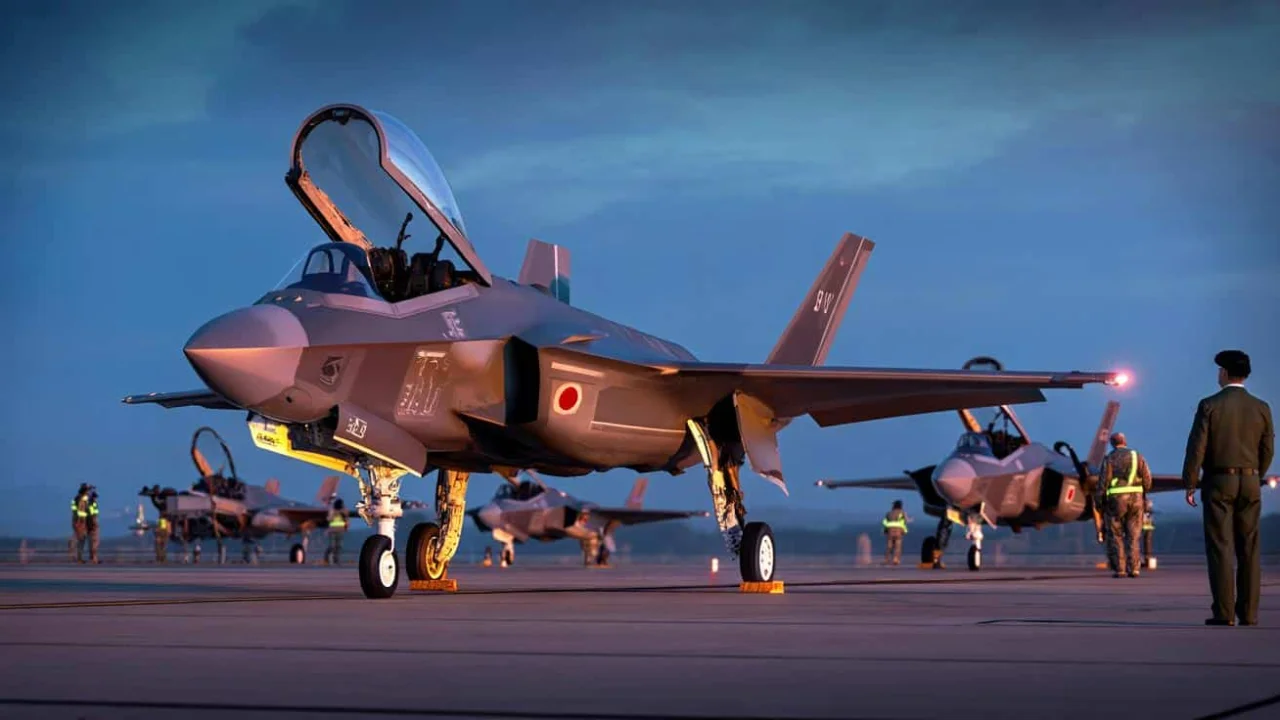
On February 7, 2026, the Japan Air Self-Defense Force declared its first F-35B squadron operational at Nyutabaru Air Base in Miyazaki Prefecture. This ceremony wasn’t just another military event—it represented Japan’s boldest military modernization move in decades.
“The F-35B deployment at Nyutabaru signals a shift from fixed-base airpower toward a more dispersed, harder-to-target posture across Japan’s southwest,” explained a defense analyst familiar with the program.
Until now, Japan’s air force depended entirely on long, vulnerable runways at major bases. Enemy missiles could easily destroy these runways, grounding the entire air force. The F-35B fighter jets solve this problem by operating from virtually anywhere.
Parliamentary Vice-Minister of Defense Yoshida attended the historic ceremony, inspecting the sleek aircraft lined up on the tarmac. His presence sent a clear political message during a time of mounting tensions across the Indo-Pacific region.
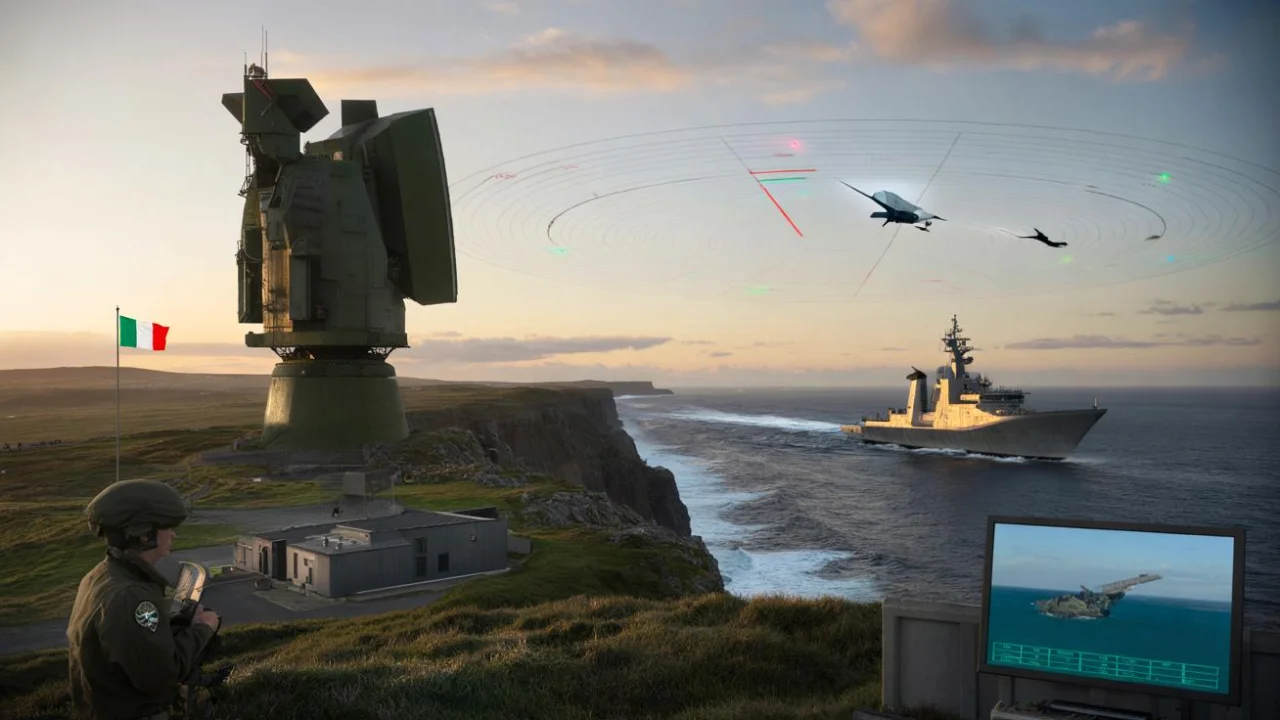
Key Details About Japan’s F-35B Fighter Jets Program
Japan’s journey to acquire these revolutionary aircraft began in December 2018 with a major defense policy revision. The program represents one of the most significant military acquisitions in recent Japanese history.
Here’s what makes the F-35B fighter jets so special for Japan:
- Short takeoff and vertical landing (STOVL) capability allows operations from small airstrips
- Can operate from Japan’s helicopter carriers, effectively turning them into aircraft carriers
- Advanced stealth technology makes them nearly invisible to enemy radar
- Sophisticated sensors provide unmatched battlefield awareness
- Can carry various weapons including air-to-air and air-to-ground missiles
| Specification | Details |
|---|---|
| Maximum Speed | 1,200 mph (Mach 1.6) |
| Combat Range | 450 nautical miles |
| Takeoff Distance | 600 feet (vs. 8,000+ for conventional fighters) |
| Crew | Single pilot |
| Unit Cost | Approximately $115 million |
“These jets can land on a tennis court if they had to,” said a former U.S. Marine pilot who flew F-35B fighter jets in combat. “That flexibility is a game-changer for island nations like Japan.”
The aircraft stationed at Nyutabaru represent just the beginning. Japan plans to acquire 42 F-35B fighter jets total, with deliveries continuing through 2028. The country also operates conventional F-35A variants from traditional runways.
Real-World Impact on Japan and Regional Security
The deployment of F-35B fighter jets fundamentally changes Japan’s military posture in several crucial ways. First, it allows the country to defend its remote southern islands more effectively. These islands, some closer to Taiwan than to mainland Japan, have become strategic flashpoints.
Local communities near Nyutabaru Air Base are experiencing both excitement and concern. Economic benefits include job creation and increased business for local suppliers, but residents also worry about becoming military targets.
“We understand the importance of national defense, but we also think about our children’s safety,” said a shop owner near the base who requested anonymity.
The F-35B fighter jets also enable Japan to support its helicopter carriers, the JS Izumo and JS Kaga, which are being modified to handle fixed-wing aircraft. This effectively gives Japan its first aircraft carriers since World War II, though officials carefully avoid using that term.
Regional neighbors are watching closely. China has criticized Japan’s military buildup, while allies like Australia and the United States have praised the enhanced defense capabilities.
“Japan’s F-35B program strengthens deterrence across the region,” noted a Pentagon official. “It makes any potential aggressor think twice about their calculations.”
The economic impact extends beyond Japan’s borders. Lockheed Martin, the F-35B’s manufacturer, benefits from continued international sales, while Japanese companies participate in the global supply chain for F-35 components.
For everyday Japanese citizens, the F-35B fighter jets represent both protection and provocation. Surveys show mixed public opinion, with older generations more skeptical of military expansion while younger people generally support stronger defense capabilities.
The timing of this deployment coincides with increased Chinese military activity around Taiwan and growing tensions over disputed territories in the East China Sea. Japan’s F-35B fighter jets can respond to these challenges much faster than conventional aircraft based hundreds of miles away.
Training programs for F-35B pilots require extensive international cooperation. Japanese pilots train alongside American counterparts, strengthening military ties between the two allies while building institutional knowledge for operating these complex aircraft.
FAQs
What makes F-35B fighter jets different from regular military planes?
F-35B fighter jets can take off vertically like helicopters and land on very short runways, unlike traditional jets that need long airstrips.
How many F-35B fighter jets will Japan have?
Japan plans to acquire 42 F-35B aircraft total, with deliveries continuing through 2028.
Can these jets really operate from ships?
Yes, Japan is modifying its helicopter carriers to handle F-35B operations, effectively creating aircraft carriers.
Why is China upset about Japan’s F-35B program?
China views Japan’s military modernization as a threat to regional stability and potentially supportive of Taiwan’s defense.
How much do F-35B fighter jets cost?
Each F-35B costs approximately $115 million, making this a multi-billion dollar defense investment for Japan.
Where else do F-35B fighter jets operate?
The United States, United Kingdom, and Italy currently operate F-35B aircraft, with Japan being the fourth nation to deploy them operationally.
About the Author