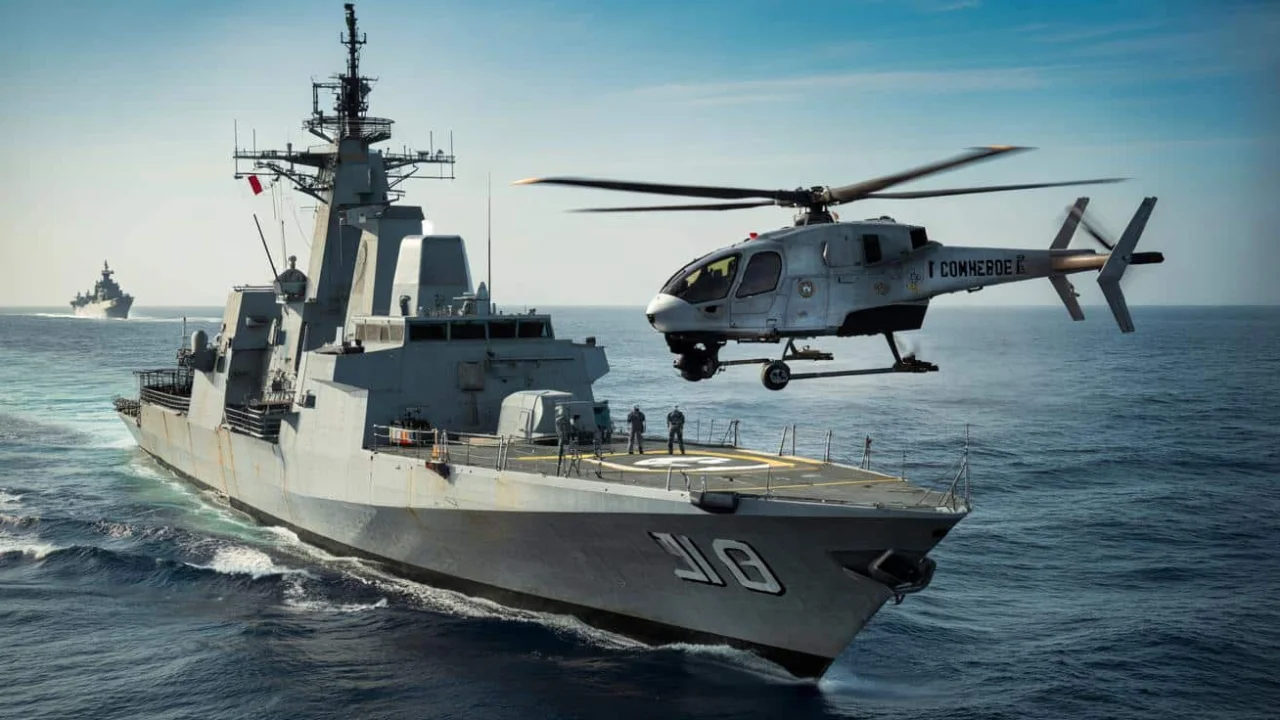
Captain Marie Dubois still remembers the first time she watched a drone launch from her frigate’s deck. The small aircraft rose silently into the Mediterranean dawn, its rotors cutting through the salt air as it disappeared beyond the horizon. Within minutes, her crew had eyes on a suspicious vessel 50 kilometers away—something that would have taken hours to investigate just a decade ago.
Now, every French naval officer will soon share that same technological edge. The French navy Schiebel S100 partnership represents more than just new equipment—it’s a fundamental shift in how France projects power at sea.
After years of development delays and cost overruns with their original drone program, French naval leaders made a practical decision. Instead of waiting for the perfect system, they chose proven technology that works today.
Why France Switched from Big Dreams to Smart Reality
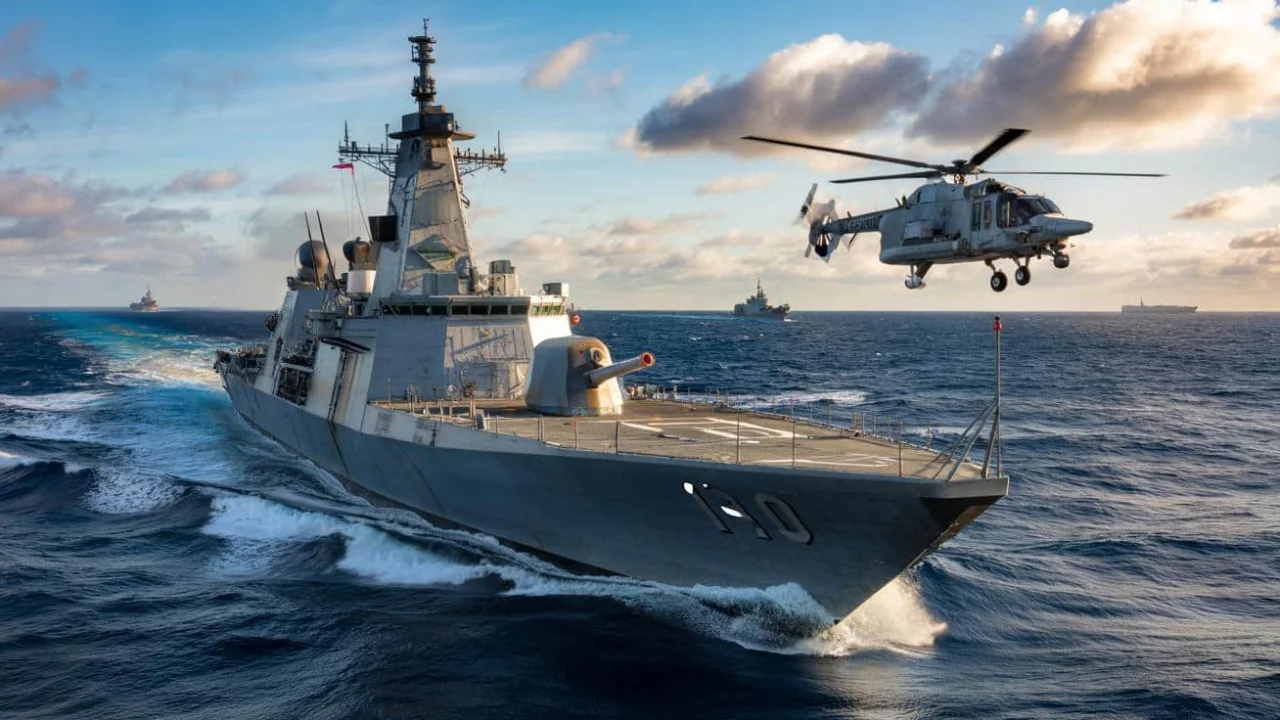
The Direction générale de l’armement (DGA) shocked defense watchers when they announced the French navy’s FREMM multi-mission frigates would not receive the VSR-700 drones originally planned. These helicopter-style unmanned aircraft, developed under the SDAM programme by Airbus Helicopters and Naval Group since 2017, represented France’s most ambitious naval drone project.
Instead, the French navy Schiebel S100 partnership offers something more valuable than cutting-edge technology: reliability. The Camcopter S-100F “Serval” has already proven itself in French naval service on other vessels.

“We needed systems that work now, not systems that might work perfectly in five years,” explains a senior naval procurement official familiar with the decision. “The S-100 gives us immediate operational capability.”
The DGA signed a contract with Naval Group for five complete S-100F systems. Each package includes the aircraft itself plus all the integration equipment needed to operate seamlessly with frigate systems.
This represents a major strategic pivot. The original VSR-700 program aimed to create a heavier, more sophisticated drone derived from the civilian Cabri G2 helicopter. But development proved more complex and expensive than anticipated.
What Makes the Schiebel S-100 Different
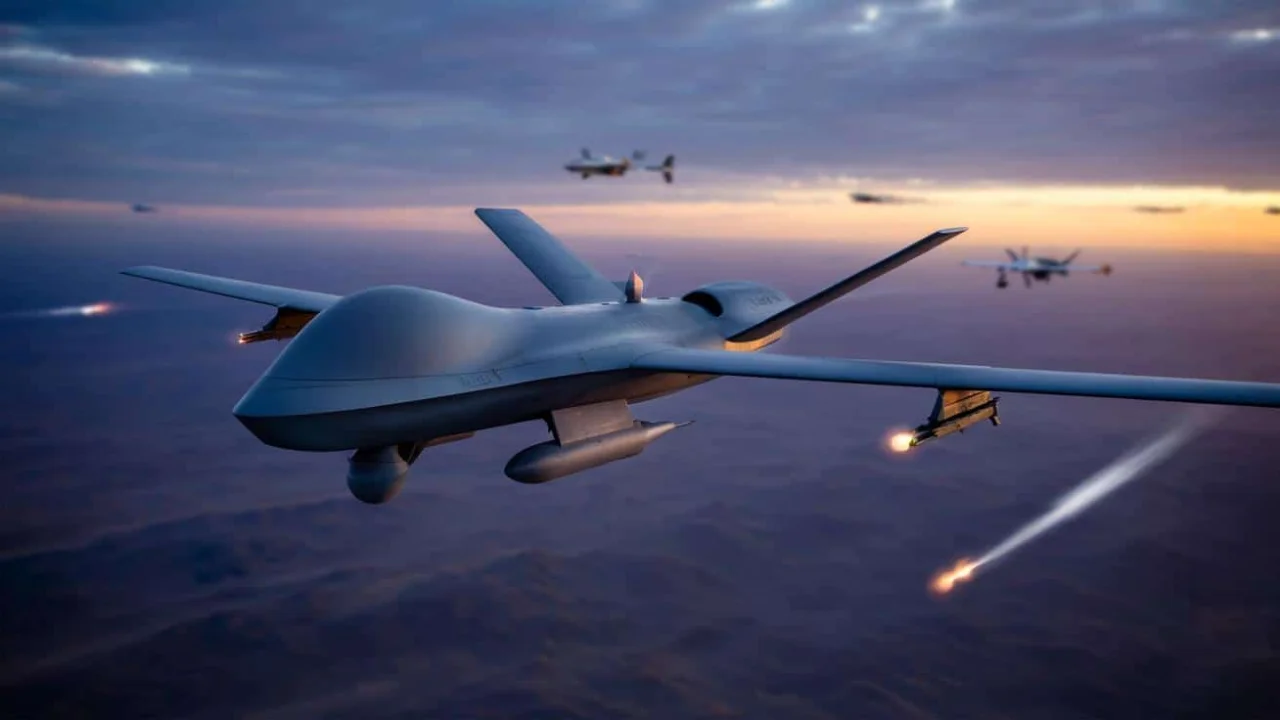
The Austrian-built Schiebel S-100 brings proven capabilities that French naval commanders can deploy immediately. Here’s what sets this system apart:
- Vertical takeoff and landing capability perfect for ship operations
- Six-hour endurance allowing extended reconnaissance missions
- 200-kilometer range extending frigate surveillance reach
- Multiple sensor packages for different mission types
- Proven track record with over 30 navies worldwide
- Weather-resistant design for harsh maritime conditions
| Specification | Schiebel S-100 | Original VSR-700 Plan |
|---|---|---|
| Maximum Weight | 200 kg | 700 kg |
| Endurance | 6+ hours | 8+ hours (planned) |
| Operational Range | 200 km | 170 km (planned) |
| Development Status | Operational | Still in development |
| Cost per System | Lower | Significantly higher |
“The beauty of the S-100 is its simplicity,” notes a former French naval aviator now working in defense consulting. “It does exactly what you need without the complexity that can break down at sea.”
The system’s modular sensor approach allows commanders to configure each mission specifically. Whether tracking submarines, monitoring shipping lanes, or supporting special operations, the same aircraft platform adapts to different requirements.
How This Changes Naval Operations
The French navy Schiebel S100 integration transforms how FREMM frigates operate in contested waters. These multi-mission frigates, already among Europe’s most capable warships, now gain persistent surveillance capabilities that extend their effectiveness far beyond visual range.
Consider a typical patrol mission in the Eastern Mediterranean. Previously, a frigate commander had to rely on helicopter flights for over-the-horizon surveillance—expensive, crew-intensive operations limited by weather and flight hours. The S-100 changes that calculation entirely.
“A drone can stay up for six hours at a fraction of the cost of helicopter operations,” explains a serving French naval officer. “That changes how we think about maritime domain awareness.”
The operational impact extends beyond simple surveillance:
- Anti-submarine warfare receives major boost through persistent sonobuoy deployment
- Search and rescue operations expand coverage area significantly
- Counter-piracy missions benefit from extended patrol capabilities
- Intelligence gathering becomes more discreet and cost-effective
French frigates operating in the Indo-Pacific region particularly benefit from this enhanced capability. The vast distances and limited friendly ports make autonomous surveillance systems essential for effective operations.
NATO allies are watching this deployment closely. Several European navies face similar decisions about drone integration, and France’s pragmatic approach may influence their choices.
“Sometimes the best solution isn’t the most advanced one—it’s the one that actually works when you need it,” observes a NATO naval analyst.
The system’s proven reliability record with other navies gives French commanders confidence in its operational readiness. Unlike developmental systems that require years of testing and refinement, the S-100 brings mature technology to French decks.
This decision also signals broader changes in French defense procurement philosophy. Rather than always pursuing the most technologically advanced solution, French planners increasingly favor systems that offer immediate operational advantages.
The financial implications are equally significant. By choosing an existing system over continued development of the VSR-700, France saves both development costs and operational delays. Those resources can now support other naval modernization priorities.
For French naval crews, the transition means learning new procedures and maintenance requirements. However, the S-100’s reputation for user-friendly operation should minimize training burdens compared to more complex systems.
FAQs
When will French frigates receive the Schiebel S-100 drones?
The first systems should begin integration within the next 18 months, with full deployment across the FREMM fleet expected by 2027.
What happened to the original VSR-700 drone program?
The VSR-700 development continues but will not equip FREMM frigates as originally planned. It may still serve other French naval platforms in the future.
How many S-100 drones will French frigates carry?
Each FREMM frigate will typically operate one S-100 system, though the ships can physically accommodate additional units if missions require it.
Can the S-100 operate in bad weather conditions?
Yes, the S-100 is designed for maritime operations and can function in sea states and weather conditions that would ground many other drone systems.
What other countries use the Schiebel S-100?
Over 30 navies worldwide operate S-100 variants, including Germany, Italy, and several Asian nations, providing extensive operational experience.
Will this affect France’s relationship with Airbus Helicopters?
The decision focuses specifically on FREMM frigate requirements and doesn’t impact other ongoing programs between France and Airbus Helicopters.
About the Author