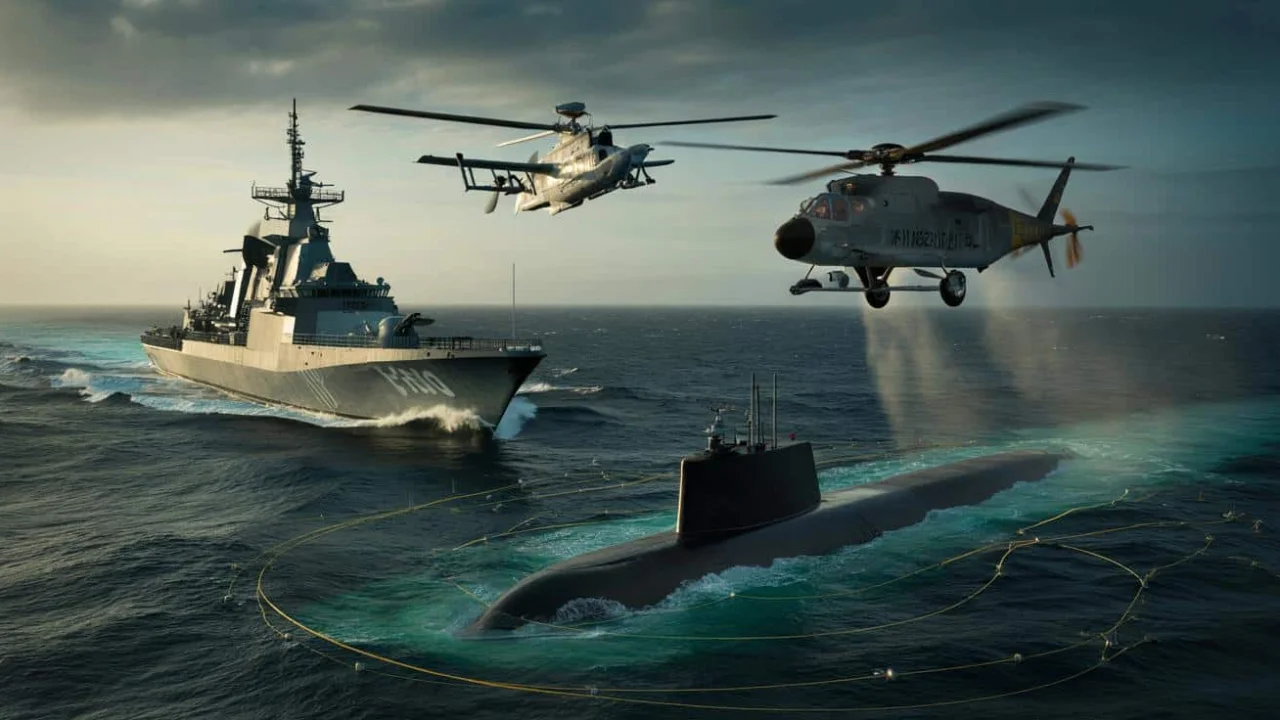
Captain Marie Dubois still remembers the moment her sonar operator’s voice cut through the bridge chatter: “Contact, bearing 045, depth unknown.” It was 3 AM in the frigid North Atlantic, and her French frigate had just detected something moving beneath the waves that wasn’t supposed to be there. What followed was a 72-hour game of underwater cat and mouse that perfectly illustrates how the French Navy is becoming Russia’s biggest headache beneath the seas.
Stories like this are becoming more common as French warships patrol the dark waters between Greenland and Norway. While the world watches tank battles in Ukraine, a quieter but equally strategic conflict plays out in the ocean depths, where French naval forces are making life increasingly difficult for Russian submarines.
Admiral Vaujour’s recent statements highlight a shift that naval experts have been tracking for months: the French Navy’s growing role as the primary hunter of Russian submarines in European waters. This isn’t just military posturing – it’s reshaping how Russia projects power across the globe.
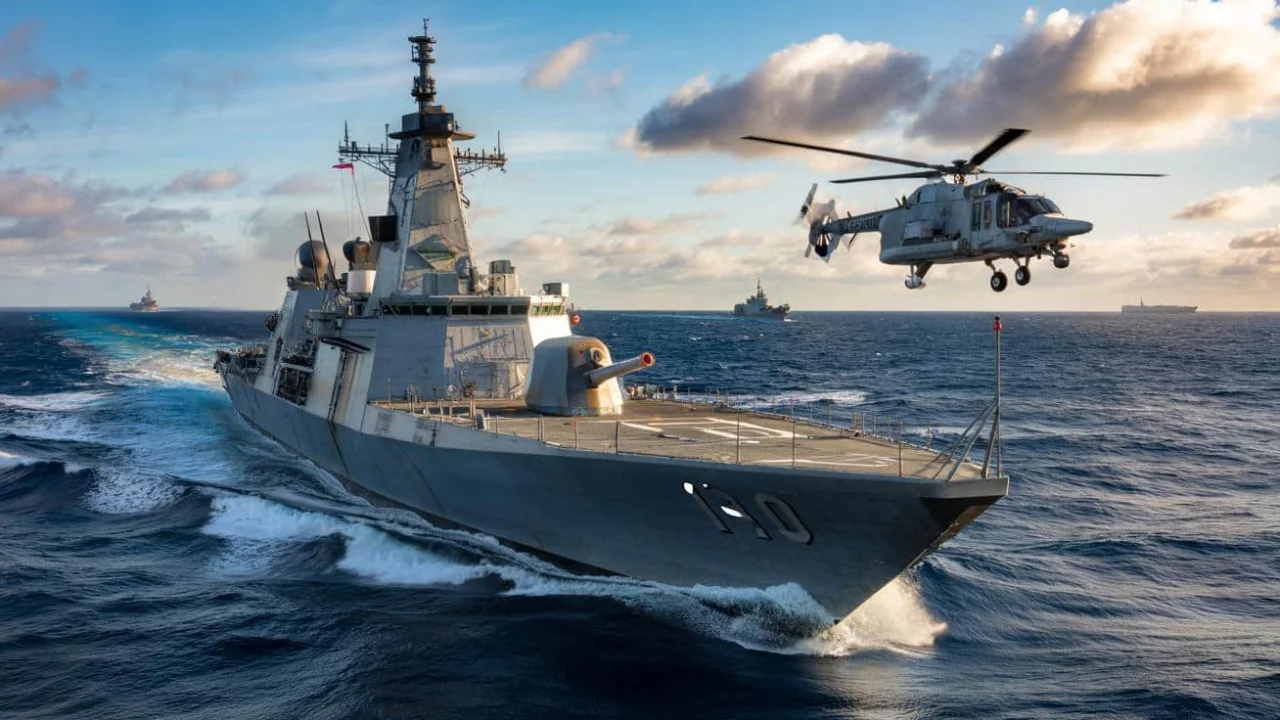
Why Russian Submarines Are Running Out of Safe Passage
The war in Ukraine changed everything, including the underwater battlefield. Russian submarines that once moved freely through European waters now face a maze of restrictions and surveillance that would make any submarine captain nervous.
Think of it like trying to sneak through a neighborhood where every house suddenly installed security cameras and motion detectors. The Turkish Straits are now closed to Russian warships, cutting off the Black Sea fleet from the Mediterranean. Sweden and Finland joining NATO turned the Baltic Sea into what one Western official called “an allied lake.”
“Russian submarine commanders now face a choice between staying home or running through waters where every NATO ally is listening,” explains maritime security analyst Dr. James Peterson. “The French Navy has positioned itself perfectly to take advantage of this situation.”
The geography tells the story. Russian submarines heading to the North Atlantic from their main bases now have limited options:
- The GIUK Gap (Greenland-Iceland-UK) – heavily monitored by NATO
- Norwegian Sea passages – patrolled by French and allied vessels
- Arctic routes – increasingly difficult due to melting ice and NATO presence
- Pacific routes – too far for effective Atlantic operations
French Naval Operations: The Numbers Behind the Hunt
The French Navy isn’t just talking tough – they’re backing up Admiral Vaujour’s claims with unprecedented operational tempo. French anti-submarine warfare capabilities have expanded dramatically, with new technologies and tactics specifically designed to counter Russian underwater threats.
| French Naval Asset | Primary Role | Coverage Area |
|---|---|---|
| FREMM Frigates | Anti-submarine warfare | North Atlantic |
| Atlantique 2 Aircraft | Maritime patrol | Bay of Biscay to Arctic |
| Barracuda Submarines | Hunter-killer operations | Deep Atlantic waters |
| Surveillance Networks | Underwater detection | European continental shelf |
French naval patrols have increased by 40% in the past year alone. Their Atlantique 2 maritime patrol aircraft now fly regular missions that can track submarine movements across thousands of square miles of ocean. These aren’t random patrols – they’re carefully coordinated operations designed to make Russian submarine movements predictable and visible.
“The French have turned submarine hunting into a science,” says former NATO submarine commander Captain Robert Walsh. “They’re not just detecting Russian subs – they’re forcing them into patterns that make future operations easier to counter.”
Key French naval capabilities now targeting Russian submarines include:
- Advanced sonar systems that can detect submarines at greater distances
- Coordinated patrol networks sharing real-time intelligence
- Underwater sensor arrays positioned along major transit routes
- Joint operations with allied navies for comprehensive coverage
What This Means for Global Security and Trade
The French Navy’s success against Russian submarines isn’t just a military achievement – it’s reshaping global maritime security in ways that affect everyone from cargo ship captains to energy companies.
Russian submarines traditionally served multiple purposes beyond warfare. They gathered intelligence on undersea internet cables, shadowed NATO naval exercises, and provided Moscow with the ability to project power far from Russian shores. When French naval operations restrict these activities, the ripple effects reach across continents.
Consider the undersea cables that carry 95% of international internet traffic. Russian submarines have been caught multiple times near these critical infrastructure points. French naval patrols now make such activities far more risky and difficult to execute without detection.
“Every time a French frigate forces a Russian submarine to surface or change course, they’re protecting infrastructure that millions of people depend on,” explains cybersecurity expert Dr. Lisa Chen. “Most people don’t realize how much their daily internet use depends on cables lying on the ocean floor.”
The economic implications extend beyond cybersecurity. Major shipping lanes that carry billions of dollars in trade goods are now more secure. Energy companies operating offshore wind farms and oil platforms face reduced risks from underwater espionage or sabotage.
French naval operations are also changing how Russia deploys its submarine fleet globally. With European waters becoming increasingly hostile, Russian submarines must take longer, more expensive routes to reach operational areas. This reduces their time on station and increases maintenance costs.
“Russia’s submarine force is being stretched thin,” notes defense analyst Michael Torres. “When you force them to take the long way around, you’re essentially reducing their operational capacity without firing a shot.”
The strategic implications reach beyond immediate military concerns. Countries that once worried about Russian submarine presence near their waters – from Norway to Portugal – now see French naval patrols as a security guarantee. This strengthens NATO solidarity and reduces the burden on smaller allied navies.
For ordinary citizens, these naval operations represent a invisible shield protecting the maritime infrastructure that modern life depends on. From the internet connection used to read this article to the cargo ships bringing goods to local stores, French naval success against Russian submarines helps maintain the global systems that connect us all.
FAQs
How does the French Navy detect Russian submarines?
French naval forces use advanced sonar systems, maritime patrol aircraft, underwater sensor networks, and coordinated intelligence sharing with NATO allies to track submarine movements.
Why are Russian submarines important to global security?
Russian submarines can threaten undersea internet cables, gather intelligence on military activities, and project Russian power far from their home bases, making their movements a key concern for NATO allies.
What makes French anti-submarine operations so effective?
France combines modern technology with strategic positioning, using frigates, patrol aircraft, and submarines to create overlapping coverage areas that make it difficult for Russian subs to move undetected.
How has the Ukraine war changed submarine operations?
The conflict has closed traditional Russian naval routes, forced Sweden and Finland into NATO, and increased allied surveillance, making submarine movements much more restricted and dangerous for Russia.
What areas do French naval patrols cover?
French anti-submarine operations focus on the North Atlantic, particularly the waters between Greenland, Iceland, and the UK, as well as approaches to European ports and shipping lanes.
Could this lead to direct confrontation between French and Russian forces?
While encounters occur regularly, both sides generally follow international maritime law and avoid escalation, treating these operations as professional military activities rather than acts of war.
About the Author