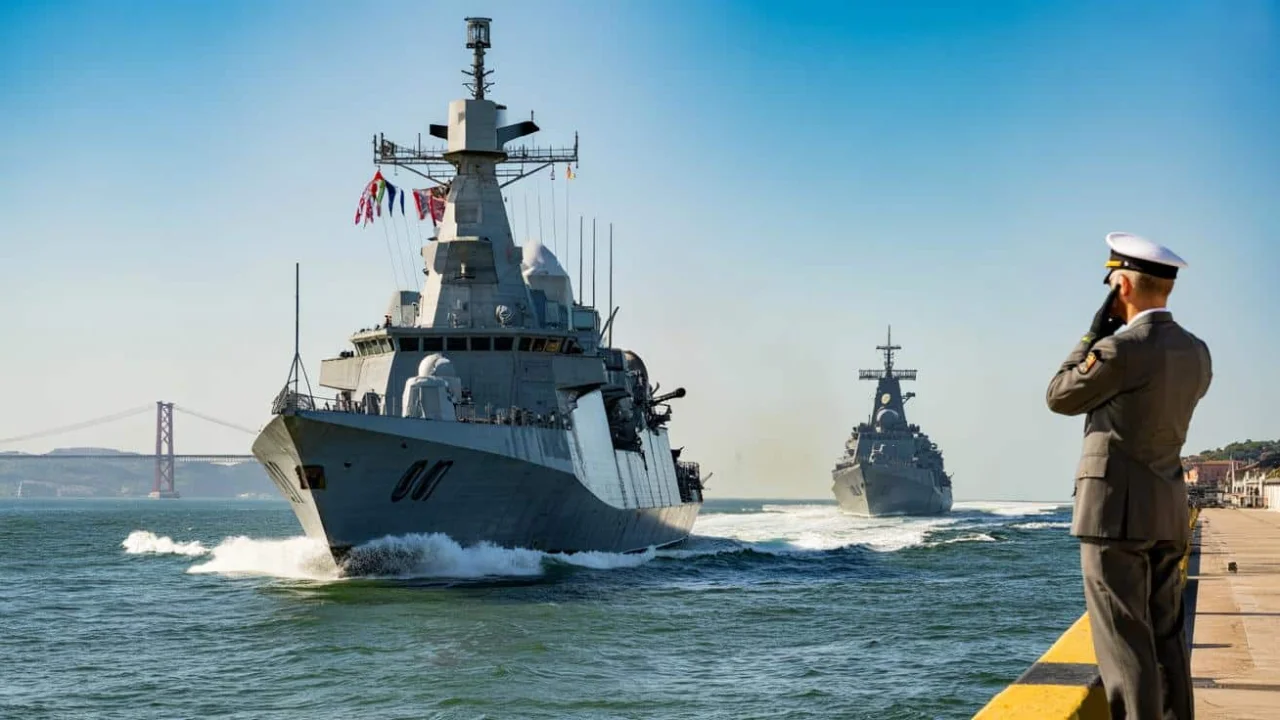
Captain João Silva walks across the deck of the aging Portuguese frigate NRP Vasco da Gama, watching his crew perform their morning drills in the Atlantic waters off Lisbon. The ship has served faithfully for over three decades, but Silva knows every creak, every system that needs constant maintenance, every limitation that comes with operating Cold War-era technology in a modern world.

“We make it work,” he tells a visiting defense journalist, patting the ship’s railing with genuine affection. “But these old ladies are showing their age. When you’re tasked with protecting Portugal’s vast maritime territory and contributing to NATO missions, you need ships that can handle 21st-century threats.”
Silva’s concerns reflect a critical decision facing Portugal’s government right now. The country stands at the threshold of its largest naval procurement in decades, with the potential purchase of three French FDI frigates that could transform the Portuguese Navy’s capabilities and cost taxpayers between €2 and €3 billion.
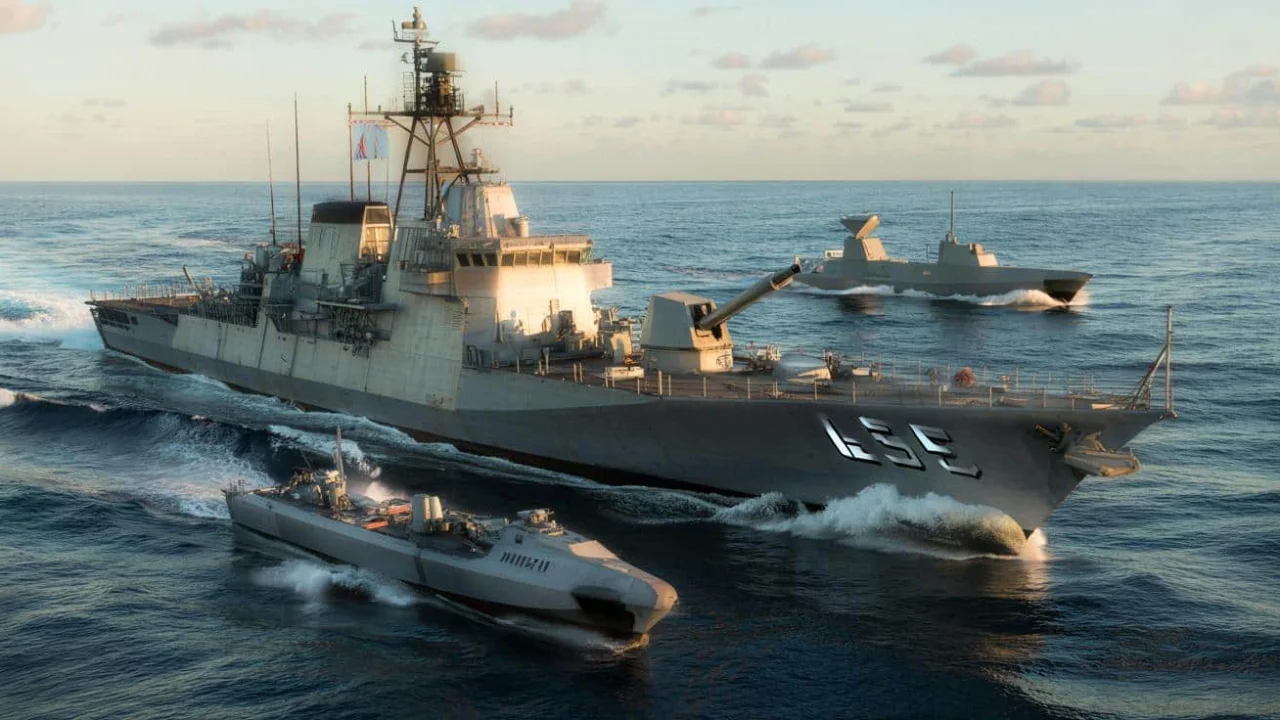
Why Portugal Needs New Warships Now
The Portuguese FDI frigates deal represents far more than just replacing old ships. Portugal’s current fleet of Vasco da Gama-class frigates entered service in the early 1990s, and despite multiple upgrades, they’re reaching the end of their operational lives.
“These vessels were excellent when they were built, but naval warfare has evolved dramatically,” explains Dr. Ana Martins, a defense analyst at Lisbon’s Institute for Strategic Studies. “Modern threats require integrated air defense, advanced radar systems, and cyber warfare capabilities that simply weren’t priorities thirty years ago.”
The timing isn’t coincidental. Portugal faces increasing pressure to modernize its military contributions to NATO, especially given the alliance’s renewed focus on maritime security in the Atlantic. The country’s strategic position makes it crucial for protecting sea lanes between Europe and the Americas.
Beyond military necessity, the Portuguese FDI frigates purchase would strengthen the country’s defense industrial base. Any deal is expected to include significant technology transfer and local production elements, potentially creating hundreds of jobs in Portugal’s shipbuilding sector.

Breaking Down the Billion-Euro Decision
The competition for Portugal’s frigate contract has narrowed to two main contenders, each offering distinct advantages:
| Aspect | French FDI Frigates | Italian FREMM Alternative |
|---|---|---|
| Price per unit | €800-900 million | €750-850 million |
| Delivery timeline | 2029-2032 | 2030-2033 |
| Technology transfer | Extensive | Moderate |
| NATO compatibility | High | High |
| Local production | 40-50% | 30-40% |
The French Naval Group’s FDI design appears to be gaining momentum among Portuguese naval planners. These frigates feature:
- Advanced SEAFIRE radar systems for multi-threat detection
- Modular design allowing mission-specific configurations
- Integrated drone operations capabilities
- Enhanced cyber warfare protection systems
- Long-range surface-to-air missile systems
“The FDI frigates represent a generational leap in naval technology,” notes Commander Ricardo Santos, a former Portuguese naval officer now working in defense consulting. “They’re designed from the ground up for the threats we’re likely to face in the 2030s and beyond.”
However, budget constraints remain a significant concern. The total program cost could consume nearly 15% of Portugal’s annual defense budget, requiring careful financial planning and potentially some creative financing arrangements with France.
What This Means for Portugal and Europe
The Portuguese FDI frigates deal extends far beyond Portugal’s borders. For French shipbuilder Naval Group, this contract would provide crucial momentum for international FDI sales, potentially opening doors in other European markets.
Portugal’s NATO allies are watching closely too. The new frigates would significantly enhance the alliance’s Atlantic maritime capabilities, particularly important given concerns about Russian submarine activity in the region.
“Portugal punches above its weight in NATO maritime operations,” explains Dr. Miguel Costa, a former Portuguese defense ministry official. “Modern frigates would allow them to take on even more responsibility in alliance missions.”
For Portuguese taxpayers, the investment represents a long-term commitment to national security. The frigates would serve for at least 30 years, making this decision crucial for the country’s defense posture well into the 2050s.
The economic impact could be substantial too. Portugal’s West Sea shipyard in Viana do Castelo is positioned to handle significant portions of the construction work, potentially revitalizing the country’s naval shipbuilding industry.
Local suppliers across Portugal’s defense ecosystem are already positioning themselves for potential contracts related to the frigate program. From electronics manufacturers to steel producers, the ripple effects could support thousands of jobs.
The decision timeline remains tight. Portuguese officials need to balance thorough evaluation with the practical need to order ships soon enough to avoid a capability gap as current frigates reach retirement. Defense Minister Paulo Rangel has indicated a final decision could come within months.
“We can’t afford to wait too long,” warns Admiral Teresa Morais, former head of the Portuguese Navy. “Maritime threats don’t pause for procurement delays, and our sailors deserve modern, capable platforms to do their jobs safely.”
Whatever Portugal ultimately decides, the Portuguese FDI frigates program represents a defining moment for the country’s naval future and its role in European defense cooperation.
FAQs
Why does Portugal need new frigates?
Portugal’s current frigates are over 30 years old and lack modern capabilities needed for contemporary maritime threats and NATO missions.
How much will the Portuguese FDI frigates cost?
The total program is estimated at €2-3 billion for three ships, making it one of Portugal’s largest defense investments.
When would the new frigates enter service?
If Portugal chooses the FDI design, the first frigate could be delivered around 2029, with all three operational by 2032.
Will Portuguese companies be involved in building the ships?
Yes, any deal is expected to include 40-50% local production and significant technology transfer to Portuguese shipyards.
What makes FDI frigates different from current Portuguese ships?
FDI frigates feature advanced radar, integrated air defense, drone capabilities, and cyber warfare protection that current frigates lack.
Could Portugal choose a different option besides French frigates?
While French FDI frigates appear favored, Italy’s Fincantieri remains a competitor, and the final decision hasn’t been announced officially.
About the Author