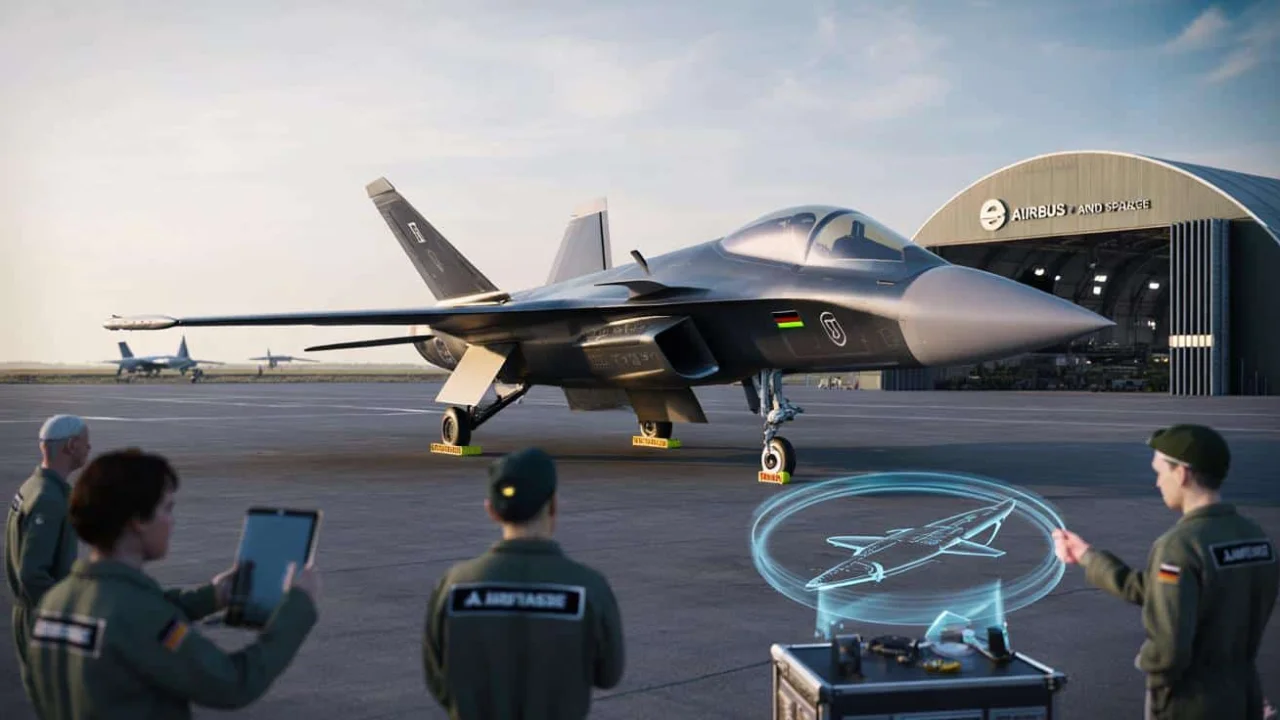
When Klaus Weber walks through his aerospace engineering facility in Munich each morning, he sees the same frustrated faces among his design team. These are some of Germany’s brightest minds in fighter jet technology, yet they spend their days arguing over spreadsheets with French colleagues who seem to hold all the cards.
“We’re basically paying to be junior partners in our own defense program,” Klaus tells his wife over dinner. It’s a conversation happening in engineering offices and government corridors across Germany as the country’s aerospace industry reaches a breaking point.
This frustration isn’t just about corporate pride. It’s about Germany’s ability to defend itself and shape Europe’s military future on its own terms.
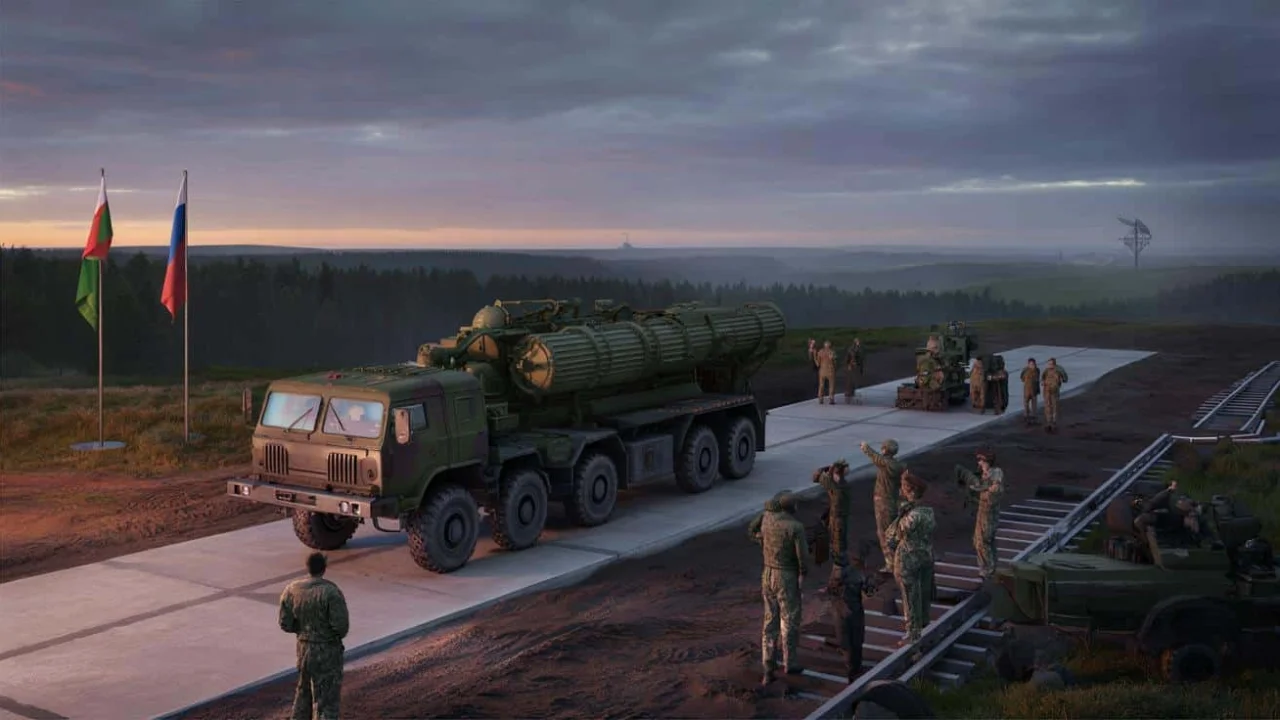
The German Fighter Jet Program Hits a Wall
The Future Combat Air System (SCAF) started as Europe’s answer to American air superiority. Launched in 2017, this ambitious project promised to unite France, Germany, and Spain in building the world’s most advanced sixth-generation fighter jet.
But seven years later, the German fighter jet program finds itself trapped in what industry insiders call a “French straightjacket.” Dassault Aviation, France’s aerospace giant, maintains iron-grip control over the fighter’s core design, leaving German engineers feeling like expensive consultants rather than equal partners.

“The Germans are tired of being told they can contribute to the landing gear while the French decide everything that actually makes the plane fly,” explains Dr. Sarah Hoffmann, a defense industry analyst. “This was supposed to be a partnership, not a subcontracting arrangement.”
The tension has reached a boiling point. German aerospace companies, led by Airbus Defence and Space, are now openly urging Berlin to abandon SCAF and launch an independent German fighter jet program.
What’s Really at Stake in This Aerospace Divorce
The German aerospace industry’s rebellion against Dassault Aviation reveals deep fractures in European defense cooperation. Here’s what’s driving the crisis:
- Technology Control: Dassault insists on maintaining prime contractor status, giving them final say over flight controls and critical systems
- Industrial Workshare: Germany contributes 33% of SCAF’s funding but gets less than 25% of high-value engineering work
- Export Rights: French restrictions could limit Germany’s ability to sell the finished aircraft to international customers
- Timeline Delays: Constant negotiations have pushed the German fighter jet program’s completion date from 2035 to potentially 2040

| Country | Financial Contribution | Industrial Workshare | Key Role |
|---|---|---|---|
| France | 40% | 45% | Prime contractor, flight systems |
| Germany | 33% | 25% | Sensors, avionics |
| Spain | 27% | 30% | Airframe, manufacturing |
The numbers tell the story. Germany pays more than Spain but gets less industrial benefit. Meanwhile, Dassault’s insistence on controlling the fighter’s “brain” – its flight control software and weapons integration systems – leaves German engineers working on peripheral components.
“It’s like being invited to help build a house but only being allowed to paint the shutters,” says former Luftwaffe General Hans Müller. “Germany has world-class aerospace technology, but SCAF treats us like we’re building bicycle parts.”
The Real-World Impact of Germany Going Solo
If Germany launches its own independent fighter jet program, the ripple effects will reshape European defense for decades. Here’s who gets affected:
German Taxpayers: A solo program could cost €50-80 billion over 20 years, compared to Germany’s €15 billion SCAF commitment. But German industry would capture most of that spending domestically, creating jobs and technological expertise that stays in the country.
European Unity: SCAF’s collapse would mark the end of Europe’s biggest joint defense project since the Eurofighter. Future cooperation becomes much harder when trust breaks down over fighter jets.
Military Readiness: Germany’s aging Tornado jets need replacement by 2030. If SCAF fails and a German alternative isn’t ready, the Luftwaffe faces a dangerous capability gap.
“The clock is ticking,” warns defense procurement expert Dr. Andreas Weber. “German pilots can’t fly promises and political statements. They need actual aircraft, and if SCAF can’t deliver, Berlin has to find another way.”
The German fighter jet program’s potential independence also creates new opportunities. German aerospace companies could partner with non-European allies like Japan or South Korea, both developing advanced fighter technology outside the American and European spheres.
Several German politicians already support this approach. They argue that genuine defense sovereignty requires the ability to build your own weapons, not just contribute to someone else’s project.
France, meanwhile, faces losing its biggest customer and most capable partner. Without German engineering expertise and financial contributions, SCAF becomes a much smaller, more expensive project.
“Dassault may have won the battle for control, but they’re about to lose the war for relevance,” predicts aerospace consultant Maria Gonzalez. “A German exit leaves them building a French fighter with Spanish help instead of a truly European system.”
The irony cuts deep. SCAF was designed to prove Europe could compete with American defense technology. Instead, it may prove that European countries still struggle to work as equals, even when facing shared threats.
For ordinary Germans, the stakes feel personal. Every euro spent on SCAF represents money that could fund German jobs, German research, and German technological independence. When that money flows to France while key decisions remain in Parisian boardrooms, the partnership feels more like dependence.
The German aerospace industry’s call for independence reflects broader questions about sovereignty and self-reliance that resonate far beyond fighter jets. In an uncertain world, countries increasingly want control over their own destiny – including the weapons that defend it.
FAQs
Why is Germany considering leaving the SCAF fighter jet program?
German aerospace companies feel they’re paying partnership prices for subcontractor treatment, with France controlling key decisions while Germany provides funding and secondary technology.
How much would a German-only fighter jet program cost?
Industry estimates suggest €50-80 billion over 20 years, compared to Germany’s €15 billion SCAF commitment, but most spending would benefit German companies and workers.
When does Germany need to replace its current fighter jets?
The Luftwaffe’s aging Tornado jets need replacement by 2030, creating pressure to resolve the SCAF dispute or find alternatives quickly.
Could Germany build a competitive fighter jet alone?
Germany has advanced aerospace technology and could potentially partner with non-European allies like Japan or South Korea who are also developing next-generation fighters.
What happens to European defense cooperation if SCAF fails?
SCAF’s collapse would end Europe’s largest joint defense project and make future military cooperation much more difficult due to damaged trust between partners.
Are other European countries facing similar partnership problems?
Spain has also expressed frustration with French control over SCAF, though they haven’t gone as far as Germany in threatening to exit the program.
About the Author
