Maria Rossi stared at her monthly tax statement, wondering where all those extra euros were going. As a working mother in Milan, she’d noticed her paycheck shrinking while government spending seemed to balloon on projects she barely understood. Little did she know, part of her tax money was fueling one of the most expensive military projects in European history.

Just like Maria’s household budget, major defense projects rarely go according to plan. But when the bill triples overnight, even the most patient taxpayers start asking questions.
The Future Fighter Jet That’s Breaking the Bank
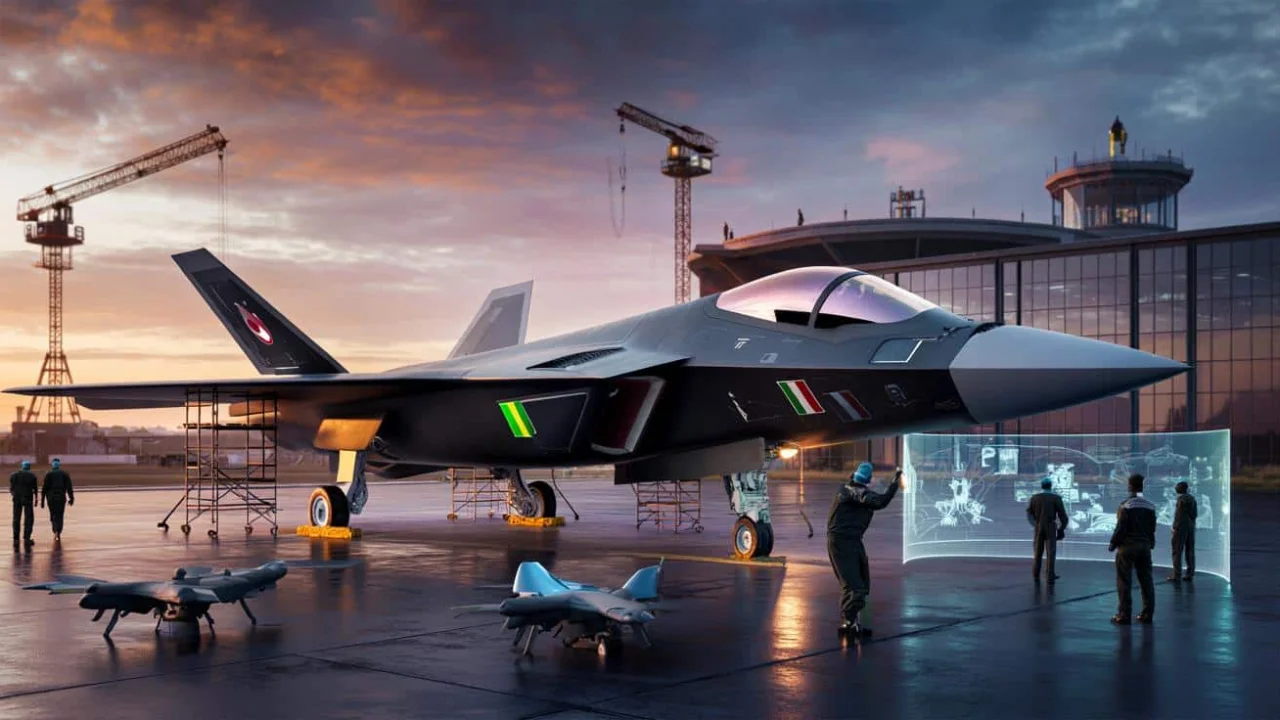
The Global Combat Air Programme (GCAP) represents one of the most ambitious military collaborations in modern history. Italy, Japan, and the United Kingdom joined forces to create what they’re calling a sixth-generation future fighter jet – a revolutionary aircraft packed with artificial intelligence, advanced sensors, and the ability to control unmanned drones.
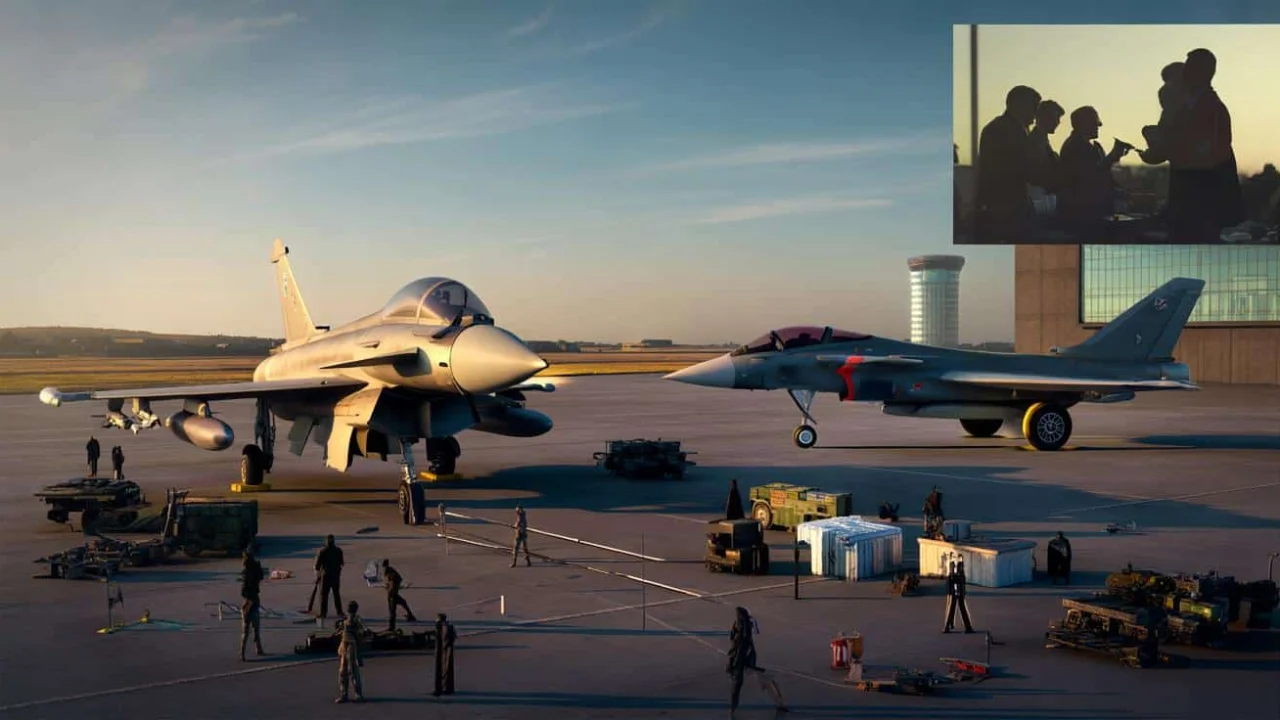
But here’s the problem: what started as an expensive dream has become a financial nightmare. Italy’s latest budget figures reveal that their share alone has jumped from €6 billion to a staggering €18.6 billion in just five years.
“We’re not just building an airplane here,” explains defense analyst Marco Benedetti. “We’re essentially creating a flying computer that can think, adapt, and coordinate with other systems in ways we’ve never seen before.”
The future fighter jet program launched with great fanfare in 2022, promising to replace aging fleets by the mid-2030s. Three industrial giants – BAE Systems from the UK, Leonardo from Italy, and Japan Aircraft Industrial Enhancement – formed a joint venture called Edgewing to handle the complex engineering challenges.
What’s Driving These Explosive Costs?
The reasons behind the cost explosion paint a familiar picture of modern defense spending. Here’s what’s pushing the future fighter jet budget through the roof:

- Cutting-edge technology integration: Merging AI systems with traditional aircraft design requires entirely new approaches
- Multi-nation coordination: Three different countries means three different requirements, standards, and bureaucracies
- Supply chain disruptions: Global shortages of specialized materials and components
- Inflation in defense sectors: Skilled aerospace engineers and rare materials cost more than ever
- Ambitious timeline pressure: Rushing development to meet 2035 deployment goals
| Country | Original Budget | Current Estimate | Increase |
|---|---|---|---|
| Italy | €6 billion | €18.6 billion | +210% |
| UK | £8 billion* | £24 billion* | +200% |
| Japan | ¥1.2 trillion* | ¥3.6 trillion* | +200% |
*Estimated proportional increases based on Italy’s cost spiral
“The complexity of modern warfare demands aircraft that can do things we couldn’t imagine a decade ago,” notes former RAF pilot Sarah Thompson. “But every new capability comes with an exponential price tag.”
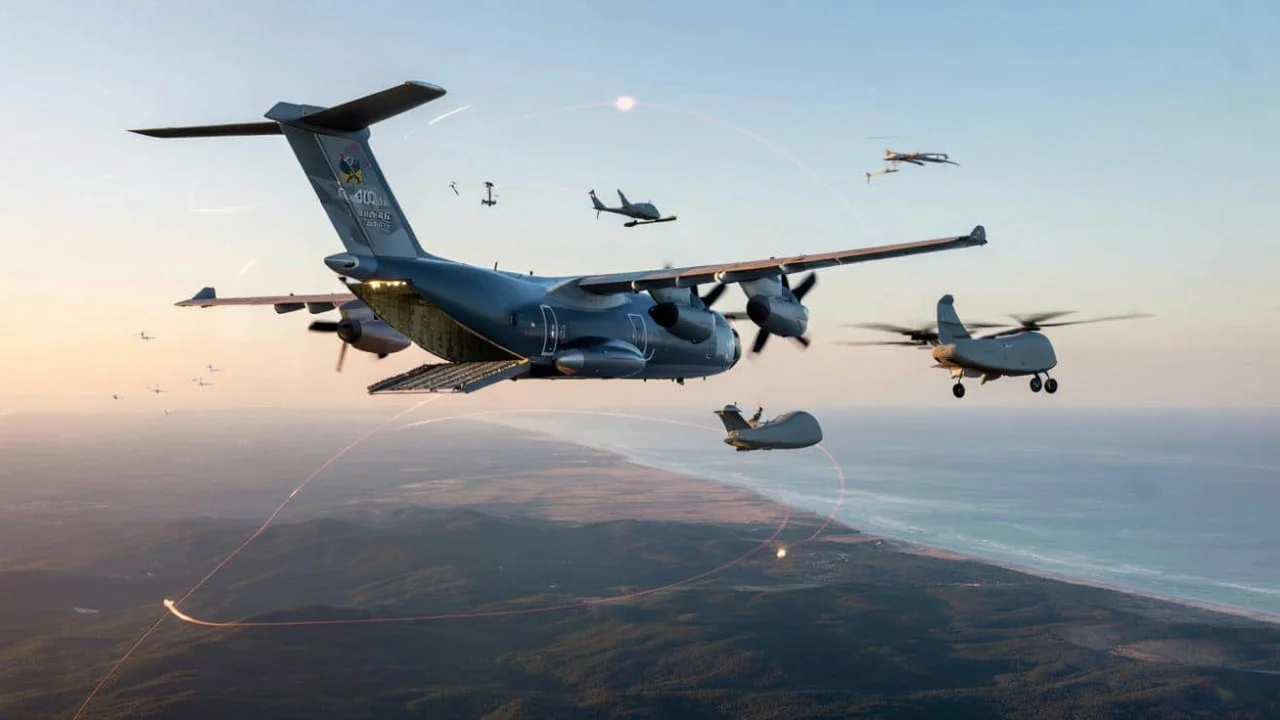
The future fighter jet isn’t just about replacing old planes. It’s designed to be the command center of an entire battle network, controlling swarms of drones, sharing real-time intelligence, and adapting its tactics using machine learning algorithms.
Real-World Impact on Citizens and Defense
For taxpayers like Maria in Milan, these cost overruns mean tough choices ahead. Government budgets don’t expand magically – every extra euro spent on the future fighter jet project potentially means less money for healthcare, education, or infrastructure.
The military implications are equally serious. If costs continue spiraling, fewer aircraft will be built, potentially leaving air forces with capability gaps just as global tensions rise.
“We’re caught between a rock and a hard place,” admits Italian defense economist Dr. Alessandro Forte. “Cancel the program and waste billions already invested, or continue and risk bankrupting our defense budgets.”
Other NATO allies are watching nervously. France and Germany, working on their own Future Combat Air System, see GCAP’s struggles as both a warning and an opportunity. Some defense experts worry that Europe’s fighter jet programs might be spreading resources too thin across competing projects.
The timeline remains aggressive despite the financial chaos. A demonstrator aircraft should fly by 2027, with operational jets reaching squadrons by 2035. But industry insiders quietly admit these dates look increasingly optimistic.
“Every month of delay costs millions more,” explains aerospace engineer Lisa Chen. “The pressure to deliver on time is enormous, but rushing advanced technology rarely ends well.”
For the three partner nations, the future fighter jet represents more than military hardware – it’s a symbol of technological sovereignty and alliance strength. Backing out now would mean conceding aerospace leadership to competitors like China’s J-20 or America’s F-35 program.
The human cost extends beyond balance sheets. Thousands of highly skilled engineers, technicians, and support staff across three countries depend on GCAP for their livelihoods. Cancellation would devastate aerospace communities from Warton to Nagoya to Turin.
Yet taxpayers deserve honest answers about where their money goes. The future fighter jet’s cost explosion highlights broader problems with major defense procurement: overly optimistic initial estimates, scope creep, and insufficient oversight of international partnerships.
As Maria Rossi reviews her next tax bill, she might wonder if there’s a better way to secure her country’s defense without mortgaging its future. The answer may determine not just the fate of one expensive airplane, but the entire approach to 21st-century military spending.
FAQs
Why has the future fighter jet cost tripled in just five years?
Complex new technologies, multi-nation coordination challenges, supply chain disruptions, and ambitious timelines have all contributed to the massive cost increases.
When will the first GCAP fighter jets be operational?
The target is 2035 for initial deployment, with a demonstrator aircraft planned for 2027, though these dates may slip due to current challenges.
How does this compare to other fighter jet programs?
Cost overruns are common in advanced fighter programs – the F-35 also experienced major budget increases, but GCAP’s 200%+ increase is particularly severe.
What makes this a “sixth-generation” fighter jet?
Advanced AI systems, drone control capabilities, sophisticated sensors, and integration into broader combat networks distinguish it from current fifth-generation aircraft.
Could the program be cancelled due to rising costs?
While possible, cancellation would waste billions already invested and leave the three nations dependent on other countries’ fighter aircraft technology.
Who pays for these cost increases?
Taxpayers in all three countries ultimately fund the program through their defense budgets, potentially affecting spending on other government priorities.
About the Author