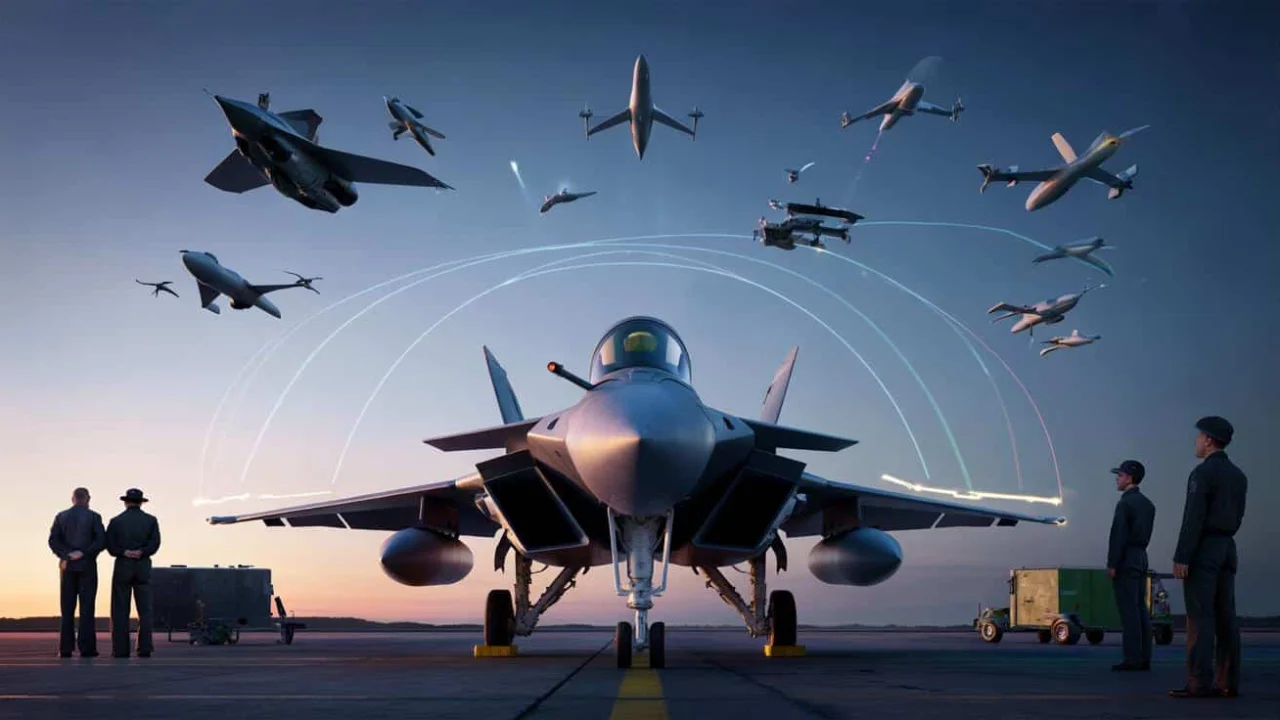
Picture this: in a sterile conference room in Brussels, two engineers from rival defense companies stare at each other across a table covered in technical blueprints. One is French, the other German. They’re supposed to be designing Europe’s next-generation fighter jet together, but instead, they’re arguing about whose technology gets priority. The tension is so thick you could cut it with a knife.

This isn’t just workplace drama. It’s a microcosm of what’s happening to one of Europe’s most ambitious military projects. The SCAF fighter jet program, once hailed as the future of European defense cooperation, is teetering on the edge of collapse.
What started as a symbol of unity between France and Germany has turned into a high-stakes battle of national pride, industrial interests, and conflicting visions for the future of air combat.
When Dreams of European Unity Meet Cold Reality
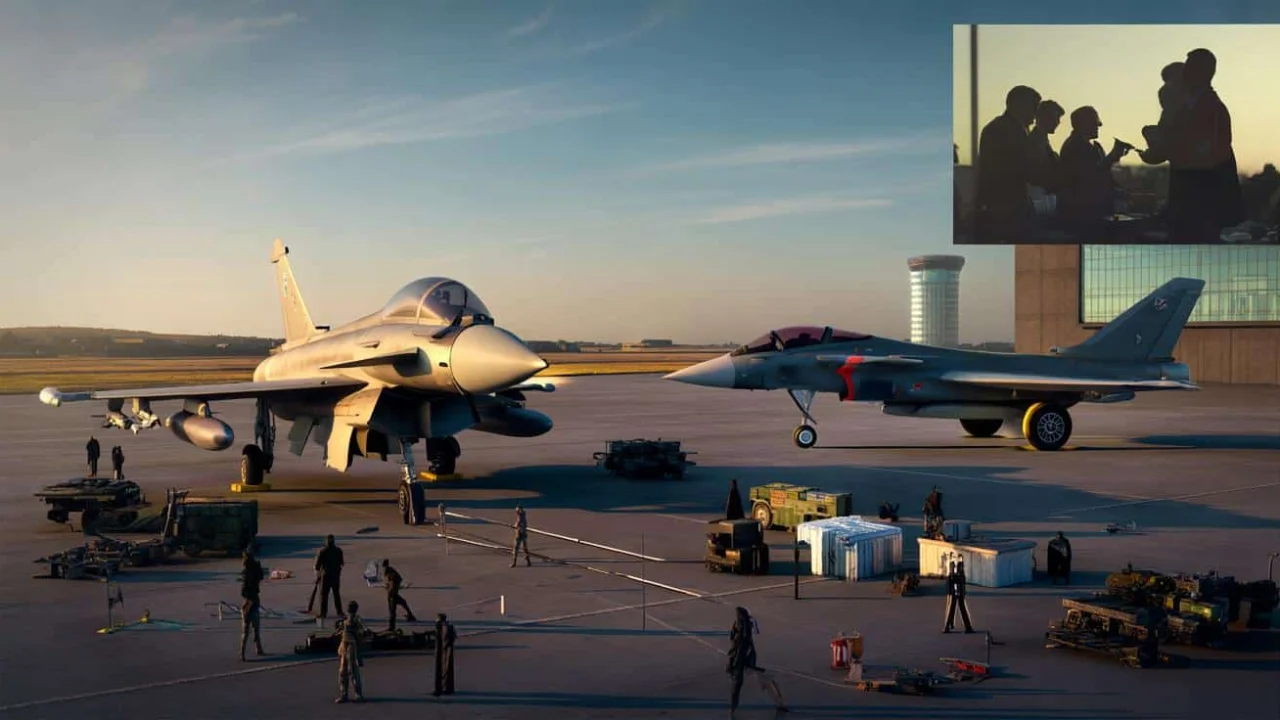
The SCAF fighter jet project began with such promise back in 2017. French President Emmanuel Macron and German Chancellor Angela Merkel shook hands on a deal that would revolutionize European defense. The plan was simple: create a next-generation combat aircraft system that would replace France’s aging Rafale jets and Germany’s Eurofighter Typhoons by the 2040s.
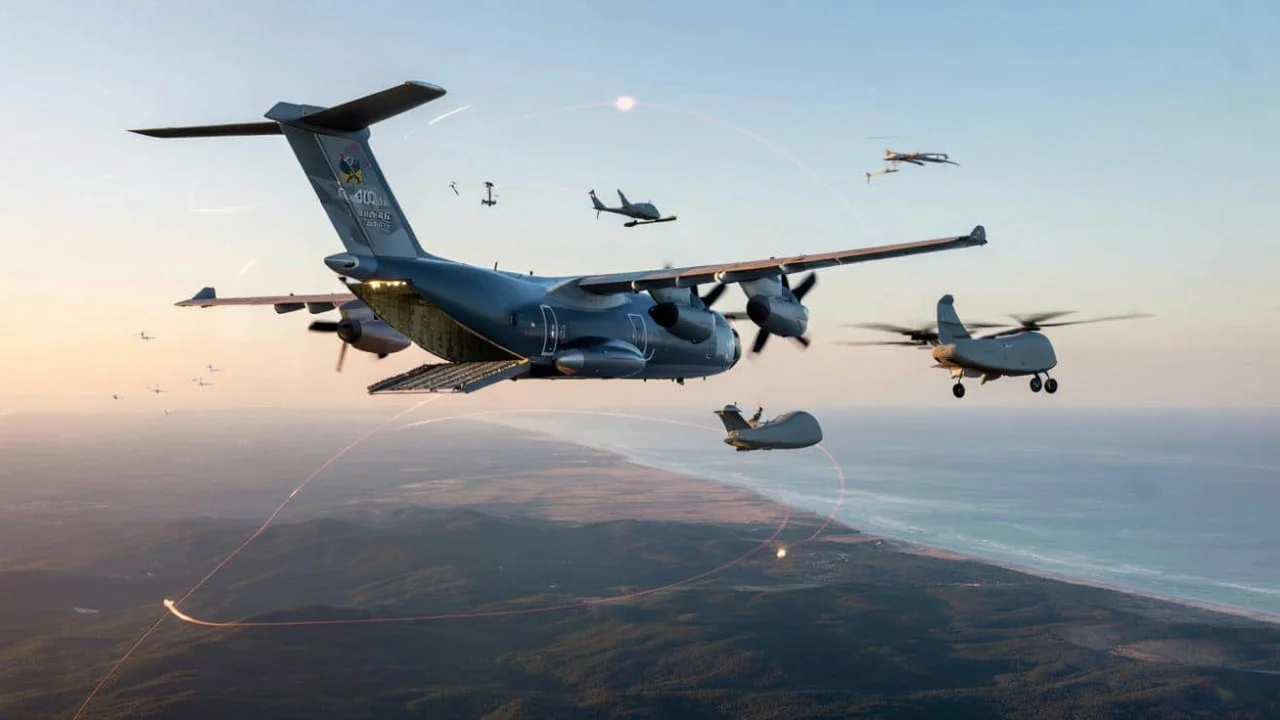
Spain later joined the party, adding both funding and industrial muscle to what seemed like an unstoppable European defense initiative. The project wasn’t just about building a single fighter jet – it was about creating an entire ecosystem of interconnected systems.
“The original vision was breathtaking in its scope,” says a former NATO defense analyst who requested anonymity. “We’re talking about manned fighters, autonomous drones, swarm robotics, and cloud-based combat networks all working together seamlessly.”
But somewhere between the grand announcements and the nitty-gritty of actual development, reality set in. The SCAF fighter jet became a lightning rod for deeper disagreements about European defense priorities, industrial leadership, and national sovereignty.
The cracks started showing when French and German engineers couldn’t agree on fundamental design principles. Should the new aircraft be a revolutionary leap forward, or an evolutionary improvement? Who gets to lead the technical development? And perhaps most importantly, how do you split billions of euros in contracts fairly?
Breaking Down the Battle Lines
Understanding the current SCAF fighter jet crisis requires looking at what each country brings to the table – and what they’re fighting over:
| Country | Key Strengths | Main Concerns | Industrial Champions |
|---|---|---|---|
| France | Combat experience, export success with Rafale | Maintaining technological leadership | Dassault Aviation, Safran |
| Germany | Advanced manufacturing, deep pockets | Fair work share, technology transfer | Airbus Defense, MTU Aero Engines |
| Spain | Cost-effective production, political neutrality | Securing meaningful participation | Indra, ITP Aero |
The main sticking points in the SCAF fighter jet negotiations include:
- Design Philosophy: France wants a more radical, cutting-edge approach while Germany prefers proven, incremental improvements
- Industrial Leadership: Both countries want their companies to lead critical subsystems
- Technology Sharing: Germany demands access to French stealth and sensor technologies
- Work Distribution: Disagreements over which country gets what percentage of development and production work
- Export Rights: Who gets to sell the finished product to third countries
“It’s become a perfect storm of national pride, industrial competition, and genuine technical disagreements,” explains a Brussels-based defense consultant. “Each side has valid points, but they’re talking past each other.”
The financial stakes are enormous. The SCAF fighter jet program is estimated to cost upwards of 100 billion euros over its lifetime. That’s not just government spending – it represents thousands of high-skilled jobs and technological leadership in one of the world’s most competitive industries.
What This Means for Everyone
You might wonder why this matters to anyone outside the defense industry. The truth is, the fate of the SCAF fighter jet has implications that stretch far beyond military circles.
For European taxpayers, billions of euros in public investment hang in the balance. If the project collapses, that money could be wasted, or countries might have to start over with separate national programs – likely costing even more.
The broader European Union project is also at stake. If France and Germany can’t cooperate on defense – traditionally one of the most sensitive areas of national sovereignty – it raises serious questions about European integration in other fields.
“This is about more than just fighter jets,” warns a former EU commissioner. “It’s about whether Europe can truly act as one when it comes to strategic technologies.”
For military personnel, the consequences are deeply practical. Pilots currently flying aging aircraft need to know what they’ll be flying in 20 years. Air forces need to plan training, maintenance, and operational concepts around their future equipment.
The global defense market is watching too. If Europe can’t get its act together on the SCAF fighter jet, customers might turn to American F-35s or look to emerging alternatives from other countries. That would mean lost export opportunities and reduced political influence for European nations.
Meanwhile, competitors aren’t standing still. China is rapidly developing its own sixth-generation fighter capabilities, while the United States continues advancing its Next Generation Air Dominance program. Every month of delay in the SCAF fighter jet puts Europe further behind in the global arms race.
“The window for European leadership in next-generation combat aircraft is closing rapidly,” says a think tank researcher specializing in defense technology. “If SCAF fails, Europe might become a technology follower rather than a leader.”
Industry insiders report that some companies are already hedging their bets, quietly exploring alternative partnerships or national programs. The uncertainty is starting to affect investment decisions and talent retention in the European aerospace sector.
Political leaders in Paris and Berlin now face a choice that will define European defense for decades. Do they swallow their pride, make the necessary compromises, and save the SCAF fighter jet program? Or do they let it collapse and pursue separate national paths?
The clock is ticking, and the stakes couldn’t be higher. European unity, military capability, and technological sovereignty all hang in the balance over what started as a simple question: how do you build a fighter jet together?
FAQs
What exactly is the SCAF fighter jet?
SCAF stands for “Système de Combat Aérien du Futur” (Future Combat Air System). It’s not just a single fighter jet, but a complete network of manned aircraft, drones, and digital systems designed to work together.
When was the SCAF fighter jet supposed to enter service?
The original timeline called for the SCAF fighter jet to replace current aircraft starting in the 2040s, but delays and disagreements have put this schedule at risk.
How much will the SCAF fighter jet cost?
Estimates suggest the complete program could cost over 100 billion euros throughout its development and production phases, making it one of Europe’s most expensive defense projects ever.
What happens if France and Germany can’t agree on the SCAF fighter jet?
If the program collapses, each country might pursue separate national fighter programs, potentially buying American F-35s, or partnering with other countries instead.
Why can’t European countries just buy existing fighter jets like the F-35?
Many European leaders want to maintain technological independence and keep defense spending within Europe to support local jobs and industrial capabilities.
Is Spain still involved in the SCAF fighter jet project?
Yes, Spain remains committed to the program and could potentially play a mediating role between France and Germany, though the main decisions rest with Paris and Berlin.
About the Author