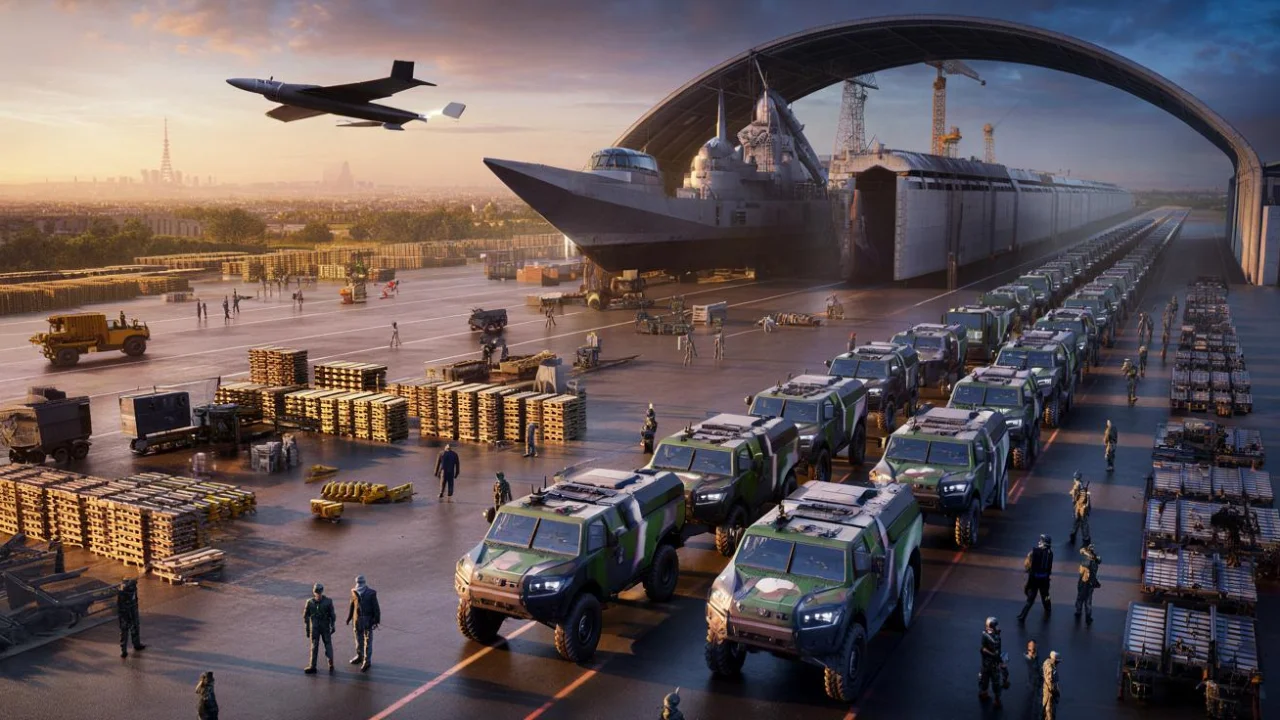
Marie Dubois remembers the day her son called from his military base in Estonia. “Maman,” he said, his voice tight with concern, “we’re training with equipment that’s older than I am.” She laughed nervously, but his next words chilled her. “The instructors keep saying we need to be ready for anything now. Things are different.”

That conversation, multiplied across thousands of French families, captures something profound happening in France’s defense landscape. Parents who thought their children would serve in a peaceful Europe are watching their government prepare for scenarios they hoped belonged to history books.
Marie’s son is part of a military that’s about to undergo its most dramatic transformation in decades, fueled by an unprecedented spending spree that will reshape how France protects itself and its allies.
France’s Military Shopping Spree Reaches Historic Levels
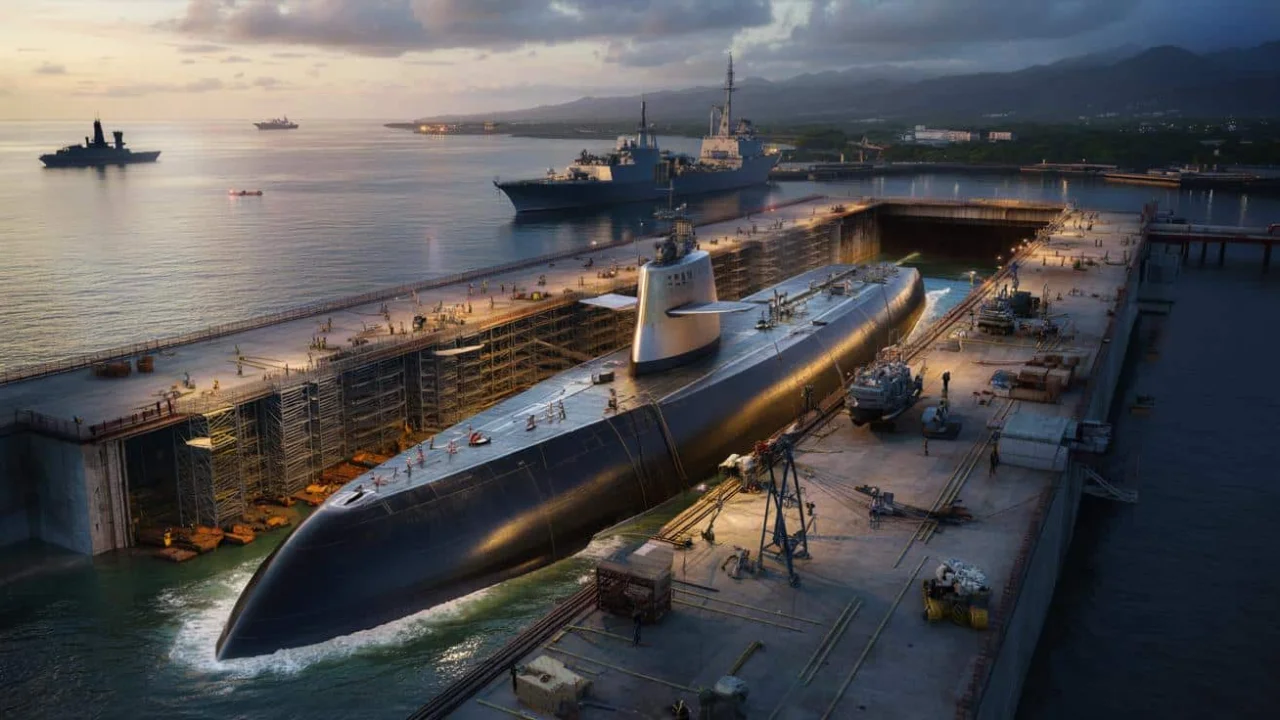
French military contracts are exploding to levels that would have seemed impossible just five years ago. The armed forces are targeting €42 billion in equipment orders for 2026, a figure that dwarfs previous peacetime spending and signals France’s recognition that the world has become a far more dangerous place.
This isn’t just about buying more guns and tanks. France is fundamentally rewiring how it thinks about military procurement, abandoning the leisurely pace of peacetime contracting for something that looks more like wartime urgency.

“We’re not just increasing budgets—we’re changing our entire mindset,” explains a senior defense ministry official who spoke on condition of anonymity. “The old system assumed we had decades to plan and implement. Now we’re working as if we might need everything tomorrow.”
The numbers tell a stark story. France spent roughly €38 billion on military contracts in 2025, already a massive increase from previous years. But 2026’s target of €42 billion represents something unprecedented in modern French military planning.
What France Is Actually Buying With These Massive Contracts
The money isn’t being thrown around randomly. French military planners have identified specific capability gaps that keep defense officials awake at night, and they’re moving to fill them with surgical precision.
Here’s where the bulk of these French military contracts will focus:

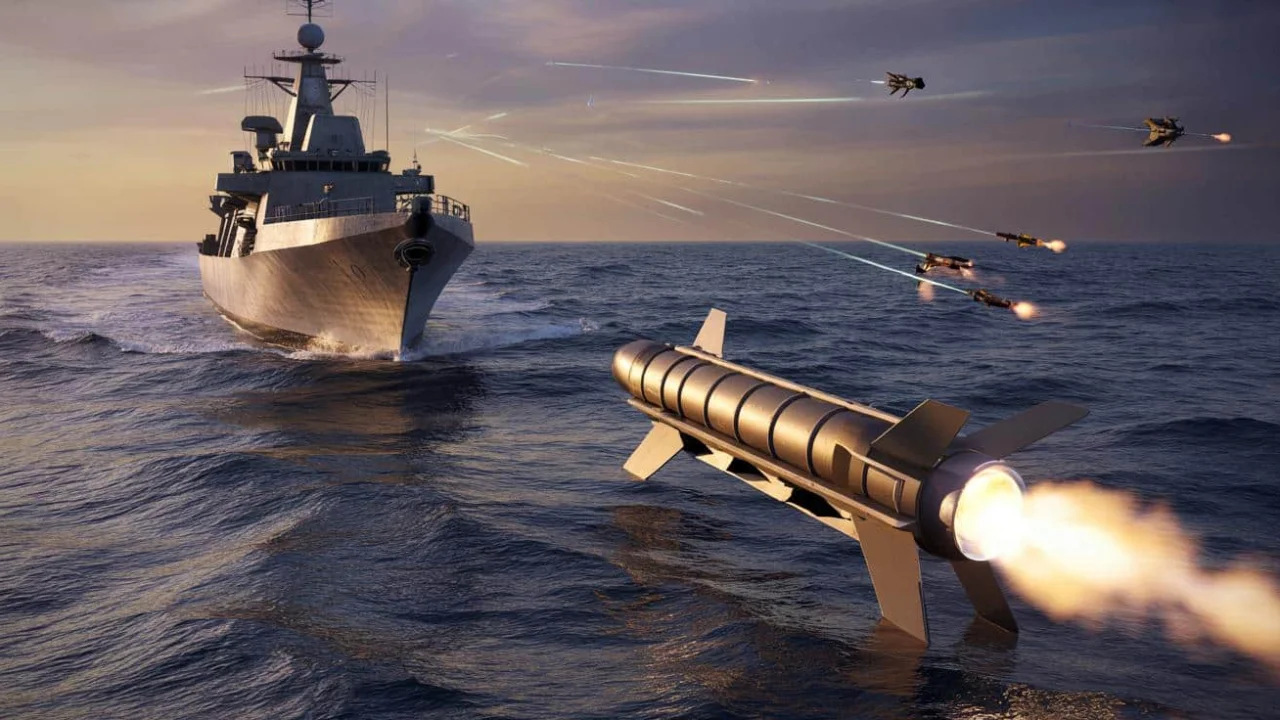
- Advanced air defense systems – Protecting French territory and overseas deployments from missile threats
- Long-range precision weapons – Giving French forces the ability to strike targets at greater distances
- Cyber warfare capabilities – Building digital shields and swords for modern conflicts
- Intelligence and surveillance systems – Eyes and ears that can spot threats before they materialize
- Naval modernization – Upgrading France’s ability to project power across oceans
- Space-based military assets – Satellites and systems for the ultimate high ground
| Contract Category | Estimated Value (€ billions) | Primary Purpose |
|---|---|---|
| Air Defense Systems | 8.5 | Homeland protection |
| Naval Programs | 12.2 | Power projection |
| Land Forces Equipment | 9.8 | Ground combat readiness |
| Aviation Programs | 7.3 | Air superiority |
| Cyber & Intelligence | 4.2 | Digital warfare |
The Direction générale de l’armement (DGA), France’s primary defense procurement agency, is completely overhauling its processes to handle this surge. They’re cutting approval times, streamlining contractor selection, and in some cases bypassing traditional competitive bidding for urgent capabilities.
“We used to think in terms of perfect solutions delivered on schedule,” notes a former DGA contractor. “Now it’s about good-enough solutions delivered yesterday. The whole culture has flipped.”
How This Military Buildup Will Touch Every French Citizen
These aren’t just numbers on a spreadsheet—they represent a fundamental shift that will ripple through French society in ways most people haven’t yet realized.
The economic impact alone is staggering. French defense companies are scrambling to hire engineers, technicians, and skilled workers to fulfill these contracts. Cities like Toulouse, home to major aerospace companies, are seeing their first labor shortages in years. Small suppliers who never thought they’d work on military projects are suddenly fielding calls about specialized components.
But the changes go deeper than economics. French military reserves are being expanded and reorganized. The country is quietly strengthening its civil defense capabilities, updating evacuation plans, and modernizing emergency communication systems.
“My neighbor works at Thales, and suddenly they’re offering overtime shifts six days a week,” says Jean-Luc Moreau, a teacher from Lyon whose son serves in the air force. “He says it feels like the old Cold War days when his father worked there. Everyone knows something big is happening.”
Young French men and women are experiencing this shift most directly. Military service, while not mandatory, is becoming more attractive as the government increases benefits and modernizes equipment. The promise of working with cutting-edge technology funded by these massive contracts is drawing talent that might have previously chosen civilian careers.
French universities are also adapting, expanding engineering and technology programs to feed the growing demand for skilled workers in defense industries. Students who once dreamed of working for tech startups are increasingly considering careers in military technology.
The international implications are equally significant. France’s NATO allies are watching these developments closely, hoping that French military modernization will strengthen the alliance’s overall capabilities. At the same time, competitors are analyzing every contract announcement for clues about French strategic priorities.
“When France spends €42 billion on military equipment in a single year, the whole world pays attention,” observes a Brussels-based defense analyst. “These contracts aren’t just about French capabilities—they’re reshaping European security architecture.”
For families like Marie’s, whose children serve in uniform, these investments offer both comfort and concern. Better equipment means safer service members, but the urgency behind the spending suggests threats that parents hoped their children would never face.
The France emerging from this military modernization will be fundamentally different from the one that existed just a few years ago. More prepared for conflict, certainly, but also more conscious of how quickly the world can change and how expensive it can be to keep pace with those changes.
FAQs
Why is France spending so much on military contracts in 2026?
France is responding to increased global security threats and modernizing its military capabilities to match current geopolitical realities.
How does €42 billion compare to France’s previous military spending?
This represents a significant increase from 2025’s €38 billion and far exceeds traditional peacetime military procurement levels.
Will these military contracts affect French taxes?
The spending is built into France’s multi-year military planning framework, though it may influence future budget discussions and fiscal priorities.
What types of weapons and equipment will France buy with these contracts?
Priority areas include air defense systems, naval modernization, cyber capabilities, precision weapons, and intelligence systems.
How will this impact French defense industry jobs?
The contracts are creating significant employment opportunities in defense manufacturing, engineering, and related technical fields across France.
Are other European countries making similar military investments?
Many European nations are increasing defense spending, but France’s €42 billion target represents one of the most ambitious procurement programs in Europe.
About the Author
